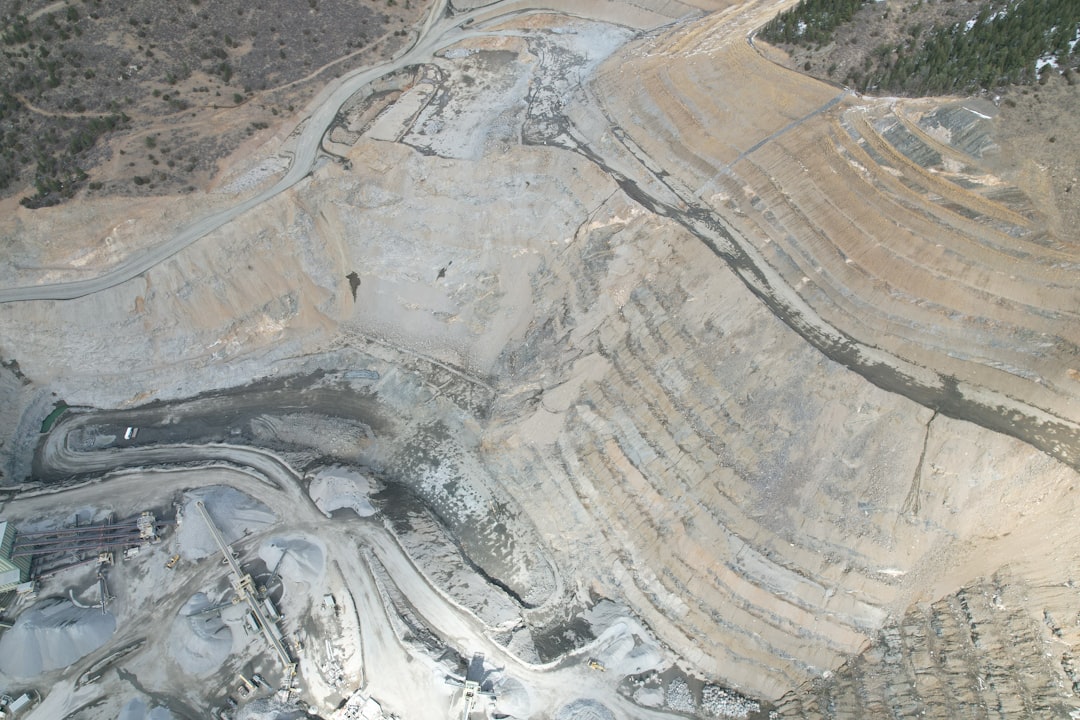
The illicit extraction of sand, a seemingly innocuous resource, has become a global crisis, fueled by surging demand from the construction industry. This insatiable appetite has, in many regions, created a parallel economy of illegal sand mining, a shadowy enterprise often facilitated and protected by individuals within the very structures meant to uphold the law: government officials. This article delves into the multi-faceted problem of governmental involvement in sand mining corruption, examining its mechanisms, consequences, and the systemic frailties it exposes.
Illegal sand mining refers to the extraction of sand from riverbeds, coastlines, and other natural deposits without the requisite permits, violating environmental regulations, or exceeding authorized limits. This clandestine operation thrives due to the high market value of sand, which serves as a fundamental ingredient in concrete, asphalt, glass, and a myriad of other construction materials. The sheer volume of sand extracted globally each year—estimated to be in the tens of billions of tons—highlights the enormous financial incentives driving this industry, both legal and illegal. Learn about the environmental impacts of sand mining in this informative video.
Environmental Devastation as a Byproduct
The immediate and most visible consequence of illegal sand mining is environmental degradation. River channels are altered, leading to accelerated erosion of banks and agricultural land. Aquatic ecosystems are decimated as dredging disrupts habitats, increases water turbidity, and removes critical breeding grounds for fish and other wildlife. Coastal sand mining depletes protective barriers, making communities more vulnerable to storm surges and sea-level rise.
Socio-Economic Impact on Vulnerable Communities
Beyond the ecological damage, illegal sand mining disproportionately affects marginalized communities. Their livelihoods, often tied to fishing or agriculture, are severely impacted by environmental destruction. Furthermore, land rights are frequently violated, and communities are left to grapple with damaged infrastructure like bridges and roads, all while facing intimidation from powerful illicit networks.
Sand mining has become a significant issue in many regions, often leading to corruption among government officials who turn a blind eye to illegal operations. A related article that delves deeper into this troubling phenomenon can be found at this link, where the intricate connections between sand mining, environmental degradation, and political corruption are explored in detail. The article highlights various case studies and offers insights into the measures needed to combat these corrupt practices effectively.
Mechanisms of Official Complicity
The involvement of government officials in illegal sand mining is not a monolithic phenomenon. It manifests in various forms, from passive neglect to active participation, each contributing to the perpetuation of this illicit trade.
Bribery and Extortion: The Lubricant of Illicit Operations
Bribery forms the bedrock of official complicity. Mining companies, both legal and illegal, offer financial inducements to officials to secure operating permits, overlook environmental violations, or gain preferential treatment. This can range from small payments to local police officers turning a blind eye to large-scale payments to high-ranking bureaucrats influencing policy decisions. Extortion, conversely, sees officials demanding payments from miners under threat of closure or legal action, essentially rendering legitimate businesses vulnerable to predatory state actors.
Abuse of Power and Influence Peddling
High-ranking officials, often operating behind a veil of legitimate authority, leverage their positions to facilitate illegal sand mining. This might involve fast-tracking permits for favored entities, manipulating environmental impact assessments, or pressuring regulatory bodies to ignore infractions. Such actions demonstrate a blatant disregard for public trust and a perversion of the very purpose of public office.
Collusion with Criminal Syndicates
In more insidious cases, government officials directly collude with organized criminal syndicates that control large swathes of the illegal sand mining industry. This can involve providing protection from law enforcement, sharing intelligence on raids, or even directly investing in and profiting from the illicit enterprise. This unholy alliance transforms public servants into partners in crime, their badges serving as shields for illegal activities.
Deliberate Non-Enforcement of Laws
Perhaps the most pervasive form of official complicity is the deliberate non-enforcement of existing laws and regulations. This can stem from a lack of political will, insufficient resources for enforcement agencies, or a calculated decision to prioritize personal gain over environmental protection and public welfare. When laws are treated as mere suggestions rather than enforceable mandates, the floodgates open for illegal activities to flourish.
The Web of Corruption: Who is Involved?
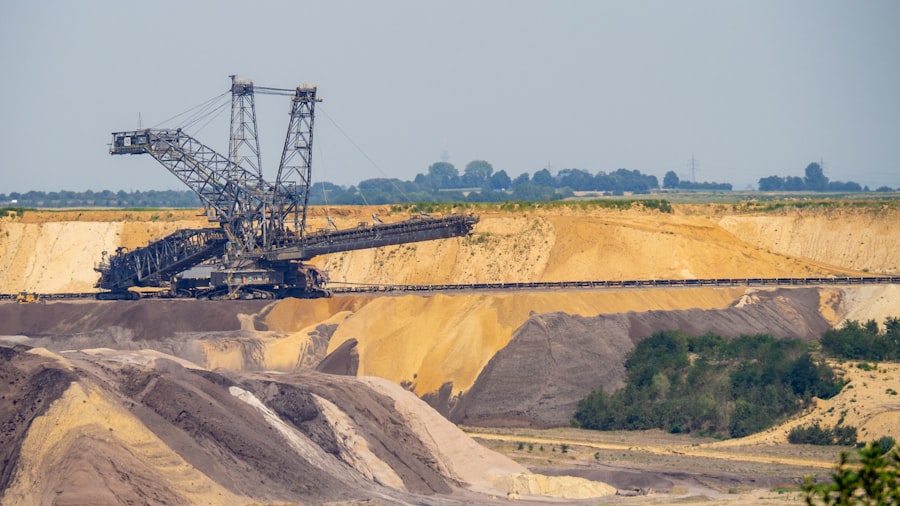
The tentacles of sand mining corruption reach into various levels and branches of government, ensnaring a diverse array of officials.
Local Level Officials: Gatekeepers of Illicit Access
At the local level, village leaders, municipal councilors, and local law enforcement officers are frequently implicated. They are the first point of contact for miners and often possess the power to grant or deny initial access to mining sites. Their proximity to the operations makes them both vulnerable to corruption and critical enablers. They may issue unauthorized “No Objection Certificates” or simply ignore illegal activities happening within their jurisdiction in exchange for monetary benefits or political favors.
Environmental Regulators: Guardians Turned Accomplices
Environmental protection agencies, tasked with safeguarding natural resources, occasionally become complicit. Officials within these bodies might deliberately weaken environmental impact assessments, overlook permit violations, or fail to conduct thorough inspections. The very individuals whose mandate it is to police the environment can, through corruption, become its worst enemies.
Police and Judiciary: The Enforcers and Arbiters Compromised
The role of law enforcement and the judiciary is paramount in combating illegal activities. However, police officers can be bribed to ignore complaints, protect illegal operations, or even intimidate whistleblowers. Similarly, elements within the judiciary can delay cases, issue favorable rulings, or impose lenient penalties on those involved in illegal sand mining, effectively undermining the rule of law. This compromise of the justice system creates a fertile ground for impunity, allowing corrupt officials and illegal miners to operate with little fear of repercussions.
High-Ranking Bureaucrats and Politicians: The Architects of Impunity
The most damaging involvement often comes from high-ranking bureaucrats and elected politicians. They possess the power to influence policy, allocate resources, and even directly permit large-scale mining operations. Their involvement often manifests in creating loopholes in regulations, issuing permits to unqualified companies, or using their influence to protect favored individuals or groups engaging in illegal mining. Their actions, often shrouded in legal ambiguity, can legitimize illegitimate operations and provide an umbrella of impunity for the entire corrupt chain. Their involvement is like a poison seeping into the very foundations of governance, weakening its structural integrity.
Consequences of Official Corruption in Sand Mining

The ramifications of governmental corruption in sand mining extend far beyond the immediate environmental and economic impacts, shaking the very pillars of democratic governance and societal trust.
Erosion of Public Trust and Governance Weakness
When government officials are seen to be actively involved in or facilitating illegal activities, public trust in institutions erodes. Citizens perceive the government as a self-serving entity rather than a protector of public interest. This erosion of trust breeds cynicism and disengagement, making it harder to implement legitimate policies and foster sustainable development. It is a slow decay, like rust eating away at vital infrastructure.
Economic Disparities and Resource Theft
Illegal sand mining, often protected by official corruption, diverts significant revenue away from state coffers. Taxes and royalties that should be collected for legitimate sand extraction are lost, depriving governments of funds needed for public services. This illegal wealth is concentrated in the hands of a few, exacerbating economic disparities and enriching corrupt individuals at the expense of the wider populace. It is a subtle form of resource theft, robbing future generations of their rightful inheritance.
Undermining the Rule of Law and Justice
Official corruption in sand mining fundamentally undermines the rule of law. When laws are selectively enforced or openly flouted by those sworn to uphold them, the entire legal framework becomes a mockery. This creates a culture of impunity where powerful individuals can operate above the law, leaving ordinary citizens vulnerable and disempowered. The scales of justice, meant to be balanced, are tilted heavily by the weight of illicit gains.
Increased Social Conflict and Insecurity
Disputes over land and mining rights, often fueled by illegal sand extraction, can escalate into social conflicts. Communities resisting illegal operations may face intimidation, violence, and even displacement. This can create an atmosphere of insecurity and instability, particularly in regions where governance is already weak. The struggle for sand becomes a struggle for survival, often met with brute force.
Recent investigations into sand mining practices have revealed a troubling pattern of corruption involving government officials, highlighting the urgent need for reform in regulatory frameworks. A related article discusses the implications of such corruption on local communities and the environment, shedding light on the systemic issues that allow these practices to persist. For more insights on this pressing issue, you can read the full article here.
Strategies for Combating Official Corruption
| Country | Year | Number of Officials Involved | Estimated Illegal Sand Mined (tons) | Reported Bribe Amount | Legal Actions Taken | Impact on Environment |
|---|---|---|---|---|---|---|
| India | 2022 | 15 | 500,000 | 2,000,000 | 10 arrests, 5 convictions | Severe riverbank erosion, loss of biodiversity |
| Indonesia | 2021 | 8 | 300,000 | 1,200,000 | 6 arrests, 3 convictions | Coastal degradation, habitat destruction |
| Kenya | 2023 | 5 | 150,000 | 500,000 | 4 arrests, 2 convictions | Increased flooding, water pollution |
| Brazil | 2022 | 12 | 400,000 | 1,800,000 | 9 arrests, 4 convictions | Deforestation, river sedimentation |
| Vietnam | 2023 | 7 | 250,000 | 900,000 | 5 arrests, 3 convictions | Loss of aquatic species, shoreline erosion |
Addressing the pervasive issue of official corruption in sand mining requires a multi-pronged approach that encompasses legal reforms, institutional strengthening, and societal engagement.
Strengthening Legal Frameworks and Enforcement
Revising outdated mining laws and environmental regulations is a crucial first step. These laws must be clear, unambiguous, and carry severe penalties for violations. More importantly, enforcement mechanisms need to be significantly strengthened. This includes increasing the number and training of environmental inspectors, empowering law enforcement agencies, and ensuring the independence and integrity of the judiciary.
Promoting Transparency and Accountability
Transparency in licensing procedures, environmental impact assessments, and revenue collection is vital. Governments should adopt digital platforms for permit applications and monitoring, reducing opportunities for human-to-human corruption. Whistleblower protection laws are essential to encourage individuals to report corrupt practices without fear of retaliation. Holding officials accountable for their actions, through robust internal oversight mechanisms and independent investigations, is paramount.
Leveraging Technology for Monitoring and Reporting
Technological advancements offer powerful tools to combat illegal sand mining and detect official complicity. Satellite imagery, drone surveillance, and remote sensing can be used to monitor mining sites in real-time, identify unauthorized activities, and track the movement of sand. Mobile applications can empower citizens to report illegal mining incidents directly to authorities, providing crucial ground-level intelligence.
Fostering Community Engagement and Awareness
Engaging local communities in the monitoring and reporting of illegal sand mining is critical. Educating communities about the environmental and social impacts of illicit extraction can empower them to become proactive custodians of their resources. Supporting community-led initiatives and providing avenues for grievance redressal can foster a sense of ownership and collaboration in combating corruption.
International Cooperation and Best Practices
Given the global nature of sand demand and supply chains, international cooperation is essential. Sharing best practices in regulation, enforcement, and anti-corruption strategies can strengthen national efforts. International law enforcement agencies can collaborate to interdict illegal shipments and dismantle transnational criminal networks involved in sand trafficking.
In conclusion, the involvement of government officials in sand mining corruption presents a formidable challenge to environmental sustainability, economic justice, and democratic governance. It is a grim testament to how the lust for profit can twist public service into a vehicle for illicit gain. Addressing this deep-rooted problem requires unwavering political will, robust institutional reforms, and an empowered citizenry. The future of our landscapes, our communities, and the integrity of our governing structures depend on our collective ability to stem the tide of this insidious form of corruption. The battle for sand, in essence, is a battle for the soul of governance itself.
WATCH THIS! 🏗️ SAND MINING MAFIA: The $70 Billion Crime Wave Destroying Rivers & Killing Journalists
FAQs
What is sand mining?
Sand mining is the process of extracting sand from beaches, riverbeds, seabeds, or other locations for use in construction, manufacturing, and other industries.
Why is sand mining regulated by governments?
Sand mining is regulated to prevent environmental degradation, protect ecosystems, ensure sustainable resource use, and avoid illegal activities such as unauthorized extraction.
How can corruption affect sand mining activities?
Corruption can lead to illegal sand mining by allowing unauthorized extraction, bypassing environmental regulations, and enabling the exploitation of resources without proper oversight.
Who are typically involved in sand mining corruption cases?
Corruption cases often involve government officials, local authorities, mining contractors, and sometimes law enforcement personnel who may collude to facilitate illegal mining operations.
What are the environmental impacts of illegal sand mining?
Illegal sand mining can cause riverbank erosion, loss of biodiversity, groundwater depletion, habitat destruction, and increased vulnerability to floods.
How do governments combat sand mining corruption?
Governments combat corruption through stricter enforcement of laws, transparency initiatives, monitoring and surveillance, public awareness campaigns, and prosecuting offenders.
What role does public awareness play in addressing sand mining corruption?
Public awareness helps in reporting illegal activities, pressuring authorities to act, and promoting sustainable practices, thereby reducing opportunities for corruption.
Are there international guidelines on sand mining?
Yes, various international organizations provide guidelines and best practices to promote sustainable sand mining and reduce illegal activities, encouraging member states to adopt responsible policies.
What are the economic consequences of sand mining corruption?
Corruption can lead to loss of government revenue, unfair competition, damage to legitimate businesses, and increased costs for infrastructure projects due to poor-quality materials.
Can technology help reduce corruption in sand mining?
Yes, technologies like satellite monitoring, drones, blockchain for supply chain transparency, and digital permits can improve oversight and reduce opportunities for corrupt practices.