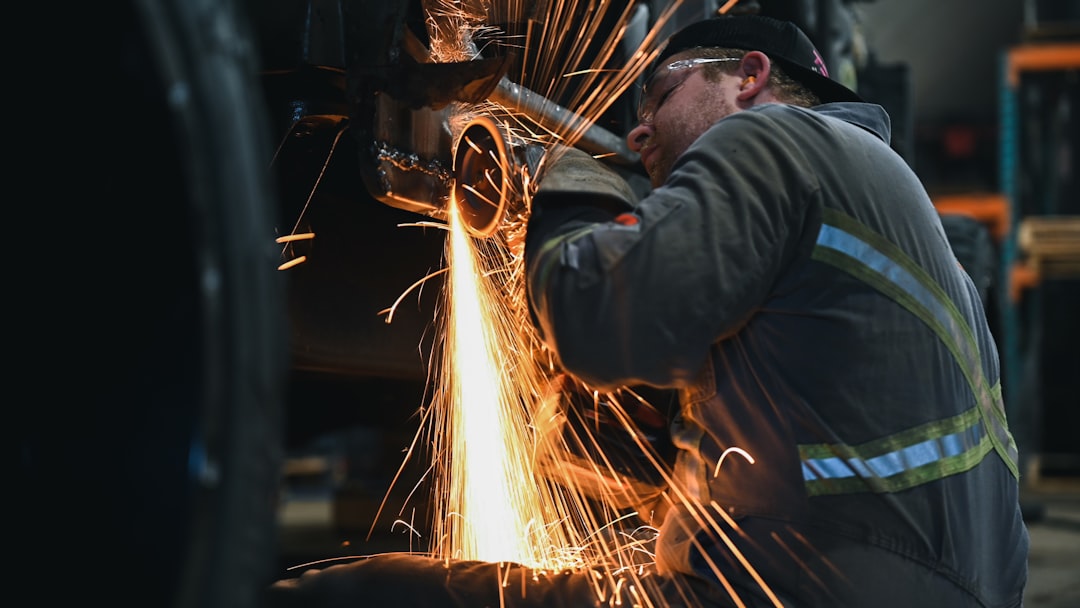
The global industrial landscape currently faces a significant challenge with the escalating shortage of Grain Oriented Electrical Steel (GOES). This specialized material, a cornerstone of electrical infrastructure worldwide, is experiencing unprecedented supply constraints, leading to wide-ranging ramifications across numerous sectors. Understanding the intricacies of this shortage requires an examination of its origins, its impact on vital industries, and the potential strategies for mitigation. This article delves into the complexities of the GOES deficit, outlining its critical implications for manufacturing, energy transmission, and economic stability.
The current scarcity of GOES is not a singular event but rather a confluence of various interconnected factors that have exerted cumulative pressure on an already specialized and limited supply chain.
Production Complexities and Limited Manufacturers
The manufacturing process of GOES is inherently complex, demanding precise control over crystalline structure to achieve the desired magnetic properties. This
specialization restricts the number of producers globally, creating a concentrated market.
Specialized Manufacturing Processes
GOES production involves multiple stages, including specific rolling techniques, annealing in a controlled atmosphere, and precise surface treatments. Deviation from these parameters can result in inferior magnetic properties, rendering the steel unsuitable for its intended applications. This complexity necessitates highly specialized equipment and expert personnel, acting as a significant barrier to entry for potential new manufacturers. The capital investment required to establish a GOES production facility is substantial, further limiting the number of global players.
Geographic Concentration of Manufacturers
A small number of countries, primarily in Asia and Europe, dominate GOES production. This geographic concentration makes the global supply chain vulnerable to localized disruptions, whether they be political, economic, or environmental. Issues in any of these key manufacturing hubs can have cascading effects worldwide. This concentration also grants significant market power to the existing producers, influencing pricing and availability.
Surging Global Demand
Concurrent with the production limitations, global demand for GOES has witnessed a substantial surge, driven by several macro-economic and technological trends.
Infrastructure Development and Renewable Energy Expansion
Rapid urbanization and industrialization in emerging economies necessitate massive investments in electrical infrastructure, including power transformers, which are primary consumers of GOES. Simultaneously, the global push towards renewable energy sources like wind and solar power requires new grid infrastructure and specialized transformers, further amplifying GOES demand. Each new solar farm or wind turbine installation often requires corresponding transformer capacity to integrate the generated power into the existing grid.
Electrification of Transportation
The accelerating transition to electric vehicles (EVs) and electrified public transport systems (e.g., high-speed trains, electric buses) contributes significantly to GOES demand. While not directly used in EV motors, GOES is critical in the charging infrastructure and the wider electrical grid supporting EV adoption. The rapid growth projections for EV sales over the coming decade suggest a sustained increase in demand for GOES to support this transformation.
Data Center Expansion
The digital age is characterized by an insatiable demand for data processing and storage, leading to a proliferation of data centers globally. These facilities are enormous consumers of electricity and rely heavily on robust power distribution networks within their architecture, incorporating numerous transformers and chokes that utilize GOES. As the digital economy expands, so too does the need for GOES to power its foundations.
Raw Material and Energy Cost Volatility
The production of GOES is energy-intensive and relies on specific raw materials, the prices of which have been subject to considerable volatility, adding another layer of complexity to the supply situation.
Silicon and Iron Ore Price Fluctuations
Silicon, a crucial alloying element in GOES, and iron ore, the primary raw material for steel production, have experienced significant price swings in recent years. These fluctuations directly impact the production cost of GOES, which is then passed on to consumers. Uncertainty in raw material pricing can also lead to more cautious production planning by manufacturers, further constraining supply.
Energy Price Spikes
The high-temperature rolling and annealing processes involved in GOES manufacturing consume substantial amounts of electricity and natural gas. Global energy price spikes, driven by geopolitical events or supply-demand imbalances, directly increase production costs and can incentivize temporary production slowdowns or halts when margins become unviable. This sensitivity to energy markets makes GOES production particularly vulnerable to macroeconomic shocks.
The ongoing shortage of grain-oriented electrical steel has raised significant concerns within the manufacturing sector, particularly affecting the production of transformers and electric motors. A related article that delves deeper into the implications of this shortage and its impact on the energy sector can be found at Real Lore and Order. This piece explores the challenges faced by manufacturers and the potential long-term effects on renewable energy initiatives as the demand for efficient electrical components continues to rise.
Impact on Key Industries
The GOES shortage is akin to a throttle on a globally interconnected engine, slowing down vital sectors and creating bottlenecks across the industrial spectrum.
Power and Distribution Transformer Manufacturing
The most direct and immediate impact of the GOES shortage is felt within the power and distribution transformer manufacturing industry. These transformers, essential for transmitting and distributing electricity, are the largest consumers of GOES.
Production Delays and Backlogs
Transformer manufacturers are facing unprecedented production delays, with lead times for new transformers extending significantly. Orders that once took months to fulfill now require over a year, causing a ripple effect throughout the electrical infrastructure supply chain. This directly impedes the ability to expand and upgrade grids, hindering economic development and sustainability initiatives.
Increased Costs for Utilities and Consumers
The scarcity of GOES drives up its price, which is then absorbed by transformer manufacturers and ultimately passed on to utility companies and, subsequently, end-consumers. This translates into higher electricity costs and increased financial burdens for infrastructure projects. Utilities may delay essential upgrades due to budget constraints, potentially compromising grid reliability.
Compromised Grid Modernization and Resilience
The ability of electric utilities to modernize aging infrastructure and enhance grid resilience against extreme weather events or cyber threats is severely hampered. Without timely access to new and replacement transformers, efforts to transition to smart grids or integrate more renewable energy become protracted and costly. This threatens national energy security and environmental goals.
Renewable Energy Sector
The global push for renewable energy sources is intrinsically linked to GOES availability, as these technologies depend on robust and efficient electrical infrastructure.
Hindrance to Wind and Solar Farm Development
Large-scale wind and solar farms require significant numbers of step-up transformers to connect their output to the main grid. The GOES shortage directly impacts the delivery schedule of these transformers, delaying the commissioning of new renewable energy projects and slowing down the transition away from fossil fuels. This presents a direct challenge to climate change mitigation efforts.
Impairment of Energy Storage Solutions
While not a direct component of batteries, GOES is crucial for the transformers and converters used in grid-scale energy storage systems. These systems are essential for stabilizing grids with high penetrations of intermittent renewable energy. Delays in their deployment due to transformer shortages will hinder the effective integration of renewables.
Electric Vehicle Charging Infrastructure
The rapid expansion of electric vehicles requires a commensurate build-out of charging infrastructure, which, in turn, depends on a healthy supply of GOES.
Slowdown in Charging Station Deployment
Each EV charging station, especially fast-charging hubs, relies on intricate power electronics and transformers to convert and deliver electricity efficiently. A shortage of GOES can delay the manufacturing of these components, slowing the deployment of critical charging infrastructure and potentially impeding EV adoption rates. The growth of the EV market relies heavily on accessible and reliable charging.
Impact on Grid Capacity for EV Integration
The widespread adoption of EVs places increasing demands on the electrical grid. Upgrades to distribution transformers and substations are often necessary to accommodate this increased load. The GOES shortage directly impacts the ability of grid operators to make these essential upgrades in a timely manner, creating potential localized grid strains and limitations on EV charging capacity.
Strategic Responses and Mitigation Efforts
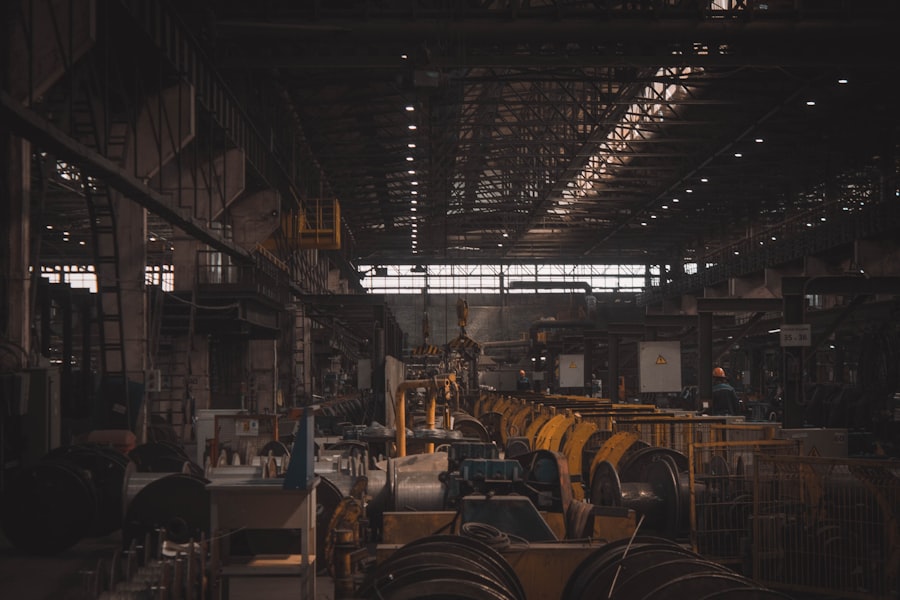
Addressing the GOES shortage requires a multi-pronged approach involving innovation, supply chain diversification, and governmental support.
Investment in Production Capacity Expansion
One of the most direct solutions is to increase the global production capacity of GOES. However, this is a long-term strategy given the significant capital investment and technical expertise required.
Government Incentives for Manufacturers
Governments could offer incentives such as tax breaks, subsidies, or R&D grants to existing GOES manufacturers to expand their production lines or to new entrants willing to establish production facilities. This would help de-risk the investment for these companies and accelerate capacity growth. Such incentives could be tied to commitments for local or regional supply.
Collaborative Research for Novel Production Methods
Investment in research and development to explore novel, less energy-intensive, or more cost-effective methods of producing GOES, or alternative materials with comparable magnetic properties, is crucial. This could yield a breakthrough that fundamentally alters the supply landscape. Industry consortia and academic partnerships could play a vital role here.
Supply Chain Diversification and Resilience
Reducing reliance on a concentrated supplier base is paramount to building a more resilient GOES supply chain.
Long-term Contracts and Supplier Relationships
Key consumers of GOES, such as transformer manufacturers and utilities, are increasingly entering into long-term supply agreements with multiple GOES producers. This strategy aims to secure future supply and reduce vulnerability to disruptions from any single supplier. Building strong, strategic relationships with suppliers is becoming a competitive advantage.
Development of Regional Supply Chains
Encouraging the establishment of GOES production facilities in diverse geographic regions could help decentralize the supply chain. This would reduce the impact of localized geopolitical tensions, natural disasters, or trade disputes on global supply. Regional self-sufficiency, even partially, can offer significant resilience.
Innovation in Material Science and Design
Technological advancements offer pathways to reduce GOES dependency or optimize its use.
Research into Alternative Core Materials
While GOES is currently unparalleled for high-efficiency transformers, research into alternative magnetic core materials with comparable performance or cost-effectiveness is ongoing. Amorphous metals, for example, offer high efficiency, but currently face different manufacturing and cost challenges. Continuous innovation in materials science holds long-term promise.
Design Optimization for Reduced GOES Consumption
Engineers are exploring new transformer designs that require less GOES while maintaining or improving efficiency. This could involve optimizing core geometries, developing new winding techniques, or integrating advanced cooling systems that allow for more compact designs. Even incremental reductions in GOES per transformer can collectively save substantial amounts.
The Long-Term Outlook
The GOES shortage is not a fleeting issue but a structural challenge demanding sustained attention and strategic foresight. The implications extend far beyond immediate manufacturing bottlenecks, touching upon global energy security, climate goals, and economic stability.
Sustained Pressure on Pricing
Even with mitigation efforts, it is likely that GOES pricing will remain elevated compared to historical levels for the foreseeable future. The lead times for expanding production capacity are long, and global demand is projected to continue its upward trajectory. This sustained pressure on pricing will necessitate strategic procurement and budgeting by GOES consumers.
Reinforcement of Energy Transition Challenges
The shortage exacerbates the complexities of the global energy transition. Delays in grid upgrades and renewable energy projects ripple through national carbon reduction targets. The speed at which GOES supply can stabilize will directly influence the pace of decarbonization efforts worldwide, acting as a potential bottleneck to climate action.
Geopolitical Considerations
As a critical material, GOES production and supply are increasingly becoming a geopolitical consideration. Nations recognize the strategic importance of reliable electrical infrastructure and may seek to secure domestic or regionally diversified GOES production to safeguard their energy security and economic interests. This could lead to trade policies or investment strategies aimed at shoring up national GOES capabilities.
In conclusion, the Grain Oriented Electrical Steel shortage is a complex industrial challenge, born from intricate manufacturing processes, soaring global demand, and volatile external factors. Its impact reverberates throughout the power, renewable energy, and electric vehicle sectors, threatening to slow down critical infrastructure development and impede climate change mitigation efforts. Addressing this scarcity requires a concerted global effort, encompassing strategic investments in production, diversification of supply chains, and continuous innovation in materials science and engineering. The world’s electrical backbone, silently working in the background, is under stress, and proactive measures are essential to ensure its continued strength and resilience. The efficiency of GOES is not just an engineering metric; it is a fundamental pillar supporting modern civilization. Its scarcity, therefore, is a call to action for industries and governments worldwide.
FAQs
What is grain oriented electrical steel?
Grain oriented electrical steel is a type of steel specifically processed to have its grains aligned in a particular direction. This alignment improves its magnetic properties, making it ideal for use in transformers and other electrical devices.
Why is there a shortage of grain oriented electrical steel?
The shortage of grain oriented electrical steel can be attributed to increased demand from the electrical and energy sectors, supply chain disruptions, raw material scarcity, and production capacity limitations in steel manufacturing facilities.
How does the shortage of grain oriented electrical steel impact industries?
The shortage affects industries reliant on transformers and electrical equipment by causing delays in production, increased costs for materials, and potential slowdowns in infrastructure projects related to power distribution and renewable energy.
What measures are being taken to address the shortage?
Manufacturers and suppliers are increasing production capacity, seeking alternative raw materials, optimizing supply chains, and investing in research to improve steel processing efficiency to mitigate the shortage.
Can alternative materials replace grain oriented electrical steel?
While some alternative materials exist, such as non-oriented electrical steel or advanced composites, they generally do not match the magnetic efficiency of grain oriented electrical steel, making them less suitable for many transformer applications.