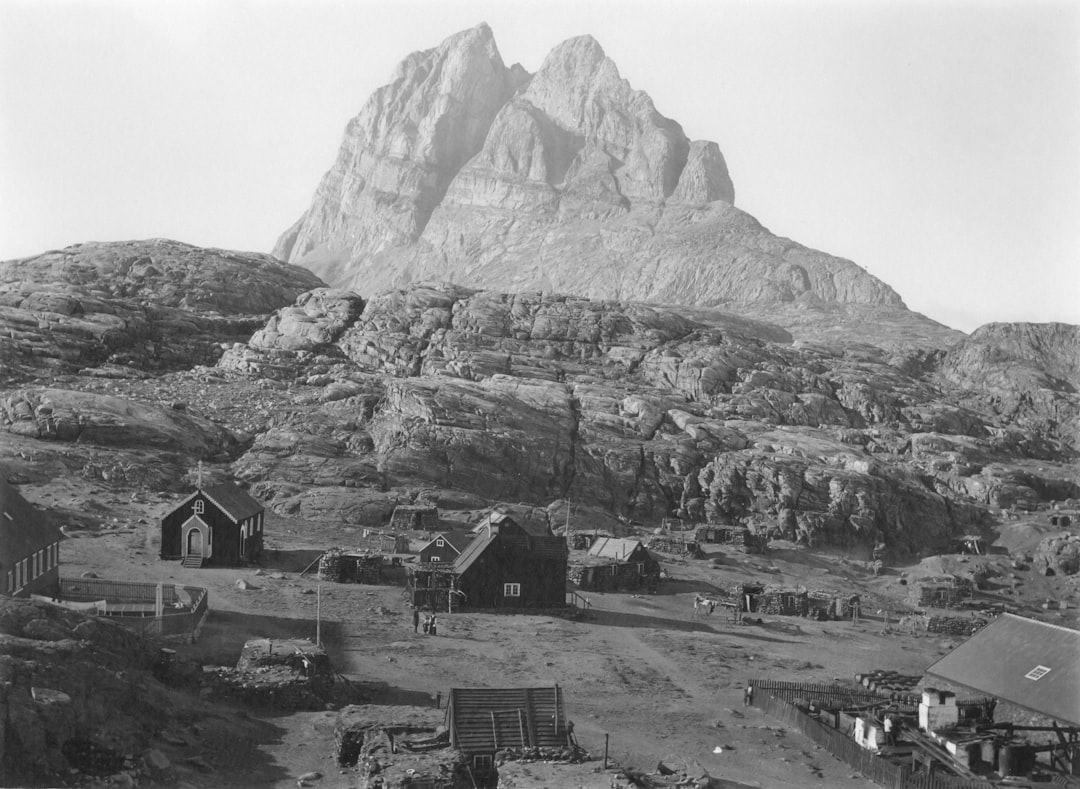
Greenland, a land of stark beauty and strategic importance, finds itself at the epicenter of a burgeoning resource rush. Beneath its vast ice sheets and rugged terrain lie deposits of critical minerals, rare earth elements, and hydrocarbons, drawing the covetous gaze of global powers. This mineral wealth, once an untapped potential, is now the catalyst for a complex interplay of economic ambition, environmental concern, and geopolitical maneuvering, fueling growing tensions both domestically and internationally.
Greenland’s geological makeup, a remnant of ancient continental collisions, has bestowed upon it an extraordinary abundance of valuable resources. The melting of its ice cap, a grim consequence of climate change, paradoxically reveals these hidden treasures, opening up new frontiers for exploration and extraction.
Critical Minerals and Rare Earth Elements
The demand for critical minerals and rare earth elements (REEs) has skyrocketed with the global transition to renewable energy and advanced technologies. These elements are indispensable components in electric vehicles, wind turbines, solar panels, and sophisticated electronics.
- Neodymium and Praseodymium: Essential for powerful magnets in electric motors.
- Dysprosium and Terbium: Crucial for high-performance electronics and lasers.
- Lanthanum and Cerium: Used in catalysis and polishing applications.
Greenland’s potential to supply these vital resources offers a strategic advantage to any nation or consortium that secures access, potentially disrupting established supply chains currently dominated by China.
Hydrocarbon Reserves
Beyond critical minerals, significant hydrocarbon reserves, particularly oil and natural gas, are believed to lie beneath Greenland’s offshore waters. While global efforts aim to transition away from fossil fuels, the immediate need for energy security continues to drive exploration.
- West Greenland Basins: Geological surveys indicate promising oil and gas prospects.
- Environmental Concerns: Extraction raises significant environmental risks, given the sensitive Arctic ecosystem.
The economic implications of a successful oil and gas industry in Greenland could be transformative, offering unprecedented revenue streams for the self-governing territory. However, the environmental costs remain a formidable hurdle.
The recent surge in mining activities in Greenland has sparked rising tensions among various stakeholders, including environmental groups, indigenous communities, and international investors. As the demand for rare earth minerals continues to grow, the implications of these mining projects are becoming increasingly complex. For a deeper understanding of the challenges and controversies surrounding this issue, you can read the related article at this link.
The Quest for Economic Independence
For decades, Greenland has navigated a delicate path towards greater autonomy from Denmark, its former colonial power. The prospect of substantial resource revenues presents a tangible pathway to full economic independence, a deeply held aspiration for many Greenlanders.
Danish Financial Support
Greenland currently receives a significant block grant from Denmark, which constitutes a substantial portion of its annual budget. This financial lifeline, while crucial for public services, is also viewed by some as an impediment to complete self-determination.
- Subsidy’s Impact: Supports education, healthcare, and infrastructure.
- Dependence vs. Autonomy: Creates a tension between financial stability and political independence.
The drive to reduce reliance on Danish subsidies is a powerful motivator behind the push for mining and resource extraction.
Job Creation and Infrastructure Development
Mining projects promise not only direct revenue but also substantial job creation and infrastructure development, which are sorely needed in a territory with a sparse population and challenging geography.
- Local Employment: Potential for training and employing Greenlandic citizens in high-skill roles.
- Transportation Networks: Development of ports, roads, and airfields to support mining operations.
These developments could transform the quality of life for many Greenlanders, providing economic opportunities that have historically been limited. However, concerns about the impact on traditional livelihoods, such as fishing and hunting, persist.
Environmental Quandaries: A Delicate Balancing Act
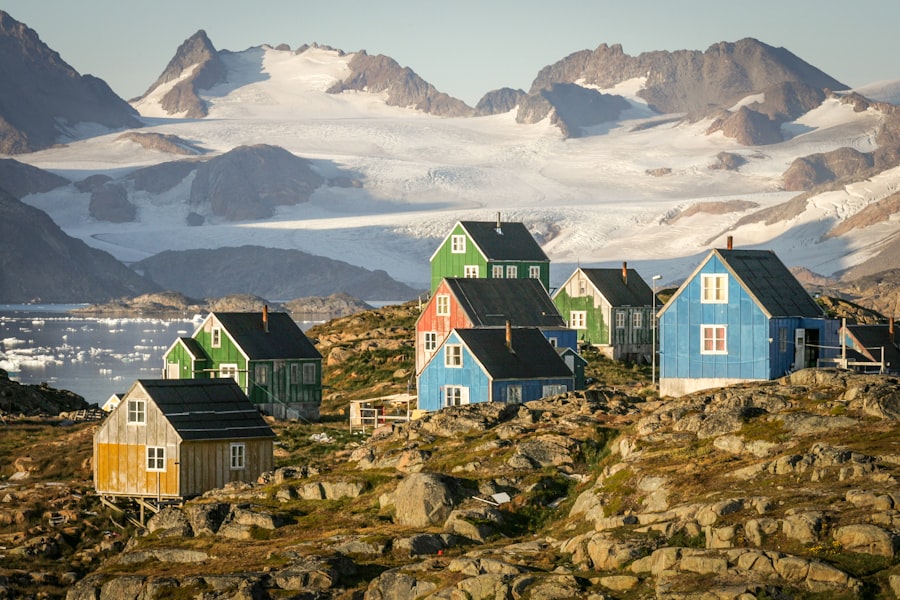
The Arctic is a particularly fragile ecosystem, especially vulnerable to the impacts of industrial activity. The prospect of large-scale mining operations in Greenland raises profound environmental concerns that are fiercely debated.
Impact on Arctic Ecosystems
Mining activities, particularly open-pit operations and tailing disposal, can have devastating effects on the pristine Arctic environment.
- Permafrost Thaw: Disturbance of permafrost can release potent greenhouse gases and destabilize infrastructure.
- Water Contamination: Runoff from mining sites can pollute freshwater sources and marine environments, affecting fish stocks and other wildlife.
- Biodiversity Loss: Habitat destruction and pollution threaten unique Arctic flora and fauna, including polar bears, seals, and migratory birds.
These ecological risks are not merely abstract; they directly impact the traditional way of life and food security of indigenous communities.
Climate Change Acceleration
While the extraction of critical minerals is framed as essential for the green energy transition, the mining process itself can be carbon-intensive, potentially contributing to further climate change.
- Energy Consumption: Extracting and processing minerals require significant energy, often from fossil fuels.
- Methane Emissions: Disturbance of permafrost can release trapped methane, a powerful greenhouse gas.
The paradox of extracting resources to combat climate change, while simultaneously contributing to it through the extraction process, is a central dilemma.
Geopolitical Chessboard: International Interests Converge
Greenland’s strategic location, coupled with its vast resource potential, has transformed it into a focal point of geopolitical interest, drawing the attention of global powers eager to secure access and influence.
US and Chinese Interests
Both the United States and China view Greenland through a prism of strategic competition, each aiming to exert influence for different but overlapping reasons.
- US Arctic Strategy: Focuses on countering potential Russian and Chinese expansion in the Arctic, ensuring strategic access, and maintaining regional stability.
- Chinese “Polar Silk Road”: China seeks to diversify its supply chains for critical minerals and establish new maritime trade routes, with Greenland playing a crucial role.
The competition between these two economic behemoths creates a complex diplomatic landscape for Greenland.
European Union’s Role
The European Union, seeking to diversify its critical mineral supply chains away from China, also views Greenland as a potential partner.
- Greenland as a Supply Source: Reduces dependence on a single supplier, enhancing economic resilience.
- Environmental Standards: The EU emphasizes adherence to high environmental and social standards in resource extraction.
The delicate balance between these competing interests places Greenland in a unique, and sometimes precarious, position.
The recent surge in mining activities in Greenland has sparked rising tensions among various stakeholders, particularly concerning environmental impacts and indigenous rights. This situation is further explored in a related article that delves into the complexities of resource extraction in the region. For more insights on this pressing issue, you can read the full analysis in the article available at Real Lore and Order. As the demand for minerals increases globally, the balance between economic development and environmental preservation becomes increasingly precarious.
Navigating the Future: Tensions and Choices
| Metric | Value | Details |
|---|---|---|
| Estimated Mineral Reserves | 59 billion tons | Includes rare earth elements, uranium, and iron ore |
| Annual Mining Output Growth | 15% | Growth rate over the past 5 years |
| Number of Active Mining Projects | 12 | Projects currently in operation or development |
| Foreign Investment Increase | 30% | Increase in foreign direct investment in mining sector |
| Local Employment in Mining | 2,500 | Number of Greenland residents employed in mining |
| Environmental Protests | 8 | Number of protests recorded in the last year |
| Diplomatic Tensions | High | Reported between Greenland, Denmark, and other nations |
The path forward for Greenland is fraught with difficult choices, balancing the promise of economic prosperity with environmental stewardship and the preservation of cultural heritage.
Indigenous Rights and Traditional Livelihoods
Greenland’s indigenous Inuit population has a deep connection to the land and sea, with traditional livelihoods heavily reliant on the health of the Arctic environment. Any large-scale mining project has the potential to disrupt these practices significantly.
- Consultation and Consent: The importance of obtaining free, prior, and informed consent from local communities.
- Compensation and Benefit Sharing: Ensuring that indigenous communities receive tangible benefits and are adequately compensated for any adverse impacts.
Ignoring these considerations risks social unrest and the erosion of cultural identity, creating long-term instability.
Regulatory Framework and Governance
Developing a robust and transparent regulatory framework is paramount to ensuring responsible mining practices and maximizing benefits for Greenland.
- Environmental Impact Assessments: Strict requirements for comprehensive environmental impact assessments before project approval.
- Revenue Management: Establishing transparent mechanisms for managing mining revenues to prevent corruption and ensure equitable distribution.
- International Cooperation: Collaboration with international bodies and experts to develop best practices for Arctic resource development.
The ability of Greenland’s nascent government to effectively oversee these complex projects will be a crucial determinant of success. The stakes are immense, not just for Greenland, but for the entire world. As the ice recedes, revealing Greenland’s hidden riches, it simultaneously exposes a crucible of global ambitions, environmental imperatives, and the enduring human quest for autonomy and prosperity. The tensions arising from this mining boom are not merely a distant geopolitical drama; they are a fundamental test of humanity’s capacity to balance progress with preservation, and to navigate a future where resources are increasingly scarce and the health of our planet hangs in the balance. The choices made on this vast, icy island will reverberate far beyond its shores, shaping not just its destiny, but contributing to the trajectory of our interconnected world.
FAQs
What is causing the surge in mining activities in Greenland?
The surge in mining activities in Greenland is primarily driven by the increasing global demand for rare earth minerals and other valuable resources found in the region, such as iron ore, zinc, and uranium. Melting ice due to climate change has also made previously inaccessible areas more reachable for mining operations.
Why are mining activities in Greenland leading to rising tensions?
Mining activities in Greenland are causing rising tensions due to concerns over environmental impacts, the rights and livelihoods of indigenous communities, and geopolitical interests. Different countries and corporations are competing for access to Greenland’s resources, which has led to disputes and increased strategic interest in the region.
Which minerals are most sought after in Greenland’s mining sector?
The most sought-after minerals in Greenland include rare earth elements, iron ore, zinc, uranium, and other critical minerals essential for technology and renewable energy industries.
How is the Greenland government responding to the increase in mining?
The Greenland government is actively promoting mining as a key part of its economic development strategy, seeking to balance economic benefits with environmental protection and social responsibility. It has implemented regulations and frameworks to manage mining activities and attract foreign investment while addressing local concerns.
What are the environmental concerns related to mining in Greenland?
Environmental concerns include potential damage to fragile Arctic ecosystems, pollution from mining operations, disruption to wildlife habitats, and the impact of increased human activity in previously pristine areas. There are also worries about how mining might accelerate ice melt and contribute to climate change effects.