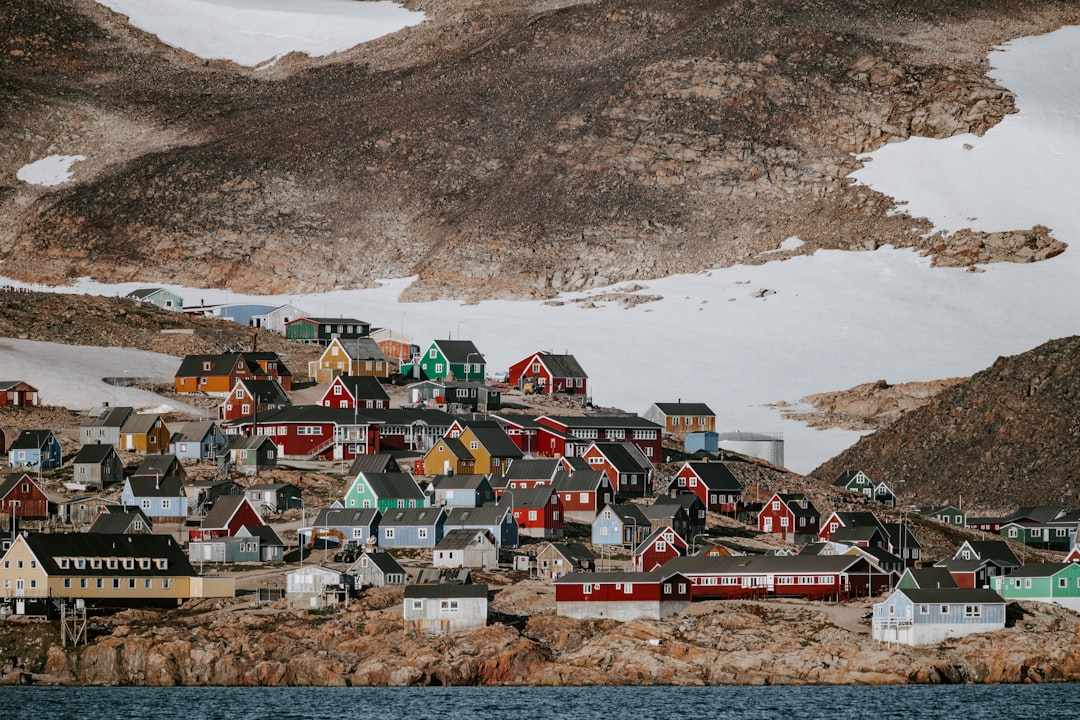
Greenland, the world’s largest island, a territory often cast in the popular imagination as a remote, ice-bound wilderness, is undergoing a seismic shift beneath its frozen exterior. For millennia, its immense ice sheet has held sway, defining its geography and shaping the lives of its indigenous Inuit population. Now, however, the allure of vast, untapped mineral resources is igniting an economic boom, simultaneously sparking a complex web of geopolitical and environmental tensions. This article delves into the multifaceted challenges and opportunities arising from Greenland’s burgeoning mining sector, exploring the intricate interplay of economic aspirations, environmental concerns, and the delicate balance of international relations.
The melting of Greenland’s ice sheet, a stark indicator of global climate change, has inadvertently served as an unveiling mechanism. Previously inaccessible land is now exposed, revealing geological formations rich in some of the world’s most sought-after minerals. The very phenomenon that threatens global coastlines is simultaneously presenting a new frontier for resource extraction, a poignant irony that underpins much of the current discourse.
A Treasure Trove Beneath the Ice
Greenland’s geological landscape is a veritable catalogue of critical minerals. Deposits of rare earth elements (REEs), essential for modern electronics, electric vehicles, and renewable energy technologies, are particularly abundant. These elements, though not inherently rare in the Earth’s crust, are dispersed in economically unviable concentrations across much of the globe. Greenland, however, boasts significant concentrations, making it a potentially crucial player in global supply chains. Beyond REEs, the island is also rich in uranium, iron ore, zinc, lead, and potentially even gold and diamonds. The scale of these deposits is immense, prompting a flurry of interest from international mining companies.
The Lure of Economic Self-Sufficiency
For Greenland, a semi-autonomous territory within the Kingdom of Denmark, these mineral riches represent a potential pathway to greater economic independence. Currently, the economy is heavily reliant on fishing and a substantial annual block grant from Denmark. This grant, colloquially known as “bloktilskud,” accounts for a significant portion of the national budget, acting as a financial umbilical cord to Copenhagen. The prospect of substantial mineral revenues offers a tantalizing vision of a future where Greenland can stand on its own economic footing, exercising greater self-determination. This is not merely an economic aspiration; it is deeply intertwined with national identity and the long-held goal of full independence.
The recent surge in mining activities in Greenland has sparked rising tensions among various stakeholders, including environmentalists, local communities, and international investors. As the demand for rare earth minerals continues to grow, the implications of this mining boom are becoming increasingly complex. For a deeper understanding of the dynamics at play, you can read a related article that explores the environmental and social impacts of this mining surge in detail. Check it out here: Greenland Mining Surge: Rising Tensions and Environmental Concerns.
Environmental Crossroads: A Fragile Ecosystem Under Threat
The allure of economic prosperity is inextricably linked to formidable environmental challenges. Greenland’s pristine wilderness, a haven for unique biodiversity and a barometer of global climate change, stands at a critical juncture. The scale of proposed mining operations and their potential environmental footprint are a source of profound concern for both local communities and international environmental organizations.
The Specter of Contamination
Mining operations, by their very nature, involve significant earth moving, the use of chemicals, and the generation of waste. The processing of rare earth elements, in particular, often involves the use of acids and other hazardous substances. The potential for acid mine drainage, water contamination from tailing ponds, and dust pollution are all serious considerations. Greenland’s delicate Arctic environment, with its slow ecological recovery rates and susceptible permafrost, amplifies these risks. A single contamination event could have cascading and long-lasting effects on local ecosystems, impacting marine life, terrestrial flora and fauna, and the traditional fishing and hunting practices that sustain many Inuit communities.
Impact on Indigenous Livelihoods
For millennia, the Inuit people have thrived in harmony with their Arctic environment, their culture and livelihoods intrinsically linked to the land and sea. Fishing, hunting, and reindeer herding are not merely economic activities; they are integral to their cultural identity and ancestral knowledge. Large-scale mining projects, often requiring significant infrastructure development, including roads, ports, and power plants, can disrupt traditional hunting grounds, migration routes, and access to fishing areas. The potential for social disruption, cultural erosion, and the imposition of a wage-based economy on communities accustomed to a subsistence lifestyle are significant and often overlooked consequences. Understanding these potential impacts is crucial for any responsible development.
Geopolitical Chessboard: Greenland as a Strategic Hotspot
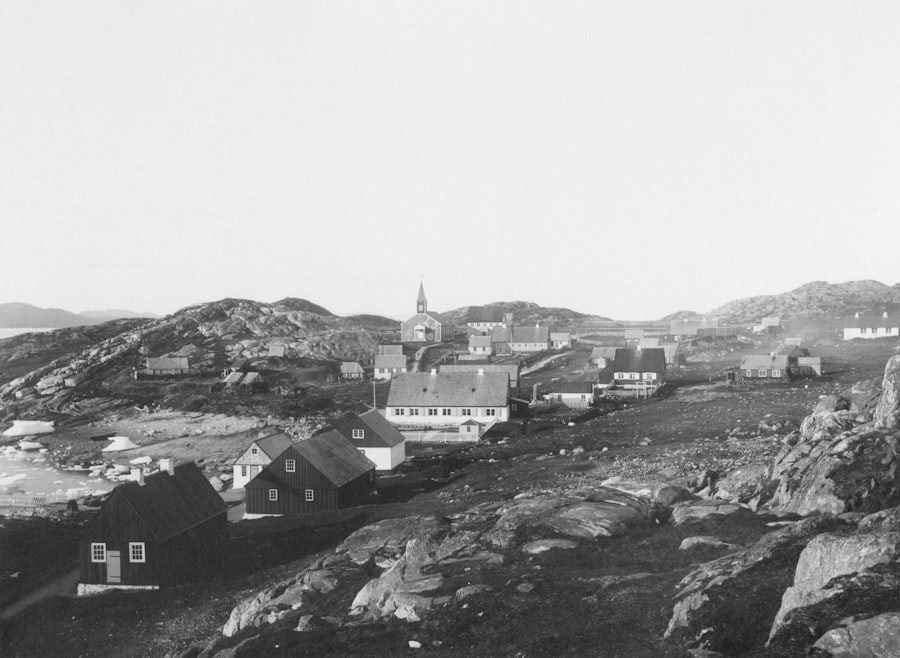
Greenland’s geographical location, perched between North America and Europe, has long endowed it with strategic importance, especially during the Cold War. In the 21st century, as Arctic ice recedes and new shipping routes potentially open, its strategic significance is once again ascending, particularly in the context of critical mineral supply chains and great power competition.
The Scramble for Rare Earths
The global demand for rare earth elements is projected to surge in the coming decades, driven by the green energy transition and technological advancements. China currently dominates the global supply chain, controlling a significant portion of rare earth production and processing. This near-monopoly has raised concerns in Western nations about supply security and the potential for geopolitical leverage. Greenland, with its substantial REE deposits, offers a potential avenue for diversification and a means to reduce reliance on Chinese sources. This has predictably attracted the attention of global powers, turning Greenland into a focal point in the international competition for critical minerals.
A Balancing Act: Denmark, Greenland, and Foreign Investment
The relationship between Greenland and Denmark is a constantly evolving dynamic. While Denmark retains sovereignty over foreign policy and defense, Greenland exercises considerable autonomy in domestic affairs, including resource management. This arrangement creates a complex decision-making framework when it comes to large-scale foreign investments in mining. Greenland wishes to attract investment to bolster its economy, but Denmark also has strategic interests in maintaining stability and ensuring responsible development, especially as global powers like China and the United States eye the territory. Greenland’s government finds itself in a delicate balancing act, navigating between the desire for economic independence and the need to maintain strong diplomatic ties, all while carefully vetting potential foreign investors.
The Role of Local Voices: Empowering Communities
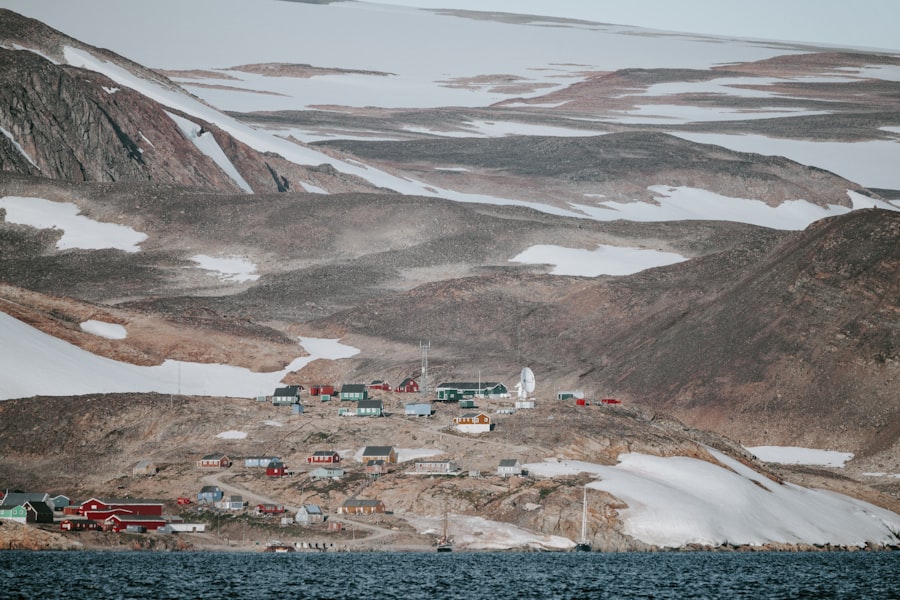
Amidst the grand narratives of economic development and geopolitical maneuvering, the voices of local communities – the very people who will bear the most direct consequences of mining operations – are paramount. Their perspectives, concerns, and aspirations must be at the forefront of any sustainable development strategy.
Navigating the Promises and Pitfalls of Development
For many communities in Greenland, the prospect of mining brings a mix of hope and apprehension. On one hand, mining promises jobs, infrastructure improvements, and increased tax revenues – a potential lifeline in often remote and underserved regions. On the other hand, there are palpable fears of environmental degradation, social disruption, and the influx of foreign workers potentially overwhelming small settlements. The decision to embrace or resist mining often divides communities, highlighting the need for comprehensive and transparent consultation processes. It is crucial for communities to be fully informed about the potential benefits and risks, allowing them to make decisions based on accurate information rather than vague promises or unfounded fears.
The Importance of Free, Prior, and Informed Consent
International best practices and indigenous rights frameworks emphasize the principle of Free, Prior, and Informed Consent (FPIC) before any development project proceeds on indigenous lands. This means that communities must be consulted adequately, have access to all relevant information in an accessible format, and have the right to withhold their consent without coercion. For Greenland’s Inuit population, whose ancestral lands are the focus of much of the mining interest, ensuring FPIC is not merely a legal formality but a moral imperative. Without genuine consent, mining projects risk exacerbating existing social inequalities and fueling resentment, ultimately undermining the long-term viability of the projects themselves.
The recent surge in mining activities in Greenland has sparked rising tensions among various stakeholders, as environmental concerns clash with economic ambitions. This complex situation is further explored in a related article that delves into the implications of increased resource extraction in the region. For more insights on this topic, you can read the full article here. As the debate continues, it remains crucial to consider both the potential benefits and the environmental costs associated with such developments.
The Path Forward: Balancing Prosperity and Preservation
| Metric | Value | Details |
|---|---|---|
| Number of Active Mining Projects | 15 | Includes rare earth elements, iron ore, and uranium mining sites |
| Annual Mineral Production (tons) | 500,000 | Estimated total output from Greenland mines in 2023 |
| Increase in Mining Investment (2020-2023) | 35% | Growth in foreign and domestic investment in mining sector |
| Number of International Stakeholders | 8 | Countries and companies involved in Greenland mining operations |
| Reported Environmental Incidents | 4 | Incidents related to mining activities causing ecological concerns |
| Local Community Protests | 3 | Protests recorded in response to mining expansion and environmental impact |
| Government Regulation Updates | 2 | New policies introduced to manage mining and environmental protection |
| Estimated Mineral Reserves (tons) | 10,000,000 | Known reserves of key minerals in Greenland |
Greenland stands at a pivotal moment in its history, grappling with the profound implications of its mineral wealth. The path forward is not a simple one, demanding a delicate balance between the undeniable opportunities for economic growth and the imperative to protect a fragile environment and the distinct culture of its indigenous people.
The Need for Robust Regulatory Frameworks
To navigate this complex terrain, Greenland requires robust and transparent regulatory frameworks that govern all aspects of mining. This includes stringent environmental impact assessments, clear guidelines for waste management and remediation, comprehensive social impact assessments, and enforceable commitments to community benefits. The regulatory regime must be capable of adapting to the unique challenges of the Arctic environment and ensuring compliance from international companies, which often operate across jurisdictions with varying standards. Furthermore, institutional capacity must be built within Greenland to effectively monitor and enforce these regulations, a task that demands significant investment in human resources and expertise.
Investing in Sustainable Diversification
While mining offers a significant economic opportunity, an over-reliance on a single industry can create vulnerabilities. The price of minerals is subject to global market fluctuations, and the boom-and-bust cycle common to resource extraction can be destabilizing. Therefore, alongside responsible mining development, Greenland must continue to invest in diversifying its economy. This includes strengthening its traditional sectors like fishing and tourism, exploring opportunities in renewable energy, and fostering a knowledge-based economy. Diversification would provide a buffer against market volatility, create a broader range of employment opportunities, and ultimately lead to a more resilient and sustainable economic future. This holistic approach ensures that prosperity is broadly shared and not solely dependent on the finite resources beneath the ice.
A Beacon for Responsible Resource Development
Greenland’s journey through this mining boom holds significant lessons for the global community. As the world increasingly seeks critical minerals for the green energy transition, the challenges faced by Greenland serve as a microcosm of broader ethical and environmental debates. Can resource development be genuinely sustainable? Can indigenous rights be upheld while simultaneously pursuing economic prosperity? Greenland has the potential to become a beacon for responsible resource development, demonstrating how a small nation, facing immense pressure and opportunity, can navigate these complex waters with integrity and foresight. Its success, or indeed its struggles, will undoubtedly resonate far beyond its icy shores, offering valuable insights into the future of resource extraction in a rapidly changing world. The decisions made today on this vast, ice-covered island will echo for generations to come, shaping not only Greenland’s destiny but potentially influencing the global paradigm of sustainable development.
FAQs
What is causing the surge in mining activities in Greenland?
The surge in mining activities in Greenland is primarily driven by the increasing global demand for rare earth minerals and other valuable resources found in the region. Melting ice due to climate change has also made previously inaccessible areas more reachable for mining operations.
Which minerals are predominantly being mined in Greenland?
Greenland is rich in minerals such as rare earth elements, uranium, zinc, iron ore, and gold. Rare earth elements are particularly significant due to their use in electronics, renewable energy technologies, and defense industries.
Why are mining activities in Greenland leading to rising tensions?
Mining activities in Greenland have led to rising tensions due to environmental concerns, disputes over land rights, and geopolitical interests. The involvement of foreign companies and governments has also heightened strategic competition in the Arctic region.
How is the Greenland government responding to the mining surge?
The Greenland government is actively promoting mining to boost its economy and reduce dependence on Denmark. It is working on regulatory frameworks to manage mining projects while attempting to balance economic benefits with environmental protection and indigenous rights.
What are the environmental impacts associated with increased mining in Greenland?
Increased mining in Greenland poses risks such as habitat disruption, pollution, and increased greenhouse gas emissions. The fragile Arctic ecosystem is particularly vulnerable, and mining activities can accelerate ice melt and affect local wildlife and communities.