
Here is an article about the Newgrange Solstice Chamber and its management, written in the third person with a factual style.
Harnessing Energy: Newgrange Solstice Chamber Management
Understanding the Phenomenon
The passage tomb at Newgrange, a megalithic monument on Ireland’s east coast, stands as a testament to the astronomical knowledge and engineering prowess of its Neolithic builders. At its heart lies a meticulously constructed passage and chamber, designed to align with a singular, powerful celestial event: the winter solstice sunrise. For approximately 17 minutes each year, around December 21st, a beam of sunlight penetrates the narrow opening of the passage and illuminates the back of the central chamber. This remarkable feat of ancient calendrical and spatial engineering has captivated scholars and the public for centuries, prompting ongoing research into its construction, purpose, and the potential methods employed by its creators to ensure its precise operation. The management of this phenomenon, therefore, involves a complex interplay of scientific understanding, archaeological preservation, and visitor experience, ensuring that this ancient spectacle can continue to be observed and studied while safeguarding its integrity.
Recent discussions around ancient structures and their alignment with celestial events have sparked interest in energy management practices, particularly in relation to Newgrange’s solstice chamber. This prehistoric site not only demonstrates remarkable architectural ingenuity but also raises questions about how ancient cultures harnessed natural energy. For a broader perspective on how modern companies are adapting their energy strategies in response to global shifts, you can read an insightful article on this topic at Exploring the Shift: Companies Flocking to Mexico from China.
The Mechanics of Illumination
The alignment of Newgrange with the winter solstice sunrise is not a matter of chance, but a deliberate act of design. The builders, who were active around 3200 BCE, possessed a sophisticated understanding of celestial movements and the Earth’s orbital path. The passage, oriented approximately 51.5 degrees northeast, acts as a conduit, carefully angled to capture the low-angled winter sun. The precise dimensions of the passage, along with the placement of the large kerbstones surrounding the mound, suggest a deliberate construction process aimed at achieving this specific astronomical alignment.
The Passage’s Role
The concave roof of the passage, constructed from precisely fitted slabs, channels the light inwards. The width and height of the passage are carefully controlled to allow the sunbeam to enter and travel its considerable length of 19 meters. Any deviation in its angle or dimensions would render the system ineffective. Archaeological investigations have revealed subtle modifications to the passage’s internal surfaces, possibly aimed at refining the light’s trajectory over time.
The Chamber’s Reception
At the end of the passage lies the cruciform chamber, a tripartite space where the solstice light reaches its destination. The back of the chamber, the focus of the illumination, is a crucial element. The smooth, light-colored quartz lining this area would have amplified the incoming sunlight, making it more visible against the darkness of the tomb. The geometric arrangement of the orthostats (upright stones) forming the chamber itself further contributes to the diffusion and reception of the light.
The Winter Solstice Sunrise
This specific astronomical event is significant because it marks the shortest day and longest night of the year. From a calendrical perspective, it represents a turning point, the re-emergence of light and the promise of longer days to come. The Neolithic people, heavily reliant on agricultural cycles, would have keenly observed and marked such significant astronomical events. The illumination of the chamber during the solstice sunrise can be interpreted as a powerful symbolic act, a ritualistic harnessing of the sun’s returning power.
Modern Management Strategies
The enduring legacy of Newgrange necessitates a robust and multifaceted management approach to ensure its preservation and accessibility for future generations. As a UNESCO World Heritage Site, it is subject to international standards of heritage management. The primary goal is to balance the desire for public engagement with the imperative of protecting the delicate archaeological fabric of the monument. This balance is akin to walking a tightrope, where each step must be carefully considered to avoid disrupting the ancient structure.
Visitor Access and Control
Managing the flow of visitors, particularly during the limited solstice period, is a critical aspect of protecting the site. Access to the passage and chamber is strictly controlled to prevent overcrowding and physical stress on the monument. Visitors typically gain access through a lottery system, ensuring that the experience is shared while minimizing the impact on the interior. This controlled access is like a finely tuned irrigation system, delivering water to a thirsty plant without inundating it.
Archaeological Preservation and Monitoring
Ongoing archaeological research and monitoring are fundamental to understanding and safeguarding Newgrange. This includes regular surveys, material analysis, and the implementation of conservation measures to address any signs of deterioration. The ancient stones, like a weathered sailor, have endured millennia, and require careful observation and occasional mending.
Interpretation and Education
Effective interpretation and education are vital for visitors to appreciate the significance of Newgrange. Informative displays, guided tours, and educational programs aim to convey the scientific, cultural, and historical importance of the monument, fostering a sense of stewardship among the public. This educational component acts as a lens, bringing the intricate details of the past into sharp focus.
The Lottery System: A Gatekeeper of Light
The operationalization of visitor access to witness the solstice phenomenon at Newgrange is managed through a highly regulated lottery system. This system is designed to be equitable, providing opportunities for a wide range of individuals to experience this unique event, while critically managing the number of people present within the confined space of the passage and chamber.
Principles of Equitable Access
The lottery aims to offer a fair chance to all who wish to participate. Applications are typically accepted online and through other designated channels, with successful applicants being chosen randomly. This lottery acts as a democratic arbiter, distributing a rare commodity – a glimpse of the solstice light – to those who express interest.
Managing Environmental Impact
The primary driver behind the lottery system is the need to minimize the environmental impact on the ancient monument. The passage and chamber are fragile environments, and large numbers of people can contribute to increased humidity, temperature fluctuations, and physical wear on the stonework. By limiting the number of visitors, the system directly mitigates these risks.
The Solstice Spectacle: A Limited Audience
The actual experience of witnessing the solstice sunrise within the chamber is a highly sought-after event. The small group of individuals selected through the lottery represent a privileged audience, granted a direct connection to the ancient builders’ intentions. This exclusivity, while limiting, is essential for the preservation of the site.
The Newgrange solstice chamber, renowned for its alignment with the winter solstice, has sparked interest not only in its historical significance but also in its potential for energy management. Researchers are exploring how ancient structures like Newgrange can inform modern sustainable practices. For those intrigued by ancient architecture and its mysteries, a fascinating article discusses the secrets of ancient palace ruins and their relevance to contemporary energy solutions. You can read more about it in this insightful piece here.
Research and Conservation: The Vigil of the Guardians
The ongoing study and preservation of Newgrange are crucial for its long-term survival and for unlocking further secrets of its construction and purpose. A dedicated team of archaeologists, conservationists, and scientists constantly monitors the monument, employing a range of techniques to ensure its integrity. This group acts as the vigilant guardians of a timeless treasure.
Geophysical Surveys and Non-Invasive Techniques
Geophysical surveys, such as ground-penetrating radar, are employed to map the subsurface features of Newgrange without disturbing the archaeological layers. These techniques provide invaluable insights into the monument’s construction and surrounding landscape, like X-rays that reveal the hidden skeleton of the structure.
Material Science and Deterioration Analysis
Understanding the materials used in the construction of Newgrange is fundamental to its conservation. Scientists analyze the stone types, their geological origins, and their susceptibility to environmental factors such as weathering and erosion. This analysis allows for targeted conservation efforts, treating the stones with the specific care they require.
Structural Integrity Monitoring
Regular inspections and monitoring for signs of structural instability are paramount. Changes in moisture levels, temperature, and physical stress can all impact the ancient stonework. Advanced monitoring systems, including sensors, can help detect subtle shifts and alert conservators to potential issues before they become serious problems. This proactive approach is like a doctor performing regular check-ups to catch ailments early.
The Future of Newgrange’s Illumination
The continued management of Newgrange’s solstice illumination requires a forward-thinking approach, anticipating future challenges and opportunities. The monument exists within a dynamic environment, and its preservation will necessitate ongoing adaptation and innovation. The future is a landscape perpetually shifting, and Newgrange must be navigated with foresight.
Climate Change Considerations
As climate change leads to altered weather patterns and increased environmental pressures, the management strategies for Newgrange will need to adapt. Changes in rainfall, temperature, and humidity could all impact the monument’s stability. This necessitates a proactive approach to understanding and mitigating these potential threats.
Technological Advancements in Monitoring and Preservation
Emerging technologies in areas like drone-based surveying, advanced imaging, and digital modeling offer new possibilities for monitoring and understanding Newgrange. These tools can provide detailed, non-invasive data, aiding in both research and conservation efforts. This is akin to equipping a skilled artisan with ever-sharper tools.
Sustaining Public Engagement and Stewardship
Ensuring that future generations develop a deep appreciation for Newgrange is crucial for its continued protection. Educational initiatives that harness new media and interactive platforms can foster a sense of global stewardship. The goal is to ensure that the stories and significance of this ancient site are passed down, like a precious inheritance, to all who follow. By effectively managing the public’s connection to this extraordinary monument, we can continue to learn from its builders and ensure that the solstice light at Newgrange shines for millennia to come.
WATCH NOW ▶️ WARNING: Why Tesla’s Energy Tower Was Really Destroyed
FAQs
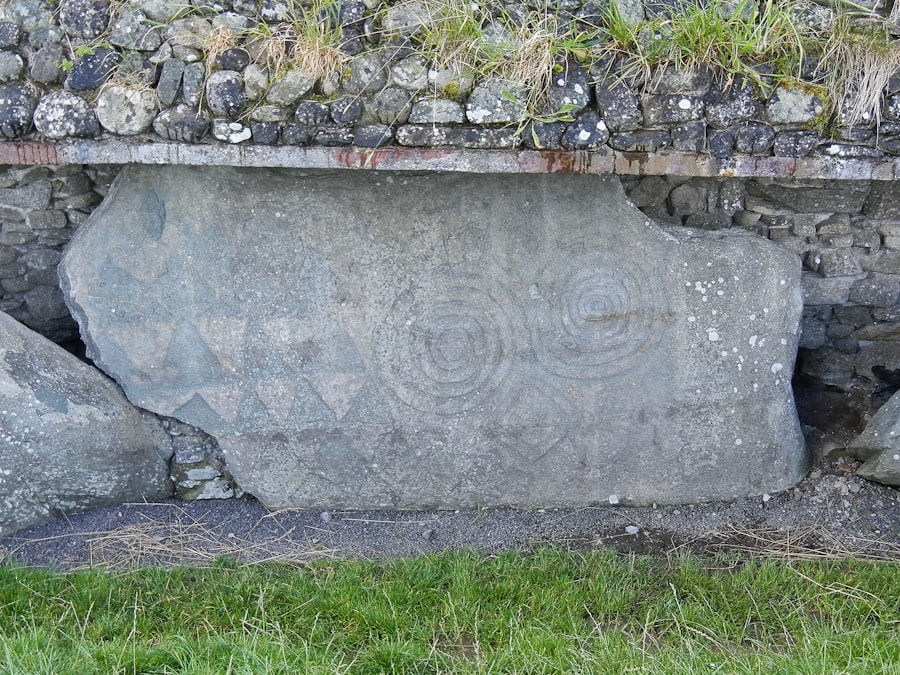
What is the Newgrange Solstice Chamber?
The Newgrange Solstice Chamber is an ancient passage tomb located in County Meath, Ireland. It is famous for its alignment with the rising sun during the winter solstice, when sunlight illuminates the inner chamber.
How does the solstice alignment work at Newgrange?
During the winter solstice, sunlight enters through a specially designed roof box above the entrance and travels down the passage to light up the inner chamber. This event lasts for about 17 minutes at dawn.
What is the significance of energy management in the Newgrange Solstice Chamber?
Energy management in this context refers to the way the structure harnesses and directs natural solar energy during the solstice. The design maximizes the use of sunlight to illuminate the chamber, demonstrating advanced understanding of solar energy by its builders.
How was the Newgrange Solstice Chamber constructed to manage solar energy?
The chamber was constructed with precise architectural features, including the roof box and passage orientation, to capture and channel sunlight during the solstice. The materials and design help reflect and distribute light within the chamber efficiently.
Can the solstice illumination be observed every year at Newgrange?
Yes, the solstice illumination occurs annually around December 21st. However, due to limited space inside the chamber, access is often restricted and usually requires a lottery or special permission to witness the event in person.