
The world is currently experiencing a significant helium shortage, affecting multiple industries. Helium, with its unique properties as a noble gas, plays a crucial role in medical technologies, scientific research, and entertainment applications. This scarcity has sparked serious concerns as industries that depend on helium for critical operations face increasing challenges.
The shortage impacts essential services from healthcare procedures to technological development. The helium crisis represents a complex, long-term problem stemming from several factors including geopolitical tensions, market volatility, and environmental concerns. As global demand for helium continues to increase, supply chains are struggling to meet requirements, resulting in price increases and reduced availability.
The causes of this shortage, its wide-ranging sectoral impacts, and potential mitigation strategies require thorough examination to address this growing resource challenge.
Key Takeaways
- Helium shortage is driven by limited natural reserves and increased global demand.
- The medical industry faces challenges due to helium’s critical role in MRI machines and other technologies.
- Helium scarcity impacts technological research, affecting fields like electronics and space exploration.
- Economic consequences include rising costs and supply chain disruptions worldwide.
- Efforts to mitigate the shortage focus on recycling, alternative materials, and international cooperation.
Causes of Helium Shortage
Several factors contribute to the ongoing helium shortage, with one of the primary reasons being the depletion of natural gas reserves that contain helium. Helium is often extracted as a byproduct during natural gas production, and as these reserves dwindle, so does the availability of helium. The United States has historically been the largest supplier of helium, but many of its major sources have begun to run dry.
This depletion has created a ripple effect in the global market, leading to increased competition for the remaining supplies. Another significant factor is the geopolitical landscape surrounding helium production. Political instability in regions rich in natural gas reserves can disrupt supply chains and create uncertainty in the market.
For instance, countries like Qatar and Algeria have substantial helium resources, but their political climates can affect their ability to export this vital resource. Additionally, the privatization of helium resources in the U.S. has led to a more market-driven approach, which can exacerbate shortages as companies prioritize profit over long-term sustainability.
Impact on Medical Industry

The medical industry is one of the most heavily impacted sectors due to the helium shortage. Helium is crucial for various medical applications, particularly in magnetic resonance imaging (MRI) machines. These machines rely on superconducting magnets that require helium to maintain their low operating temperatures.
As the availability of helium diminishes, hospitals and medical facilities face challenges in maintaining their MRI equipment, leading to potential delays in patient care and diagnostic procedures. Moreover, the shortage can hinder research and development in medical technologies. Many innovative treatments and diagnostic tools depend on helium for their functionality.
As researchers grapple with limited access to this essential resource, the pace of medical advancements may slow down significantly. This situation raises concerns about the long-term implications for patient outcomes and the overall quality of healthcare services.
Impact on Technology and Research
Beyond the medical field, the technology sector also feels the repercussions of the helium shortage. Helium is integral to various high-tech applications, including fiber optics manufacturing and semiconductor production. The cooling properties of helium make it indispensable in these processes, and without a stable supply, manufacturers may struggle to meet production demands.
This could lead to delays in product launches and increased costs for consumers. In scientific research, particularly in fields like physics and materials science, helium plays a vital role in experiments that require ultra-low temperatures. The shortage threatens not only ongoing research projects but also future discoveries that could have far-reaching implications for technology and society.
Economic Implications of Helium Shortage
| Metric | Current Value | Details |
|---|---|---|
| Global Helium Supply | ~180 million cubic meters/year | Reduced due to production cuts and geopolitical issues |
| Helium Demand Growth | 5-7% annually | Driven by medical imaging, electronics, and research sectors |
| Price Increase (Past 12 months) | ~30% | Due to supply constraints and increased demand |
| Major Supply Disruptions | 2-3 key facilities offline | Maintenance and geopolitical tensions affecting output |
| Estimated Shortage Duration | 12-18 months | Until new production facilities come online |
The economic implications of the helium shortage are profound and multifaceted. As demand outstrips supply, prices for helium have surged dramatically, impacting industries that rely on this resource. Companies are faced with increased operational costs, which can lead to higher prices for consumers.
This inflationary pressure can ripple through various sectors, affecting everything from healthcare costs to consumer electronics. Furthermore, the helium shortage poses challenges for businesses that depend on long-term contracts and stable pricing.
The volatility associated with helium pricing can deter investment in industries reliant on this resource, potentially stunting growth and innovation.
Environmental Concerns
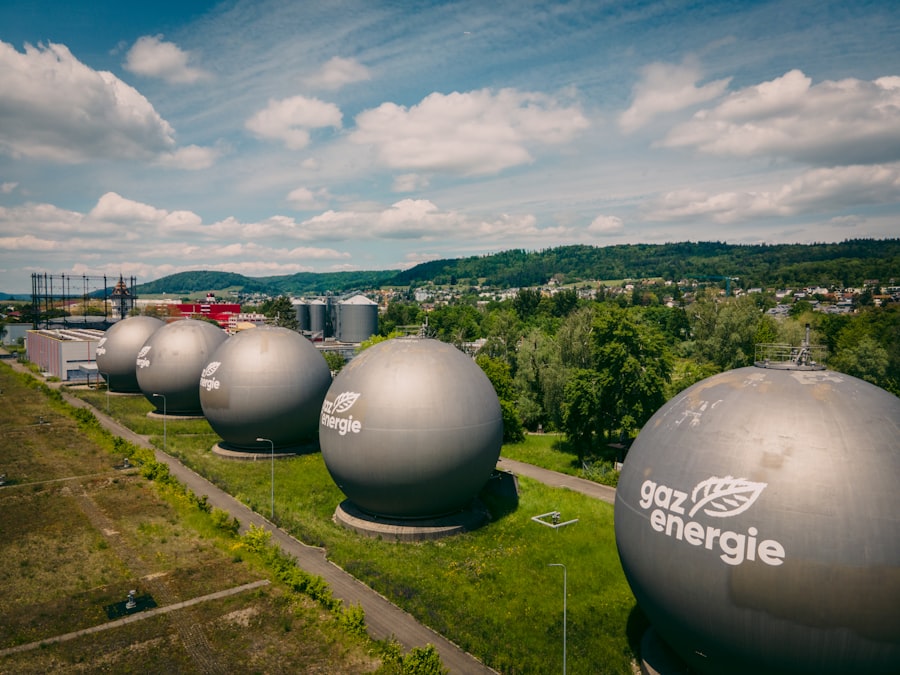
The environmental implications of helium extraction and usage are also noteworthy in discussions about the ongoing shortage. While helium itself is non-toxic and does not contribute to greenhouse gas emissions, its extraction often involves processes that can have detrimental effects on local ecosystems. Natural gas extraction methods can lead to habitat destruction and water contamination if not managed responsibly.
Moreover, as industries seek alternatives to mitigate the effects of the helium shortage, there is a risk that they may turn to less environmentally friendly options. For instance, some companies might resort to using gases that have higher carbon footprints or other negative environmental impacts. This shift could undermine efforts to promote sustainability and combat climate change, highlighting the need for responsible resource management as part of any solution to the helium crisis.
Efforts to Address the Helium Shortage
In response to the growing concerns surrounding the helium shortage, various stakeholders are taking steps to address the issue. Governments and private companies are investing in research aimed at finding new sources of helium or developing technologies that reduce reliance on this resource. For example, some researchers are exploring methods for extracting helium from natural gas fields more efficiently or even capturing it from the atmosphere.
Additionally, there is a push for recycling helium within industries that use it extensively. By implementing systems that capture and reuse helium rather than allowing it to escape into the atmosphere, companies can significantly reduce their consumption of this finite resource. Such initiatives not only help alleviate shortages but also promote sustainability within industries that rely on helium.
Future Outlook for Helium Supply
The future outlook for helium supply remains uncertain as demand continues to rise while traditional sources dwindle. Experts predict that without significant investment in new extraction technologies or alternative sources, shortages may persist or even worsen in the coming years. However, there is hope that ongoing research and development efforts will yield innovative solutions that can stabilize supply chains.
Moreover, as awareness of the helium crisis grows, there may be increased collaboration between governments, industries, and researchers aimed at addressing this challenge collectively. By fostering partnerships and sharing knowledge across sectors, stakeholders can work towards a more sustainable approach to managing helium resources.
Alternatives to Helium
As industries grapple with the implications of a helium shortage, exploring alternatives becomes increasingly important. Some applications currently reliant on helium may find substitutes that can perform similar functions without depleting finite resources. For instance, certain cooling technologies could potentially utilize other gases or materials that do not carry the same scarcity issues as helium.
However, transitioning to alternatives is not always straightforward; many technologies have been specifically designed around helium’s unique properties. Therefore, while exploring alternatives is essential, it must be approached with careful consideration of performance requirements and potential trade-offs.
Global Perspective on Helium Shortage
The helium shortage is not confined to any single region; it is a global issue that affects countries around the world. While some nations possess significant reserves of helium, others are entirely dependent on imports to meet their needs. This disparity creates challenges in international trade dynamics and highlights the importance of global cooperation in addressing resource management.
Countries rich in natural gas reserves must recognize their role in ensuring a stable supply of helium while balancing environmental concerns associated with extraction practices. Collaborative efforts among nations can lead to more sustainable approaches to resource management and help mitigate the impacts of shortages on various industries.
Conclusion and Call to Action
In conclusion, the ongoing helium shortage presents a multifaceted challenge with far-reaching implications across numerous sectors. From healthcare to technology and economic stability, the effects of this crisis are felt globally. As stakeholders navigate this complex landscape, it is crucial to prioritize sustainable practices and invest in innovative solutions that can alleviate shortages while protecting the environment.
A collective call to action is necessary—governments, industries, researchers, and consumers must work together to address this pressing issue. By fostering collaboration and promoting responsible resource management, society can ensure a more stable future for helium supply while continuing to advance technological progress and improve quality of life across the globe.
The ongoing helium shortage has raised concerns across various industries, from medical applications to party supplies. For a deeper understanding of the implications and current developments surrounding this issue, you can read a related article on the topic at this link.
📌WATCH THIS! The Gas War: Why 3 Countries Control Your Hospital’s Future
FAQs
What is causing the current helium shortage?
The current helium shortage is primarily due to increased global demand, limited production capacity, and disruptions in supply chains. Helium is a finite resource extracted from natural gas fields, and geopolitical issues, as well as maintenance shutdowns at key production facilities, have contributed to reduced availability.
Why is helium important?
Helium is essential for various applications including medical imaging (MRI machines), scientific research, manufacturing of semiconductors, cooling of nuclear reactors, and in the aerospace industry. Its unique properties, such as being inert and having the lowest boiling point of any element, make it irreplaceable in many technologies.
How long is the helium shortage expected to last?
The duration of the helium shortage depends on factors such as new production projects coming online, improvements in recycling technologies, and changes in demand. Some experts predict the shortage could persist for several years, while others anticipate relief as new sources are developed and supply chains stabilize.
Are there any alternatives to helium?
In some applications, alternatives like nitrogen or hydrogen can be used, but they often do not match helium’s unique properties, especially in critical uses like MRI cooling or scientific research. Efforts are ongoing to find or develop substitutes, but currently, helium remains largely irreplaceable in many fields.
What is being done to address the helium shortage?
To address the shortage, governments and companies are investing in new helium extraction projects, improving recycling and conservation methods, and developing strategic reserves. International cooperation and better management of existing helium supplies are also key strategies being implemented.
How does the helium shortage affect consumers?
For most consumers, the helium shortage has minimal direct impact. However, industries relying on helium may face increased costs, which can indirectly affect prices of products and services such as medical imaging or electronics. Additionally, helium balloon availability and prices may be affected in the retail market.
Where does most of the world’s helium come from?
The majority of the world’s helium is extracted from natural gas fields in countries like the United States, Qatar, Algeria, and Russia. The U.S. has historically been the largest producer, with the Federal Helium Reserve playing a significant role in supply management.
Can helium be recycled?
Yes, helium can be recycled, especially in industrial and medical applications. Recycling helps conserve helium resources and reduce the impact of shortages. However, recycling processes can be costly and are not always implemented universally.