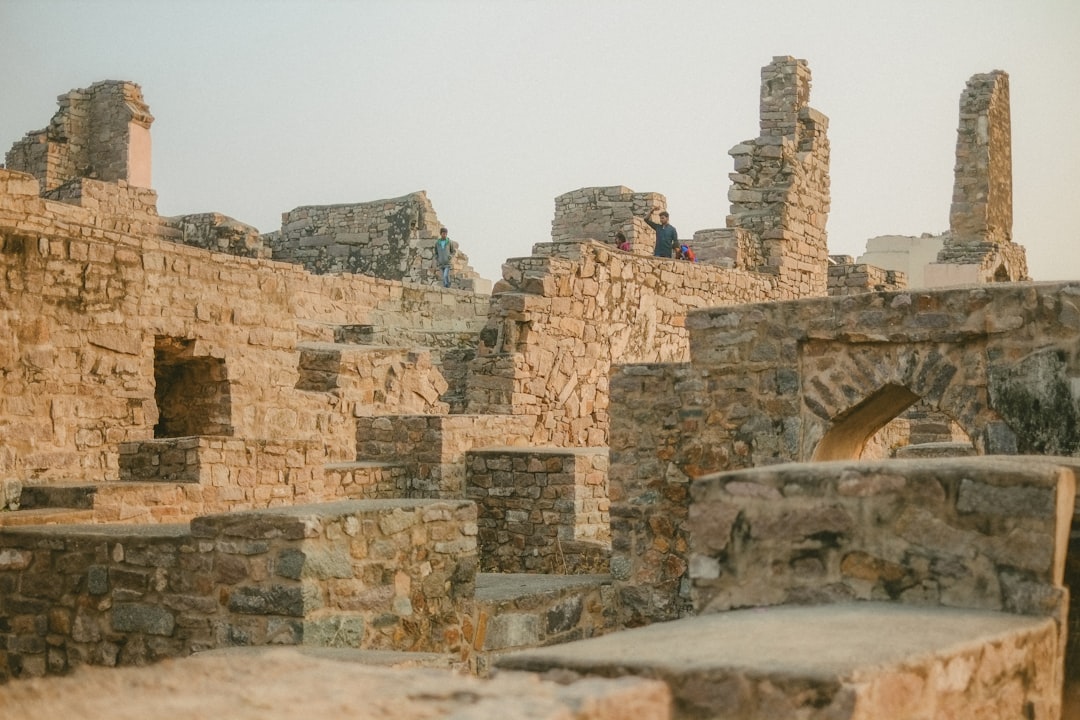
The Himyar Kingdom, a significant ancient civilization, flourished in the southern Arabian Peninsula from around the 2nd century BCE until the 6th century CE. This kingdom emerged as a powerful entity in the region, characterized by its rich culture, advanced agricultural practices, and strategic location. The Himyarites were known for their remarkable achievements in trade, governance, and architecture, which laid the foundation for their influence over the surrounding territories.
The kingdom’s capital, Zafar, became a hub of political and economic activity, attracting merchants and travelers from far and wide. The Himyar Kingdom’s rise to prominence was not merely a result of its geographical advantages but also stemmed from its ability to adapt and innovate. The Himyarites developed a complex society that integrated various cultural influences, which contributed to their resilience and strength.
As they navigated the challenges of their time, the Himyar Kingdom established itself as a formidable power in the region, particularly through its control of trade routes that connected the Arabian Peninsula with Africa and beyond.
Key Takeaways
- The Himyar Kingdom strategically controlled the Red Sea trade route, boosting its economic and political power.
- Dominance over the trade route facilitated significant cultural exchange between Africa, Arabia, and beyond.
- The kingdom’s control led to increased wealth and influence in the region during its peak.
- Challenges such as external invasions and internal strife contributed to the decline of Himyar’s dominance.
- The Himyar Kingdom’s legacy continues to shape modern understanding of ancient Red Sea trade dynamics.
The Importance of the Red Sea Trade Route
The Red Sea trade route has long been recognized as one of the most vital maritime corridors in history. This route facilitated commerce between the East and West, linking the Mediterranean world with the Indian Ocean. The Himyar Kingdom’s strategic position along this route allowed it to play a crucial role in the exchange of goods, ideas, and cultures.
Spices, textiles, precious metals, and other commodities flowed through this corridor, making it an economic lifeline for many civilizations. The significance of the Red Sea trade route extended beyond mere commerce; it was also a conduit for cultural exchange. As merchants traversed these waters, they brought with them not only goods but also knowledge, religious beliefs, and artistic influences.
The Himyarites capitalized on this dynamic environment, fostering relationships with neighboring regions and enhancing their own cultural identity. The trade route thus became a melting pot of diverse influences that shaped the Himyar Kingdom’s development.
Himyar Kingdom’s Control of the Red Sea Trade Route
The Himyar Kingdom’s control over the Red Sea trade route was a pivotal factor in its rise to power. By establishing a network of trade agreements and alliances with other regional powers, the Himyarites ensured their dominance over this critical maritime passage. They developed ports and trading posts along the coast, which facilitated the efficient movement of goods and bolstered their economic standing.
This strategic control allowed them to regulate trade activities and impose tariffs on incoming and outgoing shipments. Moreover, the Himyarites were adept at navigating the political landscape of the region. They engaged in diplomacy with neighboring kingdoms and tribes, often using their control of trade as leverage in negotiations.
This ability to wield economic power translated into political influence, enabling the Himyar Kingdom to assert its authority over rival factions. As a result, the kingdom not only thrived economically but also solidified its position as a key player in regional politics.
Economic Impact of Himyar Kingdom’s Dominance
The economic impact of the Himyar Kingdom’s dominance over the Red Sea trade route was profound. The influx of wealth generated by trade allowed for significant advancements in infrastructure and public works within the kingdom. The Himyarites invested in irrigation systems that transformed arid landscapes into fertile agricultural land, leading to increased food production and sustainability.
This agricultural prosperity further fueled trade, as surplus goods could be exchanged for luxury items from distant lands.
The Himyarites became known for their distinctive architectural styles and intricate craftsmanship, which reflected their prosperity and cultural sophistication.
Markets thrived in urban centers like Zafar, where merchants from various backgrounds converged to exchange goods and ideas. This economic vibrancy not only enriched the Himyar Kingdom but also contributed to its reputation as a center of commerce in the ancient world.
Political Influence of Himyar Kingdom’s Dominance
| Metric | Details |
|---|---|
| Time Period | 110 BCE – 525 CE |
| Geographical Location | Southern Arabian Peninsula (modern-day Yemen) |
| Control over Red Sea | Strategic control of southern Red Sea trade routes |
| Key Ports | Mukalla, Qana, and other coastal trading hubs |
| Economic Impact | Dominated incense and spice trade between Arabia, Africa, and the Mediterranean |
| Military Strength | Maintained naval forces to protect trade routes and coastal territories |
| Political Influence | Alliances and conflicts with Aksumite Kingdom and Roman Empire |
| Decline | Conquered by the Aksumite Empire in 525 CE |
The political influence exerted by the Himyar Kingdom was closely tied to its economic power. As trade flourished under their control, so too did their ability to forge alliances and exert influence over neighboring regions. The Himyarites often engaged in strategic marriages and diplomatic negotiations to strengthen their position within the broader geopolitical landscape.
Their control of trade routes provided them with leverage in these interactions, allowing them to dictate terms that favored their interests. Furthermore, the Himyar Kingdom’s political structure was characterized by a centralized authority that enabled effective governance over its territories. The rulers implemented systems of administration that facilitated tax collection and resource management, ensuring that wealth generated from trade was reinvested into the kingdom’s infrastructure and military capabilities.
This strong governance model not only solidified internal stability but also projected power outward, allowing the Himyarites to maintain their dominance in a competitive environment.
Cultural Exchange and Influence
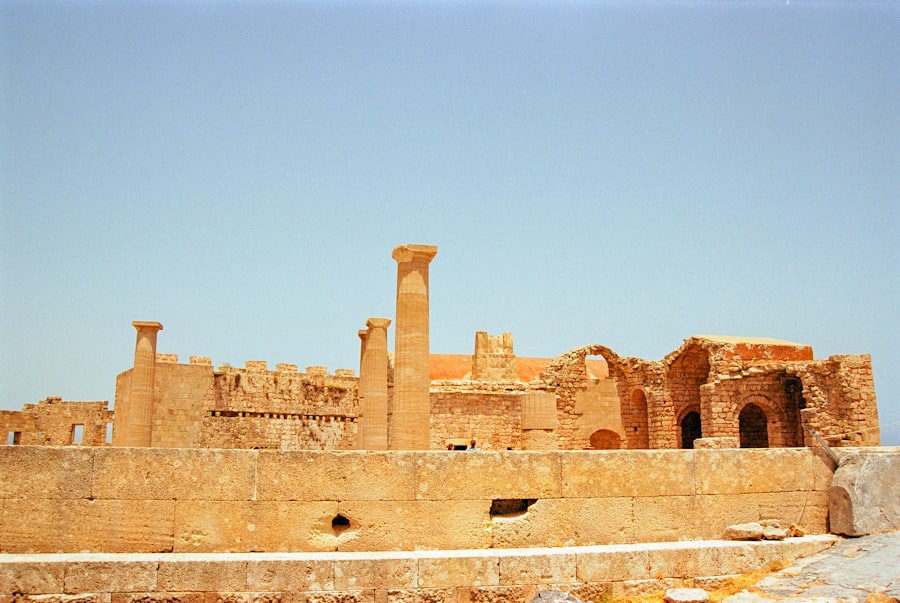
Cultural exchange was a hallmark of the Himyar Kingdom’s interactions with neighboring civilizations along the Red Sea trade route. As merchants and travelers passed through their territory, they brought with them diverse customs, languages, and religious beliefs. The Himyarites were known for their openness to these influences, which enriched their own cultural tapestry.
This blending of traditions fostered a unique identity that distinguished the Himyar Kingdom from its contemporaries. Religious practices also evolved during this period of cultural exchange. The Himyarites initially adhered to polytheistic beliefs but gradually encountered monotheistic religions such as Judaism and Christianity through trade interactions.
This exposure led to significant shifts in religious practices within the kingdom, culminating in periods of religious tolerance and syncretism. The resulting cultural dynamism not only enhanced social cohesion but also positioned the Himyar Kingdom as a crossroads of faiths in the ancient world.
Challenges to Himyar Kingdom’s Dominance
Despite its successes, the Himyar Kingdom faced numerous challenges that threatened its dominance over the Red Sea trade route. Rival kingdoms and tribes sought to undermine Himyarite control by establishing their own trade networks or engaging in military confrontations. The rise of competing powers such as Axum in Ethiopia posed a significant threat to Himyarite interests, as these rivals sought to gain access to lucrative trade routes and resources.
Internal strife also played a role in challenging the stability of the kingdom. Factionalism within the ruling elite sometimes led to power struggles that weakened central authority. Additionally, environmental factors such as droughts or shifts in trade patterns could disrupt agricultural production and economic stability.
These challenges necessitated adaptive strategies from the Himyarites as they navigated an increasingly complex geopolitical landscape.
Decline of Himyar Kingdom’s Control
The decline of the Himyar Kingdom’s control over the Red Sea trade route can be attributed to a combination of external pressures and internal weaknesses. As rival powers gained strength and sought to expand their influence, they increasingly encroached upon Himyarite territories. The Axumite Empire’s rise marked a turning point; it not only challenged Himyarite dominance but also established its own control over key trading ports along the Red Sea.
Internally, political fragmentation weakened the kingdom’s ability to respond effectively to these external threats. Factional disputes among ruling elites led to instability that undermined governance and military effectiveness. Additionally, shifts in trade routes due to changing maritime technologies or geopolitical dynamics further eroded the economic foundation upon which Himyarite power rested.
By the 6th century CE, these cumulative factors contributed to a significant decline in the kingdom’s influence.
Legacy of Himyar Kingdom’s Dominance
The legacy of the Himyar Kingdom’s dominance over the Red Sea trade route is multifaceted and enduring. Its contributions to trade practices set precedents that influenced subsequent civilizations in the region. The kingdom’s sophisticated systems of commerce laid groundwork for future economic networks that would emerge in Arabia and beyond.
Moreover, its cultural exchanges fostered an environment of tolerance and diversity that resonated throughout history. In addition to economic legacies, the architectural achievements of the Himyarites left an indelible mark on subsequent generations. Their distinctive building styles and urban planning principles influenced later civilizations in Arabia and contributed to a rich architectural heritage that can still be observed today.
The blending of cultures during this period also paved the way for future interactions among diverse groups across the Arabian Peninsula.
Modern Perspectives on Himyar Kingdom’s Dominance
In contemporary scholarship, there is renewed interest in understanding the complexities of the Himyar Kingdom’s dominance over the Red Sea trade route. Historians and archaeologists are increasingly recognizing its significance within broader narratives of ancient trade networks and cultural exchanges. Modern research has shed light on how this kingdom navigated challenges while maintaining its influence over centuries.
Furthermore, discussions surrounding globalization often draw parallels between ancient trade routes like those controlled by the Himyarites and contemporary economic systems. The lessons learned from studying such historical dynamics can provide valuable insights into current global interactions and trade practices. As scholars continue to explore this rich history, they contribute to a deeper understanding of how ancient civilizations shaped modern societies.
Himyar Kingdom’s Impact on Red Sea Trade
The impact of the Himyar Kingdom on Red Sea trade was profound and far-reaching. Through its strategic control over vital trade routes, it not only amassed wealth but also fostered cultural exchanges that enriched both its own society and those of neighboring regions. The kingdom’s ability to navigate political complexities while maintaining economic dominance set it apart as a formidable power in antiquity.
As history has shown, empires rise and fall; however, the legacy left by the Himyar Kingdom continues to resonate today. Its contributions to trade practices, cultural exchanges, and architectural innovations have left an indelible mark on subsequent civilizations throughout history. Understanding this legacy allows modern societies to appreciate how ancient interactions shaped contemporary global dynamics—an enduring testament to the significance of trade routes like those traversed by the Himyarites across time.
The Himyar Kingdom, known for its strategic control over the Red Sea trade routes, played a significant role in the ancient economy of the region. This control not only facilitated commerce but also allowed the Himyarites to exert influence over neighboring territories. For a deeper understanding of the historical context and implications of the Himyar Kingdom’s maritime dominance, you can read more in this related article: Real Lore and Order.
WATCH THIS! 🏛️ Empires Didn’t Collapse—They Got Erased: The Pattern Nobody Sees
FAQs
What was the Himyar Kingdom?
The Himyar Kingdom was an ancient kingdom located in the southwestern part of the Arabian Peninsula, primarily in what is now Yemen. It existed from around 110 BCE to 525 CE and was known for its advanced culture and trade networks.
How did the Himyar Kingdom control the Red Sea?
The Himyar Kingdom controlled key ports and trade routes along the Red Sea coast, enabling it to dominate maritime trade between the Mediterranean, Africa, and the Indian Ocean. Their strategic location allowed them to regulate commerce and collect taxes on goods passing through the region.
Why was control of the Red Sea important to the Himyar Kingdom?
Control of the Red Sea was crucial because it was a major maritime trade route connecting the Roman Empire, Africa, and Asia. By controlling this area, the Himyar Kingdom could influence international trade, increase its wealth, and enhance its political power.
What goods were traded through the Himyar Kingdom’s Red Sea ports?
The Himyar Kingdom facilitated the trade of goods such as frankincense, myrrh, spices, textiles, gold, and ivory. These commodities were highly valued in ancient markets across the Mediterranean and Asia.
Did the Himyar Kingdom face any challenges in maintaining control over the Red Sea?
Yes, the Himyar Kingdom faced challenges from rival kingdoms and empires, including the Aksumite Kingdom in Ethiopia and later the Byzantine Empire. These powers competed for influence over the Red Sea trade routes, leading to conflicts and shifting alliances.
What was the impact of Himyar’s Red Sea control on regional history?
The Himyar Kingdom’s control of the Red Sea contributed to the prosperity and cultural development of southern Arabia. It also played a significant role in the spread of religions, ideas, and technologies between Africa, the Middle East, and Asia during antiquity.
How did the Himyar Kingdom’s control of the Red Sea come to an end?
The Himyar Kingdom’s control declined after the Aksumite invasion in the early 6th century CE, which was supported by the Byzantine Empire. This led to the eventual collapse of Himyarite dominance in the region and the rise of new powers controlling the Red Sea trade routes.