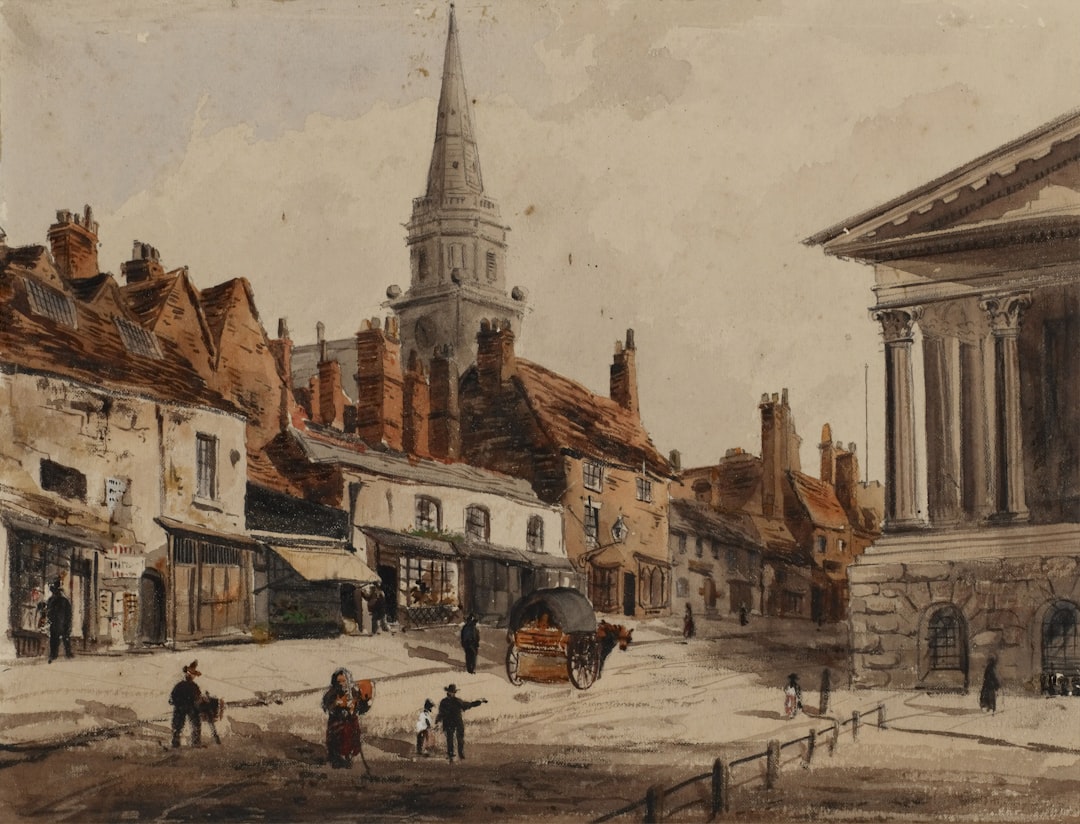
The study of history, often perceived as a chronicle of objective truths, can, upon closer examination, reveal itself to be a complex tapestry woven with threads of fact, interpretation, and at times, deliberate omission. This article explores the notion that history, as it is commonly understood and taught, may contain suppressed narratives and hidden facts, challenging the reader to consider the fluidity and contested nature of historical understanding. Just as an archaeologist meticulously sifts through layers of earth to uncover artifacts, so too must the inquisitive mind probe beneath the surface of established historical accounts to discern alternative perspectives and potentially overlooked truths.
History is not a fixed, immutable entity, but rather a dynamic narrative perpetually subject to re-evaluation. The very act of writing history involves choices: which events to emphasize, which sources to prioritize, and which voices to amplify. These choices are inherently influenced by the prevailing social, political, and cultural contexts of the historian.
The Role of Power in Narrative Formation
Historically, those in positions of power have often wielded significant influence over the construction and dissemination of historical narratives. Empires, nation-states, and dominant ideologies frequently shape historical accounts to legitimize their authority, glorify their achievements, and demonize their adversaries. This process can lead to the suppression of inconvenient truths or the distortion of events to align with a particular agenda. Consider, for example, the official histories produced by victorious powers after major conflicts; these narratives frequently cast a favorable light on their own actions while portraying the defeated as inherently culpable.
The Problem of Survivorship Bias
Historical records are rarely comprehensive. The documents, artifacts, and oral traditions that survive often do so because they were preserved by dominant groups or through sheer serendipity. This creates a survivorship bias, where the perspectives and experiences of marginalized or conquered populations may be underrepresented or entirely absent. Imagine a library where only books published by the ruling elite are curated; the literary landscape, in such a scenario, would be severely skewed.
The Evolving Nature of Historical Interpretation
As new evidence emerges, archaeological discoveries are made, and historiographical methodologies evolve, previous understandings of historical events can be challenged and revised. What was once considered an established fact may, through rigorous re-examination, be revealed as an interpretation or even an error. The re-evaluation of figures such as Christopher Columbus, once celebrated unequivocally as a discoverer, now often includes a critical lens focusing on the devastation wrought upon indigenous populations.
In exploring the theme of how history can often be manipulated or misrepresented, one might find the article titled “The Hidden Truths of Our Past” particularly enlightening. This piece delves into various instances where historical narratives have been altered or suppressed, shedding light on the importance of questioning accepted facts. For further reading, you can access the article here: The Hidden Truths of Our Past.
The Suppression of Indigenous Histories
Across the globe, the historical narratives of indigenous peoples have frequently been marginalized, suppressed, or actively erased in favor of colonial or settler perspectives. This suppression has had profound and lasting consequences, impacting land rights, cultural identity, and social justice.
Colonial Narratives and Erasure
Colonial powers often imposed their own historical frameworks, portraying indigenous societies as primitive, underdeveloped, or lacking a sophisticated history. This served to justify their conquest and subsequent exploitation of resources. Indigenous knowledge systems, oral traditions, and intricate social structures were frequently dismissed or deemed inferior. The “Terra Nullius” doctrine, which asserted that lands were empty or unowned before European arrival, exemplifies this profound historical erasure.
The Revival of Indigenous Voices
In recent decades, there has been a powerful movement to reclaim and reassert indigenous historical narratives. Through oral histories, archaeological research, and the re-examination of colonial archives, indigenous scholars and activists are bringing to light suppressed histories, challenging dominant narratives, and fostering a more nuanced understanding of the past. This process is akin to restoring fragmented pottery, piece by painstakingly discovered piece, to reveal a complete and authentic form.
The Impact on Identity and Justice
The rediscovery and recognition of suppressed indigenous histories are crucial for the healing of historical trauma, the affirmation of cultural identity, and the pursuit of social justice. Confronting these suppressed narratives necessitates a re-evaluation of land ownership, treaty obligations, and the ongoing legacy of colonialism.
Economic Motivations and Historical Distortion
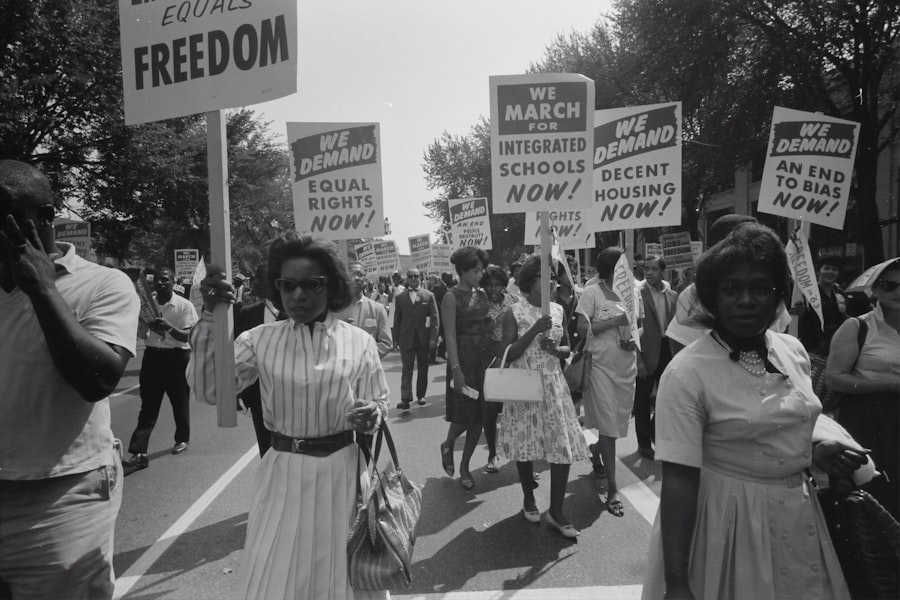
Economic interests have consistently played a significant role in shaping and, at times, distorting historical narratives. The desire for wealth, resources, and control over trade routes has fueled conflicts and influenced how those conflicts are recorded.
The Resource Curse and Conflict Narratives
Regions rich in valuable resources often become focal points for geopolitical struggles. The histories of these conflicts are frequently crafted to justify interventions, acquisitions, and the exploitation of those resources. Narratives highlighting the “backwardness” or “instability” of resource-rich nations can serve to legitimize external control. Consider the scramble for Africa in the late 19th century, where narratives of civilizing missions often masked underlying economic imperatives.
Banking, Finance, and Historical Omissions
The history of banking and global finance contains numerous instances where powerful institutions and individuals engaged in practices that, while profitable, were detrimental to broader populations. These aspects of history are sometimes glossed over or presented in a sanitized manner, avoiding critical examination of their ethical implications. The intricacies of financial crises, for instance, are sometimes simplified into narratives that absolve powerful actors of responsibility.
The Industrial Revolution’s Darker Sides
While celebrated for its technological advancements and increased productivity, the Industrial Revolution also had profound social costs. The exploitation of labor, environmental degradation, and the widening gap between the wealthy and the working class are often downplayed or relegated to footnotes in narratives that primarily focus on innovation and economic growth. This is analogous to admiring a magnificent skyscraper while ignoring the hazardous conditions endured by the construction workers.
Ideological Battles and Historical Rewriting
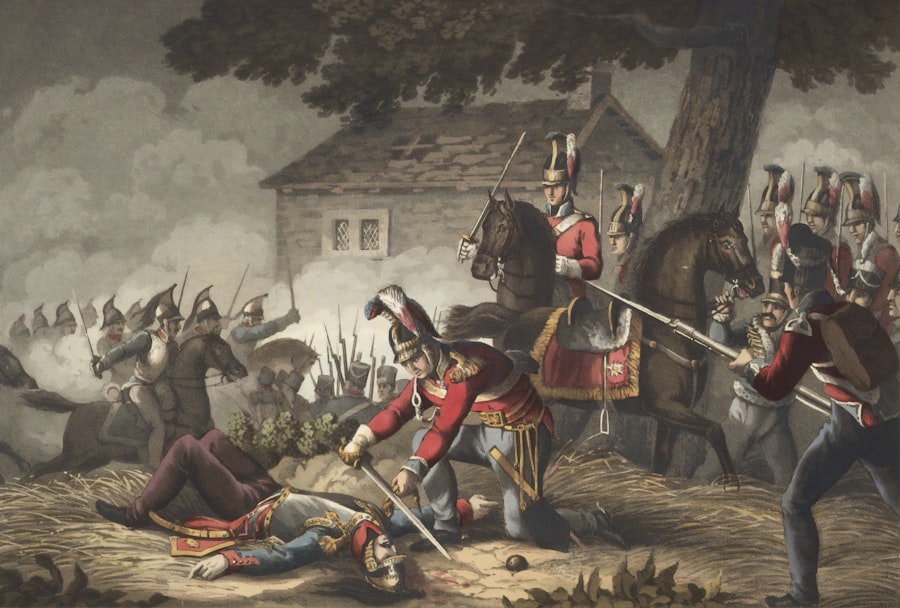
History has frequently been a battleground for ideological contests, with successive regimes or dominant thought systems attempting to reshape the past to align with their contemporary beliefs and political agendas.
Totalitarian Regimes and Historical Revisionism
Totalitarian states notoriously engage in systematic historical revisionism, rewriting textbooks, destroying archives, and silencing dissent to create a historical narrative that supports their absolute authority. Figures deemed enemies of the state are demonized, their achievements erased, and their very existence sometimes expunged from the historical record. The Soviet Union under Stalin provides a stark example of such comprehensive historical manipulation.
Nationalist Narratives and Exclusion
Nationalism, while often a powerful force for unity, can also lead to the construction of exclusive historical narratives that emphasize the superiority of one’s own nation while downplaying or demonizing others. This can manifest in the omission of inconvenient truths about national aggressions, injustices against minority groups, or the contributions of non-nationals. Such narratives function as carefully curated gardens, showcasing only the most aesthetically pleasing blooms while concealing any weeds or thorns.
The Cold War’s Historiographical Legacy
The Cold War profoundly influenced historical writing, with both major blocs constructing narratives that demonized the opposing ideology and justified their own actions. Access to archives was often restricted, and politically motivated interpretations of events were common. The narratives surrounding many proxy conflicts, for example, often foregrounded ideological struggle while obscuring local complexities and indigenous grievances.
The exploration of how history can often be shaped by those in power is a fascinating topic that invites us to question the narratives we accept as truth. A related article that delves into this theme is available at this link, where it discusses the concept of suppressed facts and the implications they have on our understanding of the past. By examining these overlooked elements, we can gain a deeper insight into the complexities of historical events and the motivations behind their portrayal.
The Perpetuation of Historical Omission
| Aspect | Description | Example | Impact |
|---|---|---|---|
| Suppressed Facts | Information intentionally omitted or hidden from mainstream historical narratives. | Colonial atrocities often downplayed in textbooks. | Distorted public understanding of historical events. |
| Revisionist History | Reinterpretation of historical records to challenge established views. | Reevaluating causes of wars or social movements. | Can correct biases but sometimes used to spread misinformation. |
| Propaganda Influence | Use of biased or misleading information to promote political agendas. | State-controlled media rewriting history to favor ruling parties. | Shapes collective memory and national identity. |
| Oral Traditions | History passed down verbally, often excluded from written records. | Indigenous histories preserved through storytelling. | Provides alternative perspectives often ignored in official histories. |
| Academic Censorship | Suppression of research or findings that contradict dominant narratives. | Scholars discouraged from publishing controversial topics. | Limits diversity of historical interpretations. |
Even in democratic societies with ostensibly free access to information, historical omissions can persist due to a variety of factors, including curriculum constraints, societal discomfort, and the sheer volume of historical data.
Curriculum Design and Prioritization
Educational curricula, by necessity, must make choices about what to include and what to exclude. This prioritization can inadvertently lead to the marginalization of certain historical periods, events, or perspectives. Topics deemed too controversial, complex, or tangential to a national narrative might be omitted or given minimal attention. This presents a limited menu, where only certain dishes are ever offered to the diner.
Societal Discomfort and Uncomfortable Truths
Societies can collectively resist confronting uncomfortable truths about their past, particularly those that challenge national myths or reveal instances of injustice and oppression. This can lead to a tacit agreement to avoid certain topics or to present them in a softened or apologetic manner. The ongoing debates surrounding the legacy of slavery and colonialism in many nations exemplify this societal discomfort.
The Challenge of Information Overload
In the digital age, while information is more accessible than ever, the sheer volume of data can also make it difficult to discern reliable sources and to synthesize a comprehensive understanding of history. The “signal to noise” ratio can be challenging, and the proliferation of misleading or biased information can obscure genuine historical insights. This is akin to searching for a specific star in a sky suddenly ablaze with countless, often conflicting, lights.
The Role of Public Discourse and Media
Media representations and public discourse play a vital role in shaping historical understanding. Sensationalized accounts, lack of nuanced reporting, or the selective focus on particular aspects of history can further entrench existing biases or contribute to the continued omission of significant historical facts.
In conclusion, the assertion that history can be a “suppressed lie” or contain “hidden facts” is not an accusation of malicious fabrication in every instance. Rather, it is an invitation to engage with history as a constantly evolving field of inquiry, where critical thinking, skepticism, and a willingness to explore diverse perspectives are paramount. The reader is encouraged to approach historical narratives not as monolithic truths, but as interpretations, acknowledging that the past, like a vast and intricate puzzle, reveals itself piecemeal and through the careful arrangement of its multitude of fragments. Only through such a diligent and open-minded approach can one hope to uncover the full breadth and depth of human experience.
FAQs
What does the phrase “history is a lie” mean?
The phrase “history is a lie” suggests that some historical accounts may be inaccurate, biased, or incomplete due to suppression or distortion of facts. It highlights the idea that history is often written by those in power, which can lead to certain perspectives being overlooked or intentionally hidden.
Why are some historical facts suppressed?
Historical facts may be suppressed for various reasons, including political agendas, cultural biases, or to maintain social order. Governments, institutions, or groups might conceal or alter information to protect reputations, justify actions, or control public perception.
How can we identify suppressed facts in history?
Identifying suppressed facts involves critical examination of multiple sources, including primary documents, eyewitness accounts, and alternative narratives. Cross-referencing different perspectives and consulting works by independent historians can help uncover overlooked or hidden information.
Is all history unreliable or fabricated?
No, not all history is unreliable or fabricated. While some historical accounts may be biased or incomplete, many historians strive for accuracy and objectivity. History is a complex field that benefits from ongoing research, debate, and revision as new evidence emerges.
What role do historians play in uncovering suppressed facts?
Historians play a crucial role in researching, analyzing, and interpreting historical events. They work to uncover suppressed or forgotten facts by examining archives, artifacts, and testimonies. Their efforts contribute to a more comprehensive and truthful understanding of the past.