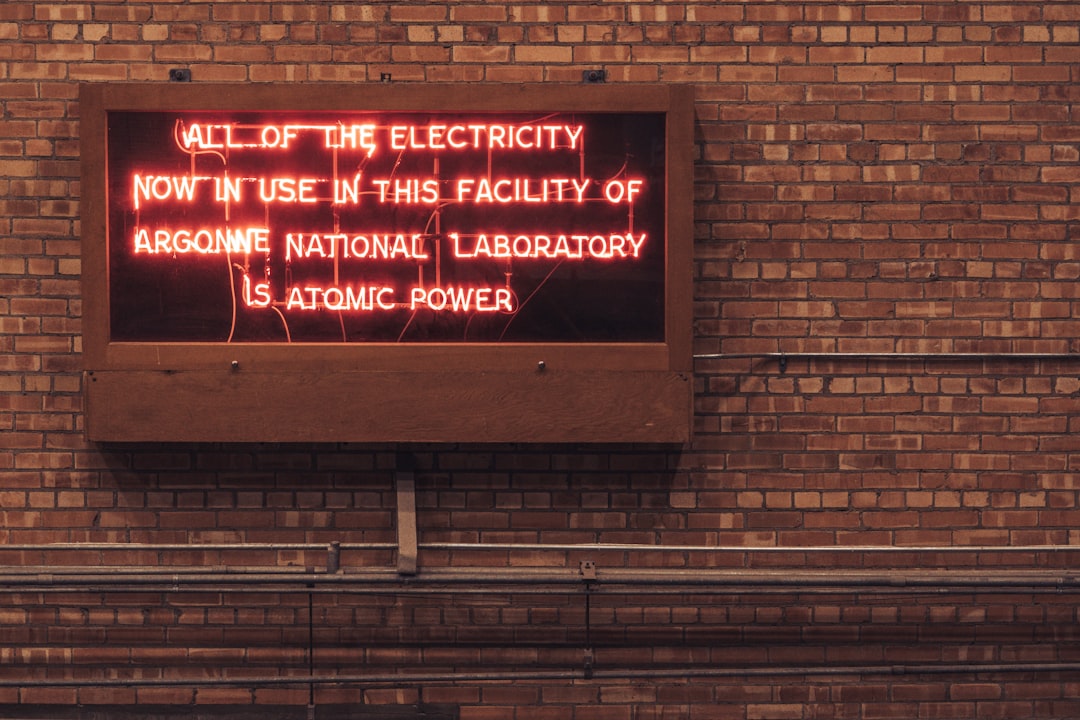
The global distribution of nuclear weapons remains a significant factor in international security. As of late 2023, approximately 13,000 nuclear warheads exist worldwide, with the United States and Russia controlling roughly 90% of this total. This concentration reflects the Cold War era, during which these two superpowers accumulated the majority of the world’s nuclear stockpiles.
These upgrades indicate that nuclear weapons remain central to their strategic doctrines, serving as deterrents against potential military threats. Beyond the two leading nuclear powers, other nations possess nuclear capabilities.
France, the United Kingdom, and China maintain established arsenals, while India, Pakistan, and North Korea have developed or are developing nuclear programs. The expansion of nuclear weapons among multiple states has created concerns regarding regional stability, particularly in South Asia and the Korean Peninsula, where geopolitical tensions remain elevated. The current nuclear landscape reflects not only the quantity of weapons in existence but also the strategic calculations and security considerations that drive nuclear policy among armed states.
The documentary provides a detailed analysis of the potential consequences of nuclear war on global security.
Key Takeaways
- Nuclear arsenals remain substantial, with ongoing tensions among key nuclear powers increasing global risk.
- Treaties and agreements play a critical role in controlling nuclear weapons but face challenges from proliferation and non-state actors.
- Technological advancements are changing the nature of nuclear warfare, potentially lowering the threshold for conflict.
- Diplomacy and international organizations are essential in mitigating nuclear threats and preventing escalation.
- Public awareness and strategic prevention efforts are vital to reducing the likelihood of nuclear war and its catastrophic consequences.
Tensions Between Nuclear Powers
The tensions between nuclear powers have become increasingly pronounced in recent years, driven by a combination of historical grievances, territorial disputes, and ideological differences. The relationship between the United States and Russia remains fraught with suspicion and hostility, exacerbated by events such as the annexation of Crimea and ongoing conflicts in Ukraine. Both nations engage in military posturing, including the deployment of advanced missile systems and military exercises that often serve as demonstrations of strength.
This adversarial dynamic fosters an environment where miscalculations could lead to catastrophic consequences. Moreover, tensions are not limited to the U.S. and Russia; they extend to other nuclear-armed states as well.
For instance, the rivalry between India and Pakistan is marked by periodic escalations that raise fears of nuclear conflict. The situation is further complicated by North Korea’s aggressive pursuit of nuclear capabilities, which has drawn condemnation from the international community and led to heightened military readiness among its neighbors. These tensions create a precarious balance where any misstep could trigger a chain reaction with dire implications for global peace.
The Role of Nuclear Treaties and Agreements

Nuclear treaties and agreements have played a crucial role in shaping the landscape of nuclear arms control and non-proliferation. The Treaty on the Non-Proliferation of Nuclear Weapons (NPT), established in 1968, remains one of the cornerstones of global efforts to prevent the spread of nuclear weapons. It aims to promote disarmament, facilitate peaceful uses of nuclear energy, and prevent the proliferation of nuclear weapons.
However, the effectiveness of the NPT has been challenged by non-signatory states and those that have pursued clandestine nuclear programs. In addition to the NPT, various bilateral agreements between nuclear powers have sought to limit arsenals and reduce the risk of conflict. The Strategic Arms Reduction Treaty (START) between the United States and Russia is one such example, aiming to reduce the number of deployed strategic warheads.
However, recent years have seen a decline in arms control initiatives, with both nations withdrawing from key agreements and engaging in competitive modernization efforts. The erosion of these treaties raises concerns about an unchecked arms race and the potential for increased tensions among nuclear states.
Nuclear Proliferation and Non-State Actors
The issue of nuclear proliferation extends beyond state actors to include non-state actors who may seek to acquire nuclear materials or technology for malicious purposes. The threat posed by terrorist organizations acquiring nuclear capabilities has become a pressing concern for national security agencies worldwide. Groups such as Al-Qaeda and ISIS have expressed interest in obtaining weapons of mass destruction, raising alarms about the potential for catastrophic attacks.
Efforts to prevent nuclear proliferation among non-state actors involve a multifaceted approach that includes intelligence sharing, international cooperation, and stringent security measures at nuclear facilities. The challenge lies in addressing the vulnerabilities within states that may be susceptible to infiltration or corruption. As long as there are gaps in security protocols or political instability in certain regions, the risk remains that non-state actors could gain access to nuclear materials or technology, posing an existential threat to global security.
The Impact of Technological Advancements on Nuclear Warfare
| Metric | Current Status | Explanation | Source/Date |
|---|---|---|---|
| Global Nuclear Arsenal | ~13,000 warheads | Total number of nuclear warheads worldwide, including deployed and stockpiled | Federation of American Scientists, 2024 |
| Number of Nuclear-Armed States | 9 countries | Countries known to possess nuclear weapons | IAEA, 2024 |
| Current Nuclear Alert Levels | Normal to Elevated (varies by country) | Readiness status of nuclear forces; some countries have raised alert levels due to geopolitical tensions | Various government reports, 2024 |
| Global Tensions Index | Moderate to High | Measures geopolitical conflicts and crises that could escalate to nuclear conflict | Global Peace Index, 2024 |
| Recent Nuclear Tests | None reported in last 12 months | Indicates current testing activity which can signal escalation | Comprehensive Nuclear-Test-Ban Treaty Organization (CTBTO), 2024 |
| Diplomatic Engagements on Nuclear Arms Control | Ongoing but strained | Efforts to negotiate treaties and reduce nuclear risks continue with challenges | UN and various diplomatic sources, 2024 |
| DoD/National Security Warnings | Heightened vigilance | Official warnings or alerts about nuclear threats or risks | US Department of Defense, 2024 |
Technological advancements have significantly transformed the nature of warfare, including nuclear conflict. Innovations in missile technology, cyber warfare capabilities, and artificial intelligence have altered strategic calculations among nuclear powers. For instance, hypersonic missiles capable of evading traditional defense systems present new challenges for deterrence strategies.
As nations invest in these cutting-edge technologies, the potential for miscommunication or miscalculation increases. Moreover, advancements in cyber capabilities raise concerns about the security of nuclear command-and-control systems. A successful cyberattack on a nation’s nuclear infrastructure could lead to unauthorized launches or disruptions in communication during a crisis.
As technology continues to evolve at a rapid pace, it becomes imperative for nations to adapt their strategies and ensure robust safeguards against both conventional threats and emerging technological vulnerabilities.
The Potential Triggers for Nuclear Conflict
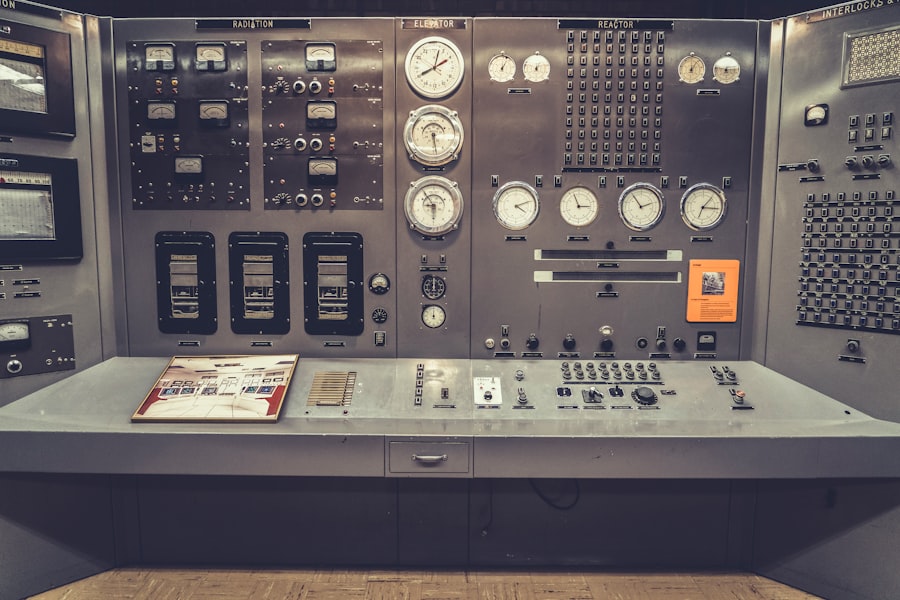
The potential triggers for nuclear conflict are numerous and often intertwined with geopolitical tensions and historical animosities. Misunderstandings during crises can escalate rapidly if communication channels are not effectively utilized. For example, a military exercise perceived as aggressive by another nation could lead to preemptive strikes based on misinterpretations of intent.
Additionally, regional conflicts involving nuclear-armed states can quickly spiral out of control if not managed carefully. Another significant trigger is the issue of deterrence failure. If a nation believes its survival is at stake due to an imminent threat, it may resort to using nuclear weapons as a last resort.
This scenario underscores the importance of maintaining clear lines of communication and establishing confidence-building measures among nuclear powers to mitigate risks associated with escalation.
The Role of Diplomacy in Preventing Nuclear War
Diplomacy plays a pivotal role in preventing nuclear war by fostering dialogue among nations and addressing underlying tensions that could lead to conflict. Diplomatic efforts can take various forms, including bilateral negotiations, multilateral summits, and backchannel communications aimed at de-escalating crises. Historical examples demonstrate that sustained diplomatic engagement can yield positive outcomes; for instance, the resolution of the Cuban Missile Crisis was largely attributed to effective communication between U.
President John F. Kennedy and Soviet Premier Nikita Khrushchev. However, diplomacy faces significant challenges in an increasingly polarized world where trust between nations is eroding.
The rise of populist leaders who prioritize national interests over international cooperation complicates efforts to build consensus on disarmament initiatives or arms control agreements. To counter these trends, it is essential for diplomatic channels to remain open and for nations to prioritize dialogue over confrontation.
The Human and Environmental Consequences of Nuclear War
The consequences of nuclear war extend far beyond immediate destruction; they encompass profound human suffering and long-term environmental devastation. A single nuclear detonation can result in massive loss of life, with casualties numbering in the millions depending on the target’s population density. Survivors would face not only physical injuries but also psychological trauma from witnessing such catastrophic events.
The environmental impact would be equally severe, with radioactive fallout contaminating air, water, and soil for generations. The phenomenon known as “nuclear winter” could ensue following widespread detonations, leading to drastic climate changes that threaten global food security. The long-term effects on ecosystems would be devastating, disrupting biodiversity and leading to irreversible damage to natural habitats.
The Role of International Organizations in Preventing Nuclear Conflict
International organizations play a crucial role in mitigating the risks associated with nuclear weapons through advocacy for disarmament, monitoring compliance with treaties, and facilitating dialogue among member states. The United Nations (UN) serves as a platform for addressing issues related to nuclear proliferation and promoting peaceful resolutions to conflicts involving nuclear-armed states. Organizations such as the International Atomic Energy Agency (IAEA) are instrumental in ensuring that civilian nuclear programs remain peaceful and do not contribute to weapons development.
By conducting inspections and providing technical assistance, these organizations help build confidence among nations regarding their commitments to non-proliferation efforts. However, their effectiveness often hinges on political will from member states to adhere to international norms and cooperate fully with oversight mechanisms.
Public Perception and Awareness of Nuclear Threats
Public perception of nuclear threats varies significantly across different regions and demographics, influenced by historical experiences, media coverage, and educational initiatives. In some countries, particularly those with recent histories of conflict involving nuclear powers, awareness of the dangers posed by these weapons is heightened. Conversely, in regions where nuclear threats seem distant or abstract, public concern may be minimal.
Efforts to raise awareness about nuclear risks are essential for fostering a culture of peace and encouraging advocacy for disarmament initiatives. Educational programs that inform citizens about the implications of nuclear warfare can empower individuals to engage in discussions about policy changes at local and national levels. As public awareness grows, so too does pressure on governments to prioritize diplomatic solutions over military confrontations.
Strategies for Preventing Nuclear War
Preventing nuclear war requires a multifaceted approach that encompasses diplomatic engagement, robust arms control measures, public education campaigns, and international cooperation. One effective strategy involves strengthening existing treaties while exploring new frameworks that address contemporary challenges posed by emerging technologies and non-state actors. Additionally, confidence-building measures such as joint military exercises focused on transparency can help reduce misunderstandings between rival nations.
Establishing hotlines for direct communication during crises can also mitigate risks associated with miscalculations or escalations. Ultimately, fostering a global culture that prioritizes dialogue over confrontation is essential for reducing reliance on nuclear weapons as instruments of national security. By promoting disarmament initiatives and encouraging collaborative approaches to conflict resolution, nations can work together toward a future free from the specter of nuclear war.
In recent discussions about global tensions and the potential for nuclear conflict, it’s crucial to stay informed about the current geopolitical landscape. A related article that delves into these pressing issues can be found at this link. It provides insights into the factors contributing to the rising fears of nuclear war and the measures being taken to mitigate such risks.
WATCH THIS! ☢️ Nuclear War in 2026: The Real Risks, New Weapons & How Close We Are
FAQs
How close are we currently to nuclear war?
As of now, there is no immediate indication of an imminent nuclear war. While geopolitical tensions exist, global powers generally maintain communication channels and diplomatic efforts to prevent escalation to nuclear conflict.
What factors influence the risk of nuclear war?
The risk of nuclear war is influenced by international relations, military posturing, arms control agreements, political stability, and communication between nuclear-armed states. Misunderstandings or accidental launches also contribute to risk.
Are there any current conflicts that could lead to nuclear war?
While some regional conflicts involve nuclear-armed countries, such as tensions between the US, Russia, China, India, and Pakistan, none have escalated to direct nuclear threats recently. Diplomatic efforts aim to manage these tensions.
What measures exist to prevent nuclear war?
Measures include arms control treaties (e.g., New START), nuclear non-proliferation agreements, diplomatic dialogues, confidence-building measures, and early warning systems designed to reduce the risk of accidental or intentional nuclear conflict.
How do early warning systems help in preventing nuclear war?
Early warning systems detect potential missile launches and provide critical time for decision-makers to assess threats, reducing the chance of accidental or mistaken nuclear retaliation.
What role do international organizations play in nuclear war prevention?
Organizations like the United Nations and the International Atomic Energy Agency promote disarmament, monitor nuclear activities, facilitate dialogue, and support treaties aimed at reducing nuclear risks.
Can nuclear war be accidental?
Yes, accidental nuclear war is a recognized risk due to false alarms, technical errors, or misinterpretations. This is why robust communication and verification systems are essential to prevent unintended escalation.
What is the current status of global nuclear arsenals?
Several countries maintain nuclear arsenals, with the largest held by the United States and Russia. While some disarmament has occurred, modernization programs continue, keeping the threat of nuclear conflict present.
How do geopolitical tensions affect nuclear war risk?
Heightened geopolitical tensions can increase the risk by fostering mistrust, aggressive posturing, and rapid decision-making under pressure, which may lead to miscalculations or escalation.
What can individuals do to stay informed about nuclear war risks?
Individuals can follow reputable news sources, stay updated on international relations, support arms control initiatives, and engage in public discourse promoting peace and nuclear disarmament.