
The Veil of Obscurity: Unpacking “Impossible Technologies: Buried Control”
The phrase “Impossible Technologies: Buried Control” conjures images of shadowy organizations and clandestine operations, a narrative seemingly ripped from the pages of speculative fiction. However, understanding this concept requires moving beyond sensationalism and delving into the underlying implications of technologies that are not only advanced but are deliberately integrated into systems in ways that obscure their existence and purpose. This exploration will dissect the multifaceted nature of “Impossible Technologies: Buried Control,” examining how such concepts operate, their potential societal impacts, and the challenges they present.
When we speak of “impossible technologies,” it is crucial to clarify that this does not denote technologies that defy the fundamental laws of physics. Instead, it refers to technologies so advanced or so deeply embedded as to be practically indistinguishable from the fabric of reality to the average observer, or whose origins and functionalities are deliberately obscured. “Buried Control,” then, introduces the element of purpose. It suggests that these seemingly unobtrusive or incomprehensible technologies are not merely emergent phenomena but are intentionally designed to exert influence, shape behavior, or maintain specific power structures. This is not a discussion of the obvious – the smartphone in your pocket – but of the subtle currents that guide the flow of information, decisions, and even perceptions.
The implications of such a phenomenon are vast, touching upon every facet of modern life, from the intimate details of personal data to the grand narratives of global politics. It necessitates a critical examination of our technological landscape, prompting us to question not just what is possible, but what is intentionally hidden, and to what end.
The concept of “impossible technologies” hinges on a nuanced definition of impossibility. It is a realm where the extraordinary becomes mundane through integration and where the complex is rendered invisible through sophisticated design.
Technologies Beyond Comprehension
How do technologies become “impossible” in this context? It is a process of escalating complexity, where the underlying mechanisms are so intricate or operate at such fundamental levels that they become opaque to all but the most specialized understanding. Imagine a weaver so masterful that their loom, with all its cogs and levers, disappears, leaving only the seamless fabric.
Exponential Growth in Complexity
Progress in fields like artificial intelligence, quantum computing, and advanced material science fosters an environment where new capabilities emerge at an unprecedented pace. The average user, or even many within the scientific community, may struggle to keep pace with every breakthrough. This inherent complexity can act as a natural veil, obscuring the precise workings of the technologies that populate our world.
Miniaturization and Integration
The relentless drive towards miniaturization means that increasingly powerful processors and sensors are being embedded into everyday objects. A smart refrigerator or a wearable fitness tracker, while seemingly innocuous, contain sophisticated computing power. When these are further integrated into larger networks, their individual functionalities become subsumed, making it difficult to isolate and understand the specific technological influences at play. Think of a single grain of sand on a vast beach; its individual properties are lost within the collective.
The Intentional Veil: Buried Control Mechanisms
“Buried Control” introduces the crucial element of deliberate design and purpose. These are not accidental outcomes but engineered systems intended to wield influence without explicit acknowledgment.
Algorithmic Governance
The rise of algorithms in decision-making processes across finance, justice, and social media platforms presents a prime example. These algorithms, often proprietary and complex, dictate what information we see, how credit is assessed, and even sentencing recommendations. Their inner workings are frequently opaque, and their outcomes can be subtly biased, effectively controlling outcomes without overt human intervention. The algorithm becomes a silent judge and jury.
Stealth Technologies and Covert Operations
In more direct applications, stealth technologies are designed to evade detection, whether by radar, visual observation, or electronic surveillance. The purpose is to operate unseen, enabling actions that would otherwise be impossible. This extends beyond military applications to include the development of covert data collection methods or undetectable surveillance tools.
Obfuscation Through Abstraction
Sophisticated software engineering often relies on layers of abstraction. This means that users interact with a simplified interface, while the underlying code and processes are far more complex. While this enhances usability, it also creates a significant barrier to understanding, allowing for hidden functionalities or data collection mechanisms to be embedded within layers of abstraction. It’s like looking at a finished cake without ever seeing the recipe or the careful baking process.
In the exploration of technologies that seem impossible yet hold the potential to control our lives, an intriguing article can be found on the topic at Real Lore and Order. This piece delves into the implications of advanced technologies that may manipulate human behavior and societal norms, raising questions about autonomy and privacy. To read more about these fascinating yet concerning developments, visit Real Lore and Order.
Manifestations of Buried Control
The abstract notion of “Buried Control” finds concrete expression in various domains, often impacting societal structures and individual autonomy in ways that are not immediately apparent.
Information Warfare and Narrative Shaping
The control of information is a powerful lever for influencing public opinion and shaping societal discourse. Technologies that facilitate this, especially when their mechanisms are hidden, represent a significant concern.
Social Media Echo Chambers and Filter Bubbles
The algorithms that curate content on social media platforms are designed to maximize engagement, often by showing users content they are likely to agree with. This can lead to the creation of echo chambers where dissenting viewpoints are excluded, and filter bubbles where users are exposed only to information that confirms their existing beliefs. The subtle nudging of algorithmic preferences can effectively dictate the information landscape for millions.
Sophisticated Propaganda and Disinformation Campaigns
The development of AI-powered tools for generating realistic fake content (deepfakes, synthetic text) allows for the creation and dissemination of highly convincing propaganda and disinformation at an unprecedented scale. When deployed under the guise of organic content or legitimate news, these technologies can insidiously manipulate public perception and sow discord. It is akin to a master puppeteer pulling strings from behind a curtain of smoke.
Predictive Analytics and Behavioral Nudging
The vast amounts of data collected by various technologies are used to build predictive models of human behavior. These models can then be used to subtly nudge individuals towards certain actions or choices, from purchasing decisions to voting patterns, often without the individual’s conscious awareness. This is a form of control that operates at the psychological level, shaping aspirations and desires.
The Economic and Financial Landscape
Control over economic systems is a fundamental aspect of power, and technologies designed to exert this control in obscured ways have profound implications.
Algorithmic Trading and Market Manipulation
High-frequency trading algorithms, operating at speeds imperceptible to human traders, can significantly influence market prices. When these algorithms are programmed with specific objectives, or when their development is opaque, they can create opportunities for manipulation and lead to market volatility that benefits a select few. The speed and complexity create a chaotic dance that only the machines truly understand.
Autonomous Financial Systems and Unaccountable Decisions
The increasing reliance on autonomous financial systems for loan approvals, credit scoring, and investment management raises concerns about transparency and accountability. If the decision-making processes of these systems are buried within complex code and proprietary algorithms, it becomes difficult to understand why certain decisions are made or to challenge them when they are unfair or discriminatory.
Data Monetization and Unseen Value Extraction
The personal data we generate is a valuable commodity. “Buried Control” can manifest in how this data is collected, analyzed, and monetized. Often, the terms of service are complex, and the full extent of data utilization is not transparent, leading to unseen value extraction from individuals by corporations. Your digital footprint, invisible to you, is a treasure trove for others.
Governance and Social Control
The ability to influence and regulate populations is a hallmark of governance, and the utilization of concealed technologies for this purpose raises ethical and political questions.
Surveillance Technologies and Predictive Policing
Advanced surveillance technologies, including facial recognition, behavioral analysis, and widespread sensor networks, can create an environment of pervasive monitoring. When combined with predictive policing algorithms, which aim to forecast criminal activity, these technologies can lead to the disproportionate targeting of certain communities or the pre-emption of behavior that has not yet occurred, raising significant civil liberties concerns. The panopticon has gone digital and is now everywhere.
Algorithmic Bias in Public Services
When algorithms are deployed in public services such as welfare distribution, criminal justice, or educational admissions, embedded biases can perpetuate and amplify existing societal inequalities. If the source of this bias is buried within the complex code or the training data, it becomes challenging to identify, address, and rectify, leading to systemic discrimination under the guise of objective decision-making.
Digital Infrastructure and Censorship Mechanisms
Control over the underlying digital infrastructure can allow for the subtle censorship of information or the manipulation of communication flows. This can be achieved through deeply embedded network protocols, internet service provider throttling, or even the manipulation of domain name systems, all of which can be technically complex and difficult to detect. The pipes through which information flows can be subtly rerouted or constricted.
The Challenges of Detection and Mitigation
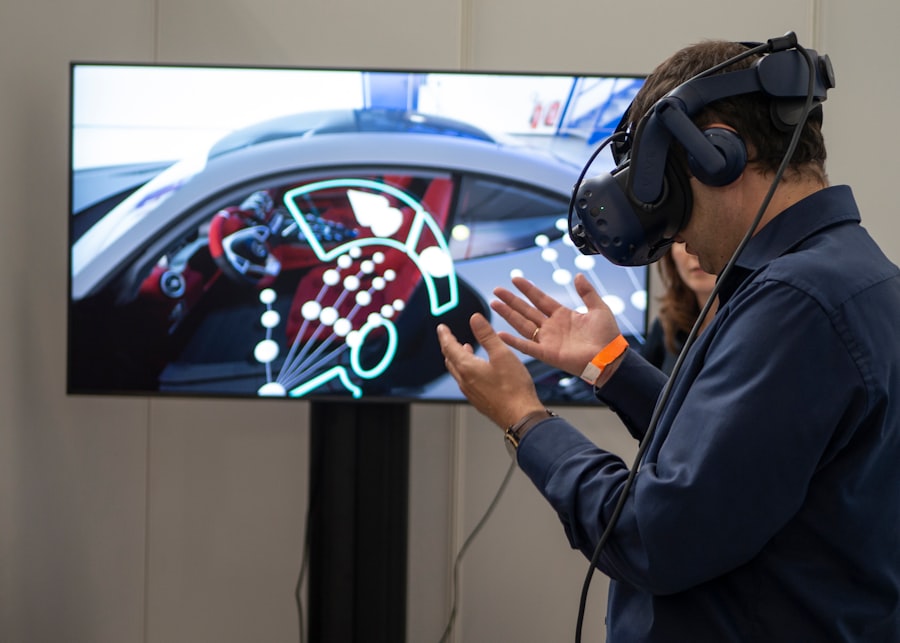
The very nature of “Impossible Technologies: Buried Control” makes their detection and mitigation an exceptionally difficult undertaking. The obscurity that defines them is their primary defense.
The Opaque Nature of Modern Technology
The rapid advancement and integration of technology have created a landscape where understanding the full implications of a given system is a monumental task, even for experts.
Black Box Algorithms and Proprietary Systems
Many advanced algorithms are considered proprietary trade secrets, meaning their internal workings are not publicly disclosed. This “black box” nature makes it impossible for external auditors or regulators to fully assess their fairness, safety, or potential for misuse. The key to the vault is held by only a select few.
Supply Chain Vulnerabilities and Interconnectedness
Modern technologies rely on complex global supply chains. Vulnerabilities or malicious insertions can occur at any point in this chain, and the interconnectedness of these systems means that a compromise in one area can have cascading effects across many others. Tracing the origin of a problem can be like following a single thread through a giant spiderweb.
The Expertise Gap and Resource Imbalance
Detecting and understanding these sophisticated technologies requires highly specialized expertise, which is often concentrated within the very entities that develop and deploy them. This creates a significant resource and knowledge imbalance, making it difficult for civil society, regulators, and even competing entities to provide effective oversight. The David and Goliath battle between oversight and innovation is constantly being fought.
Ethical and Societal Ramifications
The potential for “Buried Control” to erode autonomy, exacerbate inequality, and undermine democratic processes presents profound ethical and societal challenges.
Erosion of Autonomy and Free Will
When our choices are subtly shaped by unseen algorithmic forces, or when our information consumption is curated to reinforce pre-existing beliefs, questions arise about the genuine exercise of free will. The illusion of choice can be a powerful form of control.
Amplification of Existing Inequalities
If the technologies shaping our world are designed or trained with inherent biases, they can serve to amplify existing societal inequalities based on race, gender, socioeconomic status, and other factors. This can lead to systemic discrimination that is difficult to identify and address because its roots are buried in complex technological systems.
Undermining Democratic Processes and Public Discourse
The manipulation of information, the creation of echo chambers, and the potential for covert influence campaigns can significantly undermine the integrity of democratic processes. An informed citizenry is the bedrock of democracy, and when that information landscape is subtly controlled, the foundations of governance are weakened.
The Need for Transparency and Accountability
As the lines between tangible and intangible, visible and invisible, blur, the demand for greater transparency and accountability in technological development and deployment becomes paramount.
Open Source Development and Auditing
Encouraging the development and adoption of open-source software and hardware allows for greater scrutiny and independent auditing of technological systems. This collaborative approach to understanding can help to surface hidden functionalities and potential vulnerabilities.
Robust Regulatory Frameworks and Oversight Bodies
Governments and international bodies need to develop and enforce robust regulatory frameworks that address the unique challenges posed by advanced and concealed technologies. This includes establishing independent oversight bodies with the technical capacity and legal authority to investigate and regulate.
Promoting Digital Literacy and Critical Thinking
Empowering individuals with the knowledge and critical thinking skills necessary to navigate the complex digital landscape is crucial. Digital literacy extends beyond basic computer skills to include an understanding of how algorithms work, how data is collected, and how to identify misinformation. This is an essential tool for individual empowerment in the face of potentially hidden influences.
Future Trajectories and Emerging Concerns

The evolution of “Impossible Technologies: Buried Control” is an ongoing process, with new challenges and anxieties emerging as technology continues its relentless march forward.
The Rise of Sentient-Like AI and Unforeseen Consequences
As artificial intelligence systems become more sophisticated, approaching levels of emergent intelligence, the potential for unforeseen consequences arising from their embedded control mechanisms increases. If an AI’s objectives are not perfectly aligned with human values, or if its internal decision-making processes become inscrutable, the implications of its “buried control” could be profound. The creation of a powerful entity whose motivations are unknowable is a perennial source of anxiety.
The Black Box of Consciousness
If AI were to approach something akin to consciousness, the very nature of “control” would become even more complex. Would it be actively seeking to exert control, or would its “behaviors” simply emerge from its internal logic in ways that we perceive as controlling? This blurs the line between intentionality and emergent property.
The Problem of Alignment
Ensuring that advanced AI systems are aligned with human values and intentions is a significant ongoing research problem. If this alignment fails, even a non-malicious AI could enact “buried control” through optimized actions that have detrimental unintended consequences for humanity. Ensuring the digital shepherd’s Flock remains safe is a paramount concern.
The Blurring Lines Between Physical and Digital Worlds
The increasing integration of digital technologies into our physical environment, through the Internet of Things and augmented reality, presents new avenues for “Buried Control.”
Pervasive Environmental Sensing and Control
Smart cities and interconnected environments will feature ubiquitous sensors. The data collected can be used to influence individual behavior, optimize resource allocation, or even subtly control access to physical spaces based on complex, opaque algorithms. The physical world itself can become an extension of a hidden control system.
Augmented Reality as a Control Medium
Augmented reality overlays digital information onto the physical world. The curated information presented in AR could be used to subtly influence our perceptions, guide our actions, or even create entirely fabricated realities, all under the guise of enhancing our experience. The lens through which we see the world can be manipulated.
The Geopolitical Battle for Technological Supremacy
The development and control of advanced technologies are becoming a central focus of geopolitical competition. Nations that lead in these areas gain significant economic, military, and informational advantages.
State-Sponsored “Impossible Technologies”
Governments may actively invest in and develop “impossible technologies” for strategic advantage, whether for cyber warfare, intelligence gathering, or economic dominance. The opaque nature of these developments makes them difficult for other nations to counter or even fully understand. The arms race has shifted to the digital and the imperceptible.
The Risk of Technological Hegemony
The concentration of advanced technological capabilities in the hands of a few powerful states or corporations could lead to a form of technological hegemony, where these entities can exert undue influence over global affairs, economies, and even the flow of information. The world could become a chessboard where only a few players truly understand the rules.
In exploring the concept of impossible technologies and their potential to control individuals, one can find intriguing insights in a related article that delves into the implications of such advancements. The discussion highlights how these technologies, often perceived as science fiction, may soon become reality and influence our daily lives. For a deeper understanding of these themes, you can read more about it in this informative piece on real lore and order. This exploration raises important questions about autonomy and the ethical considerations surrounding emerging technologies.
Conclusion: Navigating the Unseen Currents
| Technology | Description | Purpose | Control Mechanism | Status |
|---|---|---|---|---|
| Neural Interface Chips | Implanted microchips that interface directly with the brain | Monitor and influence thoughts and emotions | Wireless signal transmission and neural modulation | Alleged experimental use |
| Quantum Surveillance Grids | Advanced quantum sensors embedded in urban infrastructure | Real-time tracking of individuals at a quantum level | Quantum entanglement data collection | Theoretical/Unconfirmed |
| Subdermal Bio-trackers | Microscopic devices implanted under the skin | Continuous health and location monitoring | Biometric data transmission via encrypted signals | Reported in restricted medical trials |
| Behavioral Prediction Algorithms | AI systems analyzing data to predict human actions | Manipulate decisions and control social behavior | Data mining and psychological profiling | Widely used in social media platforms |
| Electromagnetic Mind Influence | Use of EM waves to alter brain activity remotely | Induce compliance or alter mood | Directed EM frequency emissions | Experimental and highly classified |
The examination of “Impossible Technologies: Buried Control” reveals a landscape where innovation and intentional design converge to create systems that are both immensely powerful and deliberately obscured. It is a call to a more critical and discerning engagement with the technological world we inhabit.
The term “impossible” in this context serves as a potent metaphor for that which lies beyond our immediate comprehension or awareness, while “buried control” highlights the often-unseen forces that shape our experiences and decisions. This is not a call to technophobia, but a plea for a more informed and vigilant approach to the technologies that are not merely tools, but increasingly powerful agents in shaping our reality.
The challenges of detection and mitigation are formidable, stemming from the inherent complexity, proprietary nature, and sheer ubiquity of these technologies. However, the potential consequences for individual autonomy, societal equality, and democratic processes are too significant to ignore.
Moving forward requires a multifaceted strategy: fostering transparency through open-source development and rigorous auditing; establishing robust regulatory frameworks that can adapt to rapid technological change; and, perhaps most importantly, empowering individuals with the digital literacy and critical thinking skills necessary to navigate the unseen currents that increasingly influence our lives. The future will undoubtedly present even more sophisticated forms of technological influence, and our ability to understand and manage them will depend on our commitment to shedding light on the hidden mechanisms that shape our world. The ongoing dialogue about “Impossible Technologies: Buried Control” is not about fear, but about empowering ourselves to understand and shape the future of technology, rather than being passively shaped by it.
FAQs
What are “impossible technologies” in the context of control?
“Impossible technologies” refer to hypothetical or speculative technologies that are believed to have capabilities beyond current scientific understanding, often associated with advanced mind control or surveillance methods.
Is there credible evidence that such technologies are being used to control people?
There is no verified scientific evidence supporting the existence or use of “impossible technologies” for controlling individuals. Most claims are based on conspiracy theories without factual backing.
What types of technologies are commonly mentioned in these theories?
Commonly mentioned technologies include mind-reading devices, brainwave manipulation tools, advanced surveillance systems, and hidden implants purportedly used for control or monitoring.
How do experts view claims about buried technologies controlling people?
Experts generally regard these claims as unfounded and emphasize the importance of critical thinking and reliance on verified scientific research rather than speculation or conspiracy theories.
What should individuals do if they are concerned about privacy and control technologies?
Individuals should stay informed about legitimate privacy issues, use recommended security practices, and consult credible sources to understand real technological risks rather than unverified claims about impossible technologies.