India’s ascent as a global power has been a remarkable journey marked by resilience, transformation, and ambition. Over the past few decades, the nation has emerged from the shadows of its colonial past to become one of the world’s largest economies and a key player on the international stage. This rise is not merely a reflection of economic growth; it encompasses military strength, cultural influence, and diplomatic engagement, all of which contribute to India’s evolving identity as a global leader.
As the 21st century unfolds, the implications of India’s rise are profound, reshaping not only its own destiny but also the dynamics of global governance and international relations. The narrative of India’s rise is complex and multifaceted, rooted in its rich history and diverse culture. The country boasts a population of over 1.4 billion people, making it the most populous democracy in the world.
This demographic advantage, coupled with a burgeoning middle class and a youthful workforce, positions India uniquely in the global landscape. As nations grapple with challenges such as climate change, economic inequality, and geopolitical tensions, India’s role as a stabilizing force and a proponent of multilateralism becomes increasingly significant.
Key Takeaways
- India has transformed from a colonial past to a rapidly growing global economic power.
- Its expanding military and strategic capabilities enhance its geopolitical significance.
- India actively engages in international diplomacy, strengthening its global alliances.
- Technological innovation and cultural influence boost India’s soft power worldwide.
- Despite challenges, India is poised to play a leading role in regional and global affairs in the 21st century.
Historical Context: India’s Journey from Colonialism to Independence
To understand India’s current status as a global power, one must first delve into its historical context. The subcontinent endured centuries of foreign domination, culminating in British colonial rule that lasted nearly two centuries. This period was marked by exploitation and oppression, but it also sowed the seeds of resistance and nationalism.
The struggle for independence was characterized by the efforts of iconic leaders such as Mahatma Gandhi and Jawaharlal Nehru, who championed non-violent resistance and envisioned a sovereign nation that embraced democracy and secularism. India gained independence in 1947, but the journey was fraught with challenges. The partition of India led to widespread violence and displacement, creating deep-seated communal tensions that continue to resonate today.
Despite these hurdles, the newly independent nation embarked on a path of democratic governance and economic planning. The adoption of a constitution in 1950 laid the foundation for a robust political framework that emphasized social justice and equality. This historical backdrop is crucial for understanding how India has navigated its post-colonial identity while striving for global recognition.
Economic Growth and Development: India’s Rapid Rise in the Global Economy
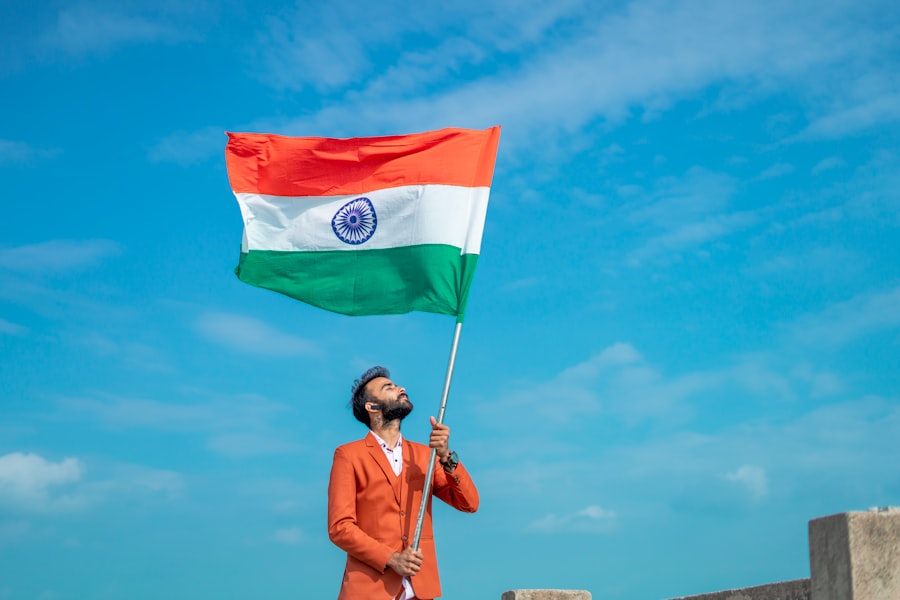
In recent decades, India has experienced unprecedented economic growth, transforming itself into one of the world’s fastest-growing economies. The liberalization reforms initiated in the early 1990s marked a turning point, opening up markets and encouraging foreign investment. This shift not only spurred economic activity but also fostered entrepreneurship and innovation across various sectors.
The economic landscape is further enriched by India’s demographic dividend. With a large proportion of its population under the age of 35, the country possesses a vibrant workforce that is increasingly skilled and educated.
This youthful demographic is driving consumption and innovation, positioning India as an attractive destination for businesses seeking growth opportunities. However, challenges such as income inequality and unemployment persist, necessitating continued efforts to ensure inclusive growth that benefits all segments of society.
Military Strength and Strategic Importance: India’s Role in Geopolitics
| Metric | Value/Description | Significance |
|---|---|---|
| Active Military Personnel | 1.45 million | One of the largest standing armies globally, enabling strong defense and regional influence |
| Defense Budget | Approx. 70 billion USD (2023) | Supports modernization, procurement, and strategic capabilities |
| Nuclear Warheads | ~160 warheads | Deterrence capability in South Asia and strategic balance with neighboring countries |
| Aircraft Carriers | 2 active, 1 under construction | Power projection in Indian Ocean and beyond |
| Strategic Location | Indian Ocean Region (IOR) | Controls vital sea lanes, critical for global trade and energy routes |
| Missile Systems | Ballistic and cruise missiles including Agni and BrahMos | Enhances deterrence and precision strike capabilities |
| Defense Alliances | QUAD, BRICS, SCO (observer) | Strengthens geopolitical influence and strategic partnerships |
| Cyber Warfare Capability | Advanced cyber defense and offense units | Protects critical infrastructure and counters emerging threats |
| Space Militarization | Anti-satellite missile tests and space surveillance | Secures space assets and enhances strategic reconnaissance |
India’s military capabilities have evolved significantly since independence, establishing it as a formidable force in South Asia and beyond. With one of the largest standing armies in the world, India has invested heavily in modernizing its defense infrastructure and enhancing its strategic capabilities. The nation possesses nuclear weapons and has developed advanced missile systems, underscoring its commitment to maintaining national security in an increasingly volatile geopolitical environment.
Strategically located between major powers such as China and Pakistan, India plays a crucial role in regional stability. Its participation in various defense alliances and partnerships reflects its commitment to collective security. The Quad alliance with the United States, Japan, and Australia exemplifies India’s growing influence in the Indo-Pacific region, where it seeks to counterbalance China’s assertiveness.
As global power dynamics shift, India’s military strength positions it as a key player in shaping regional security architectures.
Diplomatic Influence: India’s Engagement with Global Organizations and Alliances
India’s diplomatic engagement has expanded significantly over the years, reflecting its aspirations to play a more prominent role in global governance. The country is an active member of various international organizations, including the United Nations, BRICS, and the G20. Through these platforms, India advocates for reforms that enhance representation for developing nations and address pressing global challenges such as climate change and terrorism.
Moreover, India’s commitment to multilateralism is evident in its participation in peacekeeping missions around the world. As one of the largest contributors to UN peacekeeping forces, India demonstrates its dedication to promoting stability and security in conflict-affected regions. This diplomatic approach not only enhances India’s global standing but also reinforces its image as a responsible stakeholder committed to upholding international norms.
Technological Advancements: India’s Contribution to Innovation and Science
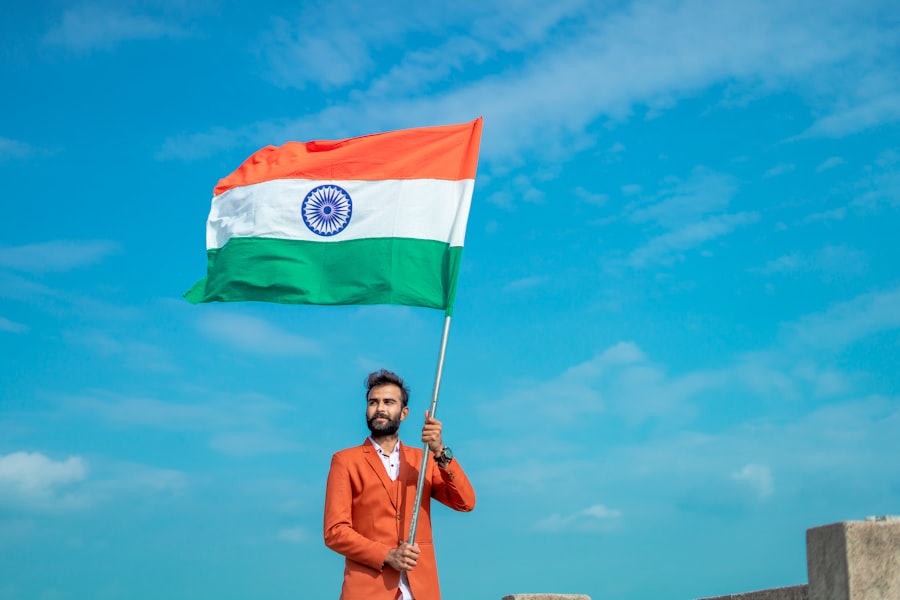
India’s rise as a global power is also closely linked to its advancements in technology and innovation. The country has emerged as a hub for information technology services, with cities like Bengaluru often referred to as “Silicon Valley of India.” Indian tech companies have made significant contributions to software development, artificial intelligence, and digital solutions that cater to both domestic and international markets. Furthermore, India’s space program has garnered global attention for its achievements in satellite launches and interplanetary exploration.
The successful Mars Orbiter Mission showcased India’s capabilities in space technology at a fraction of the cost compared to other nations. These technological advancements not only bolster India’s economic growth but also enhance its soft power by positioning it as a leader in scientific research and innovation on the global stage.
Cultural Influence: India’s Soft Power and Global Reach
India’s cultural heritage is rich and diverse, encompassing languages, traditions, art forms, and cuisine that resonate with people around the world. This cultural wealth serves as a powerful tool for soft power diplomacy, allowing India to project its values and ideals globally. Initiatives such as the International Day of Yoga highlight India’s commitment to promoting wellness and holistic living while fostering cultural exchange.
Moreover, Bollywood films have transcended borders, captivating audiences across continents and contributing to India’s cultural footprint. The popularity of Indian music, dance forms, and festivals further enhances its global appeal. By leveraging its cultural assets, India fosters goodwill and strengthens ties with other nations, reinforcing its position as a soft power on the international stage.
Challenges and Obstacles: Examining the Hurdles in India’s Global Ascendancy
Despite its impressive rise, India faces several challenges that could hinder its aspirations for greater global influence. Socioeconomic disparities remain a pressing issue, with millions still living in poverty despite economic growth. Addressing these inequalities is crucial for ensuring social stability and fostering inclusive development that benefits all citizens.
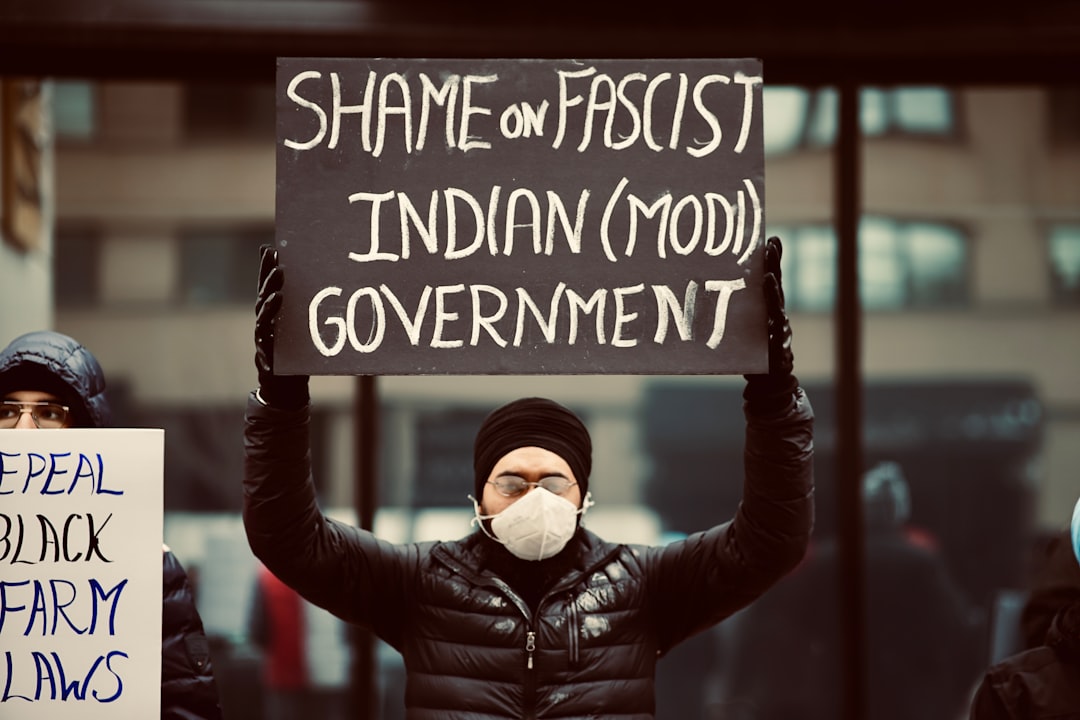
Additionally, political polarization and communal tensions pose significant obstacles to national unity. The rise of identity politics can undermine social cohesion and distract from pressing issues such as economic reform and infrastructure development. Furthermore, environmental challenges such as air pollution and climate change threaten sustainable growth.
Navigating these hurdles will require concerted efforts from policymakers to create an inclusive society while addressing pressing environmental concerns.
Regional Leadership: India’s Role in South Asia and Beyond
India’s role as a regional leader is pivotal in South Asia, where it shares historical ties with neighboring countries such as Bangladesh, Nepal, Bhutan, Sri Lanka, and Pakistan. As the largest country in the region both geographically and economically, India has taken on the responsibility of fostering cooperation through initiatives like SAARC (South Asian Association for Regional Cooperation). However, relations with Pakistan remain complex due to historical conflicts over Kashmir.
Beyond South Asia, India is increasingly engaging with countries in Southeast Asia and Africa through initiatives like Act East Policy and Africa-India Forum Summit. These efforts aim to strengthen economic ties while promoting stability through development partnerships. By positioning itself as a regional leader committed to peace and prosperity, India seeks to enhance its influence on the global stage while contributing to regional stability.
Future Projections: Assessing India’s Potential as a Global Power in the 21st Century
Looking ahead, India’s potential as a global power appears promising yet contingent upon addressing existing challenges. With continued economic growth projected over the coming decades, India could emerge as one of the top three economies globally by 2030. However, realizing this potential will require sustained investment in education, infrastructure development, and technological innovation.
Moreover, India’s ability to navigate geopolitical complexities will be crucial for maintaining its status as a key player on the world stage. As global power dynamics shift towards multipolarity, India must leverage its strategic partnerships while asserting its interests diplomatically. By fostering collaboration with other nations on issues such as climate change and security threats, India can solidify its position as an influential actor shaping the future of global governance.
Implications of India’s Rise for the Global Order
India’s rise as a global power carries significant implications for the existing international order. As it continues to assert itself economically, militarily, and diplomatically, India challenges traditional power structures while advocating for greater representation of developing nations in global governance forums. Its commitment to multilateralism positions it as a counterbalance to unilateralism prevalent among some major powers.
Furthermore, India’s cultural influence enhances its soft power capabilities while fostering goodwill among nations worldwide. However, addressing internal challenges will be essential for sustaining this momentum. As India navigates its path forward in an increasingly interconnected world, its rise will undoubtedly reshape not only its own destiny but also contribute to redefining global dynamics in the 21st century.
India’s rise as a global power has been a topic of significant discussion in recent years, particularly in the context of its economic growth, strategic partnerships, and cultural influence. A related article that delves into these aspects can be found at Real Lore and Order, where it explores the various factors contributing to India’s emergence on the world stage and the implications for international relations.
WATCH THIS! Why The West Is Losing Its Best Minds
FAQs
What factors have contributed to India’s rise as a global power?
India’s rise as a global power is attributed to its rapid economic growth, expanding technological and industrial sectors, strategic geopolitical positioning, a large and youthful population, and increasing influence in international organizations.
How has India’s economy influenced its global power status?
India’s economy, being one of the fastest-growing major economies, has enhanced its global influence through increased trade, foreign investment, and development of key industries such as information technology, pharmaceuticals, and manufacturing.
What role does India’s military play in its emergence as a global power?
India’s military modernization, nuclear capabilities, and active participation in international peacekeeping missions have strengthened its defense posture and contributed to its status as a significant regional and global power.
How does India’s demographic profile impact its global influence?
With a large and youthful population, India has a vast labor force and consumer market, which drives economic growth and innovation, positioning it as a key player in the global economy.
In what ways has India expanded its diplomatic relations globally?
India has expanded its diplomatic reach through strategic partnerships, participation in multilateral forums like BRICS, G20, and the United Nations, and by engaging in regional initiatives such as the South Asian Association for Regional Cooperation (SAARC).
What challenges does India face in maintaining its rise as a global power?
Challenges include managing socio-economic disparities, infrastructure development, environmental sustainability, regional security issues, and balancing relations with other major powers like China and the United States.
How has technology contributed to India’s global power status?
India’s advancements in information technology, space exploration, and innovation sectors have enhanced its global reputation and economic strength, making it a key player in the digital and scientific arenas.
What is the significance of India’s strategic location in its rise as a global power?
India’s geographic location, bridging South Asia, the Middle East, and Southeast Asia, provides strategic advantages for trade routes, military presence, and geopolitical influence in the Indo-Pacific region.