
India’s Production Linked Incentive (PLI) scheme represents a significant policy initiative aimed at transforming the country’s manufacturing landscape. Launched in 2020, the scheme is designed to incentivize domestic and foreign companies to enhance their production capabilities in India. By offering financial incentives linked to the incremental sales of products manufactured in the country, the PLI scheme seeks to create a robust manufacturing ecosystem that can compete on a global scale.
This initiative is part of a broader strategy to make India a self-reliant economy, reducing dependence on imports while boosting exports. The PLI scheme is not merely a financial tool; it embodies the Indian government’s vision of fostering innovation, creating jobs, and enhancing the overall competitiveness of the manufacturing sector. By targeting specific industries, the scheme aims to attract investments that can lead to technological advancements and improved production processes.
As India strives to position itself as a global manufacturing hub, the PLI scheme stands as a cornerstone of this ambitious endeavor, promising to reshape the economic landscape in the years to come.
Key Takeaways
- The PLI scheme aims to boost India’s manufacturing capabilities by providing financial incentives to key sectors.
- It targets sectors like electronics, pharmaceuticals, and automotive to enhance domestic production and reduce import dependence.
- The scheme has positively impacted job creation and contributed to economic growth in India.
- Challenges include ensuring equitable benefits across regions and addressing implementation bottlenecks.
- Future expansion of the PLI scheme could further strengthen India’s position as a global manufacturing hub.
Understanding the need for boosting manufacturing in India
The necessity for bolstering manufacturing in India stems from several critical factors. First and foremost, the country has long been characterized by a significant trade imbalance, with imports often outpacing exports. This situation has underscored the urgent need for India to enhance its domestic production capabilities, thereby reducing reliance on foreign goods and fostering economic independence.
By strengthening the manufacturing sector, India can not only improve its trade balance but also create a more resilient economy capable of weathering global economic fluctuations. Moreover, the Indian economy is at a pivotal juncture where job creation is paramount. With a burgeoning population and a youthful demographic, there is an increasing demand for employment opportunities.
The manufacturing sector has historically been a significant source of jobs, and by revitalizing this industry, India can harness its demographic dividend effectively. The PLI scheme aims to catalyze this transformation by attracting investments that will lead to the establishment of new manufacturing units, thereby generating employment and stimulating economic growth.
Overview of the key sectors targeted under the PLI scheme
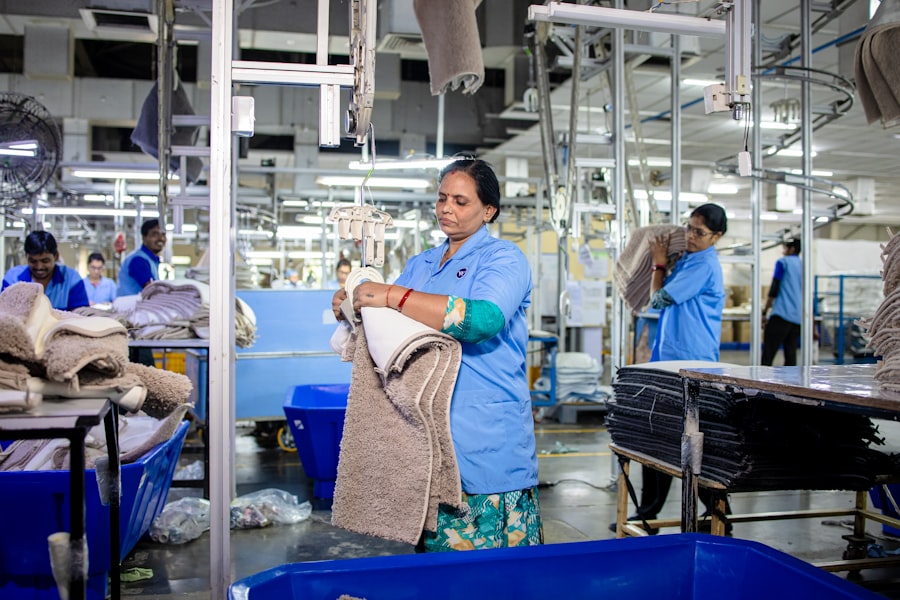
The PLI scheme strategically focuses on several key sectors that are deemed vital for India’s economic growth and self-sufficiency. Among these sectors are electronics, pharmaceuticals, automotive, textiles, and food processing. The electronics sector, in particular, has been identified as a priority area due to its potential for high-value exports and technological innovation.
By incentivizing companies to manufacture electronic components and devices domestically, India aims to reduce its dependence on imports from countries like China. In addition to electronics, the pharmaceutical sector has also received significant attention under the PLI scheme. India is already known as the “pharmacy of the world,” supplying affordable medicines globally.
The PLI scheme seeks to bolster this reputation by encouraging domestic production of critical drugs and active pharmaceutical ingredients (APIs). Similarly, the automotive sector is being targeted to promote electric vehicles and advanced manufacturing processes, aligning with global trends towards sustainability. By focusing on these key sectors, the PLI scheme aims to create a diversified manufacturing base that can drive economic growth and innovation.
Impact of the PLI scheme on job creation and economic growth
| Metric | Before PLI Scheme | After PLI Scheme | Impact |
|---|---|---|---|
| Number of Jobs Created (in lakhs) | 5 | 15 | +200% |
| Annual Economic Growth Rate (%) | 6.5 | 7.8 | +1.3% |
| Manufacturing Output Growth (%) | 4.2 | 9.0 | +4.8% |
| Investment in Manufacturing Sector (in billion) | 120 | 250 | +108% |
| Exports Growth (%) | 3.5 | 8.5 | +5.0% |
The implementation of the PLI scheme is expected to have a profound impact on job creation and overall economic growth in India. As companies respond to the incentives provided by the scheme, new manufacturing facilities are likely to emerge across various regions of the country. This expansion will not only create direct employment opportunities within factories but also generate indirect jobs in related sectors such as logistics, supply chain management, and retail.
The multiplier effect of job creation in manufacturing can significantly contribute to reducing unemployment rates and improving living standards for millions of Indians. Furthermore, the PLI scheme is anticipated to stimulate economic growth by attracting substantial foreign direct investment (FDI). As international companies recognize the potential benefits of setting up operations in India, they are likely to bring in capital, technology, and expertise that can enhance local production capabilities.
This influx of investment can lead to increased productivity and innovation within the manufacturing sector, ultimately contributing to higher GDP growth rates. By fostering a vibrant manufacturing ecosystem, the PLI scheme positions India as an attractive destination for global investors seeking new opportunities.
Analysis of the benefits and challenges of the PLI scheme
While the PLI scheme offers numerous benefits, it is not without its challenges. One of the primary advantages of the scheme is its potential to create a competitive manufacturing environment that encourages innovation and efficiency. By linking incentives directly to production levels, companies are motivated to optimize their operations and invest in advanced technologies.
This focus on performance can lead to improved product quality and reduced costs, making Indian manufacturers more competitive in global markets. However, challenges remain in ensuring the successful implementation of the PLI scheme. One significant hurdle is the need for adequate infrastructure development across various regions of India.
Manufacturing requires reliable transportation networks, power supply, and access to raw materials. Without addressing these infrastructural gaps, companies may hesitate to invest in new facilities or expand existing ones. Additionally, there may be concerns regarding bureaucratic hurdles and regulatory compliance that could impede swift decision-making for businesses looking to capitalize on the incentives offered by the PLI scheme.
Case studies of successful implementation of the PLI scheme in India

Several case studies illustrate the successful implementation of the PLI scheme across different sectors in India. One notable example is in the electronics sector, where companies like Foxconn and Wistron have ramped up their production capabilities for smartphones and components. These companies have not only expanded their manufacturing footprint but have also created thousands of jobs in regions like Karnataka and Tamil Nadu.
The success of these initiatives highlights how targeted incentives can attract global players to invest in India’s manufacturing landscape. Another compelling case study can be found in the pharmaceutical sector, where domestic companies have leveraged the PLI scheme to enhance their production of critical drugs and APIs. For instance, major Indian pharmaceutical firms have increased their output of essential medicines during times of global shortages, showcasing India’s capacity to meet both domestic and international demand.
These success stories underscore the potential of the PLI scheme to drive growth and innovation across various industries while reinforcing India’s position as a key player in global supply chains.
Comparison of India’s PLI scheme with similar initiatives in other countries
India’s PLI scheme can be compared with similar initiatives undertaken by other countries aiming to boost their manufacturing sectors. For instance, countries like Vietnam and Mexico have implemented policies that provide tax incentives and subsidies to attract foreign investment in manufacturing. These nations have successfully positioned themselves as alternative manufacturing hubs due to their favorable business environments and competitive labor costs.
However, India’s PLI scheme distinguishes itself through its comprehensive approach that targets specific sectors deemed critical for national interest. While other countries may offer generalized incentives, India’s strategy focuses on enhancing capabilities in high-potential industries such as electronics and pharmaceuticals. This targeted approach not only aims at attracting investment but also seeks to build indigenous capabilities that can withstand global competition over time.
Government’s role in promoting and sustaining the success of the PLI scheme
The Indian government’s role is pivotal in promoting and sustaining the success of the PLI scheme. Effective implementation requires a coordinated effort across various ministries and agencies to ensure that incentives are disbursed efficiently and transparently. Additionally, continuous engagement with industry stakeholders is essential for understanding their needs and addressing any challenges they may face during implementation.
This includes improving transportation networks, enhancing power supply reliability, and ensuring access to essential resources for manufacturers. By creating an enabling environment that fosters collaboration between public and private sectors, the government can maximize the impact of the PLI scheme and ensure its long-term sustainability.
Future prospects and potential expansion of the PLI scheme to other sectors
Looking ahead, there are promising prospects for expanding the PLI scheme into additional sectors beyond those currently targeted. As India continues its journey towards becoming a global manufacturing hub, sectors such as renewable energy, defense manufacturing, and biotechnology present significant opportunities for growth.
Furthermore, as global supply chains evolve in response to geopolitical shifts and environmental concerns, India’s strategic position can be enhanced by promoting local production across various sectors. The government may consider adapting the PLI framework to address emerging industries that hold potential for innovation and job creation. Such an expansion would not only strengthen India’s manufacturing capabilities but also contribute to its overall economic resilience.
Addressing concerns and criticisms surrounding the PLI scheme
Despite its potential benefits, concerns and criticisms surrounding the PLI scheme must be addressed proactively. One common criticism is that large corporations may disproportionately benefit from incentives while smaller businesses struggle to compete for resources or access support mechanisms. To mitigate this issue, policymakers should consider implementing measures that ensure equitable distribution of benefits across different scales of enterprises.
Additionally, transparency in incentive allocation is crucial for building trust among stakeholders. Clear guidelines on eligibility criteria and performance metrics can help alleviate concerns regarding favoritism or bureaucratic inefficiencies. Engaging with industry representatives through regular consultations can also provide valuable insights into potential pitfalls while fostering a collaborative approach towards achieving shared goals.
The role of the PLI scheme in India’s journey towards becoming a global manufacturing hub
In conclusion, India’s Production Linked Incentive (PLI) scheme plays a vital role in shaping the country’s trajectory towards becoming a global manufacturing hub. By strategically targeting key sectors and providing financial incentives linked to production levels, this initiative aims to enhance domestic capabilities while attracting foreign investment. The anticipated impact on job creation and economic growth underscores its significance in addressing pressing challenges such as unemployment and trade imbalances.
As India navigates its path forward, continuous evaluation and adaptation of the PLI scheme will be essential for maximizing its effectiveness. By addressing concerns related to equity and transparency while fostering collaboration between government and industry stakeholders, India can harness its potential as a manufacturing powerhouse on the world stage. Ultimately, the success of the PLI scheme will not only contribute to India’s economic resilience but also position it as a formidable player in global supply chains for years to come.
India’s Production Linked Incentive (PLI) scheme has been a significant step towards boosting domestic manufacturing and attracting foreign investment. For a deeper understanding of the implications and benefits of this initiative, you can read a related article on the topic at this link. This article provides insights into how the PLI scheme is expected to transform various sectors in India and enhance the country’s competitiveness on a global scale.
WATCH THIS! Why The West Is Losing Its Best Minds
FAQs
What is India’s Production Linked Incentive (PLI) Scheme?
India’s Production Linked Incentive (PLI) Scheme is a government initiative aimed at boosting domestic manufacturing and attracting large investments in key sectors by providing financial incentives based on incremental production and sales.
Which sectors are covered under the PLI Scheme?
The PLI Scheme covers multiple sectors including electronics manufacturing, pharmaceuticals, automobiles and auto components, telecom and networking products, textiles, food processing, and renewable energy, among others.
How does the PLI Scheme work?
The scheme offers financial incentives to eligible companies based on their incremental sales of manufactured goods over a base year. The incentives are typically a percentage of the incremental sales value and are provided for a fixed period, usually five years.
Who is eligible to apply for the PLI Scheme?
Eligibility criteria vary by sector but generally include companies engaged in manufacturing within India that meet specified investment and production thresholds. Both domestic and foreign companies can apply if they fulfill the requirements.
What are the objectives of the PLI Scheme?
The main objectives are to enhance India’s manufacturing capabilities, reduce import dependence, create jobs, promote exports, and make India a global manufacturing hub.
How long is the PLI Scheme valid?
The PLI Scheme is typically implemented for a period of five years from the date of approval for each sector, although this may vary depending on the specific guidelines issued by the government.
What benefits do companies receive under the PLI Scheme?
Companies receive financial incentives calculated as a percentage of incremental sales, which helps reduce production costs and improve competitiveness. Additional benefits may include enhanced market access and support for technology upgrades.
How does the PLI Scheme impact India’s economy?
The scheme is designed to stimulate domestic manufacturing, increase exports, generate employment, and attract foreign direct investment, thereby contributing to overall economic growth and self-reliance.
Where can companies apply for the PLI Scheme?
Applications are typically submitted to the respective administrative ministry or department overseeing the sector, such as the Ministry of Electronics and Information Technology or the Department for Promotion of Industry and Internal Trade (DPIIT).
Is the PLI Scheme applicable to startups and small businesses?
While the scheme primarily targets large manufacturers, startups and small businesses may be eligible if they meet the specific criteria set for each sector. However, the focus is generally on companies with significant production capacity.