
In recent years, India has emerged as a significant player on the global stage, showcasing its multifaceted influence across various domains.
This diversity, coupled with a rapidly growing economy, has positioned India as a key actor in international affairs.
As the nation continues to assert itself, it is essential to explore the various dimensions of its rising influence and the implications for both regional and global dynamics. India’s ascent is marked by a confluence of historical legacies and contemporary developments. The country’s rich heritage, combined with its strategic geopolitical location, has allowed it to play a pivotal role in shaping regional stability and fostering economic partnerships.
As the world grapples with complex challenges such as climate change, security threats, and economic disparities, India’s contributions are increasingly recognized as vital to addressing these issues. The following sections delve into the various aspects of India’s influence, highlighting its economic growth, political power, cultural impact, and more.
Key Takeaways
- India is rapidly emerging as a significant global economic and political power.
- Its advancements in technology and contributions to international organizations enhance its global standing.
- India plays a crucial role in global security and climate change initiatives.
- Diplomatic relations with Western countries are strengthening India’s influence worldwide.
- Despite challenges, India’s cultural impact and strategic opportunities position it for continued growth on the world stage.
Economic Growth and Global Impact
India’s economic trajectory has been nothing short of remarkable over the past few decades. Transitioning from a primarily agrarian economy to one characterized by rapid industrialization and technological advancement, India has become one of the fastest-growing major economies in the world. The liberalization of its economy in the early 1990s set the stage for unprecedented growth, attracting foreign investment and fostering entrepreneurship.
This economic boom has not only improved living standards for millions but has also positioned India as a crucial player in global trade. The implications of India’s economic growth extend far beyond its borders. As the country continues to expand its manufacturing capabilities and service sectors, it has become an essential hub for multinational corporations seeking to tap into its vast consumer market.
India’s burgeoning middle class is driving demand for goods and services, making it an attractive destination for investment. Furthermore, India’s participation in global supply chains has increased its influence in international markets, allowing it to play a significant role in shaping global economic policies.
India’s Political Power on the World Stage
India’s political landscape is characterized by its democratic values and commitment to pluralism. As a member of various international organizations, including the United Nations and the G20, India wields considerable political power on the world stage. Its status as a nuclear-armed state further enhances its geopolitical significance, allowing it to engage with other major powers on critical issues such as security and trade.
In recent years, India’s foreign policy has evolved to reflect its aspirations for greater global leadership. The country has sought to strengthen its ties with both developed and developing nations, advocating for a multipolar world order that respects the sovereignty of all states. India’s active participation in regional forums such as the South Asian Association for Regional Cooperation (SAARC) and the Shanghai Cooperation Organization (SCO) underscores its commitment to fostering cooperation and dialogue among nations.
This political engagement not only enhances India’s standing but also contributes to regional stability and development.
India’s Role in Global Security
| Aspect | Details | Metrics / Data |
|---|---|---|
| Military Strength | Active personnel in armed forces | Approx. 1.45 million active personnel (2024) |
| Defense Budget | Annual defense expenditure | Approx. 76 billion USD (2023-24) |
| Peacekeeping Contributions | UN Peacekeeping missions participation | Over 200,000 personnel contributed since 1950s |
| Counterterrorism | Operations and intelligence sharing | Multiple joint exercises with global partners annually |
| Strategic Alliances | Membership in global security forums | Member of G20, SCO (observer), Quad alliance participant |
| Cybersecurity | National cybersecurity initiatives | National Cyber Security Policy 2013; ongoing upgrades |
| Nuclear Capability | Declared nuclear weapons state | Approx. 160-170 nuclear warheads (2024 estimate) |
| Maritime Security | Naval presence in Indian Ocean Region | 3rd largest navy in Asia; regular joint naval exercises |
As global security challenges become increasingly complex, India’s role in maintaining peace and stability has gained prominence. The country has been actively involved in peacekeeping missions under the auspices of the United Nations, contributing troops and resources to conflict zones around the world. This commitment to international peace reflects India’s dedication to upholding global norms and promoting stability in regions affected by conflict.
Moreover, India has taken significant steps to enhance its national security capabilities in response to emerging threats such as terrorism and cyber warfare. The establishment of strategic partnerships with countries like the United States, Japan, and Australia has bolstered India’s defense posture and facilitated intelligence sharing. By participating in joint military exercises and defense collaborations, India is not only strengthening its own security but also contributing to collective security efforts in the Indo-Pacific region.
India’s Cultural Influence
India’s cultural heritage is a rich tapestry woven from centuries of history, philosophy, art, and spirituality. This cultural wealth has transcended borders, influencing societies around the globe. From yoga and meditation to Bollywood films and Indian cuisine, elements of Indian culture have found their way into the hearts and homes of people worldwide.
This cultural diffusion serves as a powerful tool for soft diplomacy, fostering goodwill and understanding among nations. The Indian diaspora plays a crucial role in amplifying this cultural influence. With millions of Indians living abroad, they serve as cultural ambassadors, sharing their traditions and values with their host countries.
Festivals like Diwali and Holi are celebrated globally, showcasing India’s vibrant culture while promoting intercultural dialogue. As India continues to assert its presence on the world stage, its cultural influence remains a vital aspect of its identity and international relations.
India’s Diplomatic Relations with the West
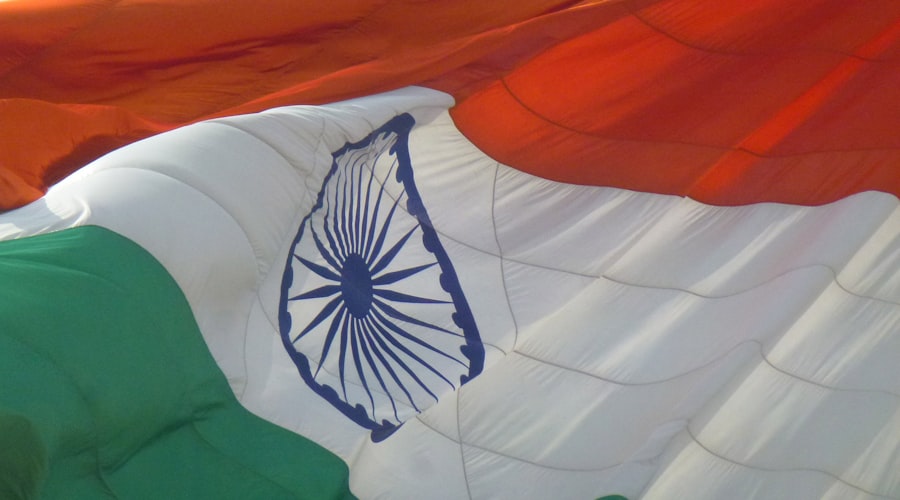
India’s diplomatic relations with Western nations have evolved significantly over the past few decades. Historically characterized by non-alignment during the Cold War era, India has shifted towards forging strategic partnerships with countries like the United States and members of the European Union. This shift reflects India’s recognition of the importance of collaboration in addressing global challenges such as terrorism, climate change, and economic development.
The strengthening of ties with Western nations has been marked by high-level visits, trade agreements, and defense collaborations. The U.S.-India Strategic Partnership exemplifies this growing relationship, encompassing areas such as defense cooperation, technology transfer, and counterterrorism efforts. As India continues to engage with Western powers, it seeks to balance its relationships with other global players while asserting its own interests on the international stage.
India’s Technological Advancements
India’s technological landscape has witnessed remarkable advancements in recent years, positioning the country as a global leader in innovation and digital transformation. The rise of information technology (IT) hubs like Bengaluru and Hyderabad has propelled India into the forefront of the global tech industry. With a thriving startup ecosystem and a pool of skilled professionals, India is becoming a hotbed for technological innovation.
The government’s initiatives to promote digital literacy and entrepreneurship have further fueled this growth. Programs like “Digital India” aim to enhance access to technology across various sectors, from education to healthcare. As India embraces emerging technologies such as artificial intelligence (AI), blockchain, and renewable energy solutions, it is not only driving economic growth but also contributing to global technological advancements.
India’s Influence in International Organizations
India’s active participation in international organizations underscores its commitment to multilateralism and global governance. As a founding member of institutions like the United Nations and the World Trade Organization (WTO), India plays a crucial role in shaping international norms and policies. Its engagement in these forums reflects its aspirations for greater representation and influence in global decision-making processes.
India’s leadership within organizations such as BRICS (Brazil, Russia, India, China, South Africa) highlights its role as a bridge between developed and developing nations. Through these platforms, India advocates for reforms that address issues such as poverty alleviation, sustainable development, and equitable trade practices. By championing the interests of emerging economies, India is positioning itself as a voice for the Global South in international discourse.
India’s Impact on Climate Change and Environmental Policies
As one of the world’s largest emitters of greenhouse gases, India faces significant challenges related to climate change. However, it is also emerging as a leader in advocating for sustainable development and environmental protection on the global stage. India’s commitment to renewable energy sources is evident through initiatives like the International Solar Alliance (ISA), which aims to promote solar energy adoption worldwide.
India’s approach to climate change emphasizes the need for equitable solutions that consider the developmental needs of emerging economies. By participating in international climate negotiations such as the Paris Agreement, India seeks to balance economic growth with environmental sustainability. Its focus on green technologies and sustainable practices reflects a growing recognition of the interconnectedness between economic development and environmental stewardship.
Challenges and Opportunities for India’s Rising Influence
Despite its impressive progress, India faces several challenges that could impact its rising influence on the global stage. Issues such as poverty alleviation, income inequality, and social cohesion remain pressing concerns that require concerted efforts from both government and civil society. Additionally, regional tensions with neighboring countries pose risks to stability and security.
However, these challenges also present opportunities for India to demonstrate leadership and resilience. By addressing domestic issues through inclusive policies and sustainable development initiatives, India can strengthen its position as a responsible global actor. Furthermore, fostering regional cooperation through initiatives like the South Asian Association for Regional Cooperation (SAARC) can enhance stability while promoting economic growth.
The Future of India’s Influence on the Global Stage
As India continues to navigate an increasingly complex global landscape, its influence is poised to grow even further. With a strong foundation built on economic growth, political engagement, cultural richness, and technological innovation, India is well-positioned to play a pivotal role in shaping future global dynamics. The country’s commitment to multilateralism and sustainable development will be crucial in addressing pressing global challenges.
Looking ahead, India’s ability to leverage its strengths while addressing internal challenges will determine its trajectory on the world stage. By fostering inclusive growth and strengthening diplomatic ties with both developed and developing nations, India can enhance its influence while contributing positively to global governance. As it embraces this journey towards greater prominence, India’s rising influence will undoubtedly leave an indelible mark on the future of international relations.
India’s rise as a global power is increasingly challenging Western dominance in various sectors, from technology to geopolitics. A related article that delves into this topic is available at this link, where the dynamics of India’s strategic initiatives and their implications for Western countries are explored in detail. As India continues to assert its influence on the world stage, understanding these shifts becomes crucial for comprehending the future of international relations.
WATCH THIS! Why The West Is Losing Its Best Minds
FAQs
What is the main focus of the article “How India is Challenging the West”?
The article explores the various ways in which India is emerging as a significant global player, challenging Western dominance in economic, technological, and geopolitical arenas.
In what sectors is India challenging Western countries?
India is making notable advances in sectors such as information technology, pharmaceuticals, space exploration, manufacturing, and digital services, positioning itself as a competitive alternative to Western countries.
How is India’s economic growth impacting the global landscape?
India’s rapid economic growth, driven by a large and young population, increasing foreign investment, and expanding domestic markets, is reshaping global trade patterns and attracting multinational corporations.
What role does technology play in India’s challenge to the West?
India’s thriving tech industry, including startups and established IT firms, is driving innovation and digital transformation, enabling the country to compete with Western technology hubs.
How is India’s geopolitical strategy influencing its position relative to the West?
India is strengthening its diplomatic ties with various countries, participating actively in international organizations, and pursuing strategic partnerships to enhance its global influence and counterbalance Western powers.
What challenges does India face in its efforts to challenge the West?
Despite its progress, India faces challenges such as infrastructure deficits, regulatory hurdles, income inequality, and geopolitical tensions that could impact its ability to sustain growth and global influence.
How does India’s demographic profile contribute to its global challenge?
With one of the youngest populations in the world, India has a large workforce that can drive economic growth, innovation, and consumption, providing a demographic advantage over many Western countries with aging populations.
Is India’s cultural influence also part of its challenge to the West?
Yes, India’s rich cultural heritage, Bollywood film industry, cuisine, and diaspora contribute to its soft power, enhancing its global presence and influence beyond economic and political spheres.