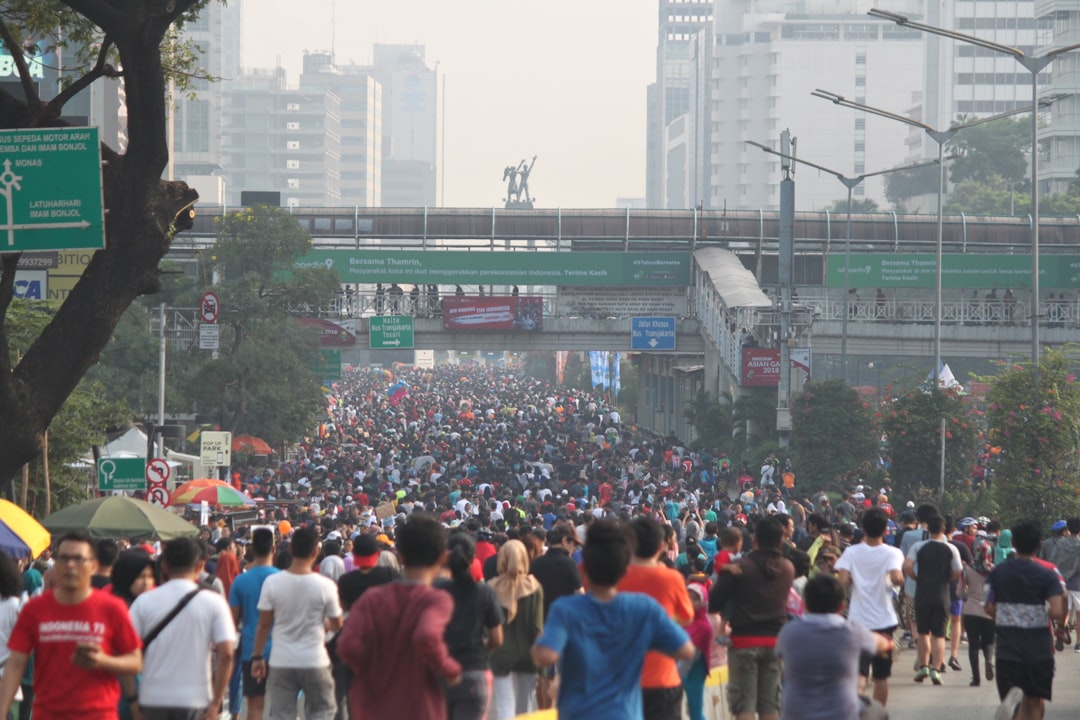
Population growth has emerged as a significant factor influencing the development and sustainability of infrastructure in urban and rural areas alike. As cities expand and rural communities experience an influx of residents, the demand for essential services and facilities escalates. This surge in population often leads to increased pressure on existing infrastructure, which may not have been designed to accommodate such rapid growth.
Roads, bridges, public transportation systems, and utilities can become overwhelmed, resulting in congestion, delays, and a decline in the quality of life for residents. The strain on infrastructure can also hinder economic development, as businesses may be reluctant to invest in areas where basic services are lacking. Moreover, the impact of population growth on infrastructure is not uniform across different regions.
Urban centers may experience a more pronounced strain due to higher population densities, while rural areas may struggle with underutilized infrastructure that fails to meet the needs of new residents. This disparity can lead to uneven development, where some areas thrive while others lag behind.
Key Takeaways
- Population growth puts a strain on infrastructure, leading to increased demand for services and facilities.
- Meeting the needs of a growing population presents challenges in providing adequate infrastructure and services.
- Lack of investment in infrastructure leads to deterioration and inability to meet the needs of the population.
- Transportation systems face strain due to population growth, leading to congestion and inefficiency.
- Inadequate access to healthcare and education facilities is a result of population growth, impacting the well-being and development of the population.
Challenges of Meeting the Needs of a Growing Population
As populations continue to swell, meeting the diverse needs of these communities presents a formidable challenge. One of the primary issues is the increasing demand for housing, which often outpaces supply. In many urban areas, the rapid influx of residents has led to skyrocketing property prices and rental costs, making it difficult for families to find affordable housing.
This situation is exacerbated by zoning laws and land-use regulations that can restrict the development of new housing units, further complicating efforts to accommodate growing populations. In addition to housing, there is a pressing need for enhanced public services such as education and healthcare. Schools may become overcrowded, leading to larger class sizes and diminished educational outcomes for students.
Similarly, healthcare facilities may struggle to provide adequate care as patient volumes rise, resulting in longer wait times and reduced access to essential services. Addressing these challenges requires a comprehensive approach that considers not only the immediate needs of a growing population but also the long-term implications for community well-being and economic stability.
Lack of Investment in Infrastructure

A significant barrier to addressing the challenges posed by population growth is the lack of investment in infrastructure. Many governments face budget constraints that limit their ability to fund necessary projects, leading to a backlog of maintenance and upgrades. Aging infrastructure can become a liability, as outdated systems are less efficient and more prone to failure.
This lack of investment can create a vicious cycle where deteriorating infrastructure further deters economic growth and exacerbates social inequalities. Furthermore, the prioritization of short-term gains over long-term planning often results in inadequate funding for infrastructure projects. Politicians may focus on initiatives that yield immediate benefits to constituents rather than investing in foundational systems that will support future growth.
This shortsightedness can lead to a failure to address critical infrastructure needs, leaving communities vulnerable to the consequences of neglect. To break this cycle, it is essential for governments to adopt a more strategic approach to infrastructure investment that balances immediate needs with long-term sustainability.
Strain on Transportation Systems
| City | Population | Number of Vehicles | Public Transportation Ridership |
|---|---|---|---|
| New York City | 8,336,817 | 2,000,000 | 5,392,000 |
| Tokyo | 9,273,000 | 4,000,000 | 8,700,000 |
| London | 8,982,000 | 2,600,000 | 4,800,000 |
Transportation systems are among the most visibly affected aspects of infrastructure due to population growth. As more people move into urban areas, roadways become congested, public transit systems face increased demand, and traffic accidents rise. The inefficiencies created by overcrowded transportation networks can lead to significant economic losses as commuters spend more time in transit and businesses struggle with delayed deliveries.
In many cases, existing transportation infrastructure is unable to keep pace with the rapid changes in population dynamics. Moreover, the strain on transportation systems can have broader implications for environmental sustainability. Increased vehicle emissions from traffic congestion contribute to air pollution and climate change, while inadequate public transit options can discourage residents from using more sustainable modes of transportation.
To mitigate these issues, cities must invest in expanding and modernizing their transportation networks, incorporating innovative solutions such as smart traffic management systems and enhanced public transit options that cater to the needs of a growing population.
Inadequate Access to Healthcare and Education Facilities
The challenges posed by population growth extend beyond transportation systems; they also significantly impact access to healthcare and education facilities. As communities expand, healthcare providers may struggle to keep up with the rising demand for services. Hospitals and clinics can become overwhelmed, leading to longer wait times for patients and reduced quality of care.
This situation is particularly concerning for vulnerable populations who may already face barriers to accessing healthcare. Similarly, educational institutions often find themselves ill-equipped to handle an influx of students. Overcrowded classrooms can hinder effective teaching and learning, while limited resources may prevent schools from offering essential programs and services.
The lack of adequate facilities can have long-term consequences for students’ academic performance and future opportunities.
Housing Shortages and Affordability Issues

Housing shortages have become a pressing issue in many regions experiencing population growth. As demand for housing outstrips supply, prices soar, making it increasingly difficult for families to find affordable options. This crisis is particularly acute in urban areas where land is limited and development costs are high.
The result is often a widening gap between income levels and housing costs, leading to increased rates of homelessness and housing instability. To combat these challenges, innovative solutions are needed that prioritize affordable housing development while also considering community needs. Strategies such as increasing density through mixed-use developments or repurposing underutilized properties can help alleviate some of the pressure on housing markets.
Additionally, governments must explore policies that promote affordable housing initiatives, such as tax incentives for developers or funding for public housing projects. By addressing housing shortages head-on, communities can work towards creating inclusive environments where all residents have access to safe and affordable living conditions.
Environmental Concerns and Infrastructure Development
The intersection of population growth and infrastructure development raises significant environmental concerns that cannot be overlooked. As communities expand, natural habitats are often disrupted or destroyed in favor of new construction projects. This loss of green spaces not only impacts local ecosystems but also diminishes residents’ quality of life by reducing access to parks and recreational areas.
Furthermore, increased urbanization contributes to issues such as air and water pollution, which can have detrimental effects on public health. To address these environmental challenges, it is crucial for planners and policymakers to adopt sustainable practices in infrastructure development. This includes prioritizing green building techniques, investing in renewable energy sources, and implementing strategies that promote biodiversity conservation.
By integrating environmental considerations into infrastructure planning, communities can work towards creating resilient systems that support both population growth and ecological health.
The Role of Government in Addressing Infrastructure Deficiencies
Governments play a pivotal role in addressing infrastructure deficiencies exacerbated by population growth. Through strategic planning and investment, they can help ensure that communities have access to essential services that meet the needs of their residents. This involves not only allocating funds for new projects but also prioritizing maintenance and upgrades for existing infrastructure systems that may be aging or inadequate.
Moreover, effective governance requires collaboration between various levels of government—local, state, and federal—to create cohesive strategies that address infrastructure challenges comprehensively. Engaging with community stakeholders is also vital; their input can provide valuable insights into local needs and priorities. By fostering partnerships between government entities, private sector stakeholders, and community organizations, a more holistic approach can be developed that addresses both immediate concerns and long-term sustainability.
Potential Solutions for Improving Infrastructure
To improve infrastructure in light of growing populations, several potential solutions can be explored. One approach is leveraging technology to enhance efficiency in service delivery. Smart city initiatives that utilize data analytics can optimize traffic flow, improve energy management systems, and streamline public services.
Additionally, investing in renewable energy sources can reduce reliance on fossil fuels while promoting sustainability within infrastructure development. Another solution involves fostering public-private partnerships (PPPs) that can mobilize resources for infrastructure projects. By collaborating with private entities, governments can tap into additional funding sources while benefiting from innovative approaches to project execution.
Furthermore, engaging communities in the planning process ensures that infrastructure developments align with local needs and priorities—ultimately leading to more successful outcomes.
The Importance of Long-Term Planning for Sustainable Infrastructure
Long-term planning is essential for creating sustainable infrastructure that can adapt to changing population dynamics over time. Governments must prioritize comprehensive assessments that consider future growth projections alongside environmental impacts when developing infrastructure strategies. This forward-thinking approach allows for proactive measures rather than reactive responses to emerging challenges.
Incorporating flexibility into infrastructure design is also crucial; systems should be able to accommodate future technological advancements or shifts in demographic trends without requiring complete overhauls. By investing in adaptable solutions today, communities can build resilience against potential disruptions while ensuring that their infrastructure remains relevant for generations to come.
The Need for Public Awareness and Support for Infrastructure Development
Public awareness plays a critical role in garnering support for infrastructure development initiatives aimed at addressing the challenges posed by population growth. Educating residents about the importance of investing in infrastructure not only fosters community engagement but also encourages advocacy for necessary funding measures at local and state levels. Moreover, transparent communication regarding infrastructure projects—such as timelines, costs, and expected benefits—can help build trust between governments and constituents.
When residents understand how proposed developments will enhance their quality of life or contribute positively to their communities’ futures, they are more likely to support these initiatives actively. Ultimately, fostering public awareness is key to ensuring that infrastructure development remains a priority amidst competing demands on government resources.
As cities across the globe experience a significant population surge, the strain on existing infrastructure becomes increasingly evident. This issue is explored in detail in a related article that discusses the challenges and potential solutions to infrastructure lag in rapidly growing urban areas. For more insights, you can read the full article [here](https://www.realloreandorder.com/sample-page/).
WATCH THIS! Why Australia’s Middle Class Is Disappearing
FAQs
What is infrastructure lag population surge?
Infrastructure lag population surge refers to the situation where the population of an area grows rapidly, but the infrastructure and public services in that area do not keep pace with the population growth. This can lead to overcrowding, traffic congestion, inadequate housing, and strained public services.
What are the causes of infrastructure lag population surge?
Infrastructure lag population surge can be caused by factors such as rapid urbanization, migration, natural population growth, and inadequate urban planning. These factors can lead to an imbalance between population growth and the capacity of infrastructure and public services to support that growth.
What are the impacts of infrastructure lag population surge?
The impacts of infrastructure lag population surge can include increased traffic congestion, overcrowding in public transportation, inadequate housing, strain on public services such as healthcare and education, and environmental degradation. These impacts can negatively affect the quality of life for residents in the affected area.
How can infrastructure lag population surge be addressed?
Addressing infrastructure lag population surge requires comprehensive urban planning, investment in infrastructure and public services, and sustainable development strategies. This may involve building new transportation networks, expanding housing options, improving public services, and implementing policies to manage population growth in a sustainable manner.