
In recent years, the rental housing market has experienced a significant transformation with the increased presence of institutional landlords. These large corporations and investment firms have acquired extensive portfolios of residential properties, driven by factors including low interest rates, rising demand for rental housing, and the prospect of consistent investment returns. This expansion has fundamentally altered rental market dynamics, creating both advantages and disadvantages for tenants.
The emergence of institutional landlords has transformed property management practices. Unlike individual property owners who typically maintain personal connections to their properties, institutional landlords operate with a primary focus on profit maximization and operational efficiency. This approach has introduced standardized property management systems that rely on data analytics for decision-making rather than personal tenant relationships.
While these systems can enhance operational processes and reduce maintenance response times, they often result in reduced personal interaction between property managers and tenants, potentially affecting the overall rental experience.
Key Takeaways
- Institutional landlords are increasingly dominating rental markets, affecting availability and pricing.
- Rising rental prices and limited affordable housing options are major challenges for tenants.
- Government regulation and oversight are crucial to managing the impact of large-scale landlords.
- Individual landlords face difficulties competing with institutional investors in the rental market.
- Strategies and potential solutions are needed to help renters cope with and mitigate rent increases.
Impact on Local Rental Markets
The influx of institutional landlords into local rental markets has had profound implications for both tenants and communities. As these entities acquire multiple properties in a given area, they can exert significant influence over local rental prices and availability. You may have noticed that in neighborhoods where institutional investors have made substantial purchases, rental prices tend to rise more rapidly than in areas dominated by individual landlords.
This can lead to increased competition for available units, making it more challenging for you to find affordable housing. Moreover, the presence of institutional landlords can alter the character of neighborhoods. With a focus on maximizing profits, these landlords may prioritize high-end renovations and amenities that cater to wealthier tenants, potentially displacing long-term residents who can no longer afford to live in their homes.
This gentrification process can erode the sense of community and cultural diversity that many neighborhoods cherish, leaving you to wonder about the long-term implications for local identity and cohesion.
Lack of Affordable Housing Options

As institutional landlords continue to dominate the rental market, the availability of affordable housing options has become increasingly scarce. You may have experienced firsthand the frustration of searching for a rental unit that fits your budget, only to find that many listings are out of reach financially. Institutional investors often target properties that can be upgraded and marketed at higher price points, leaving fewer options for those seeking affordable housing.
This trend is particularly concerning given the growing number of individuals and families who are struggling to make ends meet. With wages stagnating and living costs rising, you might find yourself in a precarious situation where your housing costs consume a significant portion of your income. The lack of affordable options not only affects your immediate living situation but also has broader implications for community stability and economic mobility.
Influence on Rental Prices
The influence of institutional landlords on rental prices cannot be overstated. As these entities acquire more properties, they often set the market rate for rents in their areas. You may have noticed that when one large landlord raises their prices, others tend to follow suit, creating a ripple effect that drives up costs across the board.
This phenomenon can make it increasingly difficult for you to secure a rental that fits within your budget. Additionally, institutional landlords often employ sophisticated pricing strategies based on market data and trends. This means that they are not only aware of what similar properties are charging but also how to position their units to maximize profitability.
As a result, you may find yourself facing rent increases that seem disconnected from your local economic conditions or personal circumstances. The pressure to keep up with rising rents can lead to financial strain and uncertainty for many renters.
Challenges for Individual Landlords
| Year | Average Rent Increase (%) | Number of Institutional Landlords Surveyed | Region | Notes |
|---|---|---|---|---|
| 2021 | 4.2 | 50 | United States | Post-pandemic recovery period |
| 2022 | 5.1 | 55 | United States | Increased demand in urban areas |
| 2023 | 6.3 | 60 | United States | Inflation impact on rent prices |
| 2023 | 3.8 | 40 | Europe | Regulatory caps on rent increases |
| 2024 (Q1) | 4.5 | 65 | United States | Continued inflation and housing demand |
While institutional landlords have gained prominence in the rental market, individual landlords face unique challenges in this evolving landscape. You might be an individual landlord yourself or know someone who is; either way, it’s clear that competing with large corporations can be daunting. Institutional investors often have access to greater resources, allowing them to make significant renovations or offer amenities that individual landlords may struggle to provide.
Moreover, the presence of institutional landlords can create an uneven playing field when it comes to tenant retention and marketing strategies. You may find it increasingly difficult to attract tenants who are drawn to the allure of professionally managed properties with modern amenities. This competition can lead to longer vacancy periods for individual landlords, ultimately impacting their bottom line and ability to maintain their properties.
Tenant Experiences with Institutional Landlords
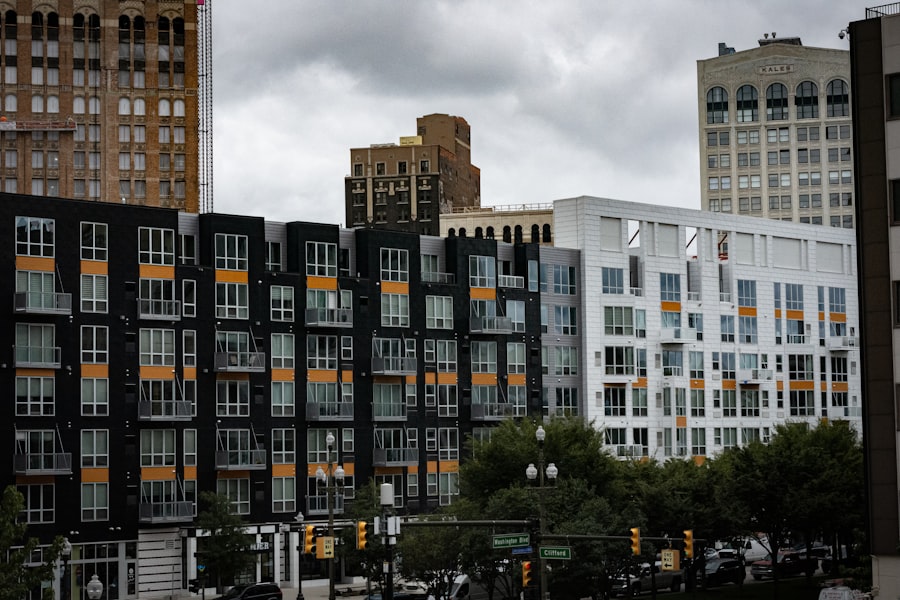
Your experience as a tenant under an institutional landlord may differ significantly from that of an individual landlord. While some institutional landlords strive to provide quality service and maintain their properties effectively, others may prioritize profit over tenant satisfaction. You might encounter situations where maintenance requests take longer to address or where communication feels impersonal and bureaucratic.
Additionally, the scale at which institutional landlords operate can lead to a lack of accountability. If you face issues with your unit or have concerns about your living conditions, you may find it challenging to get timely responses or resolutions. This disconnect can foster feelings of frustration and helplessness among tenants, as you navigate a system that seems more focused on numbers than on people.
Government Regulation and Oversight
As the influence of institutional landlords grows, so too does the need for government regulation and oversight in the rental market. You may have noticed discussions around policies aimed at protecting tenants from unfair practices or excessive rent increases. However, implementing effective regulations can be complex, especially when balancing the interests of landlords and tenants.
Government intervention can take various forms, from rent control measures to stricter enforcement of housing codes. You might support initiatives that promote transparency in rental pricing or require institutional landlords to maintain certain standards in their properties. However, it’s essential to consider how these regulations could impact the overall rental market and whether they might inadvertently discourage investment in new housing developments.
Strategies for Renters to Navigate Rising Prices
As rental prices continue to rise due to the influence of institutional landlords, you may be seeking strategies to navigate this challenging landscape. One approach is to broaden your search criteria when looking for rental units. By considering neighborhoods that are slightly outside your preferred area or exploring different types of housing arrangements, you may uncover more affordable options.
Another strategy is to build relationships with local landlords or property managers.
By establishing rapport with these landlords, you might find opportunities for negotiation on rent or lease terms that could benefit both parties.
The Role of Real Estate Investment Trusts (REITs)
Real Estate Investment Trusts (REITs) play a significant role in the rise of institutional landlords within the rental market. These companies pool capital from investors to purchase and manage income-generating real estate properties, including residential units. You may have encountered REITs while researching investment opportunities or exploring rental options; they are often seen as a way for individuals to invest in real estate without directly owning property.
While REITs can provide benefits such as increased liquidity and diversification for investors, their impact on local rental markets can be mixed. You might appreciate the potential for improved property management and maintenance standards that come with professional oversight; however, you may also be concerned about how their profit-driven motives could affect rental prices and availability in your community.
Long-term Effects on Community Stability
The long-term effects of institutional landlords on community stability are complex and multifaceted. As these entities continue to acquire properties and influence rental markets, you may witness shifts in neighborhood demographics and social dynamics. The displacement of long-term residents due to rising rents can erode community ties and disrupt local networks that contribute to stability.
This transformation can lead to a loss of cultural identity and diversity within communities, raising questions about what it means to belong in an increasingly homogenized environment.
Potential Solutions to Address Rent Price Increases
Addressing rent price increases driven by institutional landlords requires a multifaceted approach involving collaboration between government entities, community organizations, and tenants like yourself. One potential solution is the implementation of rent control measures that limit how much landlords can increase rents annually. While this approach has its critics, it could provide immediate relief for renters struggling with rising costs.
Another avenue worth exploring is the development of affordable housing initiatives funded by public-private partnerships. By incentivizing developers to create affordable units alongside market-rate housing, communities can work towards increasing the availability of options for renters at various income levels. As a tenant, advocating for such initiatives within your community could help ensure that affordable housing remains a priority amidst growing competition from institutional landlords.
In conclusion, as you navigate the evolving landscape shaped by institutional landlords, it’s essential to stay informed about your rights as a tenant and engage with local efforts aimed at promoting affordable housing solutions. By understanding the dynamics at play in your rental market and advocating for policies that prioritize community stability, you can contribute to creating a more equitable housing environment for all residents.
Recent discussions surrounding institutional landlords and their rent increases have sparked significant debate among tenants and housing advocates. A related article that delves into the implications of these rent hikes can be found on Real Lore and Order, which explores the broader impact on communities and the housing market. For more insights, you can read the article [here](https://www.realloreandorder.com/).
FAQs
What are institutional landlords?
Institutional landlords are large organizations or companies that own and manage multiple rental properties. These can include real estate investment trusts (REITs), pension funds, insurance companies, and other investment entities.
Why do institutional landlords increase rent?
Institutional landlords may increase rent to cover rising operational costs, property maintenance, inflation, market demand, and to achieve desired investment returns.
How often can institutional landlords raise rent?
The frequency of rent increases depends on local laws and lease agreements. Some jurisdictions limit how often rent can be raised, while others allow increases at the end of each lease term.
Are there regulations controlling rent increases by institutional landlords?
Yes, many regions have rent control or rent stabilization laws that regulate the amount and frequency of rent increases, including those imposed by institutional landlords.
Do institutional landlords have different rent increase practices compared to individual landlords?
Institutional landlords often have standardized policies and may implement rent increases more systematically, whereas individual landlords might adjust rents on a case-by-case basis.
How can tenants respond to rent increases from institutional landlords?
Tenants can review their lease agreements, understand local tenant protection laws, negotiate with landlords, or seek assistance from tenant advocacy groups if they believe rent increases are unfair.
What impact do rent increases by institutional landlords have on the rental market?
Rent increases by institutional landlords can influence overall market rents, potentially leading to higher housing costs in areas with significant institutional ownership.
Are rent increases by institutional landlords disclosed publicly?
Disclosure requirements vary by jurisdiction. Some areas require landlords to notify tenants in writing before a rent increase, but public disclosure of rent increases is generally not mandatory.