
In recent years, the rental housing market has undergone a notable transformation with the increasing presence of institutional landlords. These large corporations and investment firms have acquired extensive portfolios of residential properties, driven by favorable interest rates, increasing rental demand, and the pursuit of consistent investment returns. This development is significantly altering rental market dynamics and affecting tenant experiences.
The emergence of institutional landlords represents a structural change in rental property ownership and management models. Unlike individual landlords who typically own one or several units, institutional entities often control thousands of apartments across diverse geographic locations. This scale enables them to implement standardized operational procedures and technological solutions that increase efficiency.
However, this transition raises concerns about potential impacts on tenants, as the personalized approach characteristic of smaller landlords may diminish within larger management structures.
Key Takeaways
- Institutional landlords are increasingly dominating rental markets, reshaping housing dynamics.
- Their business models often prioritize profit, leading to potential rent increases and affordability challenges.
- Regulatory efforts face difficulties in effectively controlling rent hikes imposed by large institutional landlords.
- Institutional landlords significantly influence urban development and neighborhood changes.
- Tenants need strategic approaches to manage rent hikes and balance interests with institutional landlords.
Impact of Institutional Landlords on Rental Markets
As institutional landlords gain prominence, their influence on rental markets becomes increasingly evident. One of the most significant impacts you might observe is the consolidation of rental properties, which can lead to reduced competition among landlords. With fewer independent landlords in the market, you may find that your options for affordable housing become limited.
This consolidation can also result in a more uniform rental experience, where properties managed by institutional landlords often share similar amenities and pricing structures. Moreover, institutional landlords tend to prioritize profitability, which can lead to changes in how properties are maintained and marketed. You may notice that these landlords focus on high-end amenities and luxury features to attract higher-paying tenants, potentially neglecting the needs of lower-income renters.
Potential Rent Hikes from Institutional Landlords
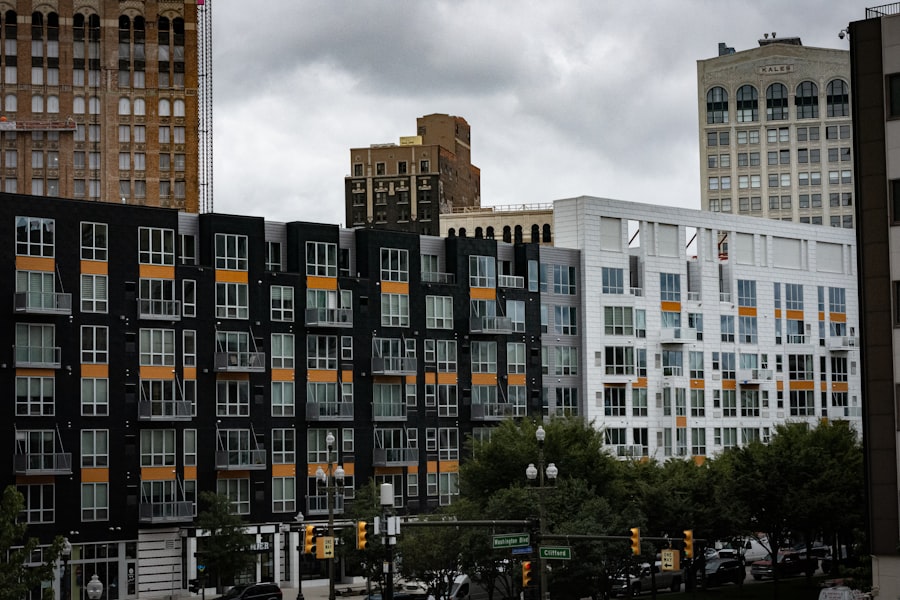
One of the most pressing concerns regarding institutional landlords is the potential for rent hikes. As these entities seek to maximize their returns on investment, they may implement significant rent increases that can strain your budget. You might find that rent hikes are justified by claims of rising operational costs or improvements made to the property.
However, these increases can often outpace wage growth and inflation, making it increasingly difficult for you to afford your home. Additionally, institutional landlords may employ aggressive pricing strategies that can further exacerbate rent hikes. For instance, they might raise rents significantly upon lease renewal or when a unit becomes vacant, capitalizing on market demand.
As institutional landlords continue to dominate the market, it is essential to remain vigilant about your rights as a tenant and be prepared for potential financial challenges.
Understanding the Business Model of Institutional Landlords
To better navigate the complexities of dealing with institutional landlords, it is crucial to understand their business model. These entities typically operate on a scale that allows them to leverage economies of scale, reducing costs and increasing profitability. You may find that they invest heavily in technology and data analytics to optimize their operations and enhance tenant experiences.
This focus on efficiency can lead to streamlined processes for maintenance requests and rent collection but may also result in a lack of personalized service. Institutional landlords often rely on long-term investment strategies, viewing rental properties as stable assets that generate consistent cash flow over time. This perspective can influence their decision-making processes, as they prioritize maintaining occupancy rates and minimizing turnover costs.
As a tenant, you might experience the effects of this model through policies aimed at retaining residents, such as offering incentives for lease renewals or implementing flexible lease terms. However, it is essential to remain aware that their primary goal is profitability, which can sometimes come at your expense.
How Institutional Landlords Affect Housing Affordability
| Year | Average Rent Increase (%) | Number of Institutional Landlords | Average Rent per Unit | Region |
|---|---|---|---|---|
| 2021 | 5.2 | 150 | 1,200 | North America |
| 2022 | 6.8 | 165 | 1,280 | North America |
| 2023 | 7.5 | 180 | 1,350 | North America |
| 2021 | 4.0 | 90 | 900 | Europe |
| 2022 | 4.5 | 95 | 940 | Europe |
| 2023 | 5.0 | 100 | 980 | Europe |
The presence of institutional landlords in the rental market raises significant concerns about housing affordability. As these entities acquire more properties and drive up rents, you may find it increasingly challenging to secure affordable housing options. The competition for desirable units can lead to bidding wars among prospective tenants, further inflating rental prices and pushing many individuals and families out of the market.
Moreover, institutional landlords often target urban areas with high demand for rental housing, exacerbating existing affordability crises in these regions. You might notice that neighborhoods once considered affordable are now becoming gentrified as institutional investors seek to capitalize on rising property values. This trend can displace long-term residents and alter the character of communities, making it essential for you to advocate for policies that promote affordable housing initiatives and protect tenants’ rights.
Regulatory Challenges in Controlling Rent Hikes by Institutional Landlords

As institutional landlords continue to exert influence over rental markets, regulatory challenges arise in efforts to control rent hikes. Many cities and states have implemented rent control measures aimed at protecting tenants from excessive increases; however, these regulations often face pushback from landlords who argue that such policies stifle investment and lead to decreased property maintenance. You may find yourself caught in the middle of this debate as policymakers grapple with finding a balance between protecting tenants like you and encouraging investment in housing.
Additionally, enforcement of existing regulations can be inconsistent, leaving tenants vulnerable to unjust rent increases. You might encounter situations where institutional landlords exploit loopholes or circumvent regulations altogether, making it essential for you to stay informed about your rights as a tenant. Advocacy groups and tenant organizations play a crucial role in pushing for stronger protections and holding landlords accountable for their actions.
The Role of Institutional Landlords in Urban Development
Institutional landlords play a significant role in shaping urban development trends. As they invest in residential properties, they often contribute to revitalization efforts in neighborhoods that may have previously experienced disinvestment. You may witness improvements in infrastructure, amenities, and overall quality of life as these entities seek to attract higher-paying tenants.
However, this development can also lead to unintended consequences, such as displacement of long-term residents and increased pressure on local services. While institutional landlords can bring much-needed investment to urban areas, it is essential for communities like yours to engage in discussions about responsible development practices. You might consider advocating for policies that prioritize affordable housing alongside new developments or push for community benefits agreements that ensure local residents have a voice in shaping their neighborhoods’ futures.
Strategies for Tenants to Navigate Rent Hikes by Institutional Landlords
As a tenant facing potential rent hikes from institutional landlords, it is crucial to equip yourself with strategies to navigate this challenging landscape. First and foremost, staying informed about your rights is essential. Familiarize yourself with local tenant laws and regulations that govern rent increases and eviction processes.
Knowledge is power; understanding your rights can empower you to advocate for yourself effectively. Additionally, consider building relationships with other tenants in your building or neighborhood. Forming tenant associations can provide collective strength when negotiating with landlords or addressing concerns about rent increases.
You might also explore options for negotiating lease terms or seeking out alternative housing arrangements if faced with unaffordable rent hikes. By being proactive and resourceful, you can better position yourself to weather the challenges posed by institutional landlords.
The Influence of Institutional Landlords on Neighborhood Dynamics
The presence of institutional landlords can significantly influence neighborhood dynamics in both positive and negative ways. On one hand, their investments can lead to improved infrastructure and amenities that enhance the overall quality of life for residents like you. You may notice new parks, restaurants, and retail options emerging as these entities seek to attract tenants willing to pay higher rents.
However, this influx of investment can also lead to gentrification and displacement of long-term residents who can no longer afford rising rents. As neighborhoods change rapidly due to institutional investment, you might feel a sense of loss regarding the community’s character and diversity. It is essential for you to engage with local advocacy groups and participate in discussions about preserving affordable housing options while embracing positive development.
Balancing the Interests of Institutional Landlords and Tenants
Finding a balance between the interests of institutional landlords and tenants is crucial for creating sustainable rental markets. While institutional landlords seek profitability and growth, tenants like you deserve access to affordable housing options without fear of excessive rent hikes or displacement. Open dialogue between stakeholders is essential; policymakers must facilitate conversations that address both parties’ concerns while promoting equitable solutions.
You might consider advocating for policies that encourage responsible development practices while ensuring tenant protections are upheld. By fostering collaboration between institutional landlords and tenant organizations, communities can work towards creating rental markets that benefit everyone involved—landlords who seek stable returns on investment and tenants who require safe and affordable housing.
The Future of Rental Markets in the Presence of Institutional Landlords
As institutional landlords continue to shape the future of rental markets, it is essential for you to remain engaged and informed about ongoing developments. The landscape will likely evolve as new regulations are introduced and market dynamics shift in response to economic conditions. You may witness increased scrutiny on institutional practices as communities demand greater accountability from these entities.
Ultimately, the future of rental markets will depend on how effectively stakeholders collaborate to address challenges related to affordability and tenant rights. By advocating for policies that promote equitable housing solutions while holding institutional landlords accountable for their actions, you can contribute to shaping a rental market that serves the needs of all residents—ensuring that everyone has access to safe and affordable housing regardless of who owns it.
Recent discussions surrounding institutional landlords and their rent increases have sparked significant debate among tenants and housing advocates. A related article that delves deeper into the implications of these rent hikes can be found at this link. The article explores the motivations behind these increases and their impact on the rental market, providing valuable insights for those affected by these changes.
FAQs
What are institutional landlords?
Institutional landlords are large organizations or companies that own and manage multiple rental properties. These can include real estate investment trusts (REITs), pension funds, insurance companies, and other investment entities.
Why do institutional landlords increase rent?
Institutional landlords may increase rent to cover rising operational costs, property maintenance, inflation, market demand, and to achieve desired returns on their investments.
How often can institutional landlords raise rent?
The frequency of rent increases depends on local laws and lease agreements. Some jurisdictions limit how often rent can be raised, while others allow increases at the end of each lease term.
Are there regulations governing rent increases by institutional landlords?
Yes, rent increases are typically regulated by local or national housing laws, which may include caps on the amount or percentage of increase and requirements for notice periods.
Do institutional landlords have different rent increase practices compared to individual landlords?
Institutional landlords often have more standardized policies and may implement rent increases systematically across their portfolio, whereas individual landlords may adjust rents more flexibly based on personal discretion.
How can tenants respond to rent increases from institutional landlords?
Tenants can review their lease agreements, check local rent control laws, negotiate with landlords, seek legal advice, or explore tenant advocacy resources if they believe a rent increase is unfair or unlawful.
What impact do rent increases by institutional landlords have on the rental market?
Rent increases by institutional landlords can influence overall market rents, potentially leading to higher housing costs in certain areas, affecting affordability and tenant stability.
Are institutional landlords required to provide notice before increasing rent?
Yes, most jurisdictions require landlords, including institutional ones, to provide tenants with advance written notice of any rent increase, typically ranging from 30 to 90 days depending on local laws.
Can rent increases by institutional landlords be challenged?
In some cases, tenants can challenge rent increases if they violate local rent control laws, exceed allowable limits, or if the landlord fails to follow proper procedures.
What factors do institutional landlords consider when deciding on rent increases?
Factors include market rental rates, property operating costs, inflation, demand for rental units, property improvements, and overall investment strategy.