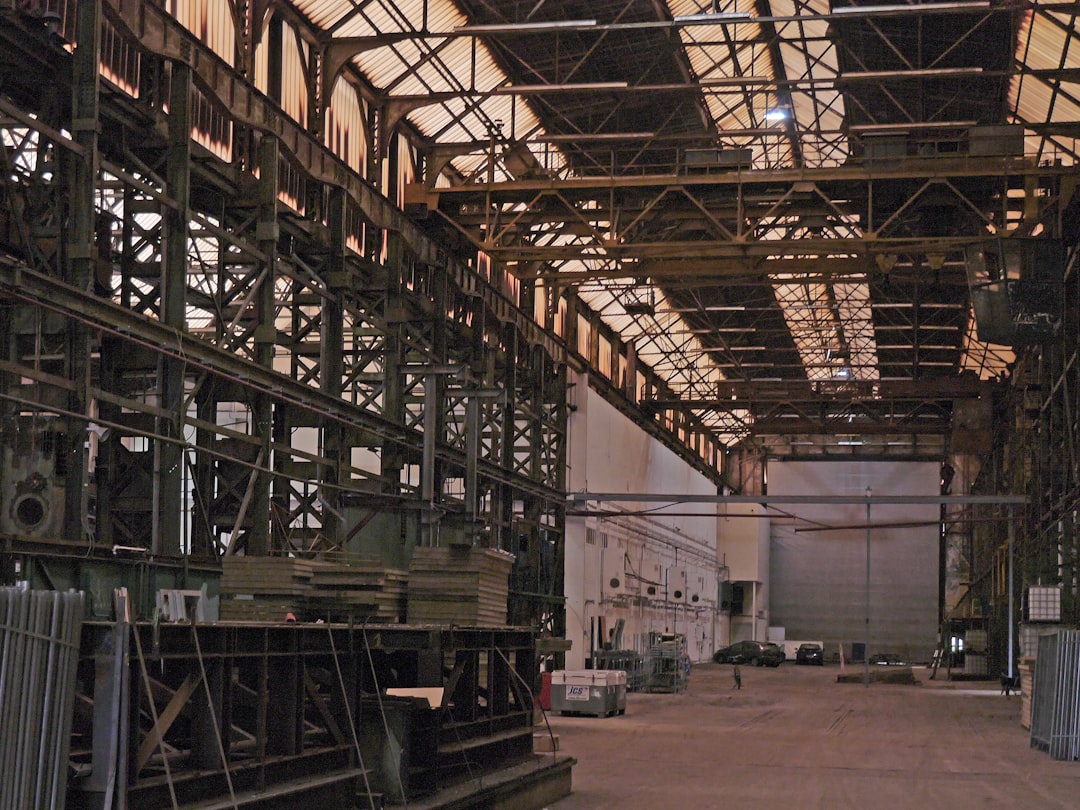
Investing in new copper smelters has become increasingly vital in the context of a rapidly evolving global economy. As the demand for copper continues to rise, driven by technological advancements and the push for renewable energy solutions, the need for modernized smelting facilities is paramount. These new smelters not only enhance production capacity but also improve efficiency and reduce environmental impact.
By investing in state-of-the-art smelting technology, companies can ensure they remain competitive in a market that is becoming more demanding and environmentally conscious. Moreover, the establishment of new copper smelters can significantly contribute to local economies. They create jobs, stimulate economic growth, and foster community development.
As regions invest in these facilities, they often see an influx of skilled labor and increased infrastructure development. This symbiotic relationship between industry and community underscores the importance of investing in new copper smelters as a means to secure both economic stability and environmental sustainability.
Key Takeaways
- Investing in new copper smelters is crucial to meet the rising global demand for copper.
- New smelters offer benefits like improved efficiency, reduced environmental impact, and enhanced production capacity.
- Building new copper smelters faces challenges including high costs, regulatory hurdles, and environmental concerns.
- Government support and technological innovation play key roles in advancing copper smelter projects.
- The future of copper smelters is tied to sustainable development and presents significant economic and investment opportunities.
The Growing Demand for Copper
The demand for copper has surged in recent years, driven by its essential role in various industries, including construction, electronics, and renewable energy. As the world transitions towards greener technologies, copper’s significance has only intensified. Electric vehicles, solar panels, and wind turbines all rely heavily on copper for their production and operation.
This growing demand is not merely a trend; it reflects a fundamental shift in how energy is produced and consumed globally. Furthermore, urbanization and population growth are contributing to the increased need for copper. As cities expand and infrastructure projects proliferate, the requirement for copper wiring, plumbing, and other applications continues to rise.
This burgeoning demand presents both challenges and opportunities for the copper industry, necessitating a proactive approach to production and smelting capabilities to meet future needs.
The Benefits of New Copper Smelters
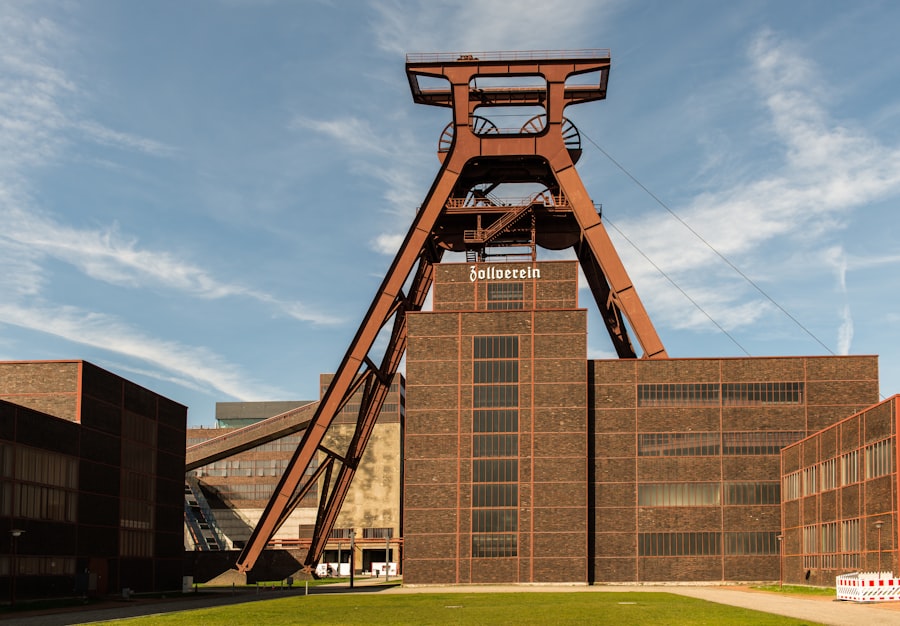
New copper smelters offer a multitude of benefits that extend beyond mere production capacity. One of the most significant advantages is the incorporation of advanced technologies that enhance efficiency and reduce waste. Modern smelting processes are designed to minimize energy consumption and lower emissions, aligning with global sustainability goals.
By adopting these technologies, companies can not only improve their bottom line but also contribute positively to environmental conservation efforts. Additionally, new smelters can lead to improved product quality. With advancements in processing techniques, the purity of the copper produced can be significantly enhanced, making it more desirable for various applications.
This improvement in quality can open up new markets and increase competitiveness on a global scale. Ultimately, investing in new copper smelters is not just about keeping pace with demand; it is also about positioning companies for long-term success in an increasingly competitive landscape.
The Challenges of Building New Copper Smelters
| Challenge | Description | Impact | Typical Metrics |
|---|---|---|---|
| High Capital Investment | Building new copper smelters requires significant upfront capital for equipment, infrastructure, and technology. | Delays project initiation and increases financial risk. | Investment Cost: 500-1500 million Payback Period: 7-15 years |
| Environmental Regulations | Strict emissions and waste disposal standards must be met to minimize environmental impact. | Requires advanced pollution control technologies and can increase operational costs. | Emission Limits: SO2 < 99% capture Wastewater Treatment Efficiency: >90% |
| Energy Consumption | Copper smelting is energy-intensive, requiring large amounts of electricity and fuel. | Leads to high operational costs and carbon footprint concerns. | Energy Use: 800-1200 kWh per ton of copper CO2 Emissions: 2-4 tons per ton of copper |
| Raw Material Quality | Variability in ore grade and composition affects smelting efficiency and output quality. | May require additional processing steps and increase costs. | Ore Grade: 0.5%-2.0% copper Impurity Levels: Variable |
| Technological Complexity | Advanced smelting technologies are needed to improve recovery rates and reduce emissions. | Requires skilled workforce and ongoing R&D investment. | Recovery Rate: 90%-95% copper Automation Level: Medium to High |
| Community and Social Impact | Local communities may oppose smelter projects due to health and environmental concerns. | Can cause project delays and require additional community engagement efforts. | Community Complaints: Variable Engagement Programs: Required |
While the benefits of new copper smelters are clear, the challenges associated with their construction cannot be overlooked. One of the primary hurdles is the substantial financial investment required to build these facilities. The costs associated with land acquisition, construction, and technology implementation can be daunting, particularly for smaller companies or those operating in regions with limited financial resources.
In addition to financial constraints, regulatory hurdles can pose significant challenges. Navigating the complex landscape of environmental regulations and obtaining necessary permits can delay projects and increase costs.
Addressing these challenges requires careful planning, stakeholder engagement, and a commitment to sustainable practices.
The Environmental Impact of Copper Smelters
The environmental impact of copper smelters is a critical consideration in their development and operation. Traditional smelting processes have been associated with significant emissions of sulfur dioxide and other pollutants, leading to air quality concerns and potential health risks for nearby communities. As such, there is an urgent need for the industry to adopt cleaner technologies that mitigate these impacts.
Modern copper smelters are increasingly designed with environmental sustainability in mind.
Additionally, many new facilities are incorporating waste recycling processes that minimize resource consumption and reduce landfill contributions.
By prioritizing environmental responsibility, the copper industry can work towards a more sustainable future while still meeting the growing demand for this essential metal.
The Economic Opportunities of Investing in Copper Smelters
Investing in copper smelters presents numerous economic opportunities that extend beyond immediate job creation. The establishment of new facilities can lead to increased local investment in infrastructure, transportation, and services. As smelters require a range of support services—from logistics to maintenance—local businesses often benefit from increased demand for their products and services.
Moreover, the economic ripple effect generated by new copper smelters can be substantial. Increased employment opportunities lead to higher disposable incomes within communities, which can stimulate local economies through increased consumer spending. Additionally, as companies invest in training programs for workers, they contribute to skill development that can benefit other sectors as well.
This interconnectedness highlights how investing in copper smelters can serve as a catalyst for broader economic growth.
The Role of Government Support in Building New Copper Smelters
Government support plays a crucial role in facilitating the construction of new copper smelters. Policymakers can provide incentives such as tax breaks or grants to encourage investment in modern facilities that prioritize sustainability and efficiency. By creating a favorable regulatory environment, governments can attract both domestic and foreign investment into the copper sector.
Furthermore, government partnerships with private companies can lead to collaborative efforts aimed at addressing environmental concerns associated with smelting operations. By working together, stakeholders can develop innovative solutions that balance economic growth with ecological responsibility. This collaborative approach not only enhances the viability of new smelter projects but also fosters a sense of shared responsibility among industry players and government entities.
The Technology and Innovation in Copper Smelters
Technological advancements are at the forefront of transforming copper smelting operations. Innovations such as hydrometallurgy and bioleaching are revolutionizing traditional processes by offering more sustainable alternatives for extracting copper from ore. These methods not only reduce energy consumption but also minimize waste generation compared to conventional pyrometallurgical techniques.
Additionally, automation and digitalization are playing an increasingly important role in modern smelting operations. Smart technologies enable real-time monitoring of processes, allowing for greater efficiency and reduced downtime. By leveraging data analytics and machine learning, companies can optimize their operations and make informed decisions that enhance productivity while minimizing environmental impact.
The Global Market for Copper Smelters
The global market for copper smelters is characterized by dynamic shifts driven by demand fluctuations and geopolitical factors. Emerging economies are experiencing rapid industrialization, leading to increased demand for copper products and subsequently higher requirements for smelting capacity. Countries such as China and India are at the forefront of this growth, driving investments in new smelting facilities to meet their burgeoning needs.
Conversely, established markets are also adapting to changing dynamics by modernizing existing facilities or investing in new technologies to remain competitive. The interplay between supply and demand on a global scale influences pricing trends and investment strategies within the copper sector. As companies navigate this complex landscape, understanding market trends becomes essential for making informed investment decisions regarding copper smelters.
The Investment Opportunities for Private Investors
Private investors have a unique opportunity to capitalize on the growing demand for copper by investing in new smelting facilities. With the increasing emphasis on sustainability and technological innovation within the industry, there is potential for significant returns on investment. By aligning with companies that prioritize environmentally responsible practices, investors can contribute to a more sustainable future while also benefiting financially.
Moreover, partnerships between private investors and established mining companies can lead to mutually beneficial arrangements that enhance operational efficiency and profitability. As the global market for copper continues to expand, private investors who strategically position themselves within this sector stand to gain from both short-term gains and long-term growth prospects.
The Future of Copper Smelters and Sustainable Development
The future of copper smelters is intricately linked to sustainable development goals as industries worldwide strive to balance economic growth with environmental stewardship. As technology continues to evolve, it is expected that new smelting facilities will increasingly incorporate sustainable practices that minimize their ecological footprint while maximizing production efficiency. In this context, collaboration among industry stakeholders—including governments, private investors, and technology providers—will be essential in driving innovation and ensuring that new copper smelters align with global sustainability objectives.
By embracing a forward-thinking approach that prioritizes both economic viability and environmental responsibility, the copper industry can pave the way for a more sustainable future while meeting the demands of an ever-evolving market landscape.
Investing in new copper smelters is crucial for meeting the growing demand for copper in various industries, particularly in renewable energy and electric vehicles. For a deeper understanding of the financial implications and the strategic importance of these investments, you can read a related article on this topic at this link. This article provides insights into the current market trends and the necessary capital required for establishing new smelting facilities.
WATCH THIS! 🚨 The Copper Cliff: How the World’s Most Critical Metal is Running Out
FAQs
What is the typical investment required for building a new copper smelter?
The investment required for a new copper smelter varies widely depending on capacity, technology, location, and environmental regulations. Generally, it can range from several hundred million to over a billion US dollars.
What factors influence the cost of constructing a copper smelter?
Key factors include the smelter’s production capacity, choice of technology (e.g., flash smelting, reverberatory), infrastructure needs, environmental compliance costs, labor expenses, and local economic conditions.
How long does it take to build a new copper smelter?
Construction timelines typically range from 2 to 5 years, depending on project complexity, permitting processes, and supply chain logistics.
Are there additional costs beyond construction for a new copper smelter?
Yes, additional costs include commissioning, operational startup, workforce training, maintenance facilities, and ongoing environmental monitoring and compliance.
What role do environmental regulations play in the investment for copper smelters?
Environmental regulations can significantly increase investment costs due to the need for pollution control technologies, waste management systems, and emissions monitoring equipment.
Is financing available for new copper smelter projects?
Financing can be obtained through a combination of equity, debt, and sometimes government incentives or subsidies, depending on the project’s scale and strategic importance.
How does the scale of production affect investment requirements?
Larger capacity smelters require higher upfront capital investment but may benefit from economies of scale, potentially lowering the cost per ton of copper produced.
What are the main components included in the investment for a copper smelter?
Investment typically covers land acquisition, plant design and engineering, equipment procurement, construction, installation, and initial working capital.
Can technological advancements reduce the investment needed for new copper smelters?
Yes, newer technologies can improve efficiency and reduce operational costs, but initial capital expenditure may be higher due to advanced equipment and systems.
Is the investment for copper smelters influenced by global copper demand?
Yes, higher global demand for copper can encourage investment in new smelters, while low demand or price volatility may delay or reduce investment.