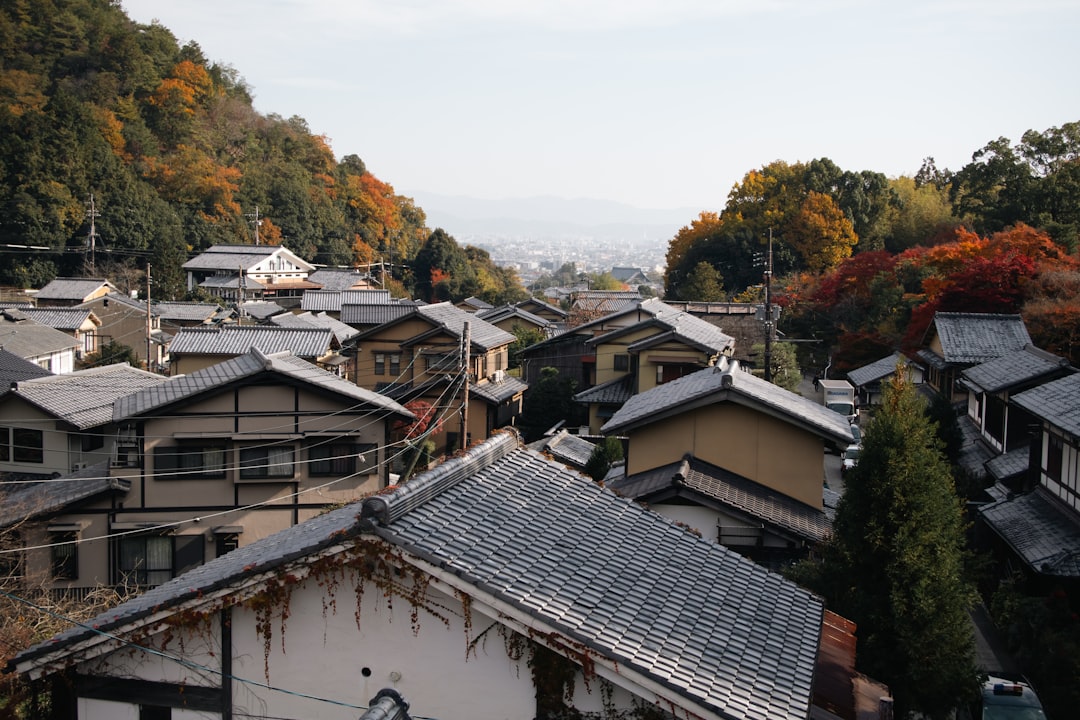
Japan, a nation often celebrated for its bustling metropolises and technological prowess, also grapples with a less visible but equally profound transformation: the slow disappearance of its rural communities. This phenomenon, characterized by empty streets, shuttered businesses, and overgrown houses, paints a stark picture of demographic shifts and their far-reaching consequences. It is a silent crisis, unfolding across the archipelago, leaving behind a landscape dotted with what are colloquially known as “ghost towns” or akiya (empty houses).
At the heart of Japan’s vanishing towns lies an unprecedented demographic shift. The nation is experiencing a decline in birth rates alongside a rapidly aging population, a dual challenge that creates a demographic tsunami slowly engulfing rural areas.
Declining Birth Rates
Japan’s total fertility rate – the average number of children a woman is expected to have in her lifetime – has consistently remained below the replacement level of 2.1 for decades. In 2022, it dropped to a record low of 1.26. This sustained decline means that each generation is significantly smaller than the one preceding it, leading to a natural decrease in population. Factors contributing to this trend include changing societal expectations, the high cost of raising children, long working hours, and a growing number of women prioritizing careers over early marriage and parenthood. The reverberations of this demographic shift are particularly amplified in rural areas, where young people are disproportionately leaving for opportunities in urban centers.
Rapidly Aging Population
Concurrently, Japan boasts one of the highest life expectancies in the world, with a significant proportion of its population aged 65 and over. This longevity, while a testament to advancements in healthcare and quality of life, also contributes to the demographic imbalance. The elderly often remain in their ancestral homes in rural areas, but once they pass away, these properties frequently become vacant, as their children and grandchildren have moved to cities. The “silver tsunami” metaphor aptly describes this demographic bulge, as the elderly population cohort, like a giant wave, has progressed through the age structure, leaving behind a demographic vacuum in rural regions.
Urban-Rural Disparity
The allure of urban centers, with their perceived economic opportunities, educational institutions, and cultural amenities, has created a significant migration flow from rural to urban areas. This internal migration exacerbates the demographic problems in the countryside, as it siphons off the younger, more economically active segments of the population. Consequently, rural communities are left with a disproportionately elderly population, further hindering their ability to regenerate and sustain themselves. This disparity acts as a positive feedback loop: as more people leave, services decline, making the area even less attractive, prompting more departures.
In recent years, Japan has witnessed a troubling phenomenon known as “vanishing towns,” where once-thriving communities are now characterized by empty streets and abandoned homes. This decline is often attributed to a combination of factors, including an aging population, urban migration, and declining birth rates. For a deeper understanding of this issue and its implications on Japanese society, you can read a related article on the topic at Real Lore and Order.
The Economic Impact: A Vicious Cycle of Decline
The demographic shifts have profound economic ramifications, creating a vicious cycle of decline in Japan’s rural towns. As populations dwindle, so too does the local economy, leading to a shrinking tax base and reduced public services.
Shuttered Businesses and Services
The departure of younger residents directly impacts local businesses. With fewer customers, shops, restaurants, and other service providers find it increasingly difficult to remain viable. One can observe rows of shuttered storefronts, their windows caked with dust, displaying faded advertisements from a bygone era. This phenomenon is not limited to small, independent businesses; even essential services like post offices, banks, and medical clinics struggle to maintain operations in thinly populated areas. The closure of these vital services further diminishes the quality of life for remaining residents, particularly the elderly, who may struggle with transportation to distant urban centers for necessities.
Declining Tax Revenue and Infrastructure Decay
A shrinking population translates directly into a reduced tax base. Local governments, already facing an increased demand for social welfare and healthcare services for their aging populations, find their revenues dwindling. This financial strain makes it challenging to maintain existing infrastructure, let alone invest in new projects. Roads may fall into disrepair, public facilities become neglected, and essential utilities may face underfunding. The decaying infrastructure, in turn, makes the area even less attractive for potential new residents or businesses, perpetuating the cycle of decline. Metaphorically, the crumbling infrastructure becomes the physical manifestation of the dwindling resources, a skeletal reminder of what once was vibrant.
Agricultural Land Abandonment
Historically, many rural communities in Japan were built upon agriculture. However, with an aging farming population and a lack of successors, vast tracts of arable land are being abandoned. Farmland, once meticulously cultivated, is left untended, gradually returning to wilderness. This abandonment not only affects food production but also has ecological consequences, as abandoned fields can become breeding grounds for pests and contribute to soil erosion. The verdant tapestry of Japan’s agricultural landscape is slowly fraying at the edges, a testament to the changing hands, or rather, the lack of hands, to tend to the land.
The Social Fabric Unraveling: A Community’s Silent Goodbye
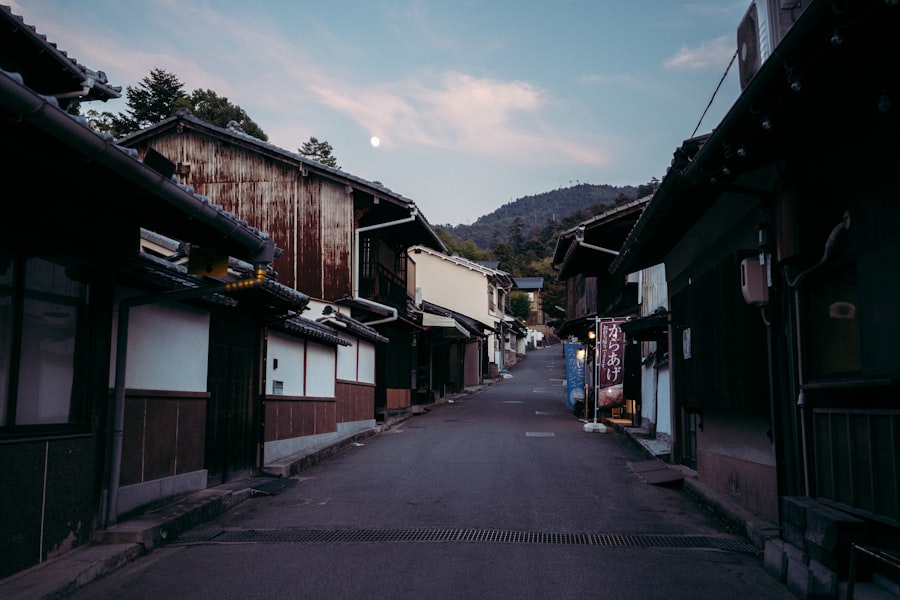
Beyond economics, the vanishing towns experience a profound unraveling of their social fabric. The close-knit community ties that once defined rural Japan are slowly eroding, leaving a sense of isolation and loss.
Loss of Community Institutions
Schools, once the vibrant heart of any community, are often the first public institutions to close as student numbers plummet. Their closure deprives the community of a central gathering place, a focal point for families, and a significant employer. Similarly, local festivals (matsuri), which are deeply ingrained in Japanese culture and served as vital social cohesion mechanisms, struggle to find volunteers and participants. The absence of these institutions diminishes opportunities for social interaction and the transmission of cultural heritage, leaving the community vulnerable to fragmentation. The silenced classrooms and dormant festival grounds are potent symbols of a community losing its voice and its heart.
Increased Isolation for Elderly Residents
As younger generations depart, elderly residents are often left behind, increasingly isolated. Their neighbors may have moved or passed away, and their social networks shrink. Public transportation options dwindle, making it difficult for them to access social activities or even essential services. This isolation can lead to increased feelings of loneliness, depression, and a decline in overall well-being. The once bustling streets become quiet corridors, and the elderly become increasingly confined to their homes, like solitary figures in a fading photograph.
Deterioration of Social Capital
The cumulative effect of these changes is a deterioration of social capital – the networks of relationships among people who live and work in a particular society, enabling that society to function effectively. When these networks weaken, civic engagement declines, and the sense of shared purpose and mutual support diminishes. The absence of a robust social fabric makes it even harder for communities to adapt to challenges or attract new residents, creating a vicious cycle where a lack of social cohesion perpetuates further decline.
Abandoned Homes: The Akiya Phenomenon
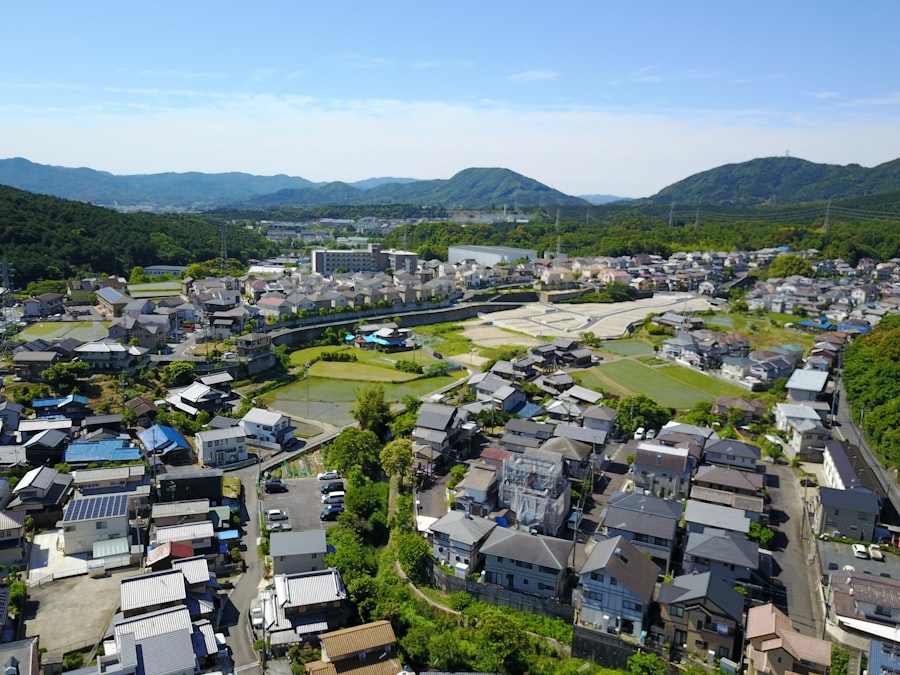
A highly visible manifestation of Japan’s vanishing towns is the proliferation of akiya, or abandoned homes. These vacant properties are not merely symptoms of depopulation; they also present their own set of challenges.
Legal and Ownership Complexities
Many akiya remain vacant due to complex ownership issues. Properties may have been passed down through generations without formal registration or a clear chain of inheritance. This can make it difficult to identify the legal owners, obtain their consent for sale or demolition, or even enforce maintenance standards. These legalistic Gordian knots effectively tie up potentially usable properties, rendering them untouchable and accelerating decay. The bureaucratic inertia surrounding these properties often acts as a significant impediment to revitalization efforts.
Maintenance Challenges and Deterioration
Left unattended, akiya quickly fall into disrepair. Roofs leak, windows break, and vegetation encroaches, turning once cherished homes into dilapidated structures. These neglected properties can become eyesores, attract pests, and even pose safety hazards to surrounding areas. The accumulation of these deteriorating properties can lower property values throughout the neighborhood, further deterring potential buyers or investors. They become the visible scars on the landscape, a testament to neglect.
Government Initiatives to Tackle Akiya
In an effort to address the growing akiya problem, local governments have introduced various initiatives. These include akiya banks – online databases listing available vacant properties – and subsidies for renovation or demolition. Some municipalities even offer properties for free or at very low prices to individuals willing to relocate and restore them. However, the success of these initiatives varies, often hampered by the aforementioned ownership complexities and the lack of appeal of the dwindling communities themselves. These efforts are often like trying to fill a bucket with a hole in it; while necessary, they do not address the fundamental issue of population decline.
In recent years, Japan has seen a troubling trend of vanishing towns, characterized by empty streets and abandoned homes as younger generations migrate to urban areas for better opportunities. This phenomenon raises questions about the future of rural communities and their cultural heritage. For a deeper understanding of this issue, you can explore a related article that delves into the impact of depopulation on these once-thriving areas. The article highlights various factors contributing to this decline and offers insights into potential solutions. To read more about this pressing topic, visit this article.
Revitalization Efforts: Small Victories and Uphill Battles
| Metric | Value | Details |
|---|---|---|
| Number of Vanishing Towns | 1,000+ | Towns with rapidly declining populations or near abandonment |
| Population Decline Rate | 30-50% | Average decline over the past 20 years in affected towns |
| Percentage of Elderly Residents | 40-50% | Proportion of residents aged 65 and older in vanishing towns |
| Empty Houses | 8 million+ | Estimated number of vacant homes nationwide, many in rural areas |
| Average Population of Vanishing Towns | Less than 5,000 | Small towns experiencing significant depopulation |
| Annual Migration to Cities | 100,000+ | Number of people moving from rural to urban areas each year |
| Impact on Local Economy | Severe | Decline in businesses, schools, and public services |
Despite the prevailing challenges, various revitalization efforts are underway across Japan, demonstrating resilience and innovative approaches, yet often facing an uphill battle against deeply entrenched demographic trends.
“U-Turn” and “I-Turn” Movements
Some rural areas are actively trying to attract “U-turn” residents (those returning to their hometowns after living in cities) and “I-turn” residents (those moving to rural areas for the first time from cities). These efforts often involve offering incentives like housing subsidies, employment support, and opportunities for community engagement. Success stories often highlight individuals seeking a slower pace of life, a stronger sense of community, or a more affordable cost of living. However, these movements represent a trickle rather than a flood, making it difficult to reverse broad demographic trends.
Promoting Tourism and Unique Local Resources
Many communities are turning to tourism as a means of economic revival. By capitalizing on their unique natural beauty, cultural heritage, or traditional crafts, they aim to attract visitors and create new economic opportunities. For example, some towns focus on eco-tourism, others on preserving historical sites, and still others on showcasing regional culinary specialties. This diversification away from traditional industries can provide desperately needed revenue and employment, offering a lifeline to communities teetering on the brink. The challenge lies in developing sustainable tourism models that do not overwhelm the local infrastructure or erode the authentic character of the community.
Embracing Remote Work and Digital Nomads
The rise of remote work, accelerated by global events, presents a new opportunity for rural revitalization. Some municipalities are actively campaigning to attract digital nomads and remote workers by offering high-speed internet, co-working spaces, and attractive living environments. This strategy targets individuals who are not constrained by geographical location for their employment, potentially bringing in younger, economically active residents who can inject new life into the community. This represents a potential paradigm shift, offering a chance to decouple economic activity from physical location, a silver lining in the cloud of demographic decline.
Community-Led Initiatives
Crucially, many successful revitalization efforts are homegrown, driven by passionate local residents. These initiatives often involve repurposing abandoned buildings into community centers, cafes, or guesthouses, organizing local events, and maintaining public spaces. These bottom-up approaches leverage existing community bonds and a deep understanding of local needs, often fostering a strong sense of ownership and collective ambition. These local heroes, with their unwavering dedication, serve as the flickering candles in the encroaching darkness, holding onto the hope of a brighter future for their communities.
The Future Landscape: A New Definition of Rural Japan
The trajectory of Japan’s vanishing towns suggests a future where the definition of rural Japan will undergo a profound transformation. The romanticized image of bustling agricultural communities may give way to a more scattered landscape, punctuated by pockets of concentrated populations and vast stretches of semi-abandoned lands.
One outcome could be a continued consolidation of populations into regional “hub” towns, while smaller, more remote villages slowly fade away, becoming historical footnotes. This would necessitate a rethinking of public services, infrastructure, and transportation networks to efficiently serve a more dispersed and aging population.
Another possibility is the emergence of specialized niche communities, attracting specific groups of people – artists, remote workers, eco-conscious individuals, or those seeking a particular lifestyle – drawn to the peace and affordability of rural life. These communities might thrive in isolation, creating new models of sustainable living.
Ultimately, the challenge for Japan is not merely to stop the decline, but to adapt to it. It requires envisioning a new future for its rural areas, one that acknowledges demographic realities while striving to preserve cultural heritage, foster innovation, and ensure the well-being of its citizens, regardless of where they choose to reside. The landscape of rural Japan is not merely emptying; it is undergoing a fundamental metamorphosis, and the outcome remains to be seen. The silent departure of these towns is a poignant reminder that even in a technologically advanced nation, human connection and demographic stability are the most fundamental building blocks of a sustainable society.
FAQs
What causes the phenomenon of vanishing towns in Japan?
The primary causes include a declining birthrate, aging population, and urban migration. Younger generations move to cities for better job opportunities, leaving rural towns with shrinking populations.
How widespread is the issue of empty streets in Japanese towns?
This issue affects many rural areas across Japan, particularly in regions far from major urban centers. Some towns have seen population declines of over 50%, leading to numerous abandoned homes and businesses.
What are the social impacts of vanishing towns in Japan?
Social impacts include reduced community services, school closures, and a loss of local culture and traditions. Elderly residents often face isolation due to fewer neighbors and limited transportation options.
What measures is the Japanese government taking to address depopulation?
The government has implemented policies to promote regional revitalization, such as financial incentives for families to move to rural areas, support for local businesses, and infrastructure improvements to attract residents.
Are there any success stories of towns reversing population decline in Japan?
Yes, some towns have successfully attracted new residents through initiatives like promoting remote work, developing tourism, and supporting agriculture startups. These efforts have helped stabilize or slightly increase populations in certain areas.