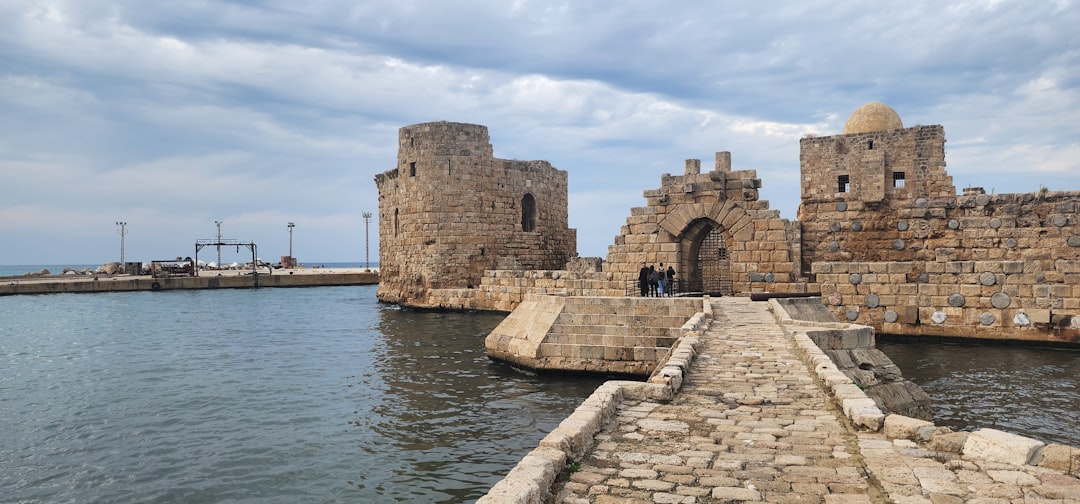
As you delve into the annals of history, you may find yourself captivated by the enigma of lost civilizations. These societies, once thriving and vibrant, have vanished, leaving behind only whispers of their existence. The allure of these ancient cultures lies not only in their disappearance but also in the questions they raise about human resilience, adaptability, and the cyclical nature of civilization itself.
You might ponder what led to their decline—was it environmental catastrophe, warfare, or perhaps a gradual erosion of social cohesion? Each lost civilization tells a unique story, inviting you to explore the myriad factors that contribute to their rise and fall. The mystery surrounding these civilizations often fuels your imagination.
You may envision grand cities adorned with intricate architecture, bustling marketplaces filled with vibrant trade, and communities rich in culture and knowledge. Yet, as you sift through the remnants of these societies, you encounter a paradox: the more you learn, the more questions arise. What secrets lie buried beneath the sands of time?
What lessons can be gleaned from their successes and failures? The quest to uncover the truth about lost civilizations is not merely an academic pursuit; it is a journey that connects you to the very essence of humanity’s past.
Key Takeaways
- Lost civilizations reveal advanced technology, engineering, and environmental innovations.
- Archaeological discoveries uncover ancient knowledge, languages, and cultural achievements.
- Trade, commerce, and spiritual practices highlight complex societal structures.
- Theories and speculations explore the mysteries behind lost languages and writing systems.
- The legacy of these civilizations continues to influence modern society and culture.
Archaeological Discoveries
Your exploration of lost civilizations is often guided by the remarkable work of archaeologists who dedicate their lives to unearthing the past. Each excavation site serves as a portal to another time, revealing artifacts and structures that provide insight into the daily lives of those who came before you. From the crumbling ruins of ancient Mesopotamia to the majestic pyramids of Egypt, these discoveries paint a vivid picture of human ingenuity and creativity.
As you read about these findings, you may feel a sense of wonder at how these remnants can tell stories of love, conflict, and survival. Archaeological discoveries are not just about unearthing physical objects; they also involve piecing together narratives that have long been forgotten. You might find yourself fascinated by how archaeologists use advanced techniques such as carbon dating and ground-penetrating radar to uncover hidden layers of history.
Each artifact recovered—from pottery shards to tools—serves as a clue that helps reconstruct the lives of people who once inhabited these lands. As you immerse yourself in these stories, you begin to appreciate the complexity of human civilization and the interconnectedness of cultures across time and space.
Advanced Technology and Engineering
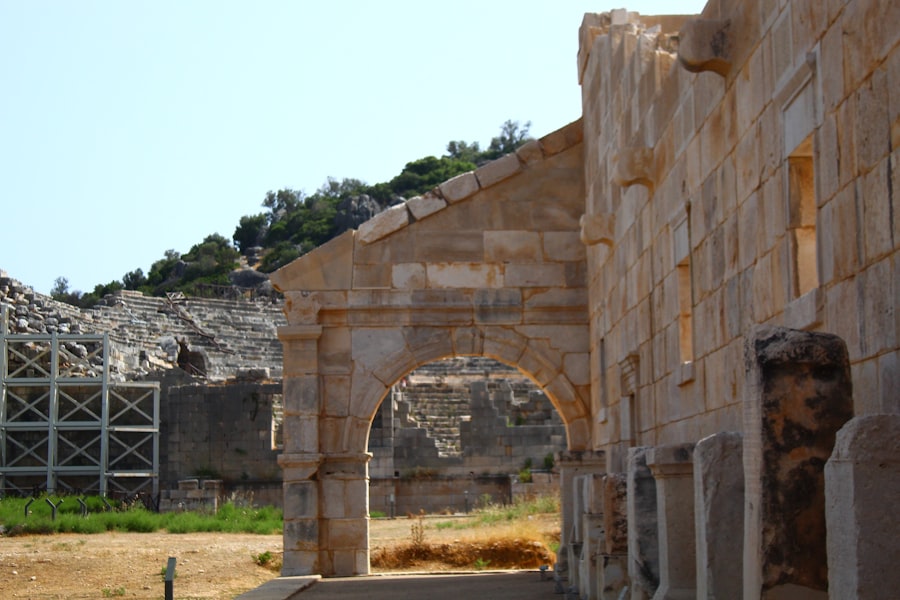
When you think about lost civilizations, it’s impossible not to marvel at their advanced technology and engineering feats. These societies often achieved remarkable innovations that were far ahead of their time. For instance, consider the intricate water management systems developed by the ancient Maya or the sophisticated road networks established by the Inca.
As you explore these achievements, you may find yourself questioning how such knowledge was acquired and why it ultimately faded away. The engineering prowess displayed in ancient structures is a testament to human creativity and problem-solving abilities. You might be awed by the precision with which the Egyptians constructed the Great Pyramid of Giza or how the Romans built aqueducts that transported water over vast distances.
These accomplishments not only reflect a deep understanding of materials and physics but also highlight the importance of collaboration within these societies. As you contemplate these advancements, you may wonder what lessons modern society can learn from these ancient engineers and how we can apply their principles to contemporary challenges.
Ancient Knowledge and Wisdom
As you delve deeper into the realm of lost civilizations, you may become increasingly intrigued by their ancient knowledge and wisdom. These societies often possessed profound insights into various fields such as astronomy, medicine, and philosophy. For example, the ancient Greeks laid the groundwork for modern science with their systematic approach to observation and inquiry.
Similarly, indigenous cultures around the world developed intricate systems of knowledge that encompassed everything from herbal medicine to sustainable agriculture. The wisdom of these civilizations is not merely historical; it continues to resonate today. You might find yourself reflecting on how ancient philosophies can inform contemporary ethical dilemmas or how traditional ecological knowledge can guide modern environmental practices.
The teachings of lost civilizations remind you that knowledge is not static; it evolves over time and can be rediscovered in unexpected ways. As you engage with this ancient wisdom, you may feel a sense of connection to those who came before you, recognizing that their insights can still illuminate your path forward.
Cultural and Artistic Achievements
| Civilization | Period | Advanced Knowledge/Technology | Notable Achievements | Modern Understanding |
|---|---|---|---|---|
| Göbekli Tepe | c. 9600–9500 BCE | Monumental stone architecture, early symbolic art | World’s oldest known megalithic site, predating agriculture | Challenges timeline of civilization development |
| Indus Valley Civilization | c. 3300–1300 BCE | Urban planning, standardized weights and measures, drainage systems | Well-planned cities like Mohenjo-Daro and Harappa | Advanced civil engineering and social organization |
| Ancient Sumerians | c. 4500–1900 BCE | Writing system (cuneiform), irrigation, astronomy | First known writing, early legal codes | Foundation of recorded history and law |
| Olmec Civilization | c. 1500–400 BCE | Complex calendar systems, colossal stone heads | Influence on later Mesoamerican cultures | Early development of writing and astronomy in Americas |
| Ancient Nabateans | c. 4th century BCE–106 CE | Water management, rock-cut architecture | City of Petra with advanced hydraulic engineering | Mastery of desert survival and urban design |
The cultural and artistic achievements of lost civilizations are a testament to human creativity and expression. As you explore their art forms—be it sculpture, pottery, or textiles—you are transported into a world rich with symbolism and meaning. Each piece tells a story, reflecting the values, beliefs, and experiences of its creators.
You might find yourself captivated by the intricate designs of ancient Greek pottery or the vibrant murals of Mesoamerican cultures, each revealing a glimpse into the lives and aspirations of those who crafted them. Art serves as a powerful medium for communication across time and space. You may discover that many lost civilizations used artistic expression not only for aesthetic purposes but also as a means to convey spiritual beliefs or social narratives.
The motifs found in their art often carry deep significance, offering insights into their worldview and cultural identity. As you engage with these artistic legacies, you may come to appreciate how creativity transcends temporal boundaries, connecting you with people from different eras who shared similar hopes and dreams.
Theories and Speculations
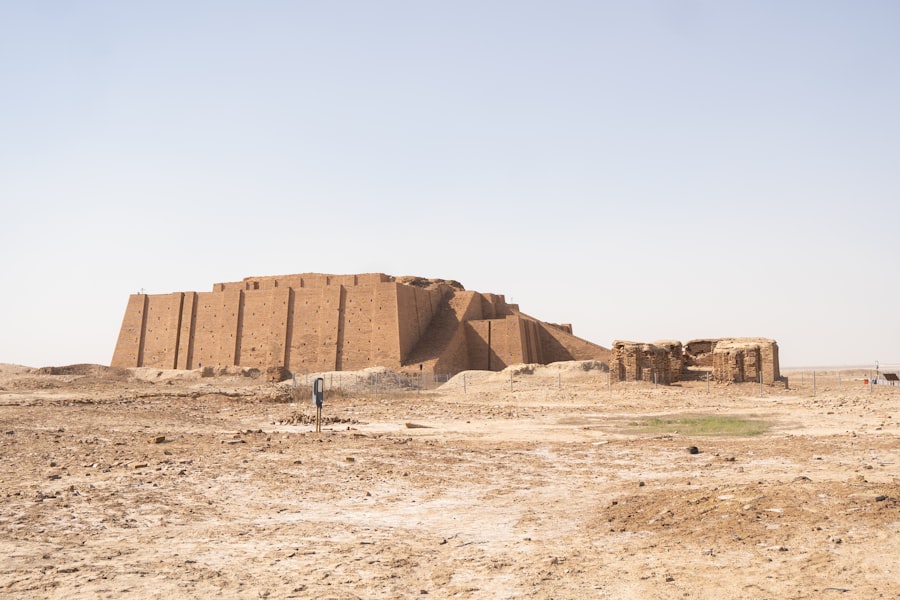
The mystery surrounding lost civilizations has given rise to numerous theories and speculations about their fate. As you navigate through various hypotheses—ranging from environmental collapse to invasion by foreign powers—you may find yourself drawn into debates that have persisted for centuries. Scholars and enthusiasts alike have proposed countless explanations for why these societies disappeared, each offering a unique perspective on the complexities of human history.
You might encounter theories that suggest a combination of factors contributed to their decline rather than a single cause. For instance, climate change could have exacerbated resource scarcity, leading to social unrest and eventual collapse. Alternatively, some speculate that internal strife or external pressures from neighboring cultures played significant roles in their downfall.
As you ponder these theories, you may realize that understanding lost civilizations requires an appreciation for nuance and complexity—an acknowledgment that history is rarely black and white.
Lost Languages and Writing Systems
One of the most intriguing aspects of lost civilizations is their languages and writing systems, many of which remain undeciphered or only partially understood. As you explore this linguistic landscape, you may feel a sense of wonder at how language shapes culture and identity. The scripts used by ancient peoples—such as cuneiform in Mesopotamia or hieroglyphics in Egypt—offer valuable insights into their thoughts, beliefs, and daily lives.
The challenge of deciphering lost languages can be both daunting and exhilarating. You might find yourself captivated by stories of linguists who have dedicated years to cracking codes or piecing together fragments of texts. Each breakthrough not only sheds light on historical events but also reveals the richness of human expression across cultures.
As you engage with these linguistic mysteries, you may come to appreciate the profound impact language has on shaping our understanding of history and our connection to those who lived long ago.
Trade and Commerce
Trade and commerce played pivotal roles in the development and sustainability of ancient civilizations. As you explore this aspect of lost societies, you may discover how trade routes facilitated cultural exchange and economic prosperity. The Silk Road, for instance, connected diverse cultures across continents, allowing for the exchange of goods, ideas, and technologies.
You might find it fascinating how these interactions shaped not only economies but also social structures and cultural identities. The decline of trade networks often coincided with the fall of civilizations, highlighting their interdependence on commerce for survival. You may ponder how shifts in trade routes or resource availability could have contributed to societal collapse.
Additionally, examining artifacts from trade exchanges can provide insight into what these civilizations valued—be it luxury goods or essential resources—offering a glimpse into their priorities and aspirations. As you reflect on this interconnectedness, you may recognize that trade has always been a driving force behind human progress.
Spiritual and Religious Practices
Spirituality and religion were integral components of many lost civilizations, shaping their worldviews and guiding their actions. As you explore their beliefs and practices, you may find yourself drawn into a rich tapestry of rituals, deities, and cosmologies that reflect humanity’s quest for meaning. From the polytheistic pantheons of ancient Egypt to the animistic traditions of indigenous cultures, each belief system offers unique insights into how people understood their place in the universe.
You might be intrigued by how rituals were performed to appease gods or commemorate significant life events such as birth or death. Additionally, examining sacred texts or artifacts can reveal how spirituality influenced art, architecture, and social organization within these societies.
As you engage with these spiritual legacies, you may come to appreciate how deeply intertwined faith is with human experience across time.
Environmental and Agricultural Innovations
Lost civilizations often demonstrated remarkable ingenuity in adapting to their environments through agricultural innovations. As you explore this aspect of their existence, you may discover how they developed sophisticated farming techniques that allowed them to thrive in diverse landscapes—from arid deserts to lush river valleys. The ability to harness natural resources effectively was crucial for sustaining populations and fostering growth.
You might find it fascinating how ancient peoples implemented practices such as crop rotation, irrigation systems, or terracing to maximize agricultural output while preserving soil health. These innovations not only ensured food security but also laid the groundwork for urbanization and complex societal structures. However, as you reflect on these achievements, it becomes evident that environmental changes—whether due to climate shifts or overexploitation—could lead to devastating consequences for these civilizations.
This realization may prompt you to consider contemporary environmental challenges and how lessons from the past can inform sustainable practices today.
Legacy and Influence on Modern Society
The legacy of lost civilizations continues to resonate in modern society in myriad ways.
The achievements of these societies have shaped your world in ways both subtle and profound; they serve as reminders that history is not merely a collection of dates but a living narrative that informs your present.
You might find inspiration in the resilience demonstrated by these civilizations in overcoming challenges or adapting to change—a quality that remains relevant today as societies grapple with global issues such as climate change or social inequality. By studying lost civilizations, you gain valuable insights into human nature: our capacity for innovation, our desire for connection, and our pursuit of knowledge. Ultimately, engaging with this rich tapestry of history allows you to appreciate your place within it while fostering a deeper understanding of what it means to be human across time and space.
Many scholars have explored the advanced knowledge of forgotten civilizations, shedding light on their remarkable achievements in various fields. For instance, an insightful article on this topic can be found at