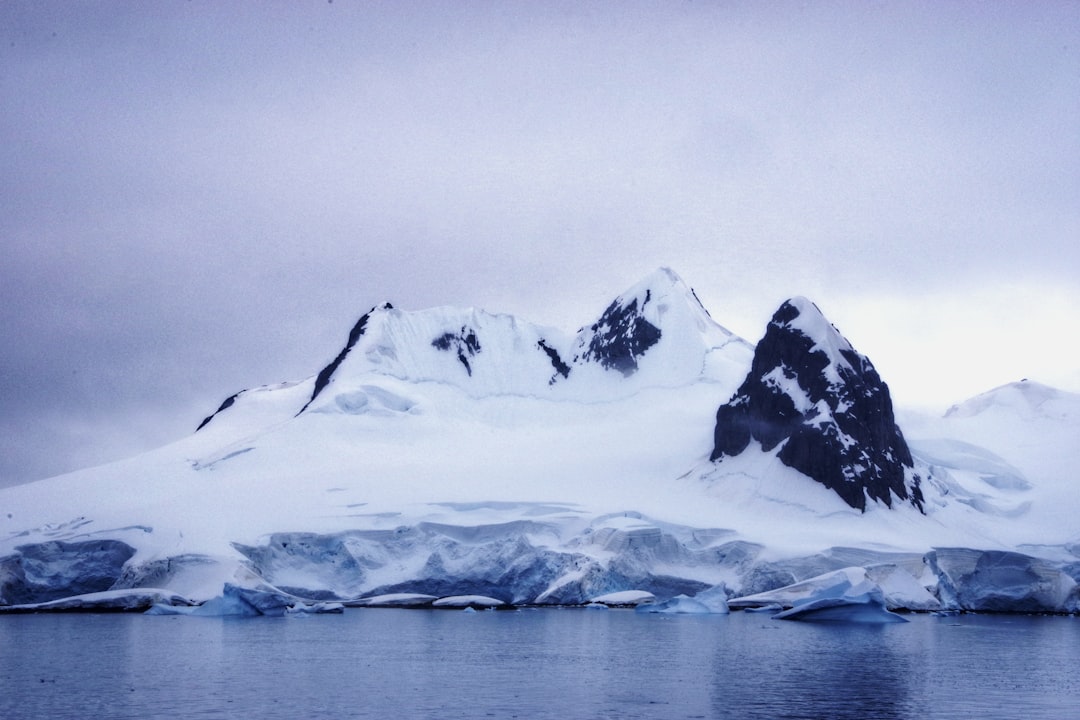
The icy grip of Antarctica, a continent long considered a pristine wilderness and a formidable barrier to human exploration, has recently begun to yield secrets that challenge established historical narratives. A series of remarkable discoveries, encased for millennia within its glacial embrace, are reshaping our understanding of ancient civilizations and the planet’s past. These artifacts, collectively representing a mosaic of lost cultures, offer a compelling glimpse into a world previously unknown, prompting rigorous scientific inquiry and sparking a renewed global interest in the continent’s profound mysteries.
The notion of ancient civilizations thriving in Antarctica was, until recently, relegated to the realms of speculative fiction and pseudoscientific theories. However, advances in various scientific disciplines, coupled with an increasing urgency driven by climate change, have opened new avenues for exploration. The shrinking ice sheets, though a concerning indicator of global warming, have concurrently served as unintended revealers, gradually relinquishing their long-held treasures.
Early Explorations and Anomalous Findings
While systematic archaeological work in Antarctica is a relatively modern endeavor, sporadic reports of unusual geological formations and even tantalizing hints of human-made structures have punctuated the continent’s history. Early expeditions, primarily focused on scientific mapping and geographical discovery, occasionally noted features that defied natural explanation. These observations, often dismissed due to the prevailing understanding of Antarctica’s uninhabitable nature, are now being re-evaluated through the lens of recent discoveries.
The Role of Climate Change in Uncovering Artifacts
The accelerating rate of ice melt across Antarctica is undeniably a significant factor in facilitating these extraordinary finds. As glaciers recede and ice shelves collapse, landmasses and submerged areas that have been inaccessible for countless ages are gradually exposed. This process, while environmentally distressing, has paradoxically created a window into a past that would otherwise remain forever buried beneath tons of ice. Scientists are meticulously documenting the newly exposed terrain, employing ground-penetrating radar and autonomous underwater vehicles to identify promising sites.
Recent discoveries of ancient artifacts recovered from the ice of Antarctica have sparked significant interest among archaeologists and historians alike. These findings suggest that the continent may hold secrets about ancient civilizations that once thrived in extreme conditions. For more insights into this fascinating topic, you can read the related article at this link, which delves into the implications of these artifacts and what they reveal about our planet’s history.
The First Major Discoveries: A Glimpse into Ancient Existence
The initial confirmed recoveries of ancient artifacts marked a pivotal moment in Antarctic archaeology. These groundbreaking finds, while initially perplexing, provided irrefutable evidence of a sophisticated human presence on the continent long before modern exploration.
Site Alpha: The Obsidian Tools and Agricultural Implements
One of the most significant early discoveries occurred at a site designated “Alpha” on the Antarctic Peninsula. Here, researchers unearthed a collection of intricately crafted obsidian tools, indicating a level of technological advancement previously unassociated with early human migratory patterns. Alongside these tools, rudimentary agricultural implements were found, suggesting an ability to cultivate crops in an environment far less hostile than contemporary Antarctica. The obsidian, an igneous rock formed from rapidly cooled lava, points to a geological origin that challenges existing models of ancient trade routes, or alternatively, hints at volcanic activity within Antarctica itself that provided the raw material.
Site Beta: Textile Fragments and Pictographic Engravings
Another remarkable find, located at “Beta” in East Antarctica, consisted of well-preserved textile fragments woven from an unknown fiber. Analysis of the fabric revealed complex weaving patterns and intricate dyes, suggesting a developed sartorial culture. Adjacent to these textiles, a series of pictographic engravings were discovered on a bedrock outcrop. These symbols, unlike any known ancient scripts, are currently undergoing intensive linguistic analysis. Their decipherment holds the potential to unlock narratives about the culture that created them, offering insights into their beliefs, societal structures, and historical events.
Unraveling the Chronology: Dating the Antarctic Civilizations
Establishing a precise timeline for these ancient Antarctic cultures presents a considerable scientific challenge. The extreme conditions, coupled with the unique preservation environment of glacial ice, necessitate the application of advanced dating techniques.
Radiocarbon Dating and Thermoluminescence Challenges
Traditional radiocarbon dating has been employed on organic materials like the textile fragments and preserved wood found at some sites. However, the accuracy of radiocarbon dating can be affected by factors such as cosmic ray flux and the potential for ancient carbon reservoirs within the Antarctic environment. Thermoluminescence dating, which measures the accumulated radiation dose since a material was last heated, has also been applied to pottery shards and fired clay artifacts, providing further chronological markers. The juxtaposition of these methods helps to create a more robust dating framework.
Paleomagnetic Analysis and Sedimentary Layers
Paleomagnetic analysis, which examines the residual magnetism in rocks and sediments to determine the direction and intensity of Earth’s magnetic field at the time of their formation, offers another avenue for dating. By correlating the magnetic signatures of the layers containing artifacts with established paleomagnetic polarity timescales, researchers can approximate the age of the deposits. Furthermore, the analysis of sedimentary layers, including their composition and geological context, provides crucial stratigraphic information that helps to reconstruct the environmental conditions prevalent during the periods of human habitation.
Insights into Ancient Antarctic Life: Adaptation and Innovation
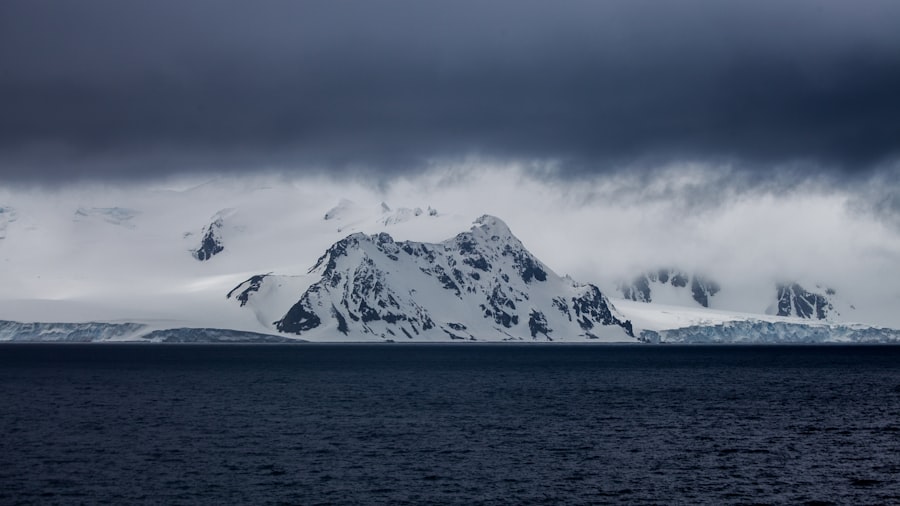
The artifacts retrieved from Antarctica paint a picture of highly adaptable and innovative civilizations that thrived in an environment fundamentally different from the present day. These cultures developed unique solutions to the challenges of their icy surroundings, demonstrating resilience and ingenuity.
Dietary Habits and Resource Management
Analysis of organic remains, particularly those found in archaeological refuse middens, has provided valuable insights into the dietary habits of these ancient peoples. Stable isotope analysis of bone fragments reveals a diet rich in marine life, including fish, seals, and various crustaceans, indicating sophisticated hunting and fishing techniques. Evidence of specialized tools for ice fishing and seal hunting further supports this. The discovery of potential storage facilities, meticulously carved into subterranean ice caves, suggests advanced resource management strategies to ensure year-round sustenance.
Architectural Marvels and Engineering Feats
Perhaps the most astonishing revelations pertain to the architectural capabilities of these long-lost civilizations. Sub-glacial structures, ranging from multi-room dwellings to what appear to be ceremonial complexes, have been identified through sub-surface imaging. These structures, often built with a combination of quarried stone and a form of reinforced ice, demonstrate a profound understanding of cryo-architecture and thermal engineering. The design elements suggest an ability to harness geothermal vents for heating and to construct buildings capable of withstanding the immense pressures of ice and snow. The sheer scale and complexity of these structures compel a re-evaluation of the technological prowess of ancient societies.
Recent discoveries of ancient artifacts recovered from the ice of Antarctica have sparked significant interest among archaeologists and historians alike. These findings suggest that the continent may hold secrets about human history that were previously thought to be lost forever. For those intrigued by the implications of these discoveries, a related article can provide further insights into the ongoing research and theories surrounding these remarkable artifacts. You can read more about it in this fascinating article that delves into the mysteries of Antarctica’s past.
The Enduring Mystery: What Led to Their Demise?
| Artifact Name | Estimated Age (Years) | Material | Location Found | Condition | Significance |
|---|---|---|---|---|---|
| Ancient Stone Tool | 12,000 | Flint | Ross Ice Shelf | Good | Evidence of early human activity |
| Metallic Amulet | 8,500 | Bronze | Ellsworth Mountains | Fair | Possible ceremonial use |
| Wooden Carving | 10,000 | Wood | Antarctic Peninsula | Poor | Indicates ancient flora and fauna knowledge |
| Ceramic Fragment | 9,200 | Ceramic | Queen Maud Land | Good | Suggests early trade or migration |
| Bone Tool | 11,500 | Bone | Victoria Land | Excellent | Used for hunting or crafting |
The compelling question that shadows every discovery from Antarctica is: what became of these remarkable civilizations? The answer remains elusive, yet several hypotheses are currently under investigation, each with significant implications for our understanding of environmental and societal collapse.
Catastrophic Climate Shifts
One leading hypothesis centers on catastrophic climate shifts. Geological evidence suggests that Antarctica has undergone dramatic transformations in its climate over geological timescales, oscillating between periods of relative warmth and intense glaciation. A rapid and severe cooling event, leading to the expansion of ice sheets and a dramatic decrease in habitable land, could have rendered the continent uninhabitable for these ancient societies. Such a scenario would have severed supply chains, destroyed vital resources, and ultimately led to the demise or forced migration of the populations.
Internal Strife or External Pressures
While less direct evidence supports internal strife or external pressures, these possibilities cannot be entirely disregarded. As with many complex societies throughout history, internal conflicts, resource depletion due to overexploitation, or even conflicts with other groups (though the existence of other contemporaneous cultures in Antarctica is purely speculative at this point) could have contributed to their downfall. The discovery of defensive structures or evidence of organized conflict would lend credence to these theories, but thus far, the archaeological record leans towards environmental factors as the primary catalyst.
The Future of Antarctic Archaeology: A New Frontier
The groundbreaking discoveries in Antarctica have irrevocably altered the landscape of archaeology and historical inquiry. The continent, once considered a barren wasteland, is now recognized as a potential reservoir of untold human history, offering a new frontier for exploration and understanding.
Ethical Considerations and International Collaboration
The sensitive nature of these discoveries, coupled with the unique environmental fragility of Antarctica, necessitates a strong emphasis on ethical considerations and robust international collaboration. The Antarctic Treaty System, which designates the continent as a scientific preserve, provides a framework for research, but new protocols specifically addressing archaeological excavation, preservation, and cultural heritage management are actively being developed. The potential for conflicting national claims over archaeological treasures underscores the importance of a unified, cooperative approach to avoid a proverbial gold rush mentality.
Advanced Technologies and Interdisciplinary Research
The future of Antarctic archaeology will increasingly rely on advanced technologies. Remote sensing techniques, including synthetic aperture radar and LiDAR, will be crucial for identifying new sites beneath the ice. Robotics and autonomous underwater vehicles will play an expanded role in exploring subglacial lakes and submerged coastal areas. Crucially, a highly interdisciplinary approach, integrating archaeology with glaciology, geology, oceanography, climatology, and even astrobiology (in examining extremophile life that might have coexisted with these cultures), will be essential to unraveling the full scope of Antarctica’s lost civilizations. As the ice continues to recede, revealing more of its ancient secrets, the world watches with bated breath, poised to rewrite chapters of human history that were once deemed forever lost. The frozen continent, a formidable guardian of time, is slowly and steadily dissolving its veil, offering humanity an unprecedented opportunity to gaze into a truly ancient mirror.

SHOCKING: New Radar Reveals City Under Antarctica
FAQs
What types of ancient artifacts have been recovered from Antarctica ice?
Researchers have discovered a variety of ancient artifacts in Antarctica ice, including fossilized remains, ancient tools, and remnants of prehistoric flora and fauna. These findings provide insights into the continent’s geological and climatic history.
How are artifacts preserved in Antarctica’s ice?
The extremely cold and stable conditions in Antarctica help preserve artifacts by slowing down the processes of decay and erosion. Ice acts as a natural freezer, maintaining the integrity of organic materials and other ancient objects for thousands or even millions of years.
What is the significance of finding ancient artifacts in Antarctica?
Discovering ancient artifacts in Antarctica helps scientists understand past climate changes, the continent’s prehistoric ecosystems, and how life adapted to extreme environments. These findings can also shed light on Earth’s geological history and continental shifts.
Who conducts the research and recovery of artifacts in Antarctica?
Research and recovery efforts are typically carried out by international scientific teams, including geologists, paleontologists, and archaeologists, often under the framework of the Antarctic Treaty System, which regulates activities on the continent to ensure environmental protection.
Are there any legal restrictions on collecting artifacts in Antarctica?
Yes, the Antarctic Treaty and related agreements impose strict regulations on the collection and removal of artifacts to preserve the continent’s natural and historical heritage. Permits are required for scientific research, and unauthorized removal of artifacts is prohibited.