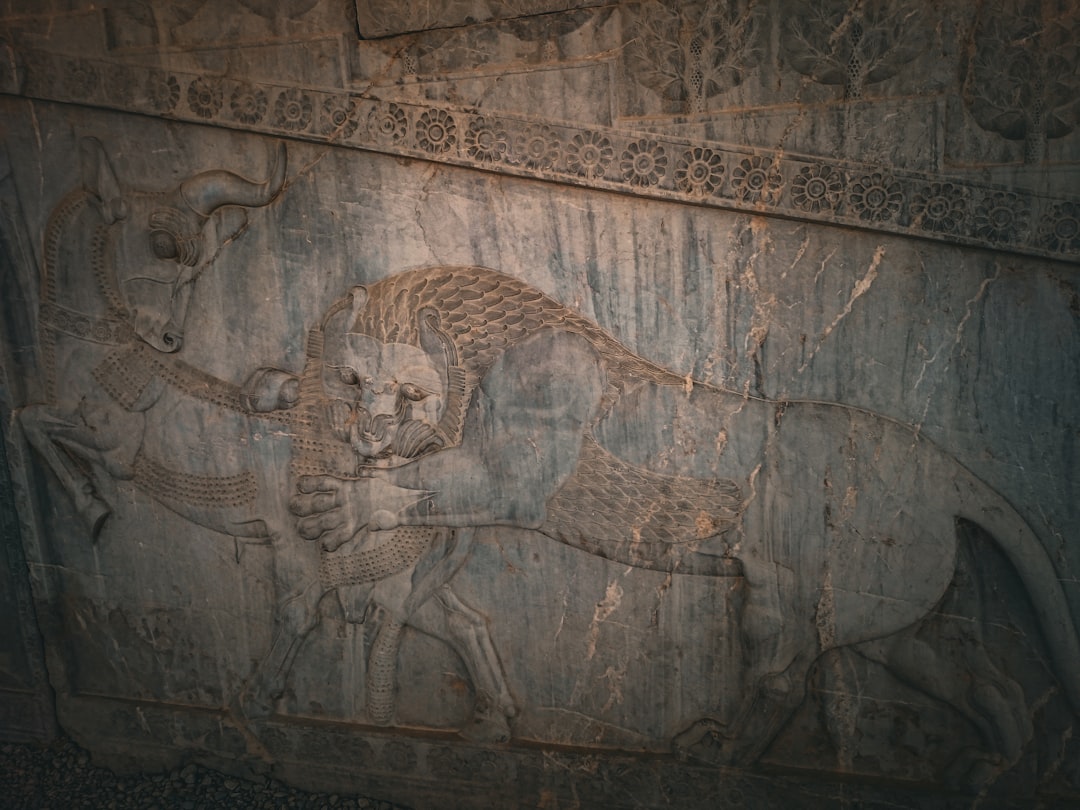
Throughout history, humanity has been captivated by the remnants of ancient civilizations, each leaving behind a tapestry of knowledge that continues to intrigue scholars and enthusiasts alike. The concept of “lost wisdom” refers to the profound insights, philosophies, and technologies that once flourished but have since faded into obscurity. This lost knowledge often embodies the collective experiences and intellectual achievements of societies that thrived long before the advent of modernity.
As researchers delve into the annals of history, they uncover fragments of this wisdom, piecing together a narrative that reveals the depth of human understanding and creativity. The allure of lost wisdom lies not only in its historical significance but also in its potential to inform contemporary thought. By examining the philosophies and practices of ancient cultures, modern society can glean valuable lessons about sustainability, governance, and human connection.
The quest to rediscover this knowledge is not merely an academic pursuit; it is a journey that invites individuals to reflect on their own lives and the legacies they wish to leave behind. As the world grapples with complex challenges, the insights of ancient civilizations may offer guidance and inspiration for navigating the future.
Key Takeaways
- Ancient civilizations like the Egyptians, Mayans, and Sumerians possessed profound wisdom that shaped early human knowledge.
- The Greeks and Chinese contributed significantly to philosophy, science, and technology, influencing later cultures.
- The Indus Valley and Mesopotamian civilizations held advanced knowledge that remains partially unexplored today.
- The Aztecs’ wisdom reflects complex societal structures and understanding of nature and astronomy.
- Modern efforts continue to uncover and interpret the lost wisdom of these ancient cultures to enrich contemporary understanding.
The Mystery of Ancient Civilizations
The enigma surrounding ancient civilizations is a testament to humanity’s enduring curiosity. From the towering pyramids of Egypt to the intricate ruins of the Mayan cities, these remnants evoke a sense of wonder and intrigue. Each civilization possessed unique attributes that contributed to its identity, yet many aspects remain shrouded in mystery.
Archaeologists and historians tirelessly work to decode the languages, rituals, and technologies that defined these societies, often encountering obstacles that challenge their understanding. One of the most compelling aspects of ancient civilizations is their ability to adapt and innovate in response to their environments. The ingenuity displayed in their architectural feats, agricultural practices, and social structures speaks volumes about their resilience and creativity.
However, as much as scholars have uncovered, there remains a vast expanse of knowledge that eludes comprehension. The unanswered questions about their beliefs, daily lives, and eventual declines continue to fuel speculation and research, inviting new generations to explore the depths of human history.
The Wisdom of the Egyptians

The ancient Egyptians are renowned for their remarkable contributions to art, architecture, and governance. Their civilization flourished along the banks of the Nile River for thousands of years, leaving behind monumental structures such as the Great Pyramids and the Sphinx. These architectural marvels not only served as tombs for pharaohs but also reflected a deep understanding of mathematics and engineering.
The precision with which these structures were built demonstrates an advanced grasp of geometry and astronomy, showcasing the Egyptians’ ability to harmonize their creations with the cosmos. Beyond their architectural prowess, the Egyptians possessed a rich tapestry of spiritual beliefs and philosophical insights. Their pantheon of gods and goddesses illustrated a complex understanding of life, death, and the afterlife.
The concept of Ma’at, representing truth, balance, and cosmic order, was central to their worldview. This principle guided their ethical conduct and societal organization, emphasizing harmony within both individual lives and the broader community. The wisdom embedded in Egyptian mythology continues to resonate today, offering timeless lessons about morality and the interconnectedness of existence.
The Knowledge of the Mayans
The Mayan civilization stands as a testament to human ingenuity in the realms of mathematics, astronomy, and agriculture. Flourishing in Mesoamerica from around 2000 BCE until the arrival of Spanish colonizers in the 16th century, the Mayans developed a sophisticated calendar system that accurately tracked celestial movements. Their understanding of time was not merely practical; it was deeply intertwined with their spiritual beliefs and agricultural practices.
The Mayans recognized the cyclical nature of life and death, which influenced their rituals and societal structures. In addition to their astronomical achievements, the Mayans excelled in agriculture through innovative techniques such as slash-and-burn farming and terracing. These methods allowed them to cultivate crops in challenging environments, ensuring food security for their communities.
The Mayan civilization also produced intricate artwork and hieroglyphics that conveyed their history and mythology. Despite facing challenges that led to their decline, the legacy of Mayan knowledge endures through ongoing research and cultural revival efforts among contemporary descendants.
The Secrets of the Sumerians
| Ancient Civilization | Forgotten Knowledge | Description | Modern Rediscovery | Impact on Today |
|---|---|---|---|---|
| Ancient Egypt | Advanced Medicine | Use of surgical techniques and herbal remedies documented in papyri | Modern medicine has rediscovered some herbal treatments and surgical methods | Influenced early medical practices and pharmacology |
| Mesopotamia | Mathematics and Astronomy | Base-60 number system and early star charts | Modern timekeeping (60 seconds/minute) and astronomy concepts | Foundation for modern mathematics and astronomy |
| Indus Valley | Urban Planning and Sanitation | Advanced drainage systems and city layouts | Rediscovered through archaeological excavations | Influences modern urban sanitation and planning |
| Ancient Greece | Philosophy and Scientific Method | Systematic inquiry and logic | Revived during Renaissance and foundational to modern science | Basis for scientific research and critical thinking |
| Maya Civilization | Calendar Systems | Complex calendar combining solar and lunar cycles | Studied for understanding timekeeping and astronomy | Enhanced knowledge of astronomy and time measurement |
The Sumerians are often credited with laying the foundations for civilization as we know it today. Emerging in Mesopotamia around 4500 BCE, they developed one of the earliest known writing systems: cuneiform. This innovation revolutionized communication and record-keeping, enabling them to document everything from trade transactions to epic poetry.
The Epic of Gilgamesh, one of the oldest literary works in existence, reflects not only their storytelling prowess but also their philosophical inquiries into mortality and friendship. Sumerian society was characterized by its complex social structure and advancements in various fields such as mathematics, astronomy, and irrigation. They established city-states governed by priest-kings who wielded both political and religious authority.
Their understanding of mathematics laid the groundwork for future developments in science and engineering. The Sumerians’ contributions to law, particularly through codes like that of Ur-Nammu, highlight their commitment to justice and societal order. As researchers continue to unearth Sumerian artifacts, they reveal a civilization rich in knowledge that has profoundly influenced subsequent cultures.
The Wisdom of the Greeks

Ancient Greece is often hailed as the cradle of Western philosophy and democracy. The intellectual achievements of Greek thinkers such as Socrates, Plato, and Aristotle laid the groundwork for various fields including ethics, politics, and metaphysics. Their dialogues explored fundamental questions about existence, morality, and governance, shaping philosophical discourse for centuries to come.
The Greeks emphasized reasoned debate and critical thinking, fostering an environment where ideas could flourish. In addition to philosophy, the Greeks made significant contributions to science and mathematics. Figures like Euclid and Archimedes advanced geometric principles that remain foundational today.
Their exploration of natural phenomena laid the groundwork for scientific inquiry as it is understood in modern times. Moreover, Greek mythology provided rich narratives that explored human nature and morality through allegory. The wisdom encapsulated in these myths continues to resonate with contemporary audiences, offering insights into human behavior and societal values.
The Forgotten Knowledge of the Indus Valley Civilization
The Indus Valley Civilization remains one of history’s most enigmatic cultures due to its advanced urban planning and sophisticated societal organization. Flourishing around 2500 BCE in present-day Pakistan and northwest India, this civilization is known for its well-planned cities like Harappa and Mohenjo-Daro. These urban centers featured advanced drainage systems, standardized weights and measures, and impressive architecture that reflected a high degree of social organization.
Despite its achievements, much about the Indus Valley Civilization remains shrouded in mystery due to the undeciphered script found on seals and pottery. This lack of written records has hindered scholars’ ability to fully understand their social structure, religious beliefs, and eventual decline. However, archaeological discoveries continue to shed light on their agricultural practices, trade networks, and artistic expressions.
The Lost Wisdom of the Chinese
China’s ancient civilizations boast a rich tapestry of wisdom that has shaped its culture for millennia. From Confucianism’s emphasis on ethics and social harmony to Daoism’s focus on balance with nature, Chinese philosophy offers profound insights into human relationships and governance. Confucius’ teachings on morality and proper conduct have influenced Chinese society deeply, promoting values such as filial piety and respect for authority.
In addition to philosophical contributions, ancient China excelled in various scientific fields including medicine, astronomy, and engineering. Innovations such as papermaking, gunpowder, and the compass revolutionized not only Chinese society but also had far-reaching impacts on global development. The wisdom embedded in traditional Chinese medicine emphasizes holistic approaches to health that resonate with contemporary practices focused on well-being.
As modern society grapples with rapid change, revisiting these ancient philosophies may provide valuable perspectives on achieving balance in an increasingly complex world.
The Legacy of Ancient Mesopotamia
Ancient Mesopotamia is often referred to as the “cradle of civilization,” where some of humanity’s earliest advancements took root. This region witnessed the rise of several influential cultures including the Akkadians, Babylonians, and Assyrians. Each contributed significantly to human knowledge through innovations in writing, law codes, mathematics, and astronomy.
The Code of Hammurabi stands out as one of history’s earliest legal frameworks, establishing principles that resonate with contemporary legal systems. The legacy of Mesopotamia extends beyond its immediate contributions; it laid foundational concepts that would influence subsequent civilizations across Europe and Asia. Their advancements in agriculture through irrigation techniques allowed for surplus food production, fostering urbanization and trade networks that connected diverse cultures.
As archaeologists continue to excavate sites across this region, they uncover artifacts that reveal a complex society rich in art, literature, and scientific inquiry—elements that continue to shape human understanding today.
The Wisdom of the Aztecs
The Aztec civilization emerged in Mesoamerica during the 14th century CE and quickly became known for its impressive achievements in agriculture, architecture, and governance. Their capital city Tenochtitlan was a marvel of urban planning with intricate canals and floating gardens known as chinampas that maximized agricultural output in a challenging environment. This innovative approach allowed them to sustain a large population while fostering trade networks that extended throughout Mesoamerica.
Aztec society was deeply intertwined with spirituality; their religious beliefs were reflected in elaborate rituals centered around deities associated with agriculture, war, and fertility. The Aztecs developed a complex calendar system that guided agricultural practices and religious observances alike. Their artistic expressions—ranging from intricate stone carvings to vibrant codices—conveyed not only aesthetic beauty but also profound cultural narratives that continue to captivate scholars today.
The Search for Lost Wisdom in Modern Times
In contemporary society’s quest for lost wisdom, there is a growing recognition of the value embedded within ancient knowledge systems. As modern challenges such as climate change and social inequality become increasingly pressing issues, many turn to historical insights for guidance on sustainable living practices or equitable governance models. This resurgence reflects a desire to reconnect with time-tested principles that prioritize community well-being over individual gain.
Moreover, interdisciplinary approaches combining archaeology with technology have opened new avenues for exploring lost wisdom. Advances in imaging techniques allow researchers to analyze artifacts without damaging them while digital platforms facilitate global collaboration among scholars studying ancient cultures. As humanity navigates an uncertain future marked by rapid change, rediscovering lost wisdom may provide essential tools for fostering resilience—reminding us that while civilizations may rise and fall, their insights can endure across generations.
Exploring the depths of forgotten knowledge from ancient civilizations can lead to fascinating discoveries about our past. One intriguing article that delves into this topic is found on the Real Lore and Order website, which discusses various aspects of ancient wisdom and its relevance today. You can read more about it in their article [here](https://www.realloreandorder.com/).
WATCH THIS! 🏛️ Empires Didn’t Collapse—They Got Erased: The Pattern Nobody Sees
FAQs
What is meant by “forgotten knowledge” from ancient civilizations?
Forgotten knowledge refers to information, techniques, technologies, or cultural practices developed by ancient civilizations that have been lost, overlooked, or misunderstood over time. This can include architectural methods, medicinal remedies, astronomical observations, and philosophical insights that were once well-known but are no longer commonly practiced or fully understood today.
Which ancient civilizations are commonly associated with forgotten knowledge?
Ancient civilizations often linked to forgotten knowledge include the Egyptians, Mesopotamians, Mayans, Greeks, Romans, Indus Valley, Chinese, and the Incas. Each of these cultures developed advanced knowledge in areas such as engineering, medicine, astronomy, and writing systems that have intrigued modern researchers.
How do researchers uncover forgotten knowledge from ancient civilizations?
Researchers use archaeology, anthropology, linguistics, and the study of ancient texts and artifacts to uncover forgotten knowledge. Techniques such as carbon dating, satellite imagery, and digital reconstruction help reveal lost structures and writings. Deciphering ancient languages and scripts also plays a crucial role in understanding past knowledge.
Why is some ancient knowledge considered “forgotten”?
Knowledge can become forgotten due to the decline or collapse of civilizations, loss of written records, natural disasters, wars, or cultural shifts that deprioritize certain practices. Additionally, some knowledge was transmitted orally and was never documented, making it vulnerable to being lost over generations.
Can forgotten knowledge from ancient civilizations be applied today?
Yes, some forgotten knowledge has been rediscovered and applied in modern contexts. For example, ancient construction techniques have inspired sustainable architecture, and traditional medicinal practices have contributed to modern pharmacology. However, not all ancient knowledge is directly applicable without adaptation.
Are there any famous examples of forgotten knowledge being rediscovered?
Yes, notable examples include the rediscovery of the Antikythera mechanism, an ancient Greek analog computer used to predict astronomical positions, and the decipherment of Egyptian hieroglyphs through the Rosetta Stone. These discoveries have significantly expanded our understanding of ancient science and culture.
Is all ancient knowledge reliable and accurate?
Not necessarily. While much ancient knowledge was advanced for its time, some ideas were based on limited observation or cultural beliefs rather than scientific evidence. Modern science often re-evaluates ancient knowledge to determine its accuracy and relevance.
How does the study of forgotten knowledge benefit modern society?
Studying forgotten knowledge helps preserve cultural heritage, inspires innovation by revisiting old techniques, and provides insights into human history and development. It can also promote a deeper appreciation for the achievements of ancient peoples and encourage interdisciplinary research.