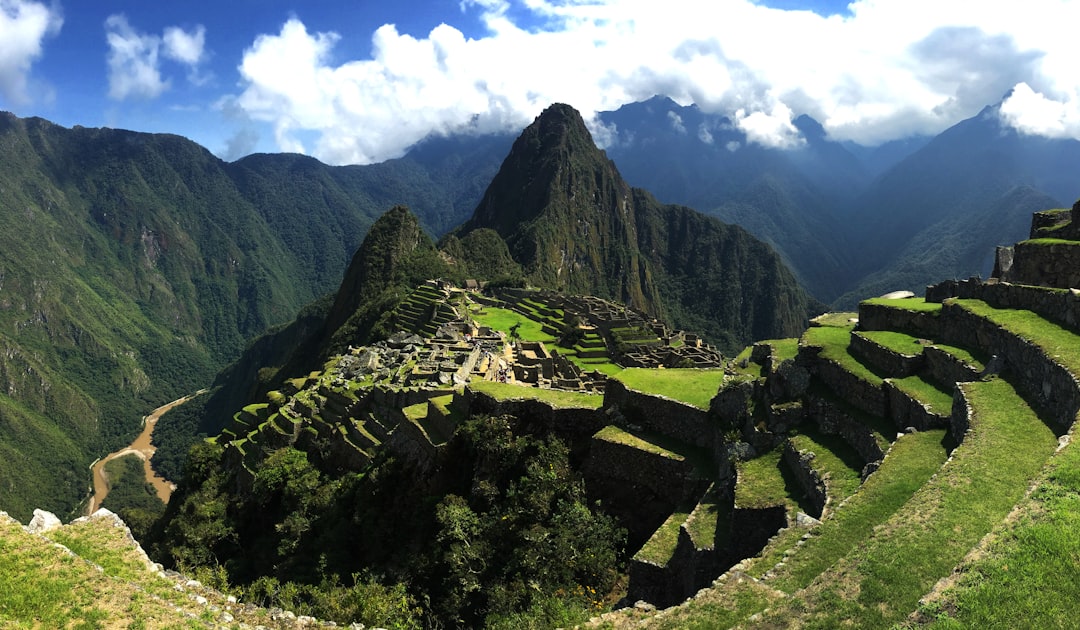
Machu Picchu, the iconic citadel perched high in the Andes Mountains of Peru, stands not only as a testament to Inca architectural prowess but also as a marvel of ancient hydraulic engineering. While its breathtaking vistas and enigmatic history often capture the imagination, the intricate water management systems that sustained this high-altitude settlement are equally, if not more, impressive. The Incas, without the benefit of modern metal tools or the wheel for general construction, managed to channel water with remarkable efficiency, ensuring a consistent supply for drinking, agriculture, and sanitation across the complex urban landscape.
The location of Machu Picchu, nestled between towering peaks and steep ravines, presented significant logistical and engineering hurdles for its inhabitants. The region experiences both periods of intense rainfall and extended dry spells, necessitating a robust and adaptable water infrastructure. The very terrain, while offering natural defenses and stunning panoramas, also meant that securing a reliable water source and distributing it effectively required sophisticated planning and execution. The Incas, like skilled navigators charting a course through a tempestuous sea, had to account for the unpredictable temperament of the Andean climate, transforming potential adversities into a source of life and sustenance.
Rainfall Variability and Water Scarcity
The Andes are characterized by distinct wet and dry seasons. During the wet season, heavy rainfall can lead to erosion and waterlogging, while the dry season presents the perennial challenge of scarcity. The Incas understood that their settlement’s survival, particularly its agricultural output, depended on their ability to mitigate these extremes. They needed to both capture and store water from the abundant periods and distribute it judiciously during the leaner times. This fluctuation acted as a constant pressure, like a relentless tide, pushing them to innovate and refine their water management strategies.
Steep Topography and Accessibility
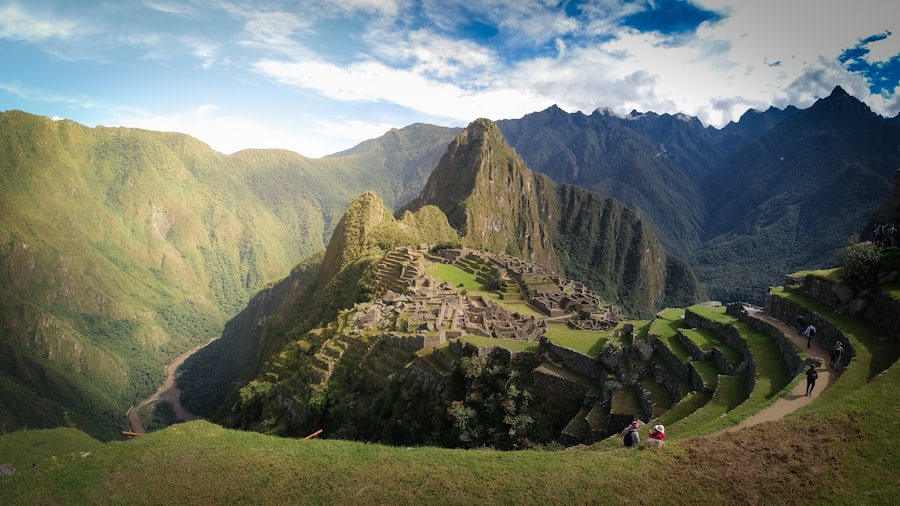
The steep slopes surrounding Machu Picchu posed a significant challenge for transporting water and for constructing gravity-fed systems. Moving water uphill is a fundamental impossibility in Newtonian physics, but the Incas, through ingenious application of natural principles, found ways to make water flow where they desired. The terrain demanded a design that worked with gravity, not against it. Imagine trying to irrigate a terraced garden on a mountainside; it’s a task that requires careful consideration of every drop and every gradient.
Machu Picchu, renowned for its breathtaking scenery and historical significance, also showcases remarkable ancient hydraulic engineering that has fascinated researchers and visitors alike. The intricate system of terraces, aqueducts, and drainage channels not only demonstrates the ingenuity of the Inca civilization but also highlights their deep understanding of water management in a challenging mountainous environment. For a deeper exploration of this topic, you can read more in the related article on hydraulic engineering at Machu Picchu by visiting this link.
The Inca Water Network: A Masterclass in Plumbing
At the heart of Machu Picchu’s hydraulic success lies its sophisticated network of channels, conduits, and reservoirs. This system, meticulously carved from stone and integrated seamlessly into the architectural fabric of the site, demonstrates a profound understanding of hydraulics, geology, and resource management. The Incas essentially built a miniature, yet remarkably effective, water metropolis on a mountaintop.
The Role of Springs and Natural Water Sources
Machu Picchu was strategically situated near several natural springs, a critical factor in its selection as a settlement site. These springs provided a consistent, albeit sometimes limited, source of fresh water. The Incas didn’t simply rely on surface water, which could be prone to contamination or seasonal disappearance. Instead, they tapped into these reliable subterranean veins, like miners seeking precious ore, ensuring a bedrock supply.
Stone Channels and Aqueducts: The Arteries of the City
The most visible elements of the hydraulic system are the stone channels and aqueducts that traverse the site. These channels, often carved from single granite blocks or constructed from precisely fitted stones, were designed to transport water from the springs and rain catchment areas to various parts of the citadel. The gradient of these channels was carefully calculated to ensure a steady flow without excessive velocity, which could lead to erosion of the channels themselves or damage to the surrounding structures. Think of these channels as the intricate circulatory system of a living organism, diligently delivering lifeblood to every part of the body.
The Importance of Gradient and Flow Control
The Incas possessed an intuitive grasp of the principles of gravity. They understood that a consistent slope was essential for water to flow reliably, but also that too steep a slope could prove detrimental. Through careful observation and iterative design, they established the optimal gradients for their channels. Furthermore, they incorporated features that allowed for flow control, enabling them to regulate the volume of water reaching different sectors of the site. This mastery over flow was akin to a skilled conductor managing an orchestra, ensuring each instrument played its part harmoniously and at the right tempo.
Water Storage and Distribution Systems
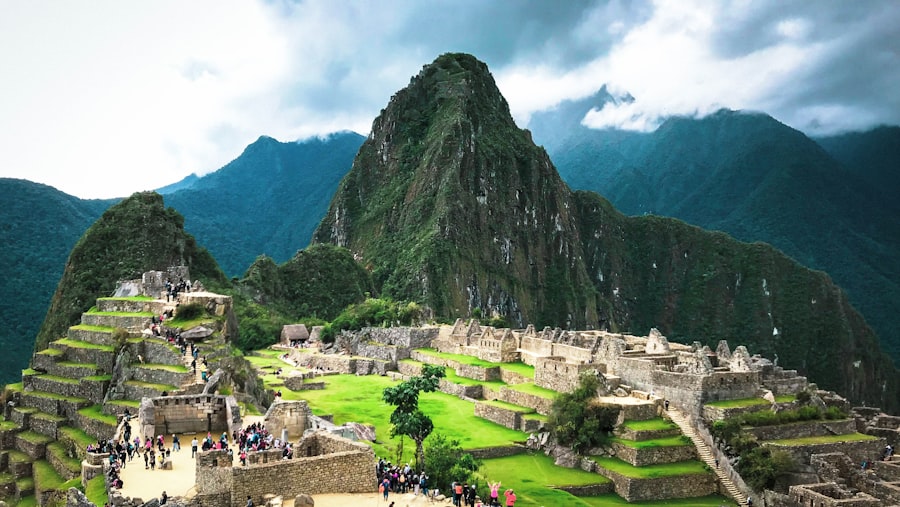
Beyond the channels, the Incas developed sophisticated methods for storing and distributing water to meet the diverse needs of the population. This included not only direct consumption but also irrigation for their agricultural terraces and the flushing of waste.
Cisterns and Reservoirs: The Lungs of the System
Strategically located cisterns and reservoirs served as vital storage facilities. These were crucial for buffering against periods of low rainfall and for ensuring a consistent supply of water for daily use. The precise construction of these basins, often lined with impermeable materials, speaks to a deep understanding of water retention. These reservoirs acted as the lungs of Machu Picchu, inhaling water during abundance and exhaling it steadily when needed, maintaining the delicate equilibrium of the settlement.
The Fountain System: Distributing the Lifeblood
Machu Picchu features an impressive array of over 100 fountains, a testament to the Incas’ commitment to providing readily accessible water throughout the site. These fountains were not merely decorative; they were functional nodes in the distribution network, ensuring that clean water was available at multiple points for drinking, cooking, and other domestic uses. The design of these fountains, often incorporating ingenious deflectors and aeration mechanisms, further attests to their engineering sophistication. Imagine each fountain as a vital capillary, branching off from larger arteries to nourish every corner of the urban body.
Irrigation for Agricultural Terraces
The iconic agricultural terraces of Machu Picchu were a critical component of the Inca economy, and their productivity depended heavily on effective irrigation. Water channeled from the springs and captured rainfall was directed to these terraces, allowing for the cultivation of crops at a high altitude. The Incas employed a system of gravity-fed irrigation, where water flowed from higher channels to lower terraces, often through carefully designed spillways and distribution points. This integrated approach ensured that sustenance flowed as steadily as the crops grew, a symbiotic relationship between water and agriculture.
Sanitation and Waste Management
The engineering genius of the Incas extended to the realm of sanitation. Machu Picchu incorporated a system for waste disposal that, while primitive by modern standards, was remarkably effective for its time and environment, preventing the spread of disease and maintaining the overall hygiene of the settlement.
Drainage Channels for Surface Water
Beyond supplying water, the hydraulic system also played a crucial role in managing surface runoff. Drainage channels were incorporated throughout the site to divert rainwater away from living areas and agricultural terraces, preventing erosion and waterlogging. These channels acted as a secondary nervous system, efficiently routing away excess fluid to maintain the health and stability of the citadel.
Latrine Systems and Water Flushing
Evidence suggests that Machu Picchu possessed rudimentary latrine systems that utilized flowing water for flushing. While the specifics are still debated by archaeologists, the presence of channels leading away from known habitation areas indicates a deliberate effort to manage human waste. This early form of water-based sanitation was a significant accomplishment, contributing to the health and livability of the urban center. It’s a stark reminder that even the most basic aspects of daily life, like sanitation, were approached with ingenious foresight.
Machu Picchu, renowned for its breathtaking landscapes and rich history, also showcases remarkable ancient hydraulic engineering that has fascinated researchers for decades. The sophisticated water management system, which includes aqueducts and terraced fields, highlights the ingenuity of the Inca civilization in adapting to their environment. For those interested in exploring similar themes of ancient engineering and its impact on society, you can read more in this insightful article on ancient hydraulic systems. This connection between engineering and culture provides a deeper understanding of how civilizations thrived in challenging terrains.
Legacy and Modern Appreciation
| Metric | Description | Value/Detail |
|---|---|---|
| Water Source | Natural spring providing fresh water | Located at the top of the site, continuous flow |
| Drainage System Length | Total length of stone drainage channels | Over 10 kilometers |
| Water Distribution | Number of fountains and water outlets | 16 main fountains |
| Terrace Irrigation | Number of agricultural terraces with irrigation | Over 600 terraces |
| Water Filtration | Use of sand and gravel filters in channels | Implemented in multiple locations to ensure clean water |
| Hydraulic Engineering Age | Estimated construction period | 15th century (circa 1450 AD) |
| Water Pressure Management | Techniques to control water flow and pressure | Stepped channels and gradient control |
| Seismic Adaptation | Engineering features to withstand earthquakes | Flexible stone joints and drainage to prevent erosion |
The hydraulic engineering of Machu Picchu offers invaluable insights into the ingenuity and resourcefulness of the Inca civilization. Their ability to harness and manage water in such a challenging environment is a source of ongoing fascination and study for engineers, archaeologists, and historians alike.
Enduring Efficiency and Sustainability
The fact that much of the Inca water system at Machu Picchu still exists and, in some parts, continues to function, is a testament to its enduring design and construction. The Incas built for permanence, utilizing materials and techniques that have withstood the test of centuries and the harsh Andean climate. Their approach to water management was inherently sustainable, relying on natural forces and minimizing waste, a lesson that resonates strongly in contemporary discussions about resource management. It’s like a well-tuned ancient clock, still ticking faithfully after centuries of operation, a testament to its superior craftsmanship.
Lessons for Modern Infrastructure
The principles of gravity-fed systems, careful gradient planning, and integrated water management employed at Machu Picchu offer valuable lessons for modern engineers designing infrastructure in challenging terrains. The Inca approach, which prioritized harmony with the environment rather than imposing control over it, provides a powerful model for sustainable development. Their solutions, born from necessity and sharpened by generations of experience, remain relevant and inspiring, a beacon of ancient wisdom shining across time.

SHOCKING: 50 Artifacts That Prove History Was Erased
FAQs
What is Machu Picchu’s ancient hydraulic engineering system?
Machu Picchu’s ancient hydraulic engineering system refers to the sophisticated network of aqueducts, canals, fountains, and drainage systems built by the Inca civilization to manage water supply and control runoff within the site.
How did the Incas manage water supply at Machu Picchu?
The Incas channeled water from natural springs through a series of stone aqueducts and canals to provide a continuous and reliable water supply for drinking, irrigation, and ceremonial purposes throughout Machu Picchu.
What materials were used in the construction of Machu Picchu’s hydraulic systems?
The hydraulic structures were primarily constructed using precisely cut stone blocks fitted together without mortar, allowing for durability and efficient water flow while blending seamlessly with the natural landscape.
How did the hydraulic engineering contribute to Machu Picchu’s sustainability?
The advanced water management system prevented erosion, controlled flooding, and ensured a steady water supply, which supported agriculture and daily life, making Machu Picchu a sustainable settlement in a challenging mountainous environment.
Are Machu Picchu’s hydraulic systems still functional today?
Yes, many of the hydraulic features at Machu Picchu remain functional, demonstrating the ingenuity and durability of Inca engineering, and they continue to channel water effectively as they did centuries ago.