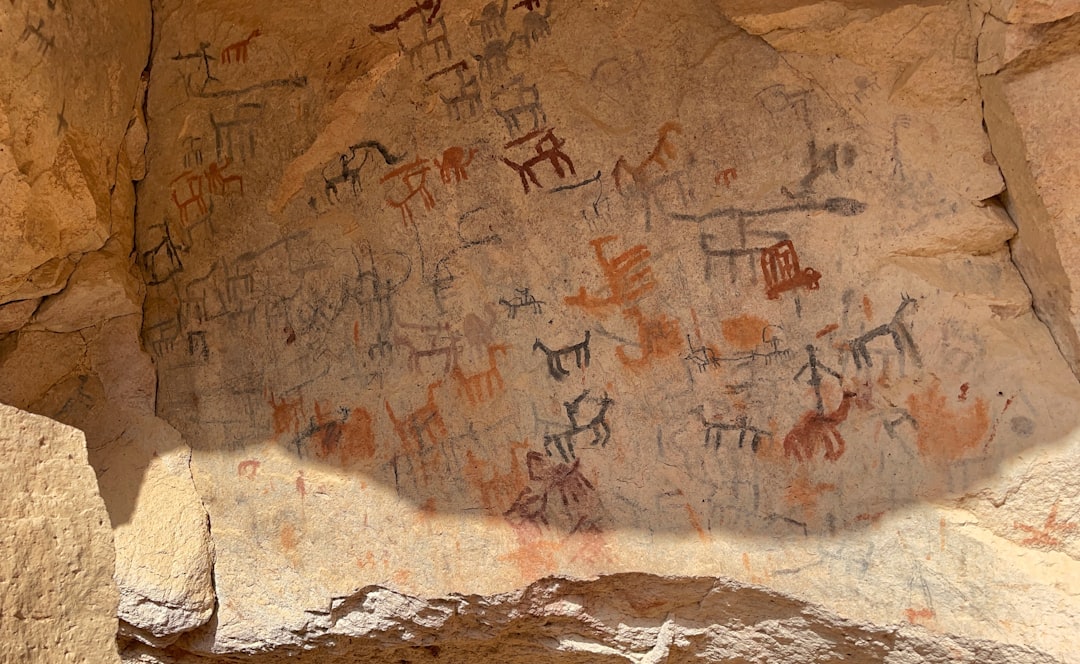
Mastering Prehistoric Art: Advanced Techniques Unearthed
The study of prehistoric art has historically been characterized by broad categorizations and speculative interpretations concerning its creation. While the initial discovery of cave paintings and portable art fueled romanticized notions of primordial expression, contemporary archaeological and scientific investigations have progressively revealed a sophisticated and methodical approach to artistic production among early human populations. This article delves into the advanced techniques employed by prehistoric artisans, moving beyond simplistic assumptions to expose the intricate processes and knowledge systems that underpinned their creative endeavors.
Pigment Sourcing and Preparation
The vibrant and enduring nature of prehistoric art owes much to the meticulous selection and preparation of its constituent materials. Far from opportunistic use of readily available earth, evidence suggests a deliberate and often arduous process of acquiring and refining pigments.
Mineral Extraction and Processing
Early humans demonstrated a remarkable understanding of mineral geology. Sources of ochre (iron oxides for reds, yellows, and browns), manganese dioxide (for blacks), and charcoal were systematically identified and exploited. Archaeological sites have yielded evidence of mining activities, including primitive tools like antler picks and stone hammers, used to extract raw pigments from rock faces and subterranean deposits.
Once extracted, these minerals underwent a refining process. This often involved crushing and grinding them into fine powders using pestles and mortars made of stone. The fineness of the resultant powder directly impacted the smoothness and opacity of the applied paint, suggesting an appreciation for particle size control.
Organic Additives and Binders
Pigments alone would not adhere effectively to cave walls or portable objects. Prehistoric artisans developed sophisticated binder systems to ensure longevity and adherence. While the precise organic components are often difficult to identify due to degradation, analyses have revealed a range of potential additives.
These binders likely included animal fats, bone marrow, egg albumen, and plant saps. The selection of a specific binder would have been influenced by its chemical properties, such as its ability to emulsify and its drying time. For instance, animal fats would have provided a durable, water-resistant medium, while plant saps might have offered greater flexibility. The careful mixing of pigments with these binders exemplifies a rudimentary understanding of chemical properties and material science.
Application Methods and Toolkits
The diversity and precision observed in prehistoric art cannot be attributed solely to raw talent. A specialized toolkit and an array of application techniques were essential for achieving the varied effects and intricate details seen in these ancient masterpieces.
Brushes and Applicators
While the stereotype of finger-painting persists, evidence indicates the use of various implements for applying pigments. These tools would have allowed for greater control and precision, analogous to a modern painter’s brush set.
Archaeological findings and microscopic analysis of paint strokes suggest the use of fibrous materials, such as frayed plant stems, animal hair, and even bird feathers, as rudimentary brushes. Different brush types would have been employed for broad strokes, fine lines, and stippling effects. For example, a frayed twig might create a broader, softer line, while a single animal hair could produce intricate details.
Spray Painting and Stenciling
Remarkably, prehistoric artists employed techniques that foreshadow modern spray painting and stenciling. These methods allowed for the creation of diffuse effects, outlines, and repeated patterns.
The technique of blowing pigments through a hollow bone or reed over a hand or other object often resulted in negative handprints – a common motif in Upper Paleolithic art. This method not only created a distinct outline but also imparted a subtle, misty texture to the paint. Stenciling, while less common than handprints, was also utilized, suggesting a conscious effort to create repeatable forms and patterns. The precision of these techniques indicates a controlled use of breath and a developed understanding of air pressure.
Surface Preparation and Manipulation
The canvas upon which prehistoric art was created was not always a pristine, flat surface. Artisans often engaged in significant surface preparation and manipulation, transforming the natural environment into a suitable artistic medium.
Engraving and Incision
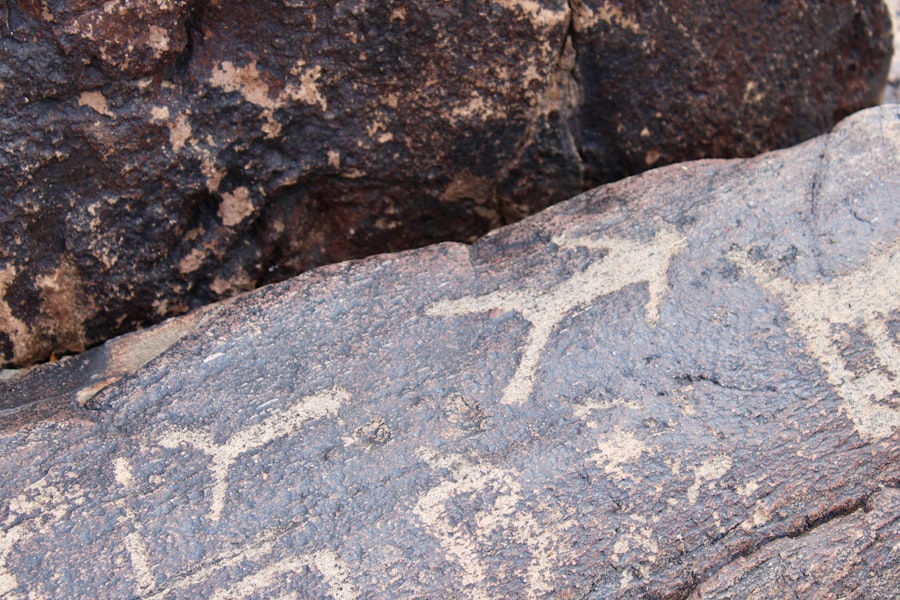
Before or in conjunction with painting, many prehistoric artworks involved engraving or incising the rock surface. This technique provided texture, defined outlines, and created depth within the composition.
Engraving tools, often sharp stone flakes (lithic tools), were used to cut into the rock. The depth and width of these incisions varied considerably, suggesting different tools were used for different effects. Some engravings were shallow, merely outlining figures, while others were deep, creating strong relief. The combination of engraving and painting allowed for a multifaceted artistic expression, where light and shadow played an integral role in interpreting the artwork.
Relief Carving and Sculpting
Beyond simple incisions, some sites exhibit sophisticated relief carving and even rudimentary sculpting. This indicates a profound understanding of three-dimensional form and the laborious process of transforming rock.
In certain instances, natural rock formations were strategically utilized and enhanced through carving to create animal forms or human figures that emerge from the cave wall. This integration of the natural environment with artistic intervention represents a dynamic interplay between artist and landscape, blurring the lines between creation and discovery. The scale of these endeavors suggests communal effort and a long-term commitment to artistic production.
Artistic Conventions and Compositional Strategies
Prehistoric art, despite its apparent spontaneity, often adheres to specific artistic conventions and compositional strategies. This suggests shared cultural understandings and a conscious effort to convey meaning through visual language.
Perspective and Foreshortening
While not adhering to classical linear perspective, prehistoric artists demonstrated an intuitive understanding of depicting three-dimensional objects on a two-dimensional surface. Techniques like twisted perspective and rudimentary foreshortening are evident.
Twisted perspective, where an animal’s body is depicted in profile but its horns or antlers are shown frontally, was a common convention. This allowed for the maximum information about the animal to be conveyed effectively. More complex examples show attempts at foreshortening, where parts of an animal’s body that are closer to the viewer are depicted larger or shortened to create an illusion of depth. This suggests a careful observation of reality and an artistic intention to represent it as accurately as possible within their conventions.
Superimposition and Palimpsests
Many cave walls are characterized by layers of superimposed images, creating what are effectively visual palimpsests. This practice is not necessarily indicative of a lack of available space but rather of a deliberate re-engagement with previous artworks.
The superimposition of new images over older ones might be interpreted in various ways: as a form of artistic dialogue across generations, a revitalizing of the sacred, or simply a re-use of an already “sanctified” space. Regardless of the exact interpretation, it demonstrates a conscious interaction with existing artwork and a dynamic relationship with the artistic heritage of their predecessors. This layering creates a visual history within the cave, a testament to ongoing artistic activity over extended periods.
The Role of Light and Acoustics
The environment in which prehistoric art was created – often deep within caves – was not a neutral space. The interplay of torchlight and the cave’s acoustics likely played a significant role in the interpretation and, perhaps, even the creation of these artworks.
Illumination Techniques
Creating art deep within caves necessitated sophisticated illumination techniques. The flickering light of torches made from animal fat or resinous wood would have dramatically altered the perception of the artworks.
The movement of torchlight would have made the painted and engraved figures appear to move and dance on the uneven cave walls. This dynamic interplay between light and surface would have imbued the art with a sense of animation and vitality, transforming static images into living forms. The strategic placement of artworks in relation to natural contours and potential torch positions suggests a conscious design element, where the lighting was an integral part of the artistic experience.
Acoustic Properties of Caves
Recent research has explored the acoustic properties of painted caves, suggesting a correlation between the placement of artworks and areas with significant echo or resonance.
It is plausible that certain areas within caves were chosen for their acoustic qualities, particularly if rituals involving chanting, drumming, or other vocalizations were performed there. The sounds bouncing off the cave walls, especially in areas adorned with art, could have created an immersive, multi-sensory experience for the ancient viewers. This implies a holistic approach to cave spaces, where visual art, sound, and potentially other sensory inputs combined to create a profound and meaningful environment for their communities. This intersection of art and acoustics underscores a sophisticated understanding of their environment’s properties and a deliberate effort to harness them for ritualistic or communicative purposes.
In conclusion, the prehistoric artistic record, often perceived as rudimentary, is in fact a testament to advanced technical proficiency, a sophisticated understanding of materials, and a nuanced approach to visual communication. By examining the intricate techniques of pigment preparation, application methods, surface manipulation, and deliberate compositional choices, one gains a renewed appreciation for these pioneering artisans. Their mastery extended beyond mere depiction, encompassing a deeply integrated engagement with their environment and a profound capacity for symbolic and aesthetic expression. The enduring legacy of their achievements compels us to continually re-evaluate our understanding of early human cognitive abilities and cultural complexity.

STOP: Why They Erased 50 Impossible Inventions From Your Textbooks
FAQs
What is prehistoric art?
Prehistoric art refers to the visual art created by humans before the invention of writing systems, typically dating from the Paleolithic era to the Iron Age. It includes cave paintings, carvings, sculptures, and other forms of artistic expression made by early human societies.
What advanced techniques were used in prehistoric art?
Advanced techniques in prehistoric art include the use of natural pigments for painting, engraving and carving tools made from stone or bone, and methods such as shading, perspective, and layering to create depth and realism. Some cave paintings also show evidence of using stencils and blowing pigment through hollow bones.
Where are some famous examples of prehistoric art found?
Famous examples of prehistoric art are found in locations such as the Lascaux Caves in France, Altamira Cave in Spain, and the Chauvet Cave in France. These sites contain well-preserved cave paintings and engravings that showcase the skill and creativity of early humans.
What materials did prehistoric artists use?
Prehistoric artists used natural materials such as charcoal, ochre, hematite, and manganese dioxide for pigments. They applied these pigments on cave walls, rocks, and bones. Tools for engraving and carving were typically made from flint, bone, or antler.
Why is prehistoric art important to study?
Studying prehistoric art provides valuable insights into the cognitive development, culture, beliefs, and daily life of early humans. It helps researchers understand the origins of artistic expression and the evolution of human creativity and communication.