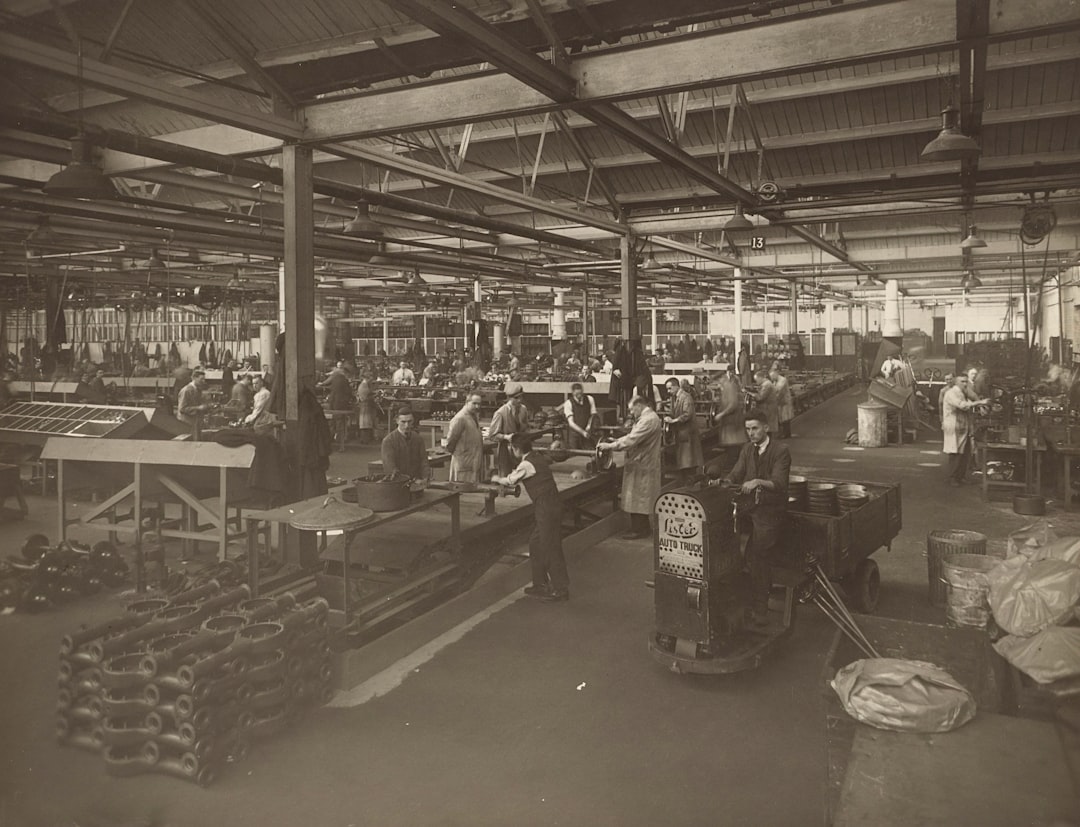
Manufacturing in Mexico has emerged as a pivotal sector within the global economy, attracting attention from businesses and investors alike. Over the past few decades, the country has transformed into a manufacturing powerhouse, leveraging its strategic location, favorable economic conditions, and a wealth of resources. The Mexican manufacturing landscape is characterized by a diverse range of industries, including automotive, electronics, aerospace, and consumer goods.
This evolution has not only bolstered Mexico’s economy but has also positioned it as a key player in the global supply chain. The growth of manufacturing in Mexico can be attributed to several factors, including its proximity to the United States, a robust labor market, and advantageous trade agreements. As companies seek to optimize their operations and reduce costs, Mexico has become an attractive destination for foreign direct investment.
The combination of these elements has created a dynamic environment that fosters innovation and competitiveness, making Mexico an essential hub for manufacturing in North America.
Key Takeaways
- Mexico offers cost savings and abundant labor availability for manufacturing operations.
- Its proximity to the United States market provides logistical advantages and reduced transportation costs.
- Trade agreements and tariff benefits make Mexico an attractive location for manufacturing.
- The country boasts a strong infrastructure and transportation network to support manufacturing activities.
- Mexico has a skilled workforce and technical expertise to meet the needs of various industries.
Cost Savings and Labor Availability
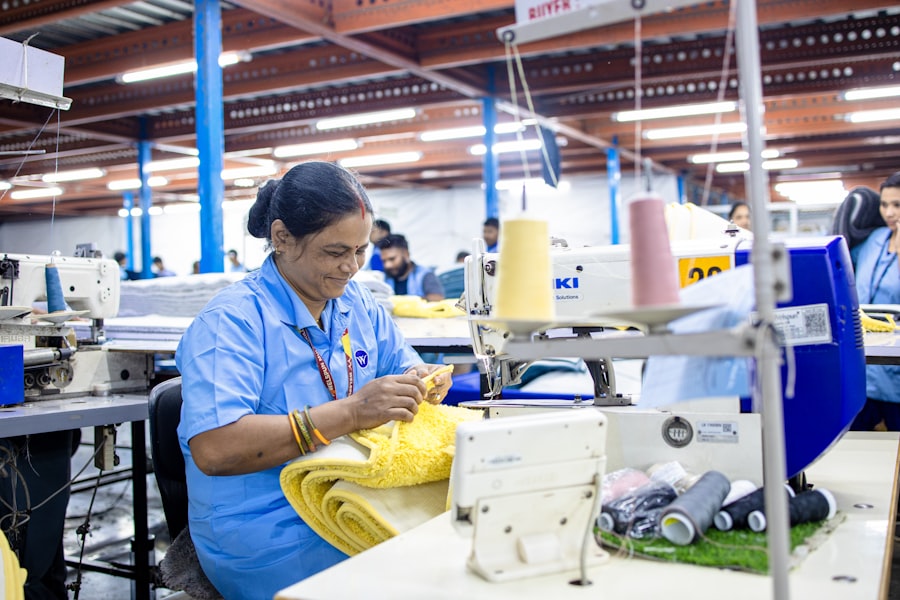
One of the most compelling reasons for manufacturers to consider Mexico is the significant cost savings associated with production. Labor costs in Mexico are considerably lower than those in the United States and many other developed countries. This cost advantage allows companies to maintain competitive pricing while maximizing profit margins.
Moreover, the labor force in Mexico is not only abundant but also increasingly skilled. Many workers have access to vocational training programs and technical education that equip them with the necessary skills for modern manufacturing processes.
This combination of cost-effective labor and a growing pool of skilled workers makes Mexico an appealing option for companies looking to streamline their operations and enhance productivity.
Proximity to the United States Market
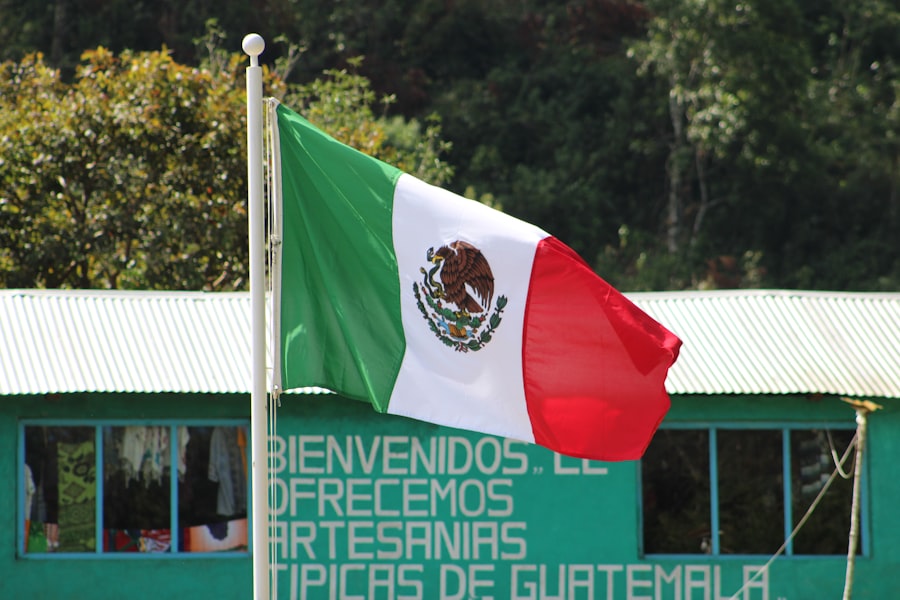
Mexico’s geographical proximity to the United States is another significant advantage for manufacturers. The country shares a nearly 2,000-mile border with its northern neighbor, facilitating easy access to one of the largest consumer markets in the world. This closeness allows for shorter shipping times and reduced transportation costs, enabling companies to respond quickly to market demands and fluctuations.
Additionally, the integration of supply chains between the two countries has become increasingly seamless. Many manufacturers in Mexico serve as suppliers to U.S.-based companies, creating a symbiotic relationship that benefits both economies. This interconnectedness not only enhances efficiency but also fosters collaboration and innovation across borders, further solidifying Mexico’s role as a manufacturing hub.
Trade Agreements and Tariff Benefits
| Trade Agreements | Tariff Benefits |
|---|---|
| NAFTA | Reduced or eliminated tariffs on goods traded between Canada, Mexico, and the United States |
| EU-Japan Economic Partnership Agreement | Elimination of tariffs on many agricultural and industrial products |
| ASEAN Free Trade Area | Reduced or eliminated tariffs on goods traded among the 10 member countries of ASEAN |
Mexico’s participation in various trade agreements has significantly bolstered its manufacturing sector. The United States-Mexico-Canada Agreement (USMCA), which replaced the North American Free Trade Agreement (NAFTA), has established a framework that promotes trade between the three countries while reducing tariffs on goods exchanged. This agreement has made it easier for manufacturers to export products to the U.S.
and Canada without incurring hefty tariffs, thereby enhancing their competitiveness in North American markets. Furthermore, Mexico has entered into numerous free trade agreements with countries around the world, expanding its reach beyond North America. These agreements facilitate access to international markets and provide manufacturers with opportunities to diversify their customer base.
By capitalizing on these trade benefits, companies can enhance their global presence while minimizing costs associated with tariffs and trade barriers.
Infrastructure and Transportation Networks
The infrastructure in Mexico has seen significant improvements over the years, making it an attractive destination for manufacturing operations. The country boasts an extensive network of highways, railroads, and ports that facilitate the efficient movement of goods both domestically and internationally. Major cities such as Monterrey, Guadalajara, and Tijuana have become key logistics hubs, equipped with modern facilities that support manufacturing activities.
In addition to road and rail networks, Mexico’s ports play a crucial role in international trade. The country’s strategic coastal locations allow for easy access to shipping routes, enabling manufacturers to export their products quickly and efficiently. This robust infrastructure not only enhances supply chain management but also reduces lead times, allowing companies to meet customer demands more effectively.
Skilled Workforce and Technical Expertise
The availability of a skilled workforce is a cornerstone of Mexico’s manufacturing success. The country has made significant investments in education and vocational training programs aimed at developing a technically proficient labor force. Many universities and technical institutes offer specialized programs in engineering, manufacturing technologies, and other relevant fields, ensuring that graduates are well-prepared to meet industry demands.
Moreover, Mexico’s workforce is known for its adaptability and willingness to embrace new technologies. As industries evolve and adopt advanced manufacturing techniques such as automation and robotics, Mexican workers have demonstrated their ability to acquire new skills quickly. This adaptability not only enhances productivity but also positions Mexico as a leader in innovation within the manufacturing sector.
Streamlined Supply Chain Management
Efficient supply chain management is critical for manufacturers seeking to optimize their operations. Mexico’s strategic location and well-developed infrastructure contribute to streamlined supply chain processes that minimize delays and reduce costs. By establishing manufacturing facilities close to suppliers and customers, companies can enhance their responsiveness to market changes while maintaining high levels of efficiency.
Additionally, many manufacturers in Mexico have adopted just-in-time (JIT) inventory practices, which further improve supply chain efficiency. JIT systems allow companies to reduce excess inventory while ensuring that materials are available when needed for production. This approach not only lowers carrying costs but also enhances overall operational efficiency, making Mexican manufacturers more competitive in the global market.
Flexibility and Customization Options
In today’s fast-paced business environment, flexibility and customization are essential for manufacturers looking to meet diverse customer needs. Mexico’s manufacturing sector is well-equipped to provide these options due to its agile production capabilities. Many facilities are designed to accommodate small-batch production runs alongside larger-scale manufacturing, allowing companies to respond quickly to changing market demands.
Furthermore, Mexican manufacturers often prioritize collaboration with clients to develop customized solutions tailored to specific requirements. This customer-centric approach fosters strong relationships between manufacturers and their clients, leading to increased satisfaction and loyalty. By offering flexibility in production processes and customization options, Mexican manufacturers can differentiate themselves from competitors while meeting the unique needs of their customers.
Regulatory and Compliance Considerations
Navigating regulatory frameworks is an essential aspect of operating a manufacturing business in any country. In Mexico, manufacturers must adhere to various regulations related to labor laws, environmental standards, and safety protocols. While these regulations can present challenges, they also serve as an opportunity for companies to demonstrate their commitment to ethical practices and sustainability.
Many Mexican manufacturers have embraced compliance as a means of enhancing their reputation both domestically and internationally. By adhering to stringent regulations, companies can build trust with customers and stakeholders while minimizing risks associated with non-compliance. Additionally, proactive engagement with regulatory bodies can lead to smoother operations and improved relationships with government agencies.
Risk Mitigation and Contingency Planning
In an increasingly complex global landscape, risk mitigation is paramount for manufacturers operating in Mexico. Factors such as economic fluctuations, political instability, and natural disasters can pose significant challenges to production operations. To address these risks effectively, many manufacturers have developed comprehensive contingency plans that outline strategies for maintaining business continuity in the face of adversity.
These contingency plans often include diversifying supply sources, establishing alternative production facilities, and investing in technology that enhances operational resilience.
The Future of Manufacturing in Mexico
The future of manufacturing in Mexico appears bright as the country continues to evolve into a global manufacturing hub. With its strategic advantages—including cost savings, proximity to key markets, favorable trade agreements, and a skilled workforce—Mexico is well-positioned to attract further investment in the manufacturing sector. As companies increasingly seek agile production capabilities and streamlined supply chains, Mexico’s ability to adapt will be crucial.
Moreover, as technological advancements reshape the manufacturing landscape worldwide, Mexican manufacturers are poised to embrace innovation while maintaining their competitive edge. By focusing on sustainability, compliance, and risk mitigation strategies, they can navigate challenges effectively while capitalizing on emerging opportunities. Ultimately, the continued growth of manufacturing in Mexico will not only benefit local economies but will also play a vital role in shaping the future of global supply chains.
Manufacturing in Mexico offers numerous logistical advantages, such as proximity to the United States, which reduces shipping times and costs. Additionally, Mexico’s extensive network of free trade agreements facilitates smoother international trade. For a deeper understanding of the strategic benefits of manufacturing in Mexico, you might find this related article insightful. It explores various aspects of Mexico’s manufacturing landscape, including its skilled labor force and competitive production costs, which further enhance its appeal as a manufacturing hub.
FIND OUT! Why America’s 🇺🇸 Factories Are Moving to Mexico
FAQs
What are the logistical advantages of manufacturing in Mexico?
Mexico offers several logistical advantages for manufacturing, including its proximity to the United States, access to major shipping routes, and a well-developed transportation infrastructure.
How does Mexico’s proximity to the United States benefit manufacturing?
Mexico’s close proximity to the United States allows for easier access to the US market, reducing transportation costs and lead times for goods. This proximity also facilitates collaboration and communication between manufacturers and their US-based partners.
What major shipping routes are accessible from Mexico?
Mexico has access to major shipping routes, including the Pacific and Atlantic Oceans, as well as the Gulf of Mexico. This allows for efficient transportation of goods to various international markets.
How developed is Mexico’s transportation infrastructure?
Mexico has a well-developed transportation infrastructure, including an extensive network of highways, railways, and ports. This infrastructure facilitates the movement of raw materials and finished goods throughout the country and to international markets.
What are some other logistical benefits of manufacturing in Mexico?
In addition to its proximity to the US, access to major shipping routes, and developed transportation infrastructure, Mexico also offers a skilled labor force, competitive labor costs, and a favorable business environment for manufacturers.