
Just-in-Time (JIT) logistics, a core component of lean manufacturing and supply chain management, represents a strategic philosophy aimed at increasing efficiency and decreasing waste by receiving goods only as they are needed for production or distribution. This intricate system, born from the innovative minds at Toyota Production System (TPS) in the mid-20th century, stands in stark contrast to traditional inventory management approaches that favor buffer stocks. The essence of JIT lies in its commitment to minimizing inventory holding costs and associated risks, thereby streamlining operations and improving responsiveness to market demands. This article delves into the foundational principles, operational mechanisms, benefits, challenges, and future trajectory of JIT logistics, offering a comprehensive understanding of its persistent relevance in modern commerce.
The origins of JIT are inextricably linked to Toyota’s post-World War II imperative to compete with larger, more established American manufacturers despite limited resources. Taiichi Ohno, often credited as the architect of the Toyota Production System, spearheaded the development of the “Kanban” system, a visual signaling method that underpins JIT. This pull-based system, where production is triggered by demand rather than forecast, became the cornerstone of a new paradigm in manufacturing. Learn more about global trade and its impact on the economy.
The Toyota Production System as a Catalyst
Toyota’s objective was to eliminate waste (Muda), overburden (Muri), and inconsistencies (Mura) across its production processes. JIT emerged as a critical tool in this pursuit, focusing specifically on inventory waste. By precisely aligning material flow with production schedules, Toyota was able to reduce warehousing needs, minimize capital tied up in inventory, and enhance manufacturing flexibility.
From Manufacturing Floor to Global Supply Chains
Initially conceived within a single plant’s manufacturing ecosystem, JIT principles gradually transcended their original context. As globalized supply chains became the norm, the potential for applying JIT across vast, interconnected networks became apparent. The emphasis shifted from merely managing internal production to coordinating an intricate dance of suppliers, manufacturers, distributors, and ultimately, customers. This expansion introduced new layers of complexity and risk, necessitating robust communication and collaborative frameworks.
In the context of just-in-time logistics breakdown, it is essential to understand the broader implications of supply chain disruptions. A related article that delves into this topic is available at this link. It explores how unexpected delays can impact inventory management and overall operational efficiency, highlighting the importance of resilience in logistics strategies.
Core Principles and Operational Mechanics
At its heart, JIT logistics operates on a set of fundamental principles designed to foster efficiency and responsiveness. Understanding these tenets is crucial for anyone seeking to implement or optimize a JIT system.
Eliminating Waste (Muda)
One of the central tenets of JIT, inherited directly from TPS, is the relentless pursuit of waste elimination. In the context of logistics, waste manifests in various forms:
- Overproduction: Producing more than immediately required, leading to excess inventory.
- Waiting: Idle time for materials, products, or workers due to bottlenecks or poor scheduling.
- Transportation: Unnecessary movement of goods, incurring costs and potential damage.
- Over-processing: Doing more work than necessary to produce a product, often due to poor design or inefficient methods.
- Inventory: Excess raw materials, work-in-progress, or finished goods representing tied-up capital and storage costs.
- Motion: Unnecessary movement of people.
- Defects: Products requiring rework or scrap, leading to wasted materials and labor.
JIT directly addresses the “inventory” waste by striving for zero stock, and indirectly impacts other forms by streamlining processes and demanding higher quality.
Demand-Pull System
Unlike traditional push systems, where production is initiated based on forecasts and materials are pushed down the line, JIT employs a demand-pull system. This means that production is only triggered when there is an actual customer order or an immediate need in the subsequent production stage.
Kanban as a Signaling Mechanism
Kanban, meaning “visual card” or “signboard” in Japanese, serves as the operational backbone of the demand-pull system. These cards or electronic signals authorize the movement of materials or the start of production for a specific quantity. When a downstream stage consumes parts, a Kanban signal is sent upstream, indicating the need for replenishment. This creates a rhythmic, controlled flow of materials precisely when and where they are required.
Continuous Improvement (Kaizen)
JIT is not a static system; it embodies the philosophy of Kaizen, or continuous improvement. Organizations implementing JIT are expected to constantly seek ways to refine their processes, identify new sources of waste, and enhance overall efficiency. This incremental approach to improvement ensures that the system remains agile and adaptable to changing conditions.
Problem Solving and Root Cause Analysis
A critical aspect of Kaizen within JIT is a rigorous approach to problem-solving. When issues arise – be it a delay, a defect, or an unexpected surge in demand – the focus is not merely on rectifying the immediate problem but on identifying and addressing its root cause. This prevents recurrence and strengthens the overall system.
The Advantages and Disadvantages of JIT Logistics
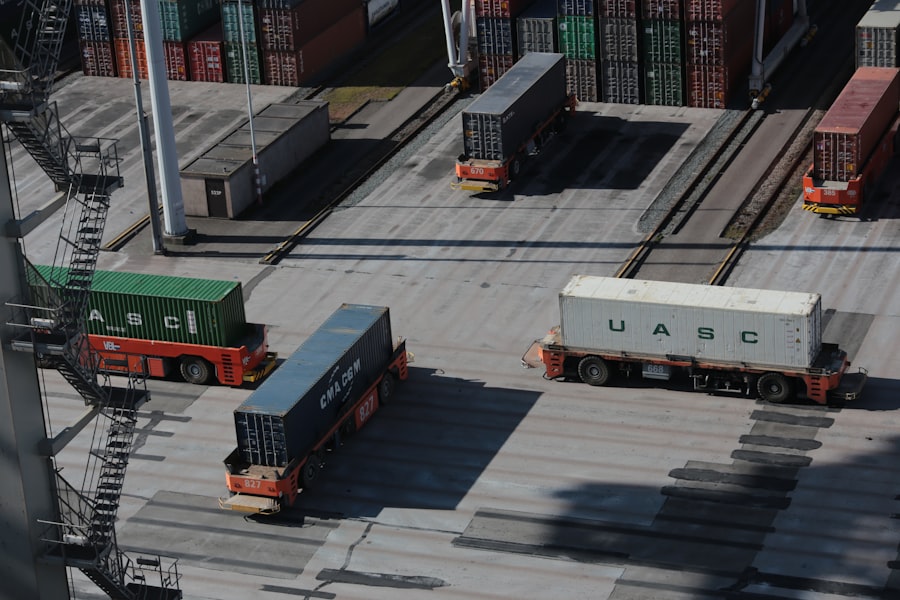
Like any sophisticated system, JIT logistics presents a double-edged sword, offering substantial benefits alongside considerable challenges. Organizations must carefully weigh these factors before committing to its implementation.
Significant Benefits: The Engine of Efficiency
The allure of JIT stems from its profound capacity to revolutionize operational efficiency and financial performance.
Reduced Inventory Holding Costs
This is perhaps the most quantifiable benefit. By minimizing the amount of raw materials, work-in-progress, and finished goods held in stock, companies drastically reduce expenses associated with:
- Warehousing: Less space required, leading to lower rent, utilities, and maintenance.
- Capital tied up: Funds that would otherwise be locked in inventory can be deployed elsewhere, improving cash flow.
- Insurance and obsolescence: Lower stock levels mean reduced insurance premiums and less risk of items becoming outdated or damaged.
Enhanced Responsiveness to Market Changes
In a rapidly evolving market, the ability to adapt quickly is a significant competitive advantage. JIT allows companies to:
- Adjust production rapidly: Without large buffer stocks, changes in customer demand or product specifications can be incorporated into the production schedule almost immediately.
- Launch new products faster: Reduced lead times for materials enable quicker product development and market entry.
- Minimize dead stock: Less risk of being left with unpopular or obsolete products.
Improved Quality and Reduced Waste
The intolerance for error inherent in a low-inventory system acts as a powerful motivator for quality improvement.
- Problem identification: With minimal buffer, defects become immediately apparent, forcing prompt investigation and resolution. This “stops the line” mentality encourages continuous improvement in quality control.
- Fewer defects in production: Suppliers are also incentivized to deliver higher quality components, as defective parts can halt the entire production process.
- Reduced rework and scrap: Fewer defective products mean less waste of materials and labor.
Inherent Challenges: The Tightrope Walk
While the benefits are compelling, JIT operates on a razor’s edge, demanding meticulous planning and execution.
Increased Vulnerability to Supply Chain Disruptions
The very leanness that defines JIT also makes it susceptible to disruptions. Any interruption in the supply chain – be it a natural disaster, a geopolitical event, a supplier’s strike, or even a minor traffic delay – can bring production to a screeching halt.
- Single point of failure: Reliance on a limited number of highly integrated suppliers increases risk.
- Lack of buffer: Without safety stock, there is no immediate recourse when a supply issue arises.
The COVID-19 pandemic, for instance, exposed the fragility of many JIT-dependent supply chains, leading to widespread shortages and production delays across various industries. This vulnerability often prompts a re-evaluation of pure JIT models in favor of “JIT II” or other hybrid approaches that incorporate strategic safety stocks for critical components.
Demanding Supplier Relationships
Successful JIT implementation hinges on exceptionally strong, trusting, and collaborative relationships with suppliers.
- Frequent, small deliveries: Suppliers must be capable of delivering high-quality materials in small batches with precision timing.
- Information sharing: Real-time data exchange regarding demand forecasts, production schedules, and inventory levels is paramount.
- Geographical proximity: Closer suppliers often facilitate more frequent and reliable deliveries, though this is not always feasible in a globalized context.
Companies adopting JIT often engage in long-term contracts and even integrate their systems with their suppliers to ensure seamless coordination.
Requires High Levels of Coordination and Predictability
JIT is a symphony that demands perfect timing and harmony from all its instruments.
- Accurate forecasting: While a pull system, JIT still relies on a degree of demand predictability to inform supplier scheduling and capacity planning.
- Flawless internal communication: Any breakdown in communication between departments can disrupt the entire flow.
- Robust infrastructure: Reliable transportation networks and efficient material handling systems are non-negotiable.
Implementing JIT without these prerequisites can lead to chaos rather than efficiency, transforming the intended smooth flow into a series of jarring stops and starts.
Implementing JIT: A Strategic Roadmap

Embarking on a JIT journey is not a simple operational tweak; it represents a fundamental shift in business philosophy and requires a strategic, phased approach.
Top-Down Commitment and Cultural Shift
Successful JIT implementation requires unwavering support from senior management. It’s not merely a logistics initiative but a cultural transformation that demands a commitment to continuous improvement, problem-solving, and cross-functional collaboration. Employees at all levels must understand the “why” behind JIT and be empowered to identify and address bottlenecks.
Process Mapping and Value Stream Analysis
Before diving into changes, organizations must gain a deep understanding of their current state. This involves meticulously mapping existing processes to identify areas of waste, bottlenecks, and non-value-adding activities. Value Stream Mapping (VSM) is a powerful tool for visualizing the flow of materials and information, highlighting opportunities for streamlining and waste reduction.
Supplier Development and Integration
As highlighted earlier, suppliers are not merely external entities; they are integral partners in a JIT ecosystem. Companies must invest in developing strong relationships, sharing knowledge, and even assisting suppliers in adopting JIT principles themselves. This includes:
- Establishing clear communication channels: Ensuring real-time information exchange.
- Conducting supplier audits: Verifying quality and delivery capabilities.
- Joint problem-solving: Collaborating to address issues and improve performance.
Phased Implementation and Pilot Programs
Given the complexity and potential risks, a gradual, phased approach is advisable. Starting with a pilot program in a controlled environment – perhaps a single product line or a specific manufacturing cell – allows an organization to learn, refine processes, and build confidence before a broader rollout. This incremental approach reduces the likelihood of catastrophic failures.
In the realm of supply chain management, understanding the intricacies of just-in-time logistics is crucial, especially when considering potential breakdowns that can disrupt operations. A related article that delves deeper into this topic can be found at Real Lore and Order, where it explores various strategies to mitigate risks associated with just-in-time systems. By examining case studies and expert insights, the article provides valuable information for businesses looking to enhance their logistics frameworks and maintain efficiency in their supply chains.
The Future of Just-in-Time Logistics
| Metric | Description | Impact on JIT Logistics | Typical Value/Range |
|---|---|---|---|
| Delivery Lead Time | Time taken from order placement to delivery | Delays increase risk of production stoppage | 1-3 days (ideal) |
| Inventory Turnover Rate | Frequency of inventory replacement | Lower turnover indicates excess stock, reducing JIT efficiency | 8-12 times per year |
| Supplier Reliability | Percentage of on-time deliveries by suppliers | High reliability reduces breakdown risk | 95% and above |
| Order Accuracy | Percentage of orders delivered without errors | Errors cause production delays and rework | 98% and above |
| Transportation Delay Frequency | Number of transport delays per month | Frequent delays disrupt JIT schedules | Less than 2 per month |
| Breakdown Response Time | Time taken to resolve logistics breakdowns | Faster response minimizes production impact | Within 4 hours |
| Buffer Stock Level | Minimal inventory held to cushion against delays | Too low increases risk; too high reduces JIT benefits | 1-2 days of supply |
In an era defined by volatility, uncertainty, complexity, and ambiguity (VUCA), the traditional JIT model is under scrutiny. However, its core principles of waste reduction and efficiency remain highly relevant. The future of JIT is likely to involve adaptation and integration with emerging technologies and strategic adjustments.
Integration with Pervasive Technologies
The advent of Industry 4.0 technologies offers unprecedented opportunities to enhance JIT systems.
- Internet of Things (IoT): Sensors embedded in products, machinery, and transportation can provide real-time data on inventory levels, asset location, and even environmental conditions, enabling predictive analytics and proactive problem-solving.
- Artificial Intelligence (AI) and Machine Learning (ML): These technologies can optimize demand forecasting, identify potential supply chain risks, and automate scheduling, leading to more responsive and resilient JIT systems.
- Blockchain: Offers immutable records for tracking goods, enhancing transparency, and building trust across the supply chain, which is critical for JIT’s reliance on precise information.
These technologies can provide the visibility and intelligence necessary to manage increasingly complex and geographically dispersed JIT networks with greater precision and resilience.
Hybrid Models and Strategic Buffering
The inherent vulnerability of pure JIT, particularly following recent global disruptions, has prompted a move towards more adaptive strategies. “JIT II,” or “Just-in-Sequence (JIS)” for automotive, represents evolutions where a supplier’s representative is integrated directly into the customer’s facility, or components are delivered in the exact order of assembly. Beyond these, a common trend involves strategic buffering for critical components.
- Dual sourcing: Relying on multiple suppliers for key materials to mitigate risk.
- Regionalized supply chains: Bringing production and sourcing closer to demand centers to reduce lead times and transportation vulnerability.
- Safety stock for high-volatility items: Maintaining small, strategic buffers for items with fluctuating demand or high supply risk, while keeping other items lean.
This represents a pragmatic shift, acknowledging that while lean principles are paramount, absolute zero inventory may not always be the optimal strategy in a truly unpredictable world. The goal is to strike a balance between the cost savings of lean and the resilience offered by strategic redundancy.
Sustainability and Ethical Considerations
Future iterations of JIT must also address growing concerns about environmental sustainability and ethical sourcing. Reduced transportation from fewer, larger deliveries might be offset by the increased frequency of smaller JIT deliveries. However, optimized logistics routes facilitated by JIT principles can also lead to lower fuel consumption and reduced carbon footprints. Furthermore, the close supplier relationships inherent in JIT can enable greater scrutiny of ethical labor practices and environmental stewardship across the supply chain.
In conclusion, Just-in-Time logistics, often viewed as the circulatory system of modern manufacturing, continues to evolve from its foundational principles. It remains a powerful philosophy for driving efficiency and eliminating waste, offering significant competitive advantages to those who master its intricate demands. While the purist JIT model may face pressure from geopolitical and economic volatilities, its core tenets will undoubtedly persist, shaping the adaptive, technologically integrated, and resilient supply chains of tomorrow. The journey toward maximizing efficiency through JIT is continuous, demanding perpetual vigilance, strategic adaptation, and an unwavering commitment to improvement.
WATCH THIS! 🌍 GLOBAL TRADE IS A LIE: How Three Chokepoints Control Your Calendar
FAQs
What is Just in Time (JIT) logistics?
Just in Time logistics is a supply chain strategy that aims to improve efficiency by receiving goods only as they are needed in the production process, thereby reducing inventory costs.
How does a Just in Time logistics breakdown occur?
A JIT logistics breakdown happens when there is a disruption in the supply chain, such as delays in transportation, supplier issues, or production problems, causing materials or products to arrive late or not at all.
What are the common causes of a JIT logistics breakdown?
Common causes include transportation delays, supplier failures, natural disasters, equipment malfunctions, labor strikes, and inaccurate demand forecasting.
What are the consequences of a JIT logistics breakdown?
Consequences can include production stoppages, increased costs, missed delivery deadlines, reduced customer satisfaction, and potential loss of business.
How can companies prevent a JIT logistics breakdown?
Companies can prevent breakdowns by diversifying suppliers, improving communication and coordination, investing in real-time tracking technologies, maintaining safety stock, and developing contingency plans.
What role does technology play in managing JIT logistics?
Technology such as inventory management systems, GPS tracking, and data analytics helps monitor supply chain activities in real-time, predict potential disruptions, and optimize logistics operations.
Is Just in Time logistics suitable for all industries?
JIT logistics is most effective in industries with stable demand and reliable suppliers. It may be less suitable for industries with highly variable demand or where supply chain disruptions are frequent.
How does a JIT logistics breakdown impact customer satisfaction?
Delays or shortages caused by a breakdown can lead to late deliveries, reduced product availability, and ultimately lower customer satisfaction and trust.
What strategies can be used to recover from a JIT logistics breakdown?
Recovery strategies include activating backup suppliers, expediting shipments, adjusting production schedules, increasing communication with customers, and reviewing supply chain vulnerabilities.
Can Just in Time logistics be combined with other inventory management approaches?
Yes, some companies use a hybrid approach, combining JIT with safety stock or vendor-managed inventory to balance efficiency with risk mitigation.