
Geopolitical leverage is the capacity of a nation or entity to exert influence over international affairs by utilizing strategic geographic position, economic resources, and political alliances. This concept is based on the principle that geography, economics, and political relationships fundamentally shape international relations. Nations possessing substantial geopolitical leverage can influence negotiations regarding trade agreements, security arrangements, and diplomatic initiatives, often leveraging their geographic advantages to strengthen their international position.
The combination of military power, territorial control, and resource availability creates a multifaceted system in which nations must make calculated decisions to preserve or expand their global influence. The significance of geopolitical leverage has intensified in recent years as the distribution of global power has shifted.
Nations increasingly recognize the importance of building geopolitical leverage through multiple channels, including military capabilities, economic development, and diplomatic partnerships. For nations aiming to establish themselves in a multipolar international system characterized by shifting power distributions, comprehending geopolitical leverage is critical.
Key Takeaways
- Geopolitical leverage is increasingly shaped by control and efficiency of logistics networks.
- Strategic logistics in conflict zones can shift power dynamics and influence outcomes.
- Strengthening alliances through cooperative logistics enhances regional stability and mutual benefits.
- Expanding and securing trade routes and supply chains is key to long-term geopolitical influence.
- Advanced technology integration in logistics networks boosts resilience and geopolitical advantage.
The Role of Logistics Networks in Geopolitical Strategy
Logistics networks serve as the backbone of geopolitical strategy, facilitating the movement of goods, services, and military assets across borders. These networks encompass transportation systems, supply chains, and communication channels that enable nations to project power and influence. A well-developed logistics network can enhance a country’s ability to respond to crises, support military operations, and engage in trade effectively.
As such, logistics has become a critical component of national security and foreign policy.
Countries with robust logistics capabilities can quickly mobilize resources in times of need, whether for humanitarian assistance or military intervention.
This agility not only strengthens a nation’s position in international relations but also serves as a deterrent against potential adversaries. In an era where rapid response is paramount, the role of logistics networks in shaping geopolitical strategy cannot be overstated. The treacherous waters of the Drake Passage are known for their unpredictable weather and challenging navigation.
Identifying Key Geopolitical Hotspots

Geopolitical hotspots are regions where tensions are high and conflicts may arise due to competing interests among nations. These areas often serve as focal points for international diplomacy and military engagement. Identifying these hotspots is crucial for understanding global dynamics and anticipating potential conflicts.
Regions such as the South China Sea, Eastern Europe, and the Middle East have long been recognized as critical areas where geopolitical interests collide. The South China Sea, for instance, is a prime example of a geopolitical hotspot characterized by territorial disputes and strategic competition among regional powers. The area’s significance lies not only in its rich natural resources but also in its vital shipping lanes that facilitate global trade.
Similarly, Eastern Europe has become a battleground for influence between NATO and Russia, with countries like Ukraine at the center of this struggle. By recognizing these hotspots, nations can better position themselves to navigate the complexities of international relations and develop strategies that align with their geopolitical interests.
Leveraging Logistics Networks in Conflict Zones
In conflict zones, logistics networks play a pivotal role in sustaining military operations and humanitarian efforts. The ability to transport troops, equipment, and supplies efficiently can determine the outcome of conflicts and shape the post-war landscape. Nations engaged in military operations must prioritize the establishment of secure logistics routes to ensure that their forces remain well-supplied and capable of responding to evolving threats.
Furthermore, logistics networks can also facilitate humanitarian assistance in conflict-affected areas. Organizations working to provide relief often rely on established logistics channels to deliver food, medical supplies, and other essential resources to those in need. By leveraging these networks effectively, nations can enhance their soft power and improve their international standing while addressing pressing humanitarian crises.
The dual role of logistics in both military and humanitarian contexts underscores its significance in modern geopolitical strategy.
Strengthening Alliances through Logistics Cooperation
| Metric | Description | Example | Impact on Geopolitical Leverage |
|---|---|---|---|
| Port Throughput Capacity | Volume of cargo a port can handle annually (in TEUs) | Shanghai Port: 47 million TEUs | Higher capacity increases control over global trade routes |
| Strategic Location Index | Score based on proximity to major trade routes and chokepoints | Strait of Hormuz: High strategic importance | Locations near chokepoints provide leverage in controlling maritime traffic |
| Rail Network Connectivity | Extent and efficiency of rail links connecting ports to inland markets | China’s Belt and Road rail corridors | Enhances rapid movement of goods, increasing regional influence |
| Logistics Performance Index (LPI) | World Bank index measuring logistics efficiency (scale 1-5) | Germany: 4.2, India: 3.2 | Higher LPI indicates better infrastructure and governance, boosting leverage |
| Energy Supply Routes | Number and security of routes for oil and gas transport | Nord Stream pipeline, Strait of Malacca | Control over energy routes translates to geopolitical bargaining power |
| Customs Clearance Time | Average time to clear goods through customs (in hours) | Singapore: 5 hours, Nigeria: 72 hours | Faster clearance improves trade flow and attractiveness as a logistics hub |
| Military Presence in Logistics Hubs | Number of military bases or naval assets near key logistics nodes | US bases in Djibouti, Chinese presence in Gwadar | Military presence secures logistics routes and enhances geopolitical influence |
Logistics cooperation among nations can serve as a powerful tool for strengthening alliances and fostering collaboration. By sharing logistics capabilities and resources, countries can enhance their collective security and improve their operational effectiveness. Joint exercises, training programs, and shared infrastructure investments can create a more integrated approach to defense and crisis response.
Moreover, logistics cooperation can extend beyond military alliances to encompass economic partnerships as well. Countries that collaborate on logistics initiatives can streamline trade processes, reduce costs, and enhance supply chain resilience. This cooperation not only bolsters economic ties but also reinforces political alliances by demonstrating a commitment to mutual support.
In an era where global challenges require coordinated responses, strengthening alliances through logistics cooperation is essential for maintaining stability and security.
Expanding Influence through Trade Routes and Supply Chains
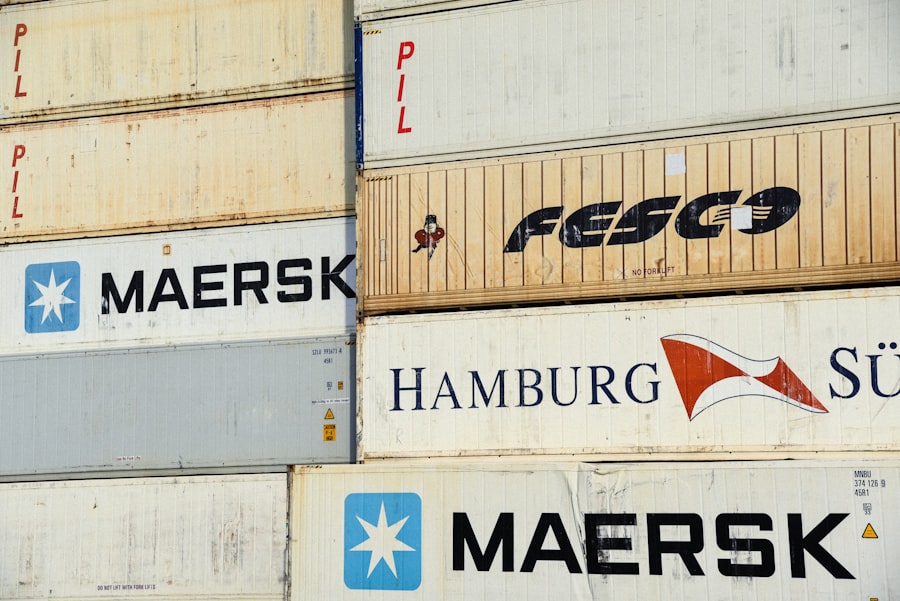
Trade routes and supply chains are critical components of geopolitical influence, as they facilitate economic interdependence among nations. Countries that control key trade routes can exert significant influence over global markets and access to resources. The establishment of trade agreements and infrastructure projects can further enhance this influence by creating economic ties that bind nations together.
For instance, initiatives like China’s Belt and Road Initiative (BRI) exemplify how nations can expand their geopolitical influence through strategic investments in trade routes and supply chains. By developing infrastructure projects across Asia, Europe, and Africa, China aims to create a network that enhances its economic reach while fostering dependency among participating countries. This approach not only strengthens China’s position in global trade but also allows it to wield considerable influence over the political landscape of partner nations.
Utilizing Infrastructure Development for Geopolitical Gain
Infrastructure development is a key strategy for enhancing geopolitical leverage. Nations that invest in building roads, ports, railways, and airports can significantly improve their connectivity and access to global markets. This investment not only facilitates trade but also enhances a country’s ability to project power regionally and globally.
Additionally, infrastructure development can serve as a means of soft power by fostering goodwill among neighboring countries. By providing assistance in building critical infrastructure, nations can strengthen diplomatic ties and create a favorable environment for collaboration. This approach has been evident in various regions where countries have engaged in infrastructure projects that benefit both parties while simultaneously enhancing their geopolitical standing.
Securing Critical Resources through Logistics Networks
The quest for critical resources such as energy, minerals, and water has become a central theme in geopolitical strategy. Nations often seek to secure access to these resources through well-established logistics networks that facilitate extraction, transportation, and distribution. Control over these resources not only enhances national security but also provides leverage in international negotiations.
For example, countries rich in energy resources like oil or natural gas often wield significant influence over global markets due to their ability to control supply levels. By developing robust logistics networks that connect resource-rich regions with consumer markets, these nations can enhance their bargaining power on the world stage. Furthermore, securing critical resources through logistics networks can also mitigate vulnerabilities associated with dependence on external suppliers.
Mitigating Geopolitical Risks with Diverse Logistics Networks
In an increasingly interconnected world, geopolitical risks are ever-present. Nations must be proactive in mitigating these risks by diversifying their logistics networks. Relying on a single route or supplier can expose countries to vulnerabilities that adversaries may exploit during times of tension or conflict.
By establishing multiple logistics channels and partnerships across different regions, nations can enhance their resilience against disruptions caused by geopolitical events. This diversification not only ensures continuity in trade but also strengthens national security by reducing dependence on any single entity or route. In this context, proactive risk management becomes essential for maintaining stability in an unpredictable global landscape.
Leveraging Technology for Enhanced Geopolitical Influence
Technology plays a transformative role in shaping logistics networks and enhancing geopolitical influence. Innovations such as artificial intelligence (AI), blockchain technology, and advanced data analytics have revolutionized supply chain management by improving efficiency and transparency. Nations that harness these technologies can gain a competitive edge in global trade while enhancing their logistical capabilities.
Moreover, technology enables real-time monitoring of logistics operations, allowing countries to respond swiftly to emerging challenges or opportunities. This agility is particularly crucial in conflict zones or during humanitarian crises when rapid decision-making is essential. By leveraging technology effectively, nations can bolster their geopolitical influence while ensuring that their logistics networks remain resilient and adaptive.
The Future of Geopolitical Strategy and Logistics Networks
As the global landscape continues to evolve, the future of geopolitical strategy will increasingly hinge on the effectiveness of logistics networks. The interplay between technology, infrastructure development, resource management, and international cooperation will shape how nations navigate complex geopolitical challenges. Countries that prioritize investment in logistics capabilities will be better positioned to assert their influence on the world stage.
Furthermore, as new geopolitical hotspots emerge and existing tensions evolve, the adaptability of logistics networks will be paramount. Nations must remain vigilant in assessing their logistical strategies while fostering collaboration with allies to address shared challenges effectively. In this dynamic environment, the ability to leverage logistics networks will be a defining factor in determining which nations thrive amidst uncertainty and competition on the global stage.
In the context of geopolitical leverage and logistics networks, understanding the intricate dynamics of global supply chains is crucial. A related article that delves into these themes can be found on the Real Lore and Order website, which explores how logistics strategies can influence international relations and power dynamics. For more insights, you can read the article [here](https://www.realloreandorder.com/).
WATCH THIS! 🚢 The Red Sea is burning. Panama is drying up. And the Drake Passage
FAQs
What are geopolitical leverage logistics networks?
Geopolitical leverage logistics networks refer to the strategic use of transportation and supply chain infrastructures by countries or regions to influence global political and economic dynamics. These networks include ports, railways, shipping routes, and distribution hubs that can be used to exert control or gain advantages in international relations.
Why are logistics networks important in geopolitics?
Logistics networks are crucial in geopolitics because they enable the movement of goods, military equipment, and energy resources. Control over key logistics routes can provide a country with economic benefits, strategic military advantages, and the ability to influence or pressure other nations.
Which regions are most significant for geopolitical logistics networks?
Regions such as the South China Sea, the Strait of Hormuz, the Suez Canal, and the Arctic are significant due to their strategic shipping lanes and resource access. Additionally, land corridors like the Belt and Road Initiative routes and the Trans-Siberian Railway play vital roles in geopolitical logistics.
How do countries use logistics networks for geopolitical leverage?
Countries may invest in infrastructure development abroad, control critical chokepoints, impose blockades or sanctions, and establish military bases near key logistics hubs. These actions can influence trade flows, restrict access to resources, or project power regionally and globally.
What role does technology play in geopolitical logistics networks?
Technology enhances the efficiency, security, and monitoring of logistics networks. Innovations such as satellite tracking, automated ports, and cybersecurity measures help countries safeguard their logistics assets and respond quickly to geopolitical challenges.
Can logistics networks impact global supply chains?
Yes, disruptions or control over logistics networks can significantly affect global supply chains by causing delays, increasing costs, or limiting access to essential goods. This impact can have widespread economic and political consequences.
How do international organizations influence geopolitical logistics networks?
International organizations like the United Nations, World Trade Organization, and regional alliances work to promote free and secure trade routes, mediate disputes over logistics infrastructure, and establish regulations that affect how logistics networks operate globally.
What are the risks associated with geopolitical leverage in logistics networks?
Risks include increased tensions or conflicts over control of critical infrastructure, vulnerability to cyberattacks, economic sanctions, and disruptions to global trade. These risks can destabilize regions and impact international relations.
How can businesses adapt to geopolitical risks in logistics networks?
Businesses can diversify supply chains, invest in risk assessment and contingency planning, engage with multiple logistics providers, and stay informed about geopolitical developments to mitigate potential disruptions.
What is the future outlook for geopolitical leverage in logistics networks?
The future will likely see increased competition over strategic logistics hubs, greater investment in infrastructure and technology, and evolving alliances. Climate change and emerging trade routes, such as those in the Arctic, will also shape the geopolitical landscape of logistics networks.