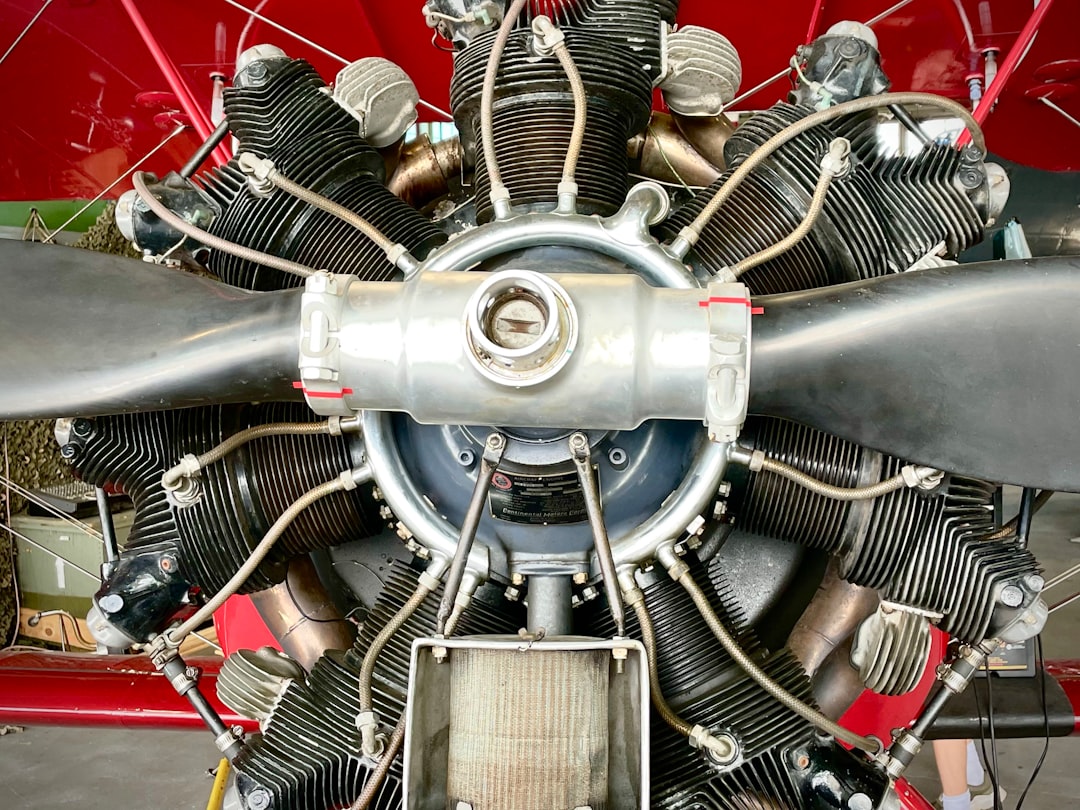
Throat intake airflow is a critical factor in vehicle performance optimization. This system determines how air enters the engine, directly affecting combustion efficiency and power output. The volume and quality of incoming air significantly impact engine performance.
A properly designed throat intake system delivers the optimal air quantity required for effective fuel combustion, which is essential for maximizing horsepower and torque generation—a primary concern for performance enthusiasts. The throat intake system also plays a significant role in fuel efficiency. Smooth, efficient airflow into the engine promotes more complete combustion, potentially improving fuel economy.
Drivers seeking to enhance vehicle performance while maintaining reasonable fuel consumption should focus on throat intake airflow optimization. Improving this component can create an effective balance between power delivery and efficiency, resulting in both a more enjoyable driving experience and reduced operating costs.
Key Takeaways
- Proper throat intake airflow is crucial for optimizing engine performance and efficiency.
- Selecting the correct throat intake tailored to your vehicle ensures better airflow and power gains.
- Understanding the scientific principles behind airflow tuning helps achieve precise adjustments.
- Using the right tools and following safety precautions are essential during the tuning process.
- Consulting experts and continuous testing can maximize performance and adapt to future advancements.
Choosing the Right Throat Intake for Your Vehicle
Selecting the appropriate throat intake for your vehicle is a critical decision that can have lasting effects on performance. You need to consider several factors, including your vehicle’s make and model, engine size, and intended use. For instance, if you drive a sports car designed for high performance, you might opt for a high-flow intake system that maximizes airflow and enhances throttle response.
On the other hand, if your vehicle is primarily used for daily commuting, a more moderate intake system may suffice, focusing on improving fuel efficiency rather than sheer power. Additionally, you should also take into account the materials used in the construction of the throat intake. High-quality materials can withstand heat and pressure better than cheaper alternatives, ensuring longevity and reliability.
Researching various brands and reading reviews can help you make an informed decision. Ultimately, choosing the right throat intake involves balancing performance needs with practical considerations, ensuring that you select a system that aligns with your driving style and goals.
The Science Behind Throat Intake Airflow Tuning
Tuning throat intake airflow is not just an art; it’s grounded in science. The principles of fluid dynamics play a significant role in how air moves through the intake system.
Laminar flow refers to smooth, uninterrupted airflow, which is ideal for maximizing efficiency. In contrast, turbulent flow can lead to inefficiencies and reduced performance. By tuning your throat intake to promote laminar flow, you can enhance the overall performance of your engine.
Moreover, tuning involves adjusting various parameters such as diameter, length, and shape of the intake runners. Each of these factors influences how air enters the combustion chamber. For example, a wider diameter may allow more air to flow in but could also disrupt the velocity needed for optimal combustion at lower RPMs.
Therefore, finding the right balance is essential for achieving peak performance across different driving conditions. By delving into the science behind throat intake airflow tuning, you can make informed decisions that lead to tangible improvements in your vehicle’s performance.
Common Problems with Throat Intake Airflow
Despite its importance, many vehicle owners encounter common problems related to throat intake airflow that can hinder performance. One prevalent issue is restricted airflow due to dirt or debris buildup in the intake system. Over time, contaminants can accumulate in filters and ducts, leading to reduced airflow and decreased engine efficiency.
Regular maintenance and cleaning are essential to prevent this problem from escalating and affecting your vehicle’s performance. Another common issue is improper tuning or installation of aftermarket intake systems. If not installed correctly, these systems can create bottlenecks or turbulence that negatively impact airflow.
This can lead to poor throttle response and even engine misfires in severe cases. It’s crucial to ensure that any modifications made to the throat intake are done with precision and care to avoid these pitfalls. By being aware of these common problems, you can take proactive steps to maintain optimal throat intake airflow and keep your vehicle performing at its best.
Tools and Equipment Needed for Throat Intake Airflow Tuning
| Parameter | Unit | Typical Range | Effect on Airflow | Measurement Method |
|---|---|---|---|---|
| Throat Diameter | mm | 20 – 50 | Controls volume of air intake; larger diameter increases airflow | Caliper measurement |
| Air Velocity | m/s | 5 – 30 | Speed of air passing through throat; affects engine breathing | Hot-wire anemometer |
| Pressure Drop | Pa | 50 – 300 | Resistance to airflow; lower drop indicates better flow | Manometer |
| Flow Coefficient (Cv) | Dimensionless | 0.6 – 0.95 | Efficiency of airflow through throat | Calculated from flow and pressure data |
| Intake Air Temperature | °C | 20 – 60 | Impacts air density and flow characteristics | Thermocouple |
| Throttle Position | Degrees | 0 – 90 | Controls opening size, affecting airflow volume | Position sensor |
To effectively tune throat intake airflow, you’ll need a variety of tools and equipment at your disposal. A basic toolkit should include wrenches, screwdrivers, and pliers for general installation tasks. However, more specialized tools will enhance your tuning efforts significantly.
For instance, an airflow meter can help you measure the volume of air entering the engine, allowing you to make precise adjustments based on real data. Additionally, a vacuum gauge can be invaluable for diagnosing issues related to airflow restrictions or leaks in the system. This tool helps you identify areas where airflow may be compromised, enabling you to address problems before they escalate.
Depending on your level of expertise and commitment to tuning, investing in software that allows for data logging and analysis can also be beneficial. With the right tools at hand, you’ll be well-equipped to tackle throat intake airflow tuning effectively.
Step-by-Step Guide to Tuning Throat Intake Airflow

Tuning throat intake airflow may seem daunting at first, but breaking it down into manageable steps can simplify the process significantly. Start by gathering all necessary tools and equipment before diving into the tuning process. Once you’re prepared, begin by removing any existing intake components carefully.
This will give you access to the throttle body and allow you to inspect for any obstructions or damage. Next, clean all components thoroughly to ensure optimal airflow. After cleaning, install any new parts or modifications you’ve chosen for your throat intake system.
Pay close attention to fitment; any gaps or misalignments can lead to significant airflow issues down the line. Once everything is installed correctly, it’s time to test your setup using an airflow meter or similar device to measure performance improvements accurately.
Tips for Maximizing Performance Through Throat Intake Airflow Tuning
To truly maximize performance through throat intake airflow tuning, consider a few additional tips that can enhance your results further. First and foremost, always prioritize quality over quantity when selecting aftermarket parts. Investing in reputable brands known for their engineering excellence will yield better results than opting for cheaper alternatives that may compromise performance.
Another effective strategy is to combine throat intake tuning with other modifications such as exhaust upgrades or ECU remapping. These changes work synergistically to improve overall engine performance by ensuring that both air intake and exhaust systems are optimized for maximum efficiency. Additionally, regular maintenance checks will help you identify any potential issues early on, allowing you to maintain peak performance over time.
Testing and Adjusting Throat Intake Airflow
Once you’ve completed your tuning process, testing becomes essential to ensure everything is functioning as intended. Start by taking your vehicle for a test drive under various conditions—accelerating from a stoplight, cruising at highway speeds, and even climbing hills—to gauge how well the new setup performs in real-world scenarios. Pay attention to throttle response; a well-tuned throat intake should provide immediate power when you press down on the accelerator.
If you notice any inconsistencies or areas where performance could be improved further, don’t hesitate to make adjustments as needed. This might involve tweaking the position of certain components or even revisiting your initial measurements with an airflow meter. Remember that tuning is often an iterative process; don’t be discouraged if it takes several attempts to achieve optimal results.
Safety Precautions for Throat Intake Airflow Tuning
While tuning throat intake airflow can be an exciting endeavor, safety should always be your top priority throughout the process. Before starting any work on your vehicle’s intake system, ensure that it is parked on a flat surface with the engine turned off and cool to prevent burns or accidents during installation or adjustments. Additionally, wearing appropriate safety gear such as gloves and goggles will protect you from potential hazards associated with working on automotive systems.
Be cautious when handling tools; improper use can lead to injuries or damage to components. Lastly, if you’re unsure about any aspect of the tuning process or feel uncomfortable performing certain tasks yourself, don’t hesitate to consult with professionals who specialize in automotive modifications.
Consulting with Experts for Throat Intake Airflow Tuning
If you’re serious about optimizing your vehicle’s performance through throat intake airflow tuning but feel overwhelmed by the complexities involved, consulting with experts can be a wise decision. Automotive specialists possess extensive knowledge about various systems and can provide valuable insights tailored specifically to your vehicle’s needs. Working with professionals not only saves you time but also ensures that modifications are performed correctly and safely.
They can help identify potential issues that may not be immediately apparent to an untrained eye while also recommending high-quality parts suited for your specific application. Ultimately, collaborating with experts can elevate your tuning experience and lead to more significant performance gains than attempting it alone.
The Future of Throat Intake Airflow Tuning in Performance Optimization
As automotive technology continues to evolve rapidly, so too does the field of throat intake airflow tuning. Innovations such as advanced materials and computer-aided design are paving the way for more efficient systems that maximize performance while minimizing weight and complexity.
Furthermore, as electric vehicles become more prevalent in the automotive landscape, tuning methods will likely adapt accordingly. While traditional internal combustion engines will always have their enthusiasts, future advancements may lead to entirely new approaches for optimizing airflow in electric drivetrains as well. In conclusion, understanding throat intake airflow is essential for anyone looking to enhance their vehicle’s performance effectively.
By choosing the right components, employing scientific principles in tuning efforts, and remaining vigilant about maintenance and testing procedures, you can unlock significant improvements in both power output and fuel efficiency while enjoying a safer driving experience overall.
Throat intake airflow tuning is a crucial aspect of optimizing vocal performance and enhancing sound quality. For those interested in exploring this topic further, a related article can be found at this link. This resource provides valuable insights into the mechanics of airflow and its impact on vocal resonance, making it a great read for singers and voice coaches alike.
FAQs
What is throat intake airflow tuning?
Throat intake airflow tuning refers to the process of optimizing the airflow through the intake throat of an engine or air intake system to improve performance, efficiency, and responsiveness.
Why is throat intake airflow tuning important?
Proper tuning of the throat intake airflow ensures maximum air delivery to the engine, which can enhance combustion efficiency, increase power output, and improve fuel economy.
How does throat intake airflow affect engine performance?
The amount and quality of airflow entering the engine directly impact combustion. Better airflow can lead to more complete fuel burning, higher power, and smoother engine operation.
What methods are used for throat intake airflow tuning?
Common methods include adjusting the size and shape of the intake throat, using flow benches to measure airflow, modifying throttle body dimensions, and employing computational fluid dynamics (CFD) simulations.
Can throat intake airflow tuning reduce emissions?
Yes, by optimizing airflow and ensuring efficient combustion, throat intake airflow tuning can help reduce harmful emissions produced by incomplete fuel burning.
Is throat intake airflow tuning applicable to all types of engines?
While it is most commonly applied to internal combustion engines, especially performance and racing engines, the principles can be adapted to various engine types that rely on air intake systems.
What tools are needed for throat intake airflow tuning?
Tools may include flow benches, manometers, pressure sensors, airflow meters, and software for simulation and data analysis.
Does throat intake airflow tuning require professional expertise?
Yes, effective tuning often requires knowledge of fluid dynamics, engine mechanics, and experience with measurement tools to achieve optimal results.
Can throat intake airflow tuning improve throttle response?
Optimizing airflow through the intake throat can enhance throttle response by allowing the engine to receive air more efficiently and react quicker to driver inputs.
Are there risks associated with improper throat intake airflow tuning?
Improper tuning can lead to reduced engine performance, increased fuel consumption, potential engine damage, or increased emissions due to poor combustion.