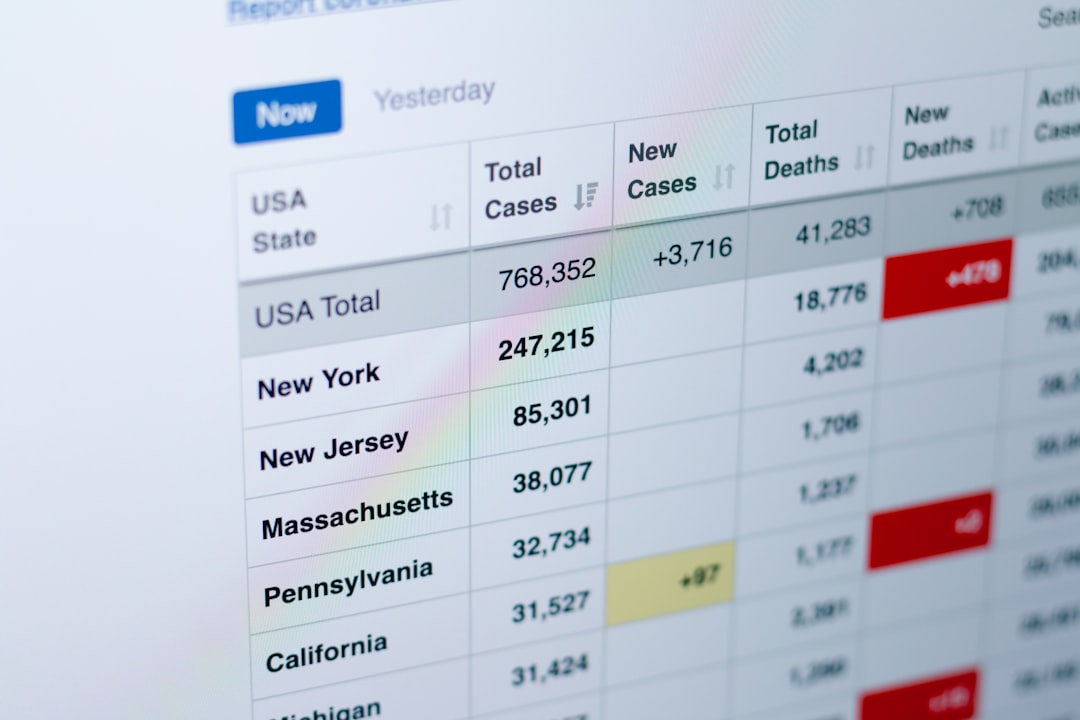
In the fast-paced world of business, the ability to make informed decisions is paramount. Financial dashboard metrics serve as essential tools that provide a comprehensive overview of a company’s financial health. These metrics distill complex financial data into easily digestible visual representations, allowing stakeholders to quickly assess performance and identify areas for improvement.
By leveraging these metrics, businesses can enhance their strategic planning, optimize resource allocation, and ultimately drive profitability. The importance of financial dashboard metrics cannot be overstated. They not only facilitate real-time monitoring of key performance indicators (KPIs) but also foster a culture of accountability within organizations.
When teams have access to clear and concise financial data, they are better equipped to align their efforts with the company’s goals. This alignment is crucial for fostering collaboration and ensuring that all departments work towards a common objective: maximizing profitability and sustaining growth.
Key Takeaways
- Financial dashboard metrics provide a comprehensive overview of a company’s financial health.
- Key revenue and cost metrics help track sales performance and control expenses effectively.
- Profit margin and cash flow metrics are essential for assessing profitability and liquidity.
- Inventory, accounts receivable, and accounts payable metrics optimize working capital management.
- Return on investment and debt metrics guide strategic decisions to maximize profitability and manage liabilities.
Revenue Metrics: Tracking Sales and Income
Revenue metrics are fundamental to understanding a company’s financial performance. They encompass various indicators that track sales and income, providing insights into how effectively a business generates revenue. Key revenue metrics include total revenue, revenue growth rate, and average revenue per user (ARPU).
By analyzing these figures, businesses can gauge their market position and identify trends that may influence future sales strategies. For instance, tracking total revenue over time allows companies to assess their growth trajectory. A consistent upward trend may indicate successful marketing efforts or product acceptance in the market, while a decline could signal the need for strategic adjustments.
Additionally, the revenue growth rate offers a percentage-based view of how quickly a company is expanding its income streams. This metric is particularly useful for investors and stakeholders who seek to understand the potential for future profitability.
Cost Metrics: Monitoring Expenses and Overhead

Cost metrics play a critical role in managing a company’s financial health by providing insights into expenses and overhead. These metrics help businesses identify areas where costs can be reduced without compromising quality or service delivery. Key cost metrics include total operating expenses, cost of goods sold (COGS), and overhead ratio.
By closely monitoring these figures, organizations can make informed decisions about budgeting and resource allocation. Understanding total operating expenses is essential for evaluating overall efficiency. By breaking down these expenses into fixed and variable costs, businesses can pinpoint specific areas where savings can be achieved.
For example, if a company notices that its COGS is disproportionately high compared to industry standards, it may need to reevaluate its supply chain or production processes. The overhead ratio, which compares overhead costs to total revenue, provides further context by illustrating how much of the revenue is consumed by fixed costs.
Profit Margin Metrics: Calculating Gross and Net Profit
Profit margin metrics are vital for assessing a company’s profitability and operational efficiency. These metrics provide insights into how much profit a business retains from its revenues after accounting for costs. The two primary profit margin metrics are gross profit margin and net profit margin.
Gross profit margin focuses on the relationship between revenue and COGS, while net profit margin considers all expenses, including operating costs and taxes.
A high gross profit margin indicates that a company is effectively managing its production costs relative to its sales prices.
Conversely, a declining gross profit margin may signal rising production costs or pricing pressures in the market. On the other hand, net profit margin offers a more comprehensive view of profitability by factoring in all expenses. This metric is crucial for stakeholders as it reflects the overall financial health of the organization.
Cash Flow Metrics: Managing Inflows and Outflows
| Metric | Description | Current Value | Target | Trend |
|---|---|---|---|---|
| Revenue | Total income generated from sales | 1,250,000 | 1,500,000 | ▲ 5% |
| Net Profit Margin | Percentage of revenue remaining after expenses | 18% | 20% | ▼ 2% |
| Operating Expenses | Total costs related to business operations | 450,000 | 400,000 | ▲ 3% |
| Cash Flow | Net amount of cash being transferred in and out | 300,000 | 350,000 | ▲ 7% |
| Accounts Receivable Days | Average number of days to collect payment | 45 | 30 | ▼ 5 days |
| Debt to Equity Ratio | Measure of financial leverage | 0.75 | 0.5 | ▲ 0.1 |
| Return on Investment (ROI) | Profitability ratio of investments | 12% | 15% | ▲ 1% |
Cash flow metrics are essential for understanding the liquidity of a business. They provide insights into how cash moves in and out of an organization, which is critical for maintaining operations and meeting financial obligations. Key cash flow metrics include operating cash flow, free cash flow, and cash flow margin.
By monitoring these figures, businesses can ensure they have sufficient liquidity to support growth initiatives and manage unexpected expenses. Operating cash flow measures the cash generated from core business operations, excluding financing and investing activities. This metric is particularly important because it indicates whether a company can sustain its operations without relying on external financing.
Free cash flow takes this a step further by assessing the cash available after capital expenditures, providing insights into how much cash can be reinvested in the business or returned to shareholders. The cash flow margin, which compares cash flow to total revenue, offers additional context by illustrating how efficiently a company converts sales into actual cash.
Inventory Metrics: Controlling Stock Levels and Turnover
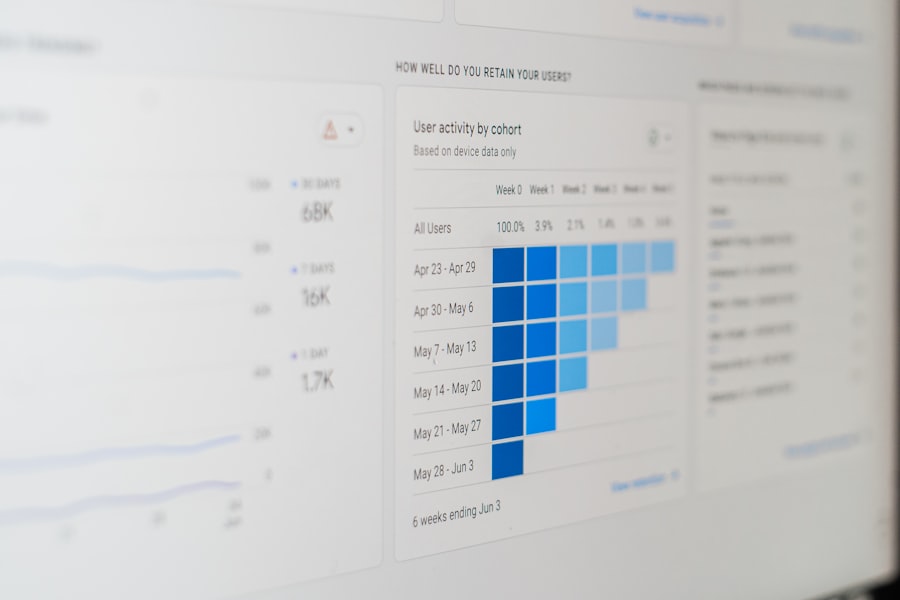
Inventory metrics are crucial for businesses that rely on physical goods for their operations. These metrics help organizations manage stock levels effectively and optimize inventory turnover rates. Key inventory metrics include inventory turnover ratio, days sales of inventory (DSI), and carrying cost of inventory.
By analyzing these figures, companies can ensure they maintain optimal stock levels while minimizing holding costs. The inventory turnover ratio measures how many times inventory is sold and replaced over a specific period. A high turnover ratio indicates efficient inventory management, suggesting that products are selling quickly and that the company is not overstocked.
Conversely, a low turnover ratio may signal overstocking or weak sales performance. Days sales of inventory (DSI) complements this metric by indicating the average number of days it takes to sell through inventory. This insight helps businesses identify potential slow-moving items that may require promotional efforts or discounts to clear.
Accounts Receivable Metrics: Collecting Outstanding Payments
Accounts receivable metrics are vital for managing outstanding payments from customers. These metrics provide insights into how effectively a business collects payments and manages credit risk. Key accounts receivable metrics include days sales outstanding (DSO), accounts receivable turnover ratio, and aging accounts receivable analysis.
By monitoring these figures, organizations can improve their cash flow and reduce the risk of bad debts. Days sales outstanding (DSO) measures the average number of days it takes for a company to collect payment after a sale has been made. A lower DSO indicates efficient collection processes, while a higher DSO may suggest issues with credit policies or customer payment behavior.
The accounts receivable turnover ratio complements this metric by assessing how many times accounts receivable are collected during a specific period. A high turnover ratio indicates effective credit management practices, while a low ratio may signal potential collection challenges.
Accounts Payable Metrics: Managing Vendor and Supplier Payments
Accounts payable metrics are essential for managing obligations to vendors and suppliers effectively. These metrics provide insights into how well a business manages its short-term liabilities and payment schedules. Key accounts payable metrics include days payable outstanding (DPO), accounts payable turnover ratio, and payment terms analysis.
By closely monitoring these figures, organizations can optimize their cash flow while maintaining good relationships with suppliers. Days payable outstanding (DPO) measures the average number of days it takes for a company to pay its suppliers after receiving goods or services. A higher DPO may indicate effective cash management practices, allowing businesses to retain cash longer before settling obligations.
However, excessively high DPO could strain supplier relationships if payments are delayed too long. The accounts payable turnover ratio assesses how quickly a company pays off its suppliers during a specific period, providing further context on payment efficiency.
Return on Investment Metrics: Evaluating the Efficiency of Investments
Return on investment (ROI) metrics are crucial for evaluating the effectiveness of investments made by a business.
Key ROI metrics include return on equity (ROE), return on assets (ROA), and return on investment percentage.
By analyzing these figures, companies can make informed decisions about future investments and resource allocation. Return on equity (ROE) measures the profitability generated from shareholders’ equity, providing insights into how effectively a company utilizes its equity base to generate profits. A high ROE indicates efficient use of shareholder funds, while a low ROE may suggest underperformance or inefficiencies in capital allocation.
Return on assets (ROA) complements this metric by assessing how effectively a company uses its assets to generate earnings. This metric is particularly useful for understanding operational efficiency across different asset classes.
Debt Metrics: Monitoring and Managing Liabilities
Debt metrics are essential for understanding a company’s leverage and financial risk profile. These metrics provide insights into how much debt an organization carries relative to its equity and assets. Key debt metrics include debt-to-equity ratio, debt-to-assets ratio, and interest coverage ratio.
By monitoring these figures, businesses can ensure they maintain an appropriate balance between debt and equity financing. The debt-to-equity ratio measures the proportion of debt used to finance assets relative to shareholders’ equity. A high ratio may indicate increased financial risk due to reliance on borrowed funds, while a low ratio suggests conservative financing practices.
The debt-to-assets ratio provides further context by assessing the proportion of total assets financed through debt. This metric helps stakeholders understand the overall risk exposure associated with the company’s capital structure.
Implementing Financial Dashboard Metrics for Maximum Profit
In conclusion, implementing financial dashboard metrics is essential for businesses seeking to maximize profitability and enhance decision-making processes. By tracking key performance indicators across various dimensions—revenue, costs, profits, cash flow, inventory management, accounts receivable and payable, ROI, and debt—organizations can gain valuable insights into their financial health. The effective use of these metrics fosters a culture of accountability and transparency within organizations while enabling teams to align their efforts with overarching business goals.
As companies navigate an increasingly complex economic landscape, leveraging financial dashboard metrics will be crucial in driving sustainable growth and ensuring long-term success in an ever-evolving marketplace.
For businesses looking to enhance their financial performance, tracking key metrics through a financial dashboard is essential. A related article that delves deeper into the importance of these metrics can be found at this link. It provides valuable insights on how to effectively utilize financial dashboards to monitor and analyze performance, enabling better decision-making and strategic planning.
WATCH THIS! 🚨 The Secret Deal That Will Break America
FAQs
What is a financial dashboard?
A financial dashboard is a visual tool that displays key financial metrics and data in real-time, allowing businesses and individuals to monitor their financial performance efficiently.
Why is tracking financial metrics important?
Tracking financial metrics helps organizations make informed decisions, identify trends, manage budgets, improve cash flow, and measure overall financial health.
What are common metrics included in a financial dashboard?
Common metrics include revenue, expenses, profit margins, cash flow, accounts receivable and payable, budget variance, and key performance indicators (KPIs) relevant to the business.
How often should financial dashboard metrics be updated?
The update frequency depends on the business needs but typically ranges from real-time to daily, weekly, or monthly updates to ensure accurate and timely financial insights.
Can financial dashboards be customized?
Yes, financial dashboards can be customized to display specific metrics, charts, and reports tailored to the unique requirements of a business or individual user.
What tools are commonly used to create financial dashboards?
Popular tools include Microsoft Excel, Google Sheets, Tableau, Power BI, QuickBooks, and specialized financial software that offer dashboard creation and data visualization features.
Who benefits from using financial dashboards?
Business owners, financial analysts, accountants, CFOs, and managers benefit from financial dashboards as they provide clear insights to support strategic planning and operational decisions.
Are financial dashboards suitable for small businesses?
Yes, financial dashboards are valuable for small businesses as they provide an easy way to track financial health, manage budgets, and improve financial decision-making without requiring extensive accounting knowledge.
What is the difference between a financial dashboard and a financial report?
A financial dashboard provides real-time, interactive visualizations of financial data, while a financial report is typically a static, detailed document summarizing financial performance over a specific period.
How secure is the data on financial dashboards?
Data security depends on the platform used; reputable financial dashboard tools implement encryption, access controls, and compliance with data protection regulations to safeguard sensitive financial information.