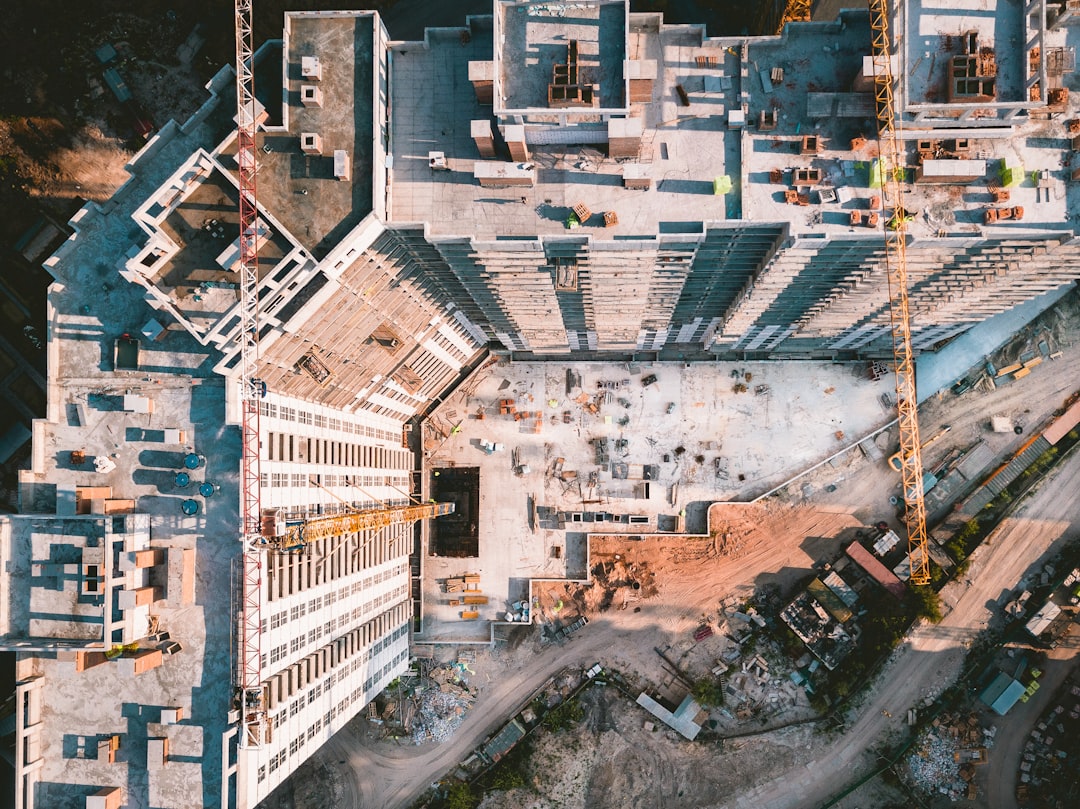
In recent years, Mexico has emerged as a focal point for infrastructure development, driven by a combination of economic growth, foreign investment, and strategic geographic positioning. The country’s infrastructure landscape is undergoing a significant transformation, with substantial investments in transportation, energy, telecommunications, and industrial facilities. This growth is not merely a response to domestic needs; it is also a proactive measure to attract international businesses looking for reliable and efficient operational bases.
As Mexico continues to modernize its infrastructure, it positions itself as a competitive player in the global market, particularly in the context of nearshoring. The Mexican government has recognized the importance of infrastructure as a catalyst for economic development. By prioritizing projects that enhance connectivity and efficiency, Mexico aims to create an environment conducive to business operations.
This commitment is evident in various sectors, including highways, railroads, ports, and airports, which are being upgraded or constructed to meet the demands of a rapidly evolving economy. As these infrastructure projects come to fruition, they not only facilitate trade and commerce but also improve the overall quality of life for citizens by providing better access to services and opportunities.
Key Takeaways
- Mexico’s infrastructure is experiencing significant growth and development
- Nearshoring in Mexico offers numerous advantages for businesses
- Transportation and logistics in Mexico are improving, making it an attractive location for nearshoring
- Energy infrastructure in Mexico is undergoing significant developments
- Telecommunications and connectivity upgrades are enhancing Mexico’s appeal for nearshoring opportunities
Advantages of Nearshoring in Mexico
Nearshoring has gained traction as companies seek to relocate their manufacturing and service operations closer to home, and Mexico stands out as an attractive destination. One of the primary advantages of nearshoring in Mexico is its proximity to the United States, which allows for reduced shipping times and lower transportation costs.
Additionally, Mexico offers a favorable economic environment characterized by competitive labor costs and a growing skilled workforce. The country has become a hub for various industries, including automotive, electronics, and textiles, attracting multinational corporations that seek to capitalize on these advantages.
Transportation and Logistics Improvements

Transportation infrastructure is critical for facilitating trade and commerce, and Mexico has made significant strides in enhancing its logistics capabilities. The expansion of highways and the modernization of rail networks have improved the movement of goods across the country. Major highways connecting key industrial regions with ports have been upgraded to accommodate heavier traffic and ensure faster transit times.
This investment in road infrastructure not only benefits domestic logistics but also strengthens Mexico’s position as a vital link in North American supply chains. Moreover, the development of ports has been a focal point for Mexico’s transportation strategy. Ports such as Veracruz and Lázaro Cárdenas are undergoing expansions to handle increased cargo volumes and larger vessels.
These improvements are essential for boosting trade efficiency and reducing bottlenecks that can hinder economic growth. As logistics capabilities continue to evolve, Mexico is poised to become a central hub for international trade, further solidifying its role in the nearshoring trend.
Energy Infrastructure Developments
| Country | Renewable Energy Capacity (MW) | Investment in Energy Infrastructure (USD) |
|---|---|---|
| United States | 120,000 | 50 billion |
| China | 200,000 | 80 billion |
| Germany | 80,000 | 30 billion |
Energy infrastructure is another critical area where Mexico is making significant advancements. The country has abundant natural resources, including oil, gas, and renewable energy sources such as solar and wind power. In recent years, the Mexican government has focused on modernizing its energy sector to ensure reliability and sustainability.
Investments in renewable energy projects are particularly noteworthy, as they align with global trends toward cleaner energy solutions. The transition toward renewable energy not only addresses environmental concerns but also enhances energy security for businesses operating in Mexico. By diversifying its energy sources, the country can reduce its dependence on fossil fuels and mitigate the risks associated with fluctuating oil prices.
This shift is particularly appealing to companies looking to establish operations in regions with stable energy supplies, making Mexico an increasingly attractive destination for nearshoring.
Telecommunications and Connectivity Upgrades
In an era where digital connectivity is paramount for business operations, Mexico has recognized the need to enhance its telecommunications infrastructure. The government has invested heavily in expanding broadband access across urban and rural areas alike. Improved internet connectivity is essential for businesses that rely on digital communication and data transfer, enabling them to operate efficiently in a global marketplace.
Furthermore, advancements in telecommunications infrastructure have facilitated the growth of the tech industry in Mexico. With a burgeoning startup ecosystem and an increasing number of tech companies establishing operations in the country, reliable connectivity is crucial for fostering innovation and collaboration. As Mexico continues to upgrade its telecommunications networks, it positions itself as a viable option for companies seeking to leverage technology in their nearshoring strategies.
Industrial Park and Special Economic Zone Expansion

The expansion of industrial parks and special economic zones (SEZs) is another key component of Mexico’s infrastructure development strategy. These designated areas are designed to attract foreign investment by offering favorable conditions such as tax incentives, streamlined regulations, and access to essential services. The establishment of SEZs has proven effective in promoting industrial growth and creating jobs in regions that may have previously lacked economic opportunities.
Industrial parks are strategically located near transportation hubs, making them ideal for companies looking to optimize their supply chains. By clustering businesses within these zones, Mexico can foster collaboration and innovation among industries while providing essential support services such as logistics and warehousing. As more companies take advantage of these facilities, Mexico’s industrial landscape will continue to evolve, further enhancing its appeal as a nearshoring destination.
Government Incentives for Nearshoring
The Mexican government has implemented various incentives aimed at attracting foreign investment through nearshoring initiatives. These incentives include tax breaks, grants for infrastructure development, and support for workforce training programs. By creating a favorable business environment, the government seeks to encourage companies to establish operations within its borders rather than outsourcing production to distant countries.
Additionally, the government has streamlined regulatory processes to facilitate business operations. This includes reducing bureaucratic hurdles that can slow down project approvals and implementation. By fostering a more business-friendly climate, Mexico aims to position itself as a top choice for companies looking to relocate their operations closer to home while benefiting from the advantages offered by its growing infrastructure.
Skilled Labor Force and Workforce Training Initiatives
A skilled labor force is essential for any country seeking to attract foreign investment and promote economic growth. Mexico boasts a young population with a strong work ethic, making it an attractive destination for companies looking for talent. To further enhance its workforce capabilities, the Mexican government has invested in workforce training initiatives aimed at equipping workers with the skills needed in today’s competitive job market.
These training programs focus on various sectors, including manufacturing, technology, and services. By collaborating with educational institutions and industry leaders, the government aims to ensure that workers are prepared for the demands of modern industries. As companies establish operations in Mexico, they can benefit from a readily available pool of skilled labor that meets their specific needs.
Environmental Sustainability and Green Infrastructure
As global awareness of environmental issues grows, Mexico is increasingly prioritizing sustainability in its infrastructure development efforts. The government has committed to promoting green infrastructure projects that minimize environmental impact while supporting economic growth. This includes investments in renewable energy sources, sustainable transportation options, and eco-friendly building practices.
By focusing on environmental sustainability, Mexico not only addresses pressing ecological concerns but also attracts businesses that prioritize corporate social responsibility. Companies looking to enhance their brand image through sustainable practices are more likely to consider Mexico as a nearshoring destination if they see a commitment to green initiatives within the country’s infrastructure development plans.
Challenges and Opportunities in Mexico’s Infrastructure Development
Despite the significant progress made in enhancing its infrastructure, Mexico faces several challenges that could impact its development trajectory. Issues such as corruption, bureaucratic inefficiencies, and security concerns can hinder investment efforts and slow down project implementation. Addressing these challenges will be crucial for ensuring that infrastructure improvements keep pace with the growing demands of businesses seeking nearshoring opportunities.
However, these challenges also present opportunities for reform and innovation. By tackling corruption head-on and streamlining regulatory processes, Mexico can create a more attractive environment for foreign investment. Additionally, public-private partnerships can play a vital role in financing infrastructure projects while leveraging expertise from both sectors.
As Mexico navigates these challenges, it has the potential to emerge stronger and more competitive on the global stage.
Future Outlook for Nearshoring in Mexico
The future outlook for nearshoring in Mexico appears promising as the country continues to invest in its infrastructure while addressing existing challenges. With ongoing improvements in transportation networks, energy reliability, telecommunications capabilities, and workforce training initiatives, Mexico is well-positioned to attract businesses looking for efficient operational bases close to their primary markets. As global supply chains evolve in response to changing economic conditions and geopolitical factors, nearshoring will likely remain a strategic priority for many companies.
Mexico’s unique advantages—such as its proximity to the U.S., competitive labor costs, and commitment to sustainability—will continue to make it an appealing destination for businesses seeking to optimize their operations while minimizing risks associated with distant outsourcing. With sustained investment in infrastructure development and a focus on creating a favorable business environment, Mexico is poised to solidify its status as a leading player in the nearshoring landscape for years to come.
Mexico’s infrastructure development is playing a pivotal role in the country’s strategy to capitalize on nearshoring opportunities. As global supply chains continue to shift, Mexico is investing heavily in its transportation and logistics networks to attract foreign businesses looking to relocate closer to the U.S. market. This strategic move is not only enhancing Mexico’s economic landscape but also positioning it as a key player in the global manufacturing sector. For more insights into how Mexico is leveraging its infrastructure to boost nearshoring, you can read a related article on Real Lore and Order.
FIND OUT! Why America’s 🇺🇸 Factories Are Moving to Mexico
FAQs
What is nearshoring?
Nearshoring is the practice of transferring business operations or services to a nearby country, typically in the same region or time zone, in order to take advantage of lower costs and proximity for easier collaboration.
What is Mexico’s infrastructure development for nearshoring?
Mexico’s infrastructure development for nearshoring refers to the country’s efforts to improve its transportation, communication, and energy infrastructure to attract foreign companies looking to nearshore their operations from the United States and other countries.
What are some examples of Mexico’s infrastructure development for nearshoring?
Examples of Mexico’s infrastructure development for nearshoring include the expansion and modernization of ports, the construction of new highways and railways, the improvement of telecommunications networks, and the development of renewable energy sources.
Why is Mexico focusing on infrastructure development for nearshoring?
Mexico is focusing on infrastructure development for nearshoring to capitalize on its geographical proximity to the United States, lower labor costs, and trade agreements such as the USMCA. By improving its infrastructure, Mexico aims to attract more foreign investment and create jobs in the nearshoring industry.
What are the benefits of Mexico’s infrastructure development for nearshoring?
The benefits of Mexico’s infrastructure development for nearshoring include improved transportation and logistics, better connectivity with the United States, reduced operating costs for foreign companies, and increased economic development in the region.