
Predatory lending is a term that evokes strong emotions and concerns, particularly for those who have experienced its detrimental effects. At its core, predatory lending refers to unfair, deceptive, or fraudulent practices by lenders that target vulnerable borrowers. These practices often involve exorbitant interest rates, hidden fees, and terms that are difficult to understand.
As you navigate the financial landscape, it is crucial to recognize the signs of predatory lending and understand how it can impact your financial well-being. The rise of predatory lending has been fueled by various factors, including economic instability and the increasing demand for credit among individuals with limited access to traditional banking services. As you seek financial assistance, it is essential to be aware of the potential pitfalls that come with certain lending practices.
By educating yourself about predatory lending, you can better protect yourself and make informed decisions about your financial future.
Key Takeaways
- Predatory lending exploits vulnerable borrowers through unfair and deceptive practices.
- It causes severe financial harm, trapping individuals and communities in cycles of debt.
- Technology can both facilitate predatory lending and offer tools to detect and prevent it.
- Legal and regulatory measures are crucial but must evolve to address emerging predatory tactics.
- Combating predatory lending requires ethical awareness, community education, and stronger enforcement.
The Impact of Predatory Lending on Borrowers
The consequences of predatory lending can be devastating for borrowers. When you find yourself trapped in a cycle of high-interest loans and hidden fees, it can lead to a downward spiral of debt that feels impossible to escape. Many individuals who fall victim to these practices experience significant financial strain, which can affect their ability to meet basic needs such as housing, food, and healthcare.
The stress associated with overwhelming debt can also take a toll on your mental health, leading to anxiety and depression. Moreover, predatory lending disproportionately affects marginalized communities. If you belong to a low-income or minority group, you may be more likely to encounter predatory lenders who exploit your financial vulnerability.
This exploitation not only exacerbates existing inequalities but also perpetuates a cycle of poverty that can be challenging to break. Understanding the impact of predatory lending on borrowers is essential for recognizing the broader implications it has on society as a whole.
Examples of Predatory Lending Practices
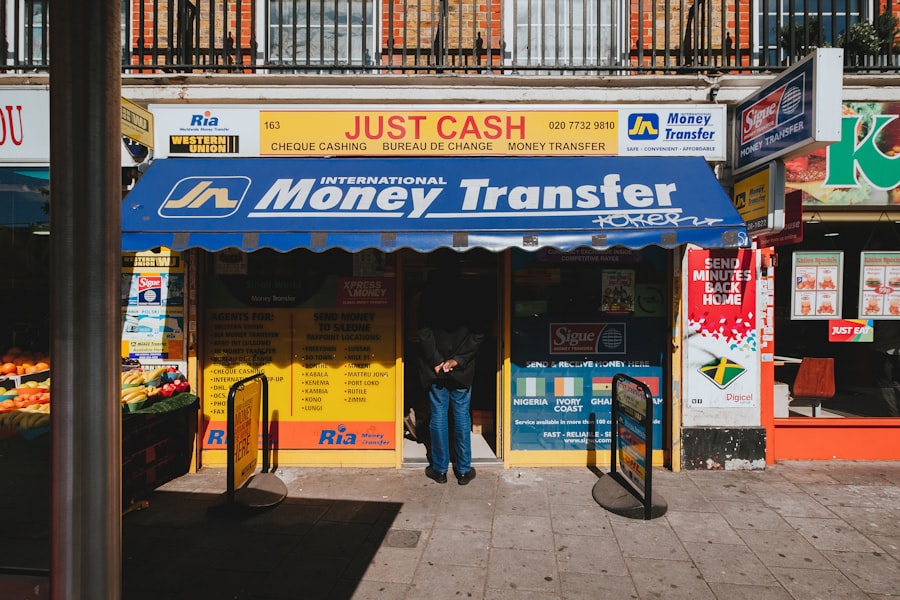
Predatory lending encompasses a range of unethical practices that can take many forms. One common example is the use of balloon loans, where borrowers are required to make small payments for a set period, only to face a large lump-sum payment at the end of the term. This structure can catch borrowers off guard, leading them to refinance or take out additional loans just to meet the balloon payment, further entrenching them in debt.
Another prevalent practice is the imposition of exorbitant interest rates that far exceed the market average. If you find yourself being offered a loan with an interest rate that seems too high to be reasonable, it’s essential to question the terms and seek alternatives. Additionally, some lenders may engage in “loan flipping,” where they encourage borrowers to refinance their loans repeatedly, each time incurring new fees and extending the repayment period.
These practices not only exploit borrowers but also create an environment where financial literacy is crucial for making sound decisions.
The Role of Technology in Predatory Lending
| Aspect | Technology Used | Impact on Predatory Lending | Example Metrics |
|---|---|---|---|
| Loan Origination | Automated underwriting algorithms | Increased speed but potential for biased risk assessment | Approval time reduced by 70%, error rate in risk assessment 15% |
| Marketing | Targeted online ads and data mining | More precise targeting of vulnerable populations | Click-through rate on predatory ads 12%, conversion rate 8% |
| Loan Servicing | Automated payment reminders and collections software | Increased fees and penalties through automated systems | Late fee charges increased by 25%, automated calls per borrower 5/week |
| Data Analytics | Big data and AI for borrower profiling | Identification of high-risk borrowers for exploitative terms | Risk profiling accuracy 85%, number of high-risk loans increased 30% |
| Regulatory Evasion | Use of blockchain and offshore platforms | Difficulty in tracking and enforcing regulations | Number of unregulated loans increased by 40%, enforcement actions down 20% |
In today’s digital age, technology plays a significant role in shaping the lending landscape. While technology has the potential to enhance access to credit and streamline the borrowing process, it can also facilitate predatory lending practices. Online lenders often use algorithms and data analytics to target vulnerable populations with aggressive marketing tactics.
If you are seeking a loan online, be cautious of lenders who use high-pressure sales tactics or promise quick approvals without thorough assessments of your financial situation. Moreover, the rise of peer-to-peer lending platforms has introduced new challenges in regulating predatory practices. While these platforms can provide alternative financing options, they may also lack the oversight necessary to protect borrowers from exploitation.
As you explore your borrowing options, it is essential to remain vigilant and conduct thorough research on any lender you consider working with.
Legal and Regulatory Response to Predatory Lending
In response to the growing concerns surrounding predatory lending, various legal and regulatory measures have been implemented at both state and federal levels. The Truth in Lending Act (TILA) is one such regulation designed to promote transparency in lending by requiring lenders to disclose key terms and costs associated with loans. This legislation aims to empower borrowers like you by providing essential information needed to make informed decisions.
However, despite these regulations, enforcement remains a challenge. Many predatory lenders find ways to circumvent existing laws, leaving borrowers vulnerable to exploitation. As you navigate the lending landscape, it is crucial to stay informed about your rights as a borrower and advocate for stronger regulations that protect consumers from predatory practices.
The Ethics of Predatory Lending

The ethics surrounding predatory lending raise significant questions about fairness and responsibility in the financial industry. If you consider the motivations behind predatory lending practices, it becomes clear that they often prioritize profit over the well-being of borrowers. This raises ethical concerns about the responsibility lenders have toward their clients and the potential harm caused by exploiting vulnerable individuals.
As you reflect on these ethical considerations, it is essential to advocate for fair lending practices that prioritize transparency and accountability. By supporting organizations and initiatives that promote ethical lending standards, you can contribute to a more equitable financial landscape for all borrowers.
The Psychology of Predatory Lending
Understanding the psychology behind predatory lending can shed light on why individuals may fall victim to these practices. Many borrowers are driven by desperation or a lack of financial literacy when seeking loans. If you find yourself in a challenging financial situation, it’s easy to overlook red flags or accept unfavorable terms out of fear or urgency.
Additionally, predatory lenders often exploit emotional vulnerabilities by using persuasive tactics that create a sense of urgency or fear of missing out on an opportunity. Recognizing these psychological tactics can empower you to make more informed decisions when seeking financial assistance. By cultivating awareness of your emotional responses and understanding the motivations behind lenders’ offers, you can better navigate the complexities of borrowing.
The Effects of Predatory Lending on Communities
The impact of predatory lending extends beyond individual borrowers; it reverberates throughout entire communities. When individuals are trapped in cycles of debt due to predatory practices, it can lead to increased rates of foreclosure, eviction, and homelessness. If you live in a community where predatory lending is prevalent, you may witness firsthand how these issues contribute to social instability and economic decline.
Moreover, predatory lending can erode trust within communities as individuals become wary of financial institutions and their intentions. This distrust can hinder economic development and limit access to essential resources for those who need them most. By addressing the root causes of predatory lending and advocating for fair lending practices, you can help foster healthier communities where individuals have access to equitable financial opportunities.
Strategies for Combating Predatory Lending
Combating predatory lending requires a multifaceted approach that involves education, advocacy, and community engagement. As an individual borrower, one of the most effective strategies is to educate yourself about your rights and available resources. Familiarizing yourself with local consumer protection laws and organizations can empower you to seek assistance if you encounter predatory practices.
Additionally, advocating for stronger regulations at both state and federal levels is crucial in addressing systemic issues within the lending industry. By supporting initiatives that promote transparency and accountability among lenders, you can contribute to creating a more equitable financial landscape for all borrowers. Engaging with community organizations that focus on financial literacy and consumer protection can also help raise awareness about predatory lending practices and provide support for those affected.
The Future of Predatory Lending
As we look toward the future, it is essential to consider how evolving technologies and regulatory frameworks will shape the landscape of predatory lending. While advancements in technology have the potential to improve access to credit for underserved populations, they also pose risks if not accompanied by adequate protections against exploitation. The ongoing dialogue surrounding ethical lending practices will play a critical role in determining how predatory lending evolves in the coming years.
As consumers become more informed about their rights and advocate for fair treatment from lenders, there is hope for a shift toward more responsible lending practices that prioritize borrower well-being over profit.
Moving Towards Fair and Ethical Lending Practices
In conclusion, understanding predatory lending is vital for anyone navigating the complex world of borrowing. By recognizing its impact on individuals and communities alike, you can take proactive steps toward protecting yourself from exploitation. As we move forward, advocating for fair and ethical lending practices will be essential in creating a more equitable financial landscape.
By educating yourself about your rights as a borrower and supporting initiatives aimed at combating predatory practices, you can contribute to positive change within your community and beyond. Together, we can work towards a future where access to credit is fair, transparent, and beneficial for all individuals seeking financial assistance.
WATCH THIS! The American Dream Was a Lie: The Quiet Economic Collapse You Can’t See