
Modernizing energy grids represents a fundamental requirement for addressing contemporary energy demands and environmental challenges. Global population growth and urban expansion have increased electricity consumption beyond the capacity of existing power infrastructure. Grid modernization involves comprehensive system upgrades to establish resilient, efficient, and sustainable energy networks capable of meeting long-term energy requirements.
These improvements are necessary to maintain reliable power delivery, minimize service interruptions, and optimize energy distribution efficiency. Grid modernization serves a critical function in climate change mitigation by enabling the integration of renewable energy sources. As nations work toward carbon reduction objectives, modernized electrical grids can accommodate variable energy inputs from solar, wind, and other renewable technologies essential for sustainable energy systems.
Investment in grid infrastructure improvements enhances energy security while supporting international environmental protection initiatives.
Key Takeaways
- Modernizing energy grids is essential for improving efficiency, reliability, and integrating renewable energy sources.
- Upgrading power infrastructure faces challenges such as high costs, technical complexity, and regulatory hurdles.
- Advanced technologies like smart grids and data analytics enhance energy distribution and grid resilience.
- Cybersecurity measures are critical to protect modern energy grids from increasing digital threats.
- Community involvement and supportive policies are vital for successful and sustainable grid modernization efforts.
Challenges and Obstacles in Upgrading Power Infrastructure
Despite the clear benefits of modernizing energy grids, numerous challenges and obstacles hinder progress in this area. One significant barrier is the substantial financial investment required for upgrades. Many utility companies face budget constraints and may prioritize short-term profits over long-term infrastructure improvements.
This reluctance to invest can lead to outdated systems that are ill-equipped to handle contemporary energy demands, resulting in inefficiencies and increased vulnerability to outages. In addition to financial hurdles, regulatory and bureaucratic challenges can complicate the modernization process. The energy sector is often subject to complex regulations that vary by region, making it difficult for utilities to implement changes swiftly.
Furthermore, the integration of new technologies into existing frameworks can be met with resistance from stakeholders who may be hesitant to embrace change. These challenges necessitate a concerted effort from policymakers, industry leaders, and communities to create an environment conducive to modernization.
Advantages of Upgrading Energy Grids
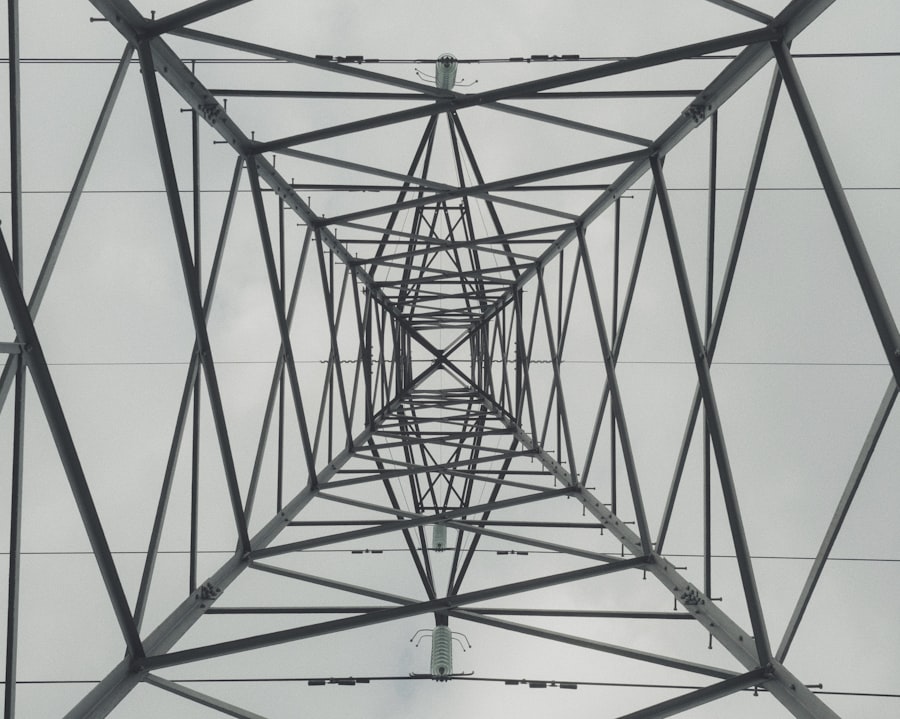
The advantages of upgrading energy grids are manifold and far-reaching. One of the most significant benefits is enhanced reliability. Modernized grids are equipped with advanced monitoring and control systems that allow for real-time data analysis and quicker response times during outages or disruptions.
This capability not only minimizes downtime but also improves overall customer satisfaction by ensuring a consistent power supply. Additionally, upgrading energy grids can lead to substantial cost savings in the long run. While the initial investment may be considerable, modern infrastructure can reduce operational costs through improved efficiency and reduced energy losses during transmission.
Furthermore, by integrating renewable energy sources, utilities can decrease their reliance on fossil fuels, leading to lower fuel costs and a more stable energy market. The economic advantages of grid modernization extend beyond utilities; they can also stimulate job creation in sectors related to technology development, installation, and maintenance.
Technologies and Innovations in Power Infrastructure
The landscape of power infrastructure is rapidly evolving due to technological advancements and innovations. Smart meters, for instance, have revolutionized how consumers interact with their energy usage. These devices provide real-time data on consumption patterns, enabling users to make informed decisions about their energy use and potentially reduce their bills.
Additionally, smart meters facilitate two-way communication between utilities and consumers, allowing for more efficient demand response strategies. Another significant innovation is the development of energy storage solutions, such as batteries that can store excess energy generated from renewable sources. These technologies enable a more flexible and reliable energy supply by allowing stored energy to be dispatched during peak demand periods or when renewable generation is low.
Furthermore, advancements in grid management software have improved the ability to predict demand fluctuations and optimize energy distribution accordingly. Together, these technologies are transforming traditional power infrastructure into a more dynamic and responsive system.
Smart Grids: The Future of Energy Distribution
| Metric | Description | Typical Value / Range | Unit |
|---|---|---|---|
| Grid Capacity | Maximum power the grid can handle | 100 MW – 10 GW | Megawatts (MW) / Gigawatts (GW) |
| Transmission Voltage | Voltage level used for power transmission | 110 kV – 765 kV | Kilovolts (kV) |
| Distribution Voltage | Voltage level used for local distribution | 4 kV – 35 kV | Kilovolts (kV) |
| Grid Reliability (SAIDI) | System Average Interruption Duration Index | 30 – 200 | Minutes per customer per year |
| Grid Reliability (SAIFI) | System Average Interruption Frequency Index | 1 – 5 | Interruptions per customer per year |
| Renewable Energy Penetration | Percentage of energy from renewable sources | 10% – 60% | Percent (%) |
| Power Losses | Energy lost during transmission and distribution | 5% – 15% | Percent (%) |
| Substation Count | Number of substations in the grid | Varies by grid size | Count |
| Smart Grid Penetration | Percentage of grid equipped with smart technologies | 20% – 80% | Percent (%) |
| Energy Storage Capacity | Installed capacity of energy storage systems | 0 – 500 MW | Megawatts (MW) |
Smart grids represent the future of energy distribution, characterized by their ability to integrate advanced technologies for improved efficiency and reliability. Unlike traditional grids, which operate on a one-way communication model, smart grids utilize digital technology to facilitate two-way communication between utilities and consumers. This shift allows for better monitoring of energy flow and enables utilities to respond more effectively to changes in demand.
The implementation of smart grid technology also enhances the integration of distributed energy resources (DERs), such as rooftop solar panels and electric vehicles. By enabling these resources to connect seamlessly with the grid, smart grids promote a decentralized approach to energy generation that can lead to greater resilience and sustainability. As more consumers become prosumers—producing their own energy while consuming it—smart grids will play a crucial role in managing this complex ecosystem.
Renewable Energy Integration into the Grid
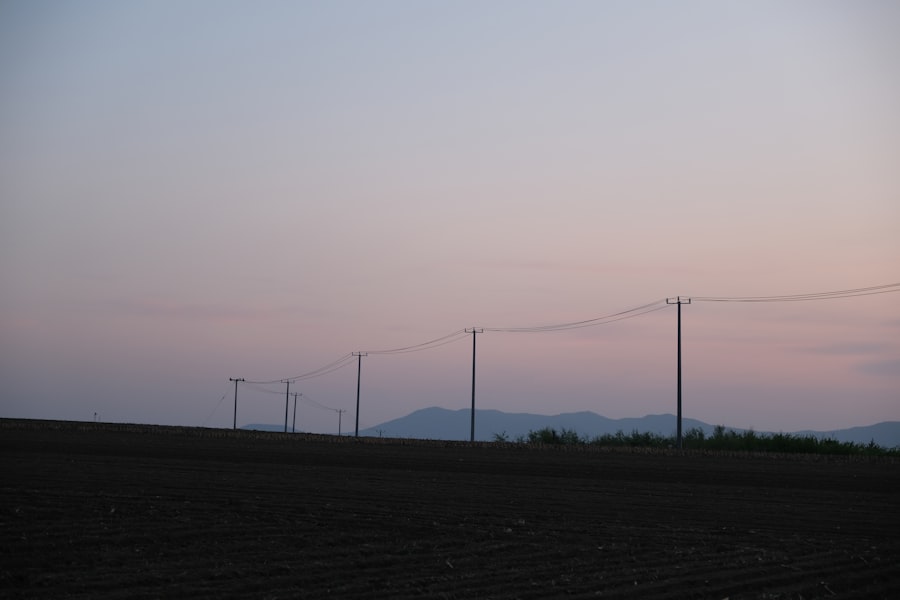
The integration of renewable energy into the grid is one of the most pressing challenges facing modern power infrastructure. As countries transition away from fossil fuels, it becomes essential to develop systems that can accommodate variable energy sources like solar and wind power. These resources are inherently intermittent; thus, effective integration requires advanced grid management techniques that can balance supply and demand in real time.
To facilitate this integration, utilities are increasingly investing in technologies such as advanced forecasting tools and demand response programs. These innovations allow for better prediction of renewable generation patterns and enable consumers to adjust their usage based on available supply. Additionally, grid modernization efforts often include the development of microgrids—localized networks that can operate independently from the main grid—providing further flexibility in managing renewable resources.
Cybersecurity and Resilience in Modern Energy Grids
As energy grids become more interconnected and reliant on digital technologies, cybersecurity has emerged as a critical concern. Modernized grids are vulnerable to cyberattacks that could disrupt power supply or compromise sensitive data. Ensuring the resilience of these systems against such threats requires robust cybersecurity measures that encompass both technology and policy frameworks.
Utilities must adopt a proactive approach to cybersecurity by implementing advanced security protocols and conducting regular assessments of their systems’ vulnerabilities. Collaboration between government agencies, private sector stakeholders, and cybersecurity experts is essential for developing comprehensive strategies that protect critical infrastructure from potential attacks.
Policy and Regulatory Considerations for Grid Modernization
The successful modernization of energy grids hinges on supportive policy frameworks and regulatory environments. Policymakers play a vital role in creating incentives for utilities to invest in infrastructure upgrades while ensuring that these changes align with broader environmental goals. This may involve establishing funding mechanisms or providing tax credits for investments in renewable energy technologies.
Moreover, regulatory bodies must adapt existing frameworks to accommodate new technologies and business models emerging from grid modernization efforts. This includes revising interconnection standards for distributed energy resources and establishing guidelines for data sharing between utilities and consumers. By fostering an adaptive regulatory environment, policymakers can facilitate innovation while ensuring that modernization efforts benefit all stakeholders involved.
The Role of Data and Analytics in Grid Modernization
Data and analytics are at the heart of modernizing energy grids, providing valuable insights that drive decision-making processes. Utilities can leverage vast amounts of data generated by smart meters, sensors, and other connected devices to optimize operations and enhance reliability. Advanced analytics tools enable utilities to identify patterns in energy consumption, predict demand fluctuations, and detect anomalies that may indicate potential issues within the grid.
Furthermore, data-driven approaches facilitate better engagement with consumers by providing them with personalized insights into their energy usage. This transparency empowers consumers to make informed choices about their consumption habits while fostering a culture of conservation. As data analytics continue to evolve, they will play an increasingly pivotal role in shaping the future of energy distribution.
Community Engagement and Public Awareness in Energy Grid Upgrades
Community engagement is essential for successful energy grid upgrades, as public support can significantly influence project outcomes. Utilities must prioritize communication with local communities to ensure that residents understand the benefits of modernization efforts and how they will impact their lives. Public awareness campaigns can help demystify complex technologies while highlighting the importance of transitioning to a more sustainable energy future.
Involving communities in the decision-making process also fosters a sense of ownership over local energy resources. By soliciting feedback from residents regarding their needs and preferences, utilities can tailor their modernization efforts to better serve those they impact most directly. This collaborative approach not only enhances project success but also builds trust between utilities and communities.
The Economic and Environmental Impacts of Modernizing Energy Grids
The economic and environmental impacts of modernizing energy grids are profound and multifaceted. Economically, investments in grid upgrades can stimulate job creation across various sectors—from construction to technology development—while fostering innovation within local economies. Additionally, improved efficiency reduces operational costs for utilities, which can translate into lower rates for consumers.
By enabling cleaner energy generation methods, societies can work towards achieving climate goals while promoting sustainable practices within communities. Ultimately, the modernization of energy grids represents an opportunity not only for economic growth but also for fostering a healthier planet for future generations.
In recent discussions about the future of energy grids and power infrastructure, the article on the importance of modernizing our energy systems provides valuable insights. It highlights the challenges and opportunities associated with integrating renewable energy sources into existing grids. For more information, you can read the full article [here](https://www.realloreandorder.com/sample-page/).
FAQs
What is an energy grid?
An energy grid, also known as a power grid, is a network of electrical transmission lines, substations, transformers, and distribution lines that deliver electricity from power plants to consumers.
How does a power infrastructure work?
Power infrastructure includes all the physical components such as power generation plants, transmission lines, substations, and distribution networks that work together to generate, transmit, and distribute electricity to homes, businesses, and industries.
What are the main components of an energy grid?
The main components include power generation facilities (like coal, natural gas, nuclear, hydro, wind, and solar plants), high-voltage transmission lines, substations, transformers, and distribution lines that deliver electricity to end users.
Why is power infrastructure important?
Power infrastructure is essential for providing reliable electricity, which supports daily life, economic activities, healthcare, communication, and overall societal development.
What challenges do energy grids face?
Challenges include aging infrastructure, increasing demand, integration of renewable energy sources, cybersecurity threats, natural disasters, and the need for modernization to improve efficiency and reliability.
How is renewable energy integrated into power grids?
Renewable energy sources like solar and wind are connected to the grid through specialized equipment and control systems that manage variable power output and maintain grid stability.
What is a smart grid?
A smart grid is an advanced energy grid that uses digital communication technology to monitor and manage electricity flow more efficiently, improve reliability, and enable two-way communication between utilities and consumers.
How do power outages occur?
Power outages can result from equipment failure, severe weather, natural disasters, cyberattacks, or operational errors within the power grid infrastructure.
What measures are taken to improve power grid resilience?
Measures include upgrading infrastructure, implementing smart grid technologies, diversifying energy sources, enhancing cybersecurity, and developing emergency response plans.
Can energy grids operate independently?
Some energy grids, known as microgrids, can operate independently or in conjunction with the main grid, providing localized power generation and increased reliability during outages.