
Winter Heating in Monasteries: Historical Methods and Adaptations
Monasteries, typically located in isolated and tranquil settings, encounter significant challenges in maintaining adequate warmth during winter months. The historical architecture of these religious establishments, while conducive to spiritual reflection and communal living, generally lacks contemporary heating systems.
The heating solutions employed in monasteries throughout history reflect a sophisticated understanding of their physical environment and available resources. Common heating methods included strategically placed fireplaces, hypocaust systems (underfloor heating) in regions influenced by Roman engineering, and the careful management of natural materials like wood and peat. Many monasteries also incorporated architectural features such as thick stone walls for insulation and small windows to minimize heat loss.
Examining these historical heating practices provides valuable insights into both the daily operations of monastic communities and their sustainable relationship with surrounding environments. These traditional approaches to thermal regulation demonstrate remarkable resourcefulness and continue to offer relevant lessons for contemporary discussions about efficient and sustainable heating methods.
Key Takeaways
- Monasteries historically relied on traditional heating methods like fireplaces and stoves to stay warm during winter.
- Insulation and the use of natural resources were crucial for effective and sustainable heating in monastery buildings.
- Community involvement played a key role in maintaining and operating heating systems in monasteries.
- Ancient heating methods had environmental impacts, prompting modern innovations to improve efficiency and sustainability.
- Despite modern advancements, many monasteries continue to value and preserve timeless traditional heating techniques.
The History of Monastery Heating Methods
The history of heating methods in monasteries is as varied as the regions in which they are located. In the early days of monasticism, when communities were first established, heating was a matter of survival. You might imagine monks huddled around small fires, using whatever materials they could find to stave off the cold.
As time progressed, these rudimentary methods evolved into more sophisticated systems that reflected both the technological advancements of the era and the spiritual needs of the community. In medieval Europe, for instance, monasteries began to adopt more permanent structures with stone walls and roofs. This architectural shift necessitated new heating solutions.
You may find it interesting that many monasteries incorporated large hearths or central fireplaces that served as both a source of heat and a communal gathering place. These innovations not only provided warmth but also fostered a sense of community among the monks, who would share meals and stories around the fire.
Traditional Heating Techniques Used in Monasteries
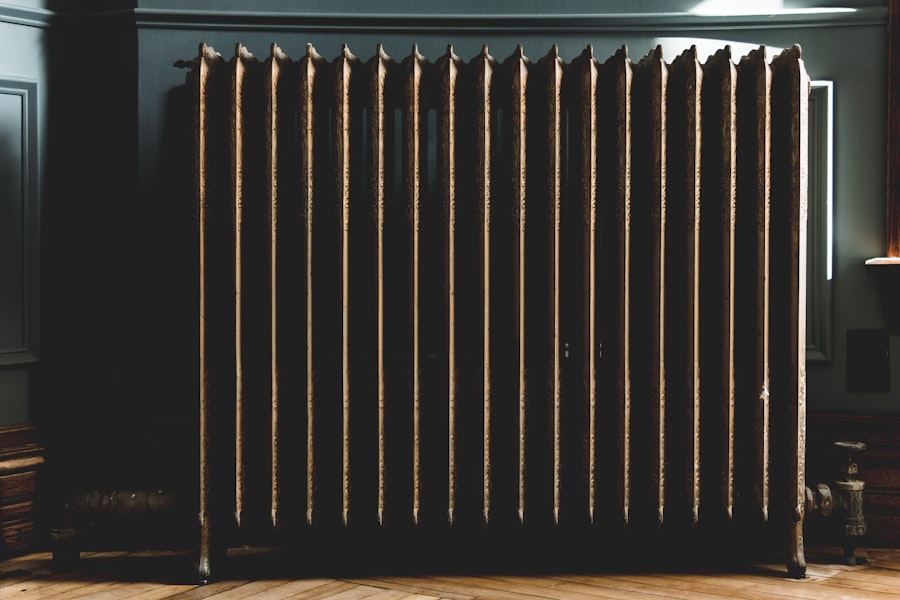
Traditional heating techniques in monasteries often relied on a combination of natural materials and innovative designs. You might be surprised to learn that many monastic communities utilized simple yet effective methods such as passive solar heating. By strategically placing windows to capture sunlight during the day, they could warm their living spaces without relying solely on firewood or other fuels.
Another common technique was the use of thermal mass. Monasteries often featured thick stone walls that absorbed heat during the day and released it slowly at night. This method not only provided consistent warmth but also minimized the need for constant fuel consumption.
You can appreciate how these techniques reflect a deep understanding of both architecture and nature, allowing monks to live harmoniously within their environment while maintaining comfort during winter months.
The Role of Fireplaces and Stoves in Monastery Heating
Fireplaces and stoves have played a pivotal role in the heating systems of monasteries throughout history. You may envision grand stone fireplaces dominating common areas, where monks gathered not just for warmth but for fellowship and reflection. These fireplaces were often designed with large chimneys to efficiently draw smoke away from living spaces, ensuring that air quality remained acceptable even during the coldest days.
In addition to traditional fireplaces, many monasteries adopted stoves that utilized wood or coal as fuel sources. These stoves were often more efficient than open fires, allowing for better heat distribution throughout the building. You might find it fascinating that some monasteries even developed intricate flue systems that channeled heat from the stove into various rooms, creating a network of warmth that permeated the entire structure.
The Importance of Insulation in Monastery Buildings
| Metric | Description | Value | Unit | Notes |
|---|---|---|---|---|
| Average Winter Temperature | Typical indoor temperature maintained during winter | 15-18 | °C | Varies by monastery location and insulation |
| Heating Method | Type of heating used in ancient monasteries | Hypocaust, wood stoves, braziers | N/A | Hypocaust used mainly in Roman-era monasteries |
| Fuel Consumption | Amount of wood or charcoal used per day | 10-20 | kg/day | Depends on monastery size and insulation |
| Heating Duration | Hours per day heating was maintained | 6-10 | hours | Typically during coldest parts of the day |
| Insulation Materials | Materials used to retain heat | Thick stone walls, tapestries, wooden shutters | N/A | Helped reduce heat loss |
| Average Room Size | Size of heated rooms in monasteries | 20-40 | m² | Smaller rooms easier to heat |
Insulation is a critical factor in maintaining warmth during winter months, and monasteries were no exception to this rule. You may be surprised to learn that many monastic buildings were constructed with thick walls made from stone or brick, which provided natural insulation against the cold. This architectural choice not only helped retain heat but also contributed to the overall durability of the structures.
In addition to their thick walls, many monasteries employed various insulating materials to enhance their thermal efficiency. You might imagine monks using straw or wool as insulation in attics or between walls, creating an additional barrier against the cold. This attention to detail reflects a deep understanding of how to create a comfortable living environment while remaining resourceful and sustainable.
The Use of Natural Resources for Heating in Monasteries
Monasteries have historically been closely tied to their surrounding landscapes, and this relationship extends to their heating methods as well. You may find it intriguing that many monastic communities relied heavily on local natural resources for their heating needs. Wood from nearby forests was often the primary fuel source, with monks practicing sustainable forestry techniques to ensure a continuous supply.
In addition to wood, some monasteries took advantage of other natural resources such as peat or coal found in their regions. You might picture monks carefully harvesting these materials, understanding their value not just for heating but also for maintaining their way of life. This reliance on local resources not only provided warmth but also fostered a sense of stewardship toward the environment.
The Role of Community in Maintaining Monastery Heating Systems
The communal aspect of monastic life extends beyond spiritual practices; it also encompasses practical matters such as maintaining heating systems. You may appreciate how each member of a monastic community played a role in ensuring that their living spaces remained warm during winter months. From gathering firewood to tending to stoves and fireplaces, these tasks were often shared among monks and nuns.
This collaborative approach not only fostered a sense of unity but also reinforced the values of hard work and responsibility within the community. You might envision monks working together in harmony, each contributing their skills and efforts toward a common goal: creating a warm and welcoming environment for all members of the monastery.
Challenges and Solutions for Winter Heating in Monasteries
Despite their ingenuity, monasteries have faced numerous challenges when it comes to winter heating. You may consider how factors such as limited resources, harsh weather conditions, and aging infrastructure can complicate efforts to maintain warmth during colder months. For instance, older buildings may struggle with drafts or inadequate insulation, making it difficult to retain heat.
To address these challenges, many monastic communities have turned to innovative solutions that blend tradition with modern technology. You might find it interesting that some monasteries have begun incorporating renewable energy sources such as solar panels or biomass heating systems into their existing infrastructure. These adaptations not only improve energy efficiency but also align with the values of sustainability and stewardship that are central to monastic life.
The Environmental Impact of Ancient Heating Methods in Monasteries
The environmental impact of ancient heating methods used in monasteries is a topic worth exploring. You may be surprised to learn that many traditional practices were inherently sustainable due to their reliance on local resources and minimal waste production. For example, using wood from nearby forests allowed communities to maintain a close relationship with their environment while ensuring that they did not deplete resources.
However, as populations grew and industrialization took hold, some monastic communities faced challenges related to deforestation and resource depletion. You might consider how this shift prompted many monasteries to reevaluate their practices and seek more sustainable alternatives that would allow them to continue thriving without compromising their values or harming the environment.
Modern Innovations in Monastery Winter Heating
In recent years, many monasteries have embraced modern innovations in winter heating while still honoring their historical roots. You may find it fascinating that some communities have integrated advanced heating technologies such as radiant floor heating or energy-efficient boilers into their existing systems. These upgrades not only enhance comfort but also reduce energy consumption significantly.
Additionally, some monasteries have begun experimenting with geothermal heating systems that utilize the earth’s natural temperature to provide consistent warmth throughout the year. You might appreciate how these modern solutions reflect a commitment to sustainability while ensuring that monastic life remains comfortable and conducive to contemplation.
The Timelessness of Ancient Heating Methods in Monasteries
As you reflect on the various methods used for winter heating in monasteries throughout history, it becomes clear that these practices are not merely relics of the past but rather timeless solutions that continue to resonate today. The ingenuity displayed by monastic communities in adapting to their environments speaks volumes about their resilience and resourcefulness. In an age where sustainability is more important than ever, you may find inspiration in the ways monasteries have historically approached heating with respect for nature and community collaboration.
As you consider your own relationship with warmth and comfort during winter months, you might draw parallels between ancient practices and modern innovations—reminding us all that there is much we can learn from those who came before us.
In exploring the challenges of maintaining warmth in ancient monasteries during the harsh winter months, one can gain further insights by reading the article on the historical significance of monastic architecture and its adaptations to climate. For a deeper understanding of this topic, check out the related article here.
FAQs
What methods were traditionally used to heat monasteries in ancient times during winter?
Ancient monasteries often used fireplaces, hypocaust systems (underfloor heating), and braziers to provide warmth during winter. They relied on wood, charcoal, or coal as fuel sources.
How did the architecture of ancient monasteries help with winter heating?
Monasteries were typically built with thick stone walls and small windows to retain heat. The design often included south-facing rooms to maximize sunlight exposure and minimize heat loss.
What role did the monastery’s location play in winter heating?
Monasteries were often situated in areas that provided natural protection from harsh winds, such as valleys or sheltered hillsides, which helped reduce heat loss during winter months.
Were there any unique heating technologies developed by ancient monasteries?
Some monasteries employed early forms of hypocaust systems, where heated air circulated beneath floors and within walls to warm living spaces, a technique inherited from Roman engineering.
How did monks manage fuel resources for heating during winter?
Monks carefully managed wood and other fuel supplies, often collecting and storing them during warmer months to ensure sufficient heating resources throughout the winter.
Did monasteries have communal heating areas?
Yes, many monasteries had communal halls or refectories with large fireplaces that served as central heating areas where monks could gather and stay warm.
How did winter heating impact daily life in ancient monasteries?
Effective heating was crucial for comfort and health, allowing monks to continue their religious duties, study, and manual work during cold months without interruption.
Are any ancient monastery heating systems still visible or functional today?
Some ancient monasteries still retain remnants of hypocaust systems, fireplaces, and architectural features designed for heating, which can be seen in preserved ruins or restored buildings.