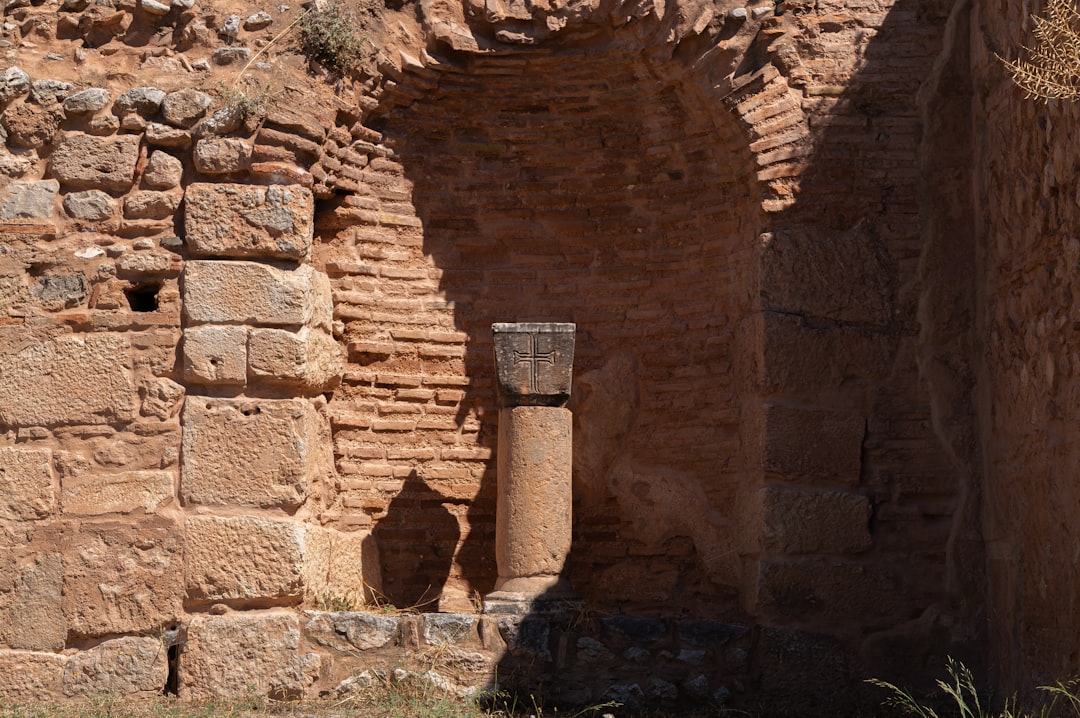
The Nabataean civilization, flourishing from the 4th century BCE to the 2nd century CE, is renowned for its remarkable achievements in trade, architecture, and water management. Among their most significant contributions to engineering and urban planning are the intricate systems of cisterns that they developed. These underground reservoirs were not merely functional; they were a testament to the Nabataeans’ ingenuity in adapting to the arid conditions of their environment.
The cisterns served as vital sources of water, enabling the growth of cities like Petra, which became a thriving hub of commerce and culture in the ancient world. Nabataean cisterns were ingeniously designed to collect and store rainwater, ensuring a reliable water supply in a region characterized by its scarcity. The construction of these cisterns involved sophisticated techniques that reflected a deep understanding of hydrology and geology.
As the Nabataeans expanded their territory, they adapted their water management strategies to suit various landscapes, demonstrating their resourcefulness and foresight. The legacy of these cisterns continues to be felt today, as they provide valuable insights into ancient engineering practices and the importance of sustainable water management.
Key Takeaways
- Nabataean cisterns were an essential part of the ancient civilization’s water management system, allowing them to thrive in the arid desert environment.
- The design and construction of Nabataean cisterns showcased the advanced engineering skills of the civilization, utilizing natural rock formations and innovative techniques to capture and store water.
- Cisterns played a crucial role in Nabataean society, providing a reliable water supply for domestic use, agriculture, and irrigation, contributing to the prosperity of their communities.
- The influence of Nabataean cisterns on modern water management can be seen in the preservation and restoration efforts, as well as the technological advancements that have been inspired by their innovative methods.
- The legacy of Nabataean cisterns in the Middle East is a testament to their cultural and historical significance, serving as a reminder of the civilization’s ingenuity and resilience in water management.
The Importance of Water Management in the Nabataean Civilization
Water management was crucial for the survival and prosperity of the Nabataean civilization. Situated in the arid regions of modern-day Jordan and surrounding areas, the Nabataeans faced significant challenges in securing adequate water supplies for their communities. The harsh climate, characterized by low rainfall and high evaporation rates, necessitated innovative solutions to ensure that both people and agriculture could thrive.
The strategic management of water resources not only supported daily life but also facilitated trade and economic growth. By ensuring a steady supply of water, the Nabataeans could cultivate crops and sustain livestock, which in turn supported their bustling trade networks.
The cities they built, particularly Petra, became vital centers for commerce, attracting merchants from across the region. This emphasis on water management was not merely a practical necessity; it was a cornerstone of Nabataean identity and culture, reflecting their adaptability and resilience in the face of environmental challenges.
The Design and Construction of Nabataean Cisterns
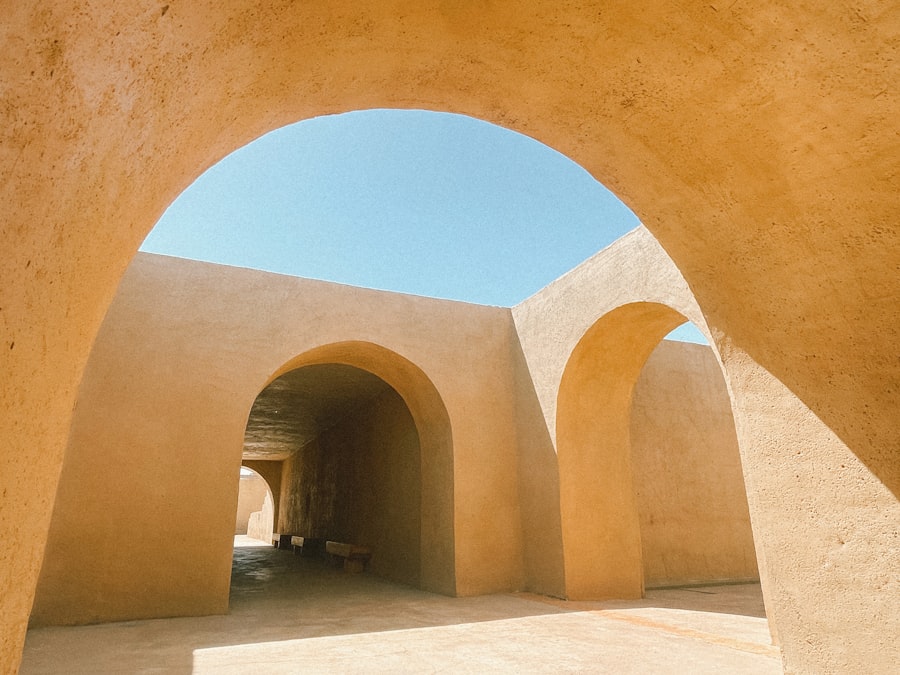
The design and construction of Nabataean cisterns were remarkable feats of engineering that showcased the civilization’s advanced understanding of water management. These structures were typically built underground or partially buried to minimize evaporation and protect the stored water from contamination. The cisterns varied in size and shape, often depending on their intended use and the specific geological conditions of the site.
Some were large enough to hold thousands of liters of water, while others were smaller, serving individual households or specific agricultural needs. The construction process involved careful planning and execution. Nabataean engineers would select locations with optimal drainage patterns to maximize rainwater collection.
They often lined the cisterns with plaster or other waterproof materials to prevent leaks and ensure that the stored water remained clean. The intricate network of channels and conduits that directed rainwater into these reservoirs demonstrated a sophisticated understanding of hydrology. This attention to detail not only ensured the functionality of the cisterns but also reflected the Nabataeans’ commitment to sustainable practices in an arid environment.
The Role of Cisterns in Nabataean Society
| Aspect | Metrics |
|---|---|
| Number of Cisterns | Over 1000 cisterns have been identified in the ancient city of Petra |
| Capacity | Cisterns in Petra range in capacity from a few cubic meters to over 100 cubic meters |
| Importance | Cisterns played a crucial role in providing water for the inhabitants and agriculture in the arid desert environment |
| Construction | Cisterns were constructed using a combination of rock-cut and built structures |
Cisterns played a multifaceted role in Nabataean society, serving as essential components of daily life and community organization. Beyond their primary function as water storage facilities, these structures were integral to social cohesion and cultural identity. In a society where access to water was a matter of survival, cisterns became communal resources that fostered cooperation among residents.
The shared responsibility for maintaining these cisterns often led to stronger community bonds, as individuals worked together to ensure a reliable water supply. Moreover, cisterns were often associated with religious practices and rituals. Water held significant symbolic meaning in many ancient cultures, including that of the Nabataeans.
Cisterns could serve as sites for purification rites or other ceremonies that emphasized the importance of water in spiritual life. This intertwining of practical utility and cultural significance highlights how deeply embedded water management was in the fabric of Nabataean society, influencing everything from daily routines to religious observances.
How Nabataean Cisterns Were Used for Agriculture and Irrigation
The agricultural practices of the Nabataeans were heavily reliant on their sophisticated system of cisterns. By capturing and storing rainwater, these reservoirs provided a crucial resource for irrigation in an otherwise arid landscape. The ability to irrigate crops allowed the Nabataeans to cultivate a variety of agricultural products, including grains, fruits, and vegetables, which were essential for sustaining their population and supporting trade.
The strategic use of cisterns for irrigation also enabled the Nabataeans to implement advanced farming techniques. They developed terraced fields and other methods to maximize land use while minimizing soil erosion. This innovative approach not only increased agricultural productivity but also contributed to soil conservation efforts.
The integration of cisterns into agricultural practices exemplified the Nabataeans’ ability to harmonize their needs with environmental considerations, ensuring long-term sustainability in their farming endeavors.
The Preservation and Restoration of Nabataean Cisterns
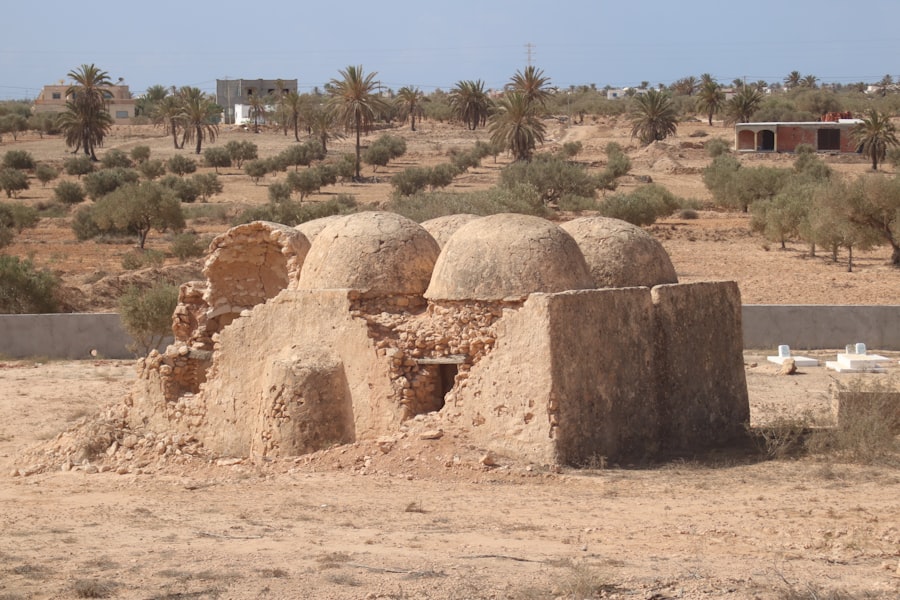
The preservation and restoration of Nabataean cisterns have become increasingly important as scholars and archaeologists seek to understand this ancient civilization’s legacy. Many cisterns have survived for centuries, but they are not immune to the ravages of time, natural disasters, and human activity. Efforts to preserve these structures involve careful documentation, restoration work, and ongoing research into their historical significance.
This can involve repairing cracks, reinforcing walls, or even reconstructing sections that have collapsed over time. Additionally, modern technology has played a role in these efforts; techniques such as 3D scanning and digital modeling allow researchers to create detailed records of cisterns before restoration begins.
By preserving these ancient water management systems, contemporary society can gain valuable insights into sustainable practices that are still relevant today.
The Influence of Nabataean Cisterns on Modern Water Management
The innovative techniques employed by the Nabataeans in constructing cisterns have had a lasting impact on modern water management practices. Their ability to capture and store rainwater has inspired contemporary approaches to sustainable water use in arid regions around the world. As global populations continue to grow and climate change exacerbates water scarcity issues, lessons from ancient civilizations like the Nabataeans become increasingly relevant.
Modern engineers and urban planners are looking back at historical methods for inspiration as they develop new strategies for managing water resources sustainably. Techniques such as rainwater harvesting, which echoes the principles used by the Nabataeans, are being implemented in various parts of the world today. By studying ancient systems like those found in Petra, contemporary societies can adopt more effective practices that promote conservation and resilience in the face of environmental challenges.
The Legacy of Nabataean Cisterns in the Middle East
The legacy of Nabataean cisterns extends far beyond their immediate geographical context; they represent a significant chapter in the history of water management in the Middle East. As one of the earliest civilizations to develop sophisticated techniques for capturing and storing water, the Nabataeans set a precedent that influenced subsequent cultures throughout the region. Their innovations laid the groundwork for future advancements in hydraulic engineering and urban planning.
Today, many modern Middle Eastern societies continue to grapple with similar challenges related to water scarcity and resource management. The principles established by the Nabataeans serve as a reminder of the importance of sustainable practices in ensuring access to clean water for future generations. As communities strive to adapt to changing environmental conditions, they can draw inspiration from the resilience and ingenuity demonstrated by this ancient civilization.
The Technological Advancements of Nabataean Water Management
The technological advancements achieved by the Nabataeans in water management were remarkable for their time and continue to be studied for their relevance today. Their understanding of hydrology allowed them to design complex systems that maximized water collection while minimizing waste. Techniques such as channeling runoff from surrounding hillsides into cisterns demonstrated an advanced grasp of landscape dynamics.
Moreover, the materials used in constructing these cisterns reflected an innovative approach to engineering challenges. The use of waterproof plaster not only ensured that stored water remained uncontaminated but also showcased an early understanding of material science that would not be fully realized until much later in history. These advancements highlight how the Nabataeans were not merely surviving but thriving through their mastery of technology related to water management.
The Cultural and Historical Significance of Nabataean Cisterns
Nabataean cisterns hold profound cultural and historical significance beyond their practical applications. They symbolize human ingenuity in overcoming environmental challenges while also reflecting broader themes within Nabataean society—such as cooperation, sustainability, and adaptability. These structures serve as physical reminders of a civilization that thrived despite its harsh surroundings.
Furthermore, cisterns are integral to understanding the social dynamics within Nabataean communities. They were often communal spaces where people gathered not only for practical purposes but also for social interaction and cultural exchange. This aspect underscores how essential resources like water can shape societal structures and relationships over time.
The Future of Nabataean Cisterns and Water Management in the Middle East
As contemporary societies face increasing pressures related to climate change and population growth, the future of water management will undoubtedly draw upon lessons learned from ancient civilizations like the Nabataeans. The preservation of their cisterns offers valuable insights into sustainable practices that can be adapted for modern use. By studying these ancient systems, current generations can develop innovative solutions that address pressing water scarcity issues.
Looking ahead, there is potential for renewed interest in traditional methods such as rainwater harvesting inspired by Nabataean practices. As communities strive for resilience against environmental challenges, integrating historical knowledge with modern technology may pave the way for more effective water management strategies across the Middle East and beyond. Ultimately, the legacy of Nabataean cisterns serves as both a reminder of past achievements and a guide for future endeavors in sustainable resource management.
The Nabataean civilization is renowned for its advanced water management systems, particularly their ingenious use of cisterns to collect and store water in the arid desert environment. An interesting article that delves into similar ancient water management techniques can be found on Real Lore and Order. This article explores various historical methods of water conservation and distribution, providing a broader context to the Nabataeans’ achievements. For more insights, you can read the full article by visiting Real Lore and Order.
WATCH THIS! 👀 History Is Hiding 50 Impossible Inventions
FAQs
What are Nabataean cisterns?
Nabataean cisterns are ancient water storage systems built by the Nabataean civilization, who inhabited the region of modern-day Jordan, Israel, and Saudi Arabia.
How were Nabataean cisterns constructed?
Nabataean cisterns were typically carved into the rock or constructed using stone masonry. They were designed to collect and store rainwater for later use.
What was the purpose of Nabataean cisterns?
The Nabataean cisterns were used to collect and store water for various purposes, including drinking water for the inhabitants, irrigation for agriculture, and for use in the city’s fountains and baths.
How did Nabataeans manage water using cisterns?
The Nabataeans were skilled in water management and used a system of channels and pipes to direct rainwater into the cisterns. They also implemented techniques to prevent evaporation and contamination of the stored water.
What is the significance of Nabataean cisterns?
Nabataean cisterns are significant as they demonstrate the advanced engineering and water management skills of the Nabataean civilization, allowing them to thrive in arid desert environments. They also provide valuable insights into ancient water conservation practices.