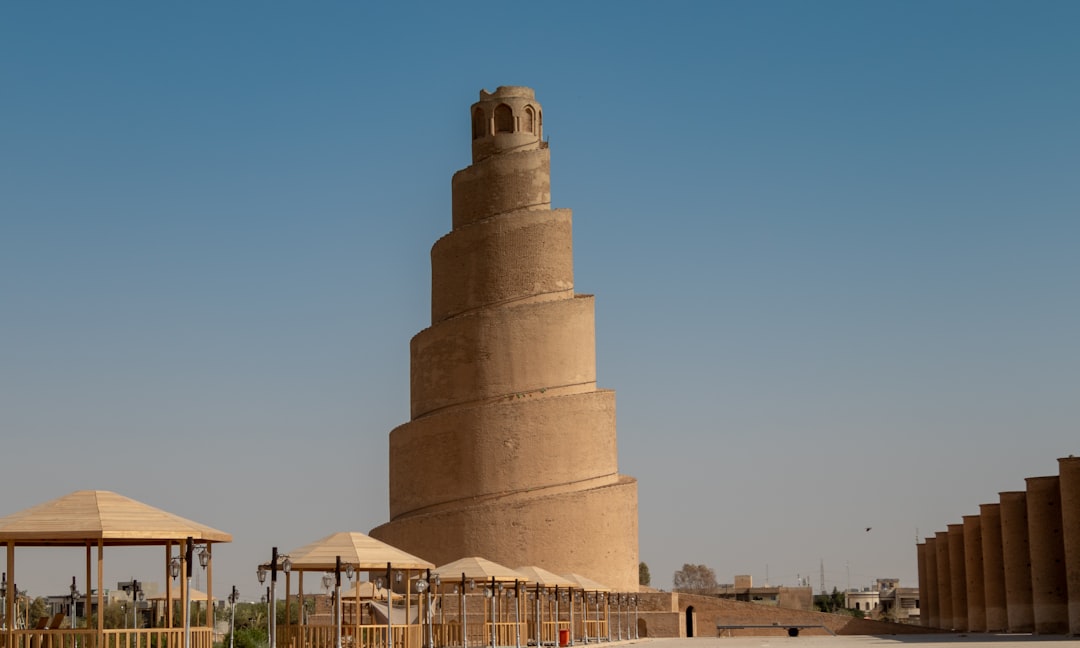
The Nabataeans, an ancient Arab people who thrived in the arid landscapes of modern-day Jordan, are renowned for their remarkable water management systems. Living in a region characterized by scarce rainfall and harsh desert conditions, they developed innovative techniques to harness and conserve water, ensuring their survival and prosperity. As you delve into the intricacies of Nabataean water systems, you will discover how these ancient engineers transformed their environment, creating a sustainable oasis that supported not only their daily needs but also their flourishing trade networks.
Understanding the significance of water in Nabataean society is crucial to appreciating their achievements. Water was not merely a resource; it was the lifeblood of their civilization. The Nabataeans recognized that effective water management was essential for agriculture, trade, and even social cohesion.
Their ability to adapt to the challenges posed by their environment speaks volumes about their ingenuity and resilience. As you explore the various components of their water systems, you will gain insight into how these ancient people thrived in one of the most inhospitable regions on Earth.
Key Takeaways
- Nabataeans developed advanced water management techniques including cisterns, aqueducts, and channels to thrive in arid environments.
- Their water systems supported agriculture and trade, enabling economic prosperity in desert regions.
- The Siq water channel in Petra exemplifies their engineering skill in directing and conserving water.
- Water conservation was central to Nabataean society, reflecting both environmental sustainability and cultural values.
- Preserving these ancient water systems poses challenges but offers valuable insights for modern hydraulic engineering and sustainable water use.
The Ingenious Use of Cisterns and Reservoirs
One of the most remarkable aspects of Nabataean water management was their use of cisterns and reservoirs. These structures were ingeniously designed to collect and store rainwater, which was a precious commodity in the arid landscape. You can imagine the meticulous planning that went into constructing these reservoirs, often carved directly into the rock or built with stone walls to maximize their capacity.
The Nabataeans understood the importance of capturing every drop of rain, and their engineering skills allowed them to create systems that could hold vast amounts of water. Cisterns were strategically placed throughout their settlements, ensuring that water was accessible to all. You might picture a bustling community where families relied on these reservoirs for drinking water, irrigation, and even livestock.
The Nabataeans also developed sophisticated filtration systems to keep the stored water clean and usable. This attention to detail not only highlights their technical prowess but also reflects a deep understanding of the importance of hygiene and health in a society dependent on limited water resources.
The Role of Aqueducts in Nabataean Water Management
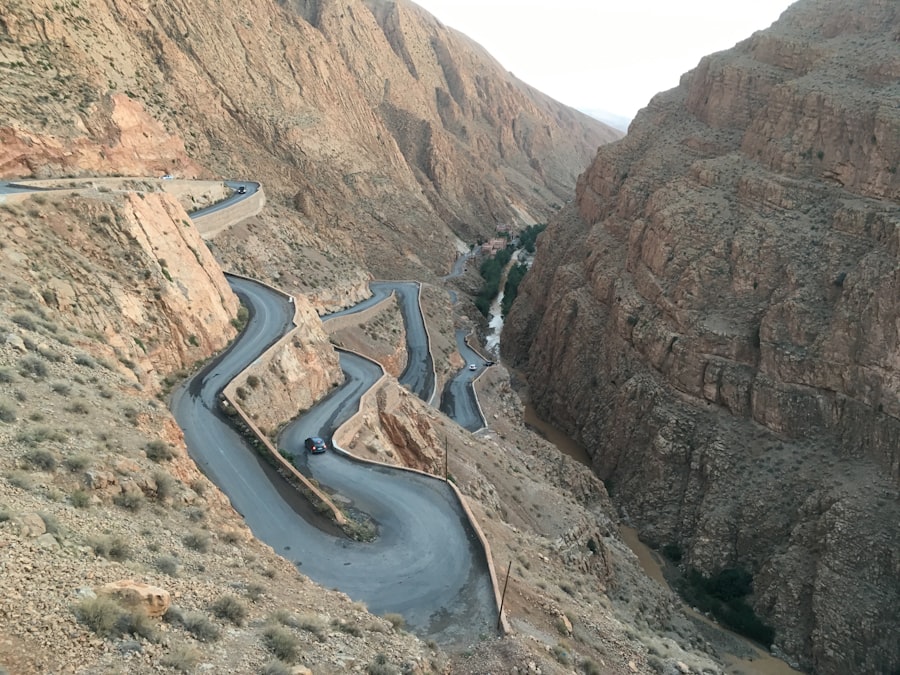
Aqueducts played a pivotal role in the Nabataean water management system, serving as conduits for transporting water from distant sources to urban centers. As you consider the challenges posed by the rugged terrain, it becomes clear that these structures were not merely functional; they were feats of engineering that showcased the Nabataeans’ ability to adapt to their environment. You can envision long stretches of aqueducts winding through valleys and over hills, carefully designed to maintain a steady flow of water.
The construction of aqueducts required not only technical skill but also a deep understanding of hydrology. The Nabataeans utilized gravity to their advantage, ensuring that water could flow efficiently from higher elevations to lower areas where it was needed most. This ingenuity allowed them to support larger populations and expand their agricultural activities.
As you explore the impact of these aqueducts on Nabataean society, you will see how they facilitated trade by providing reliable access to water for both people and livestock, ultimately contributing to the prosperity of their civilization.
Harnessing Natural Springs in the Desert
In addition to cisterns and aqueducts, the Nabataeans skillfully harnessed natural springs scattered throughout their territory. These springs were vital sources of fresh water, often emerging from rocky outcrops or hidden within canyons. You can imagine how crucial these springs were for sustaining life in such a harsh environment.
The Nabataeans developed methods to protect and enhance these natural resources, ensuring that they could be accessed year-round. The strategic use of springs allowed the Nabataeans to establish settlements in otherwise inhospitable areas. You might visualize small communities thriving around these water sources, where agriculture flourished due to the availability of fresh water.
The Nabataeans understood that by managing these springs effectively, they could create micro-environments conducive to farming and habitation. This relationship with natural springs not only provided sustenance but also fostered a sense of community as people gathered around these vital resources.
The Importance of Water Conservation in Nabataean Society
| Metric | Description | Value/Example |
|---|---|---|
| Water Collection Method | Techniques used to capture rainwater and runoff | Catchment basins, channels, and cisterns |
| Storage Capacity | Volume of water stored in cisterns and reservoirs | Up to 1 million liters in large cisterns |
| Water Transport | Systems used to move water across terrain | Underground channels (qanats), aqueducts |
| Filtration Techniques | Methods to purify water before storage or use | Sand filtration, settling basins |
| Distribution Network | Infrastructure for delivering water to settlements | Stone channels, pipes, and terracotta conduits |
| Evaporation Reduction | Design features to minimize water loss | Covered cisterns, underground storage |
| Geographical Coverage | Regions where Nabataean hydraulic systems were implemented | Negev Desert, Petra, Wadi Musa |
| Engineering Period | Timeframe of Nabataean hydraulic engineering development | 4th century BCE to 1st century CE |
Water conservation was not just a practical necessity for the Nabataeans; it was a fundamental aspect of their culture and identity. Living in a desert environment, they developed a profound respect for water as a precious resource that required careful stewardship. You can imagine how this mindset influenced their daily lives, from agricultural practices to social interactions.
The Nabataeans understood that every drop counted, leading them to implement various strategies for conserving water. Their commitment to conservation extended beyond mere survival; it shaped their societal values and practices. You might consider how rituals and traditions surrounding water usage emerged as a reflection of this respect.
For instance, communal efforts to maintain cisterns or clean aqueducts likely fostered a sense of unity among community members. This cultural significance attached to water conservation not only ensured the sustainability of their resources but also reinforced social bonds within Nabataean society.
The Impact of Nabataean Water Systems on Agriculture and Trade
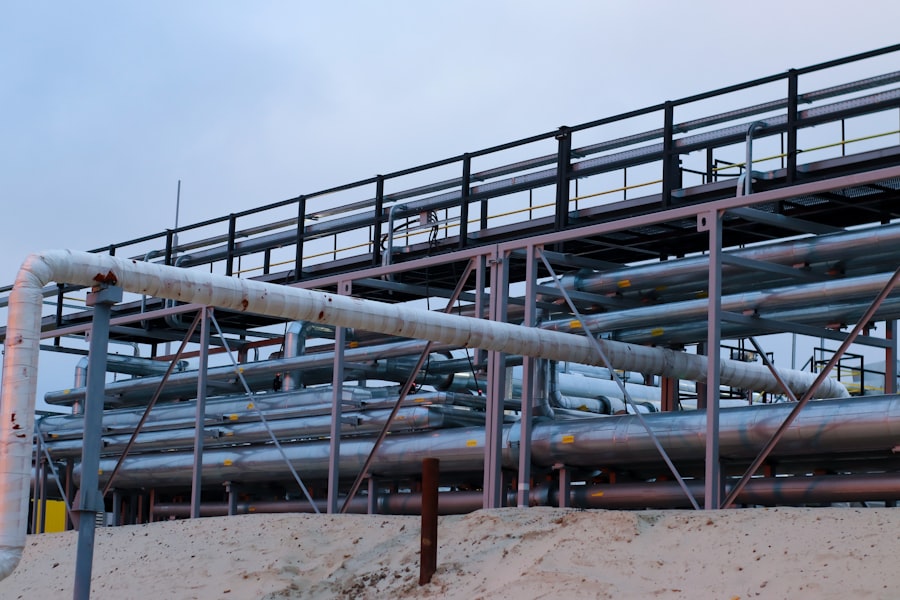
The sophisticated water management systems developed by the Nabataeans had a profound impact on agriculture and trade, transforming their society into a thriving economic hub. With reliable access to water, you can envision lush fields of crops flourishing in an otherwise arid landscape. The ability to irrigate land allowed them to cultivate various crops, including grains, fruits, and vegetables, which were essential for sustaining their population and supporting trade networks.
As agricultural productivity increased, so did opportunities for trade. The Nabataeans became known as skilled merchants who transported goods across vast distances, connecting different cultures and economies. You might picture bustling markets filled with vibrant produce and exotic goods, all made possible by the effective management of water resources.
Their strategic location along trade routes further amplified this impact, as they provided essential supplies to travelers and traders passing through their territory.
The Engineering Marvel of the Siq Water Channel in Petra
One of the most remarkable achievements of Nabataean engineering is the Siq Water Channel in Petra, a stunning example of their ingenuity in water management. As you explore this narrow gorge leading into the ancient city, you will be struck by the intricate channel carved into the rock walls. This channel was designed to direct water from nearby springs into Petra, ensuring that its inhabitants had access to fresh water even in such a challenging environment.
The construction of the Siq Water Channel required not only advanced engineering skills but also an intimate understanding of the local geology and hydrology. You can imagine the meticulous planning that went into its design, allowing for optimal flow while minimizing evaporation losses. This engineering marvel not only served practical purposes but also showcased the artistic capabilities of the Nabataeans as they harmonized functionality with aesthetics in one of the world’s most iconic archaeological sites.
The Legacy of Nabataean Water Systems in Modern Hydraulics
The innovative water management techniques developed by the Nabataeans have left an enduring legacy that continues to influence modern hydraulics. As you study contemporary water management practices, you may find echoes of Nabataean ingenuity in various systems designed to optimize water usage and conservation.
Moreover, the principles underlying Nabataean water systems resonate with current discussions on sustainability and resource management. You might reflect on how their practices can inform contemporary efforts to address global water scarcity issues. By examining the successes and challenges faced by the Nabataeans, modern societies can glean valuable insights into creating resilient water management systems that prioritize conservation while meeting the needs of growing populations.
The Environmental Sustainability of Nabataean Water Management
The environmental sustainability inherent in Nabataean water management practices is a testament to their deep connection with nature. Living in a desert environment necessitated a careful balance between resource utilization and conservation. You can appreciate how their methods were designed not only for immediate needs but also with an eye toward long-term sustainability.
By capturing rainwater and protecting natural springs, they ensured that their communities could thrive without depleting vital resources. This sustainable approach is particularly relevant today as societies grapple with environmental challenges exacerbated by climate change and population growth. You might consider how adopting similar principles could lead to more sustainable practices in modern agriculture and urban planning.
The Nabataeans’ ability to harmonize human needs with environmental stewardship serves as an inspiring model for contemporary efforts aimed at creating resilient communities in challenging landscapes.
The Cultural and Social Significance of Water in Nabataean Civilization
Water held profound cultural and social significance within Nabataean civilization, shaping not only their daily lives but also their spiritual beliefs and communal identity. As you explore this aspect of their society, you may find that water was often associated with life-giving forces and fertility—elements deeply revered in many cultures throughout history. The rituals surrounding water usage likely fostered a sense of unity among community members as they collectively recognized its importance.
You might envision gatherings around cisterns or springs where people shared stories and traditions while drawing from these vital resources. Such communal interactions would have reinforced social bonds and created a shared identity centered around the life-sustaining power of water. In this way, water transcended its practical role; it became a symbol of resilience, cooperation, and cultural heritage within Nabataean society.
Challenges and Future Prospects for Preserving Nabataean Water Systems
Despite their remarkable achievements, preserving Nabataean water systems poses significant challenges today. As you consider the impact of modern development and climate change on these ancient structures, it becomes clear that urgent action is needed to protect this invaluable heritage. Factors such as urbanization, tourism pressures, and shifting weather patterns threaten the integrity of these historical sites.
However, there is hope for future preservation efforts as awareness grows regarding the importance of safeguarding cultural heritage sites like those created by the Nabataeans. You might reflect on how collaborative initiatives involving local communities, governments, and international organizations can play a crucial role in protecting these ancient water systems for future generations. By fostering appreciation for this unique legacy while implementing sustainable practices, we can ensure that the ingenuity of the Nabataeans continues to inspire future generations in their quest for effective water management solutions.
The Nabataean civilization is renowned for its advanced hydraulic engineering, particularly in the development of desert water systems that allowed them to thrive in arid environments. Their innovative techniques included the construction of cisterns, aqueducts, and channels that efficiently captured and stored rainwater. For a deeper understanding of these remarkable engineering feats, you can explore the article on hydraulic systems in the Nabataean culture at Real Lore and Order.
WATCH THIS! 🔍 Archaeologists REFUSE to Explain This Ancient Machine
FAQs
Who were the Nabataeans?
The Nabataeans were an ancient Arab people who inhabited northern Arabia and the Southern Levant, flourishing from around the 4th century BCE to the 1st century CE. They are best known for their capital city, Petra, and their advanced skills in trade and engineering.
What is Nabataean hydraulic engineering?
Nabataean hydraulic engineering refers to the sophisticated water management systems developed by the Nabataeans to collect, store, and distribute water in arid desert environments. These systems allowed them to sustain large populations and agriculture in otherwise inhospitable regions.
Why was hydraulic engineering important to the Nabataeans?
Hydraulic engineering was crucial for the Nabataeans because they lived in desert areas with scarce and unpredictable water sources. Efficient water management enabled them to support urban centers, agriculture, and trade routes, ensuring their survival and prosperity.
What types of water systems did the Nabataeans develop?
The Nabataeans developed a variety of water systems including dams, cisterns, channels, aqueducts, and reservoirs. These structures captured rainwater and runoff, stored it, and transported it to where it was needed, often using gravity and careful engineering to maximize efficiency.
Where can Nabataean hydraulic systems be found?
Nabataean hydraulic systems are primarily found in Petra (modern-day Jordan), but also in other parts of the ancient Nabataean kingdom, including areas in present-day Jordan, Saudi Arabia, and southern Syria.
How did Nabataean water systems impact their society?
The water systems allowed the Nabataeans to thrive in desert conditions by supporting agriculture, urban life, and trade. Their ability to manage water resources contributed to their economic success and the growth of their cities.
Are any Nabataean hydraulic structures still visible today?
Yes, many Nabataean hydraulic structures, such as cisterns, channels, and dams, are still visible today, especially in Petra. These remnants provide valuable insights into their engineering skills and adaptation to desert environments.
What materials did the Nabataeans use for their hydraulic constructions?
The Nabataeans used locally available materials such as stone, plaster, and clay to build their hydraulic structures. They often coated channels and cisterns with waterproof plaster to prevent water loss.
How did the Nabataeans collect water in the desert?
They collected water primarily through rainwater harvesting, capturing runoff from seasonal rains using dams and channels that directed water into storage cisterns and reservoirs for later use.
What modern lessons can be learned from Nabataean hydraulic engineering?
Modern engineers and water managers can learn from the Nabataeans’ sustainable and efficient use of limited water resources, their innovative rainwater harvesting techniques, and their ability to adapt infrastructure to challenging desert environments.