
Accessory Dwelling Units (ADUs) have gained significant attention in recent years as a solution to various housing challenges. As you delve into the concept of ADUs, it’s essential to recognize their primary purpose: to provide additional living space on a single-family residential lot. These units can serve multiple functions, from housing family members to generating rental income.
By understanding the fundamental role of ADUs, you can appreciate their potential impact on your property and the broader community. ADUs can take many forms, including detached units, basement apartments, or garage conversions. Their versatility allows homeowners like you to customize the space according to your needs and preferences.
As urban areas face increasing population density and housing shortages, ADUs emerge as a practical response to these issues. They not only help alleviate housing shortages but also promote more efficient land use, making them an attractive option for homeowners looking to maximize their property’s potential.
Key Takeaways
- ADUs (Accessory Dwelling Units) serve as secondary housing units on a property, offering flexible living options.
- Various types of ADUs exist, each subject to specific zoning, land use, and building code regulations.
- Permitting processes and design restrictions, including size and parking requirements, are critical to ADU compliance.
- Financing ADUs involves understanding cost considerations and potential rental or ownership limitations.
- Despite challenges in navigating laws, ADUs provide significant benefits and resources are available to assist homeowners.
Different Types of ADUs and Their Regulations
When considering an ADU for your property, it’s crucial to familiarize yourself with the various types available. Detached ADUs are standalone structures that offer privacy and independence, while attached units share a wall with the primary residence. Additionally, you might explore options like converting existing spaces, such as basements or attics, into livable units.
Each type has its unique advantages and challenges, so understanding these distinctions will help you make an informed decision. Regulations governing ADUs can vary significantly depending on your location. Local governments often have specific guidelines regarding the size, design, and occupancy of these units.
As you navigate this landscape, it’s essential to research your local zoning laws and building codes. Some jurisdictions may impose restrictions on the number of ADUs allowed per lot or require specific permits for construction. By being aware of these regulations, you can better plan your project and avoid potential legal complications down the line.
Zoning and Land Use Requirements for ADUs
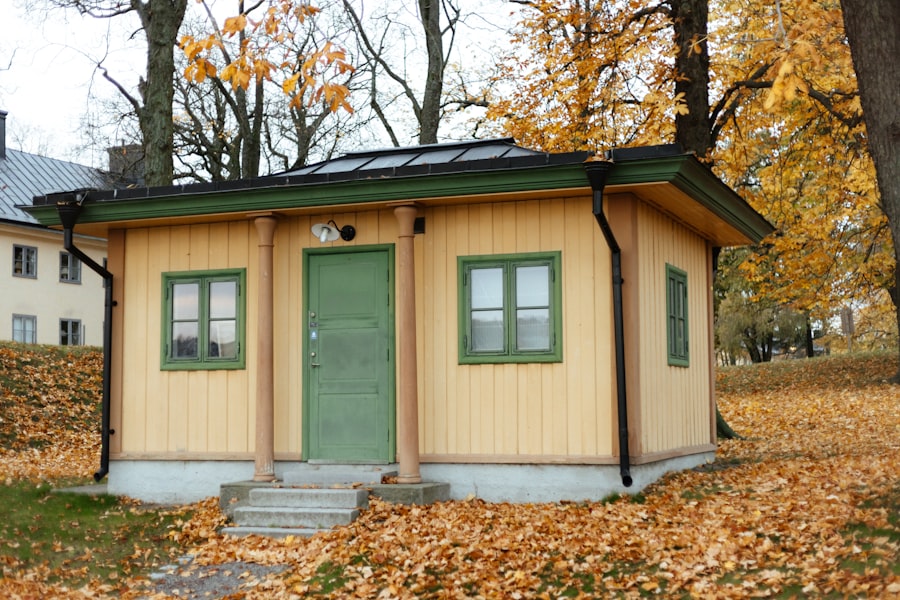
Zoning laws play a critical role in determining whether you can build an ADU on your property. These regulations dictate how land can be used within a particular area, influencing everything from the type of structures allowed to their size and placement. As you consider adding an ADU, it’s vital to consult your local zoning ordinances to ensure compliance.
Some areas may have specific zones designated for residential use that permit ADUs, while others may not. In addition to zoning laws, land use requirements can also impact your ability to construct an ADU. These requirements may include setbacks, height restrictions, and minimum lot sizes.
Understanding these parameters will help you design an ADU that meets local standards while maximizing your property’s potential. Engaging with local planning departments or zoning boards can provide valuable insights into the specific requirements in your area, ensuring that your project aligns with community goals and regulations.
Building Codes and Permitting Process for ADUs
| Metric | Description | Typical Range/Value | Notes |
|---|---|---|---|
| Maximum ADU Size | Allowed square footage for an Accessory Dwelling Unit | 400 – 1,200 sq ft | Varies by city and zoning district |
| Setback Requirements | Minimum distance from property lines | 4 – 10 feet | May differ for front, side, and rear yards |
| Height Limit | Maximum height allowed for ADU structures | 12 – 18 feet | Often limited to one or two stories |
| Parking Requirements | Number of off-street parking spaces required | 0 – 1 space per ADU | Some jurisdictions waive parking for ADUs near transit |
| Permit Processing Time | Average time to obtain building permits | 30 – 90 days | Depends on local government efficiency and application completeness |
| Permit Fees | Cost to obtain building and planning permits | Varies widely | Based on project size and local fee schedules |
| Owner-Occupancy Requirement | Whether the property owner must live on-site | Required or Not Required | Many areas have removed this requirement to encourage ADU development |
| Utility Connection Fees | Fees for connecting water, sewer, and electricity | Varies | May be reduced or waived in some jurisdictions |
| Fire Safety Standards | Building code requirements for fire resistance and egress | Compliant with local building codes | Includes smoke detectors, fire-rated materials, and exits |
Once you’ve navigated zoning and land use requirements, the next step involves understanding building codes and the permitting process for your ADU. Building codes are established to ensure safety and structural integrity in construction projects. As you embark on this journey, familiarize yourself with the relevant codes that apply to your area, as they can dictate everything from electrical systems to plumbing standards.
The permitting process can be intricate and time-consuming, but it’s a necessary step in bringing your ADU vision to life. You’ll likely need to submit detailed plans and specifications to your local building department for review. This process may involve multiple inspections throughout construction to ensure compliance with safety standards.
While it may seem daunting, staying organized and proactive can help streamline the permitting process, allowing you to focus on creating the ideal living space.
ADU Size and Design Restrictions
Size and design restrictions are critical factors to consider when planning your ADU. Local regulations often dictate the maximum square footage allowed for these units, which can vary based on factors such as lot size and zoning classification. As you contemplate the design of your ADU, it’s essential to strike a balance between functionality and compliance with local guidelines.
Designing an aesthetically pleasing ADU that complements your primary residence is also important. Many jurisdictions encourage homeowners to create units that blend seamlessly with existing structures in terms of architectural style and materials. By paying attention to these design elements, you can enhance your property’s overall appeal while adhering to local regulations.
Engaging with an architect or designer familiar with ADU projects can provide valuable insights into creating a harmonious design that meets both your needs and local standards.
Parking Requirements for ADUs

Parking requirements are another crucial aspect of planning for an ADU on your property. Many municipalities have specific regulations regarding the number of parking spaces required for both the primary residence and any additional units. As you consider adding an ADU, it’s essential to assess your property’s existing parking situation and determine whether it meets local requirements.
In some cases, jurisdictions may allow for reduced parking requirements if the ADU is located near public transportation or within walkable neighborhoods. Understanding these nuances can help you navigate parking regulations more effectively. If additional parking is necessary, you might explore options such as creating designated spaces on your property or utilizing nearby street parking while remaining compliant with local laws.
Rental and Ownership Restrictions for ADUs
If you’re considering using your ADU as a rental unit, it’s vital to understand any ownership restrictions that may apply. Some jurisdictions impose limitations on short-term rentals or require homeowners to occupy one of the units on the property. Familiarizing yourself with these regulations will help you determine whether renting out your ADU aligns with local laws.
Additionally, some areas may have specific licensing or registration requirements for rental properties. As a responsible homeowner, ensuring compliance with these regulations is essential for avoiding potential fines or legal issues down the line. By understanding the rental landscape in your area, you can make informed decisions about how best to utilize your ADU while adhering to local guidelines.
ADU Financing and Cost Considerations
Financing an ADU project requires careful planning and consideration of various cost factors. The expenses associated with building an ADU can vary widely based on factors such as size, design complexity, and location. As you embark on this journey, it’s essential to create a detailed budget that accounts for construction costs, permits, utilities, and any necessary landscaping.
Exploring financing options is also crucial in making your ADU project a reality. Traditional mortgages may not always cover the costs associated with building an ADU, so you might consider alternative financing methods such as home equity loans or personal loans. Additionally, some local governments offer grants or incentives for homeowners who build affordable housing options like ADUs.
Researching these opportunities can help alleviate some financial burdens while contributing positively to your community.
Potential Challenges and Obstacles in Navigating ADU Laws
Navigating the complex landscape of ADU laws can present various challenges and obstacles along the way. One common issue homeowners face is understanding the ever-evolving regulations that govern ADUs in their area. Local governments may change zoning laws or building codes in response to community needs or housing demands, making it essential for you to stay informed about any updates that could impact your project.
Another challenge may arise from community opposition or concerns about increased density in residential neighborhoods. Engaging with neighbors early in the process can help address any apprehensions they may have about your plans for an ADU. Open communication fosters understanding and support within the community while allowing you to navigate potential obstacles more effectively.
Benefits of Building an ADU on Your Property
Building an ADU on your property offers numerous benefits that extend beyond simply increasing living space. One significant advantage is the potential for generating rental income, which can help offset mortgage payments or provide additional financial security. This income stream can be particularly valuable in today’s housing market, where affordability remains a pressing concern for many individuals.
Moreover, an ADU can enhance your property’s overall value by increasing its square footage and appeal to prospective buyers in the future. As housing demands continue to rise, properties with additional living units are often more attractive in real estate markets. Additionally, having an ADU allows you to accommodate family members or friends who may need temporary housing without sacrificing privacy or independence.
Resources and Support for Navigating ADU Laws
As you embark on your journey toward building an ADU, numerous resources are available to help you navigate the complexities of local laws and regulations. Local government websites often provide valuable information regarding zoning ordinances, building codes, and permitting processes specific to your area. Familiarizing yourself with these resources will empower you to make informed decisions throughout your project.
Additionally, consider reaching out to organizations dedicated to promoting affordable housing solutions or supporting homeowners interested in building ADUs. These groups often offer workshops, informational sessions, or one-on-one consultations that can provide valuable insights into best practices for navigating local laws effectively. By leveraging these resources and support systems, you’ll be better equipped to turn your vision of an ADU into a reality while ensuring compliance with all necessary regulations.
WATCH THIS! The American Dream Was a Lie: The Quiet Economic Collapse You Can’t See