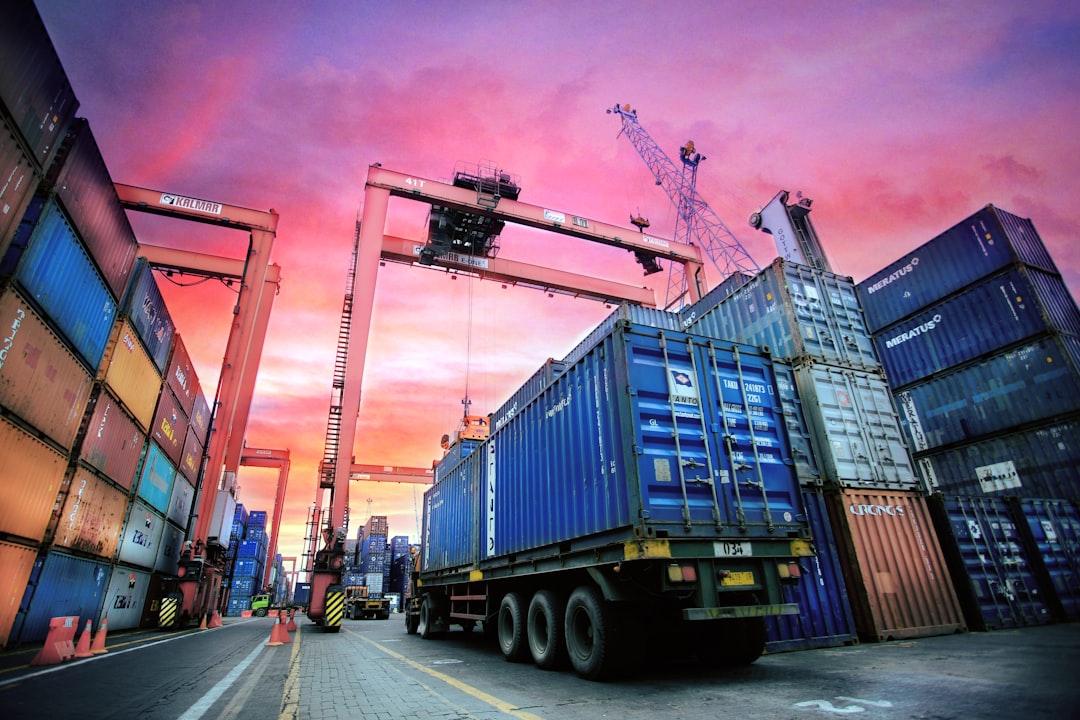
International trade finance serves as the backbone of global commerce, facilitating transactions between buyers and sellers across borders. It encompasses a range of financial products and services designed to support the movement of goods and services internationally. At its core, international trade finance addresses the inherent risks associated with cross-border transactions, such as payment delays, currency fluctuations, and political instability.
By providing the necessary financial tools, it enables businesses to engage in trade with confidence, ensuring that they can manage their cash flow effectively while minimizing potential losses. The fundamental principles of international trade finance revolve around the need for trust and security in transactions. Importers and exporters often operate in different legal jurisdictions, which can complicate payment processes and increase the risk of default.
To mitigate these risks, various financial instruments are employed, including letters of credit, bank guarantees, and trade credit insurance. These tools not only provide assurance to both parties involved in a transaction but also enhance the overall efficiency of international trade by streamlining payment processes and reducing the likelihood of disputes.
Key Takeaways
- Understanding and managing currency risks is crucial for successful international trade finance.
- Selecting appropriate payment methods and trade finance instruments like letters of credit ensures secure transactions.
- Building strong relationships with banks and navigating legal frameworks support smoother international trade operations.
- Leveraging export credit agencies, trade insurance, and alternative financing options helps mitigate risks.
- Implementing supply chain finance solutions and learning from case studies enhance cash flow and overcome trade finance challenges.
Choosing the Right Payment Methods for International Transactions
Selecting the appropriate payment method is crucial for businesses engaged in international trade. The choice of payment method can significantly impact cash flow, risk exposure, and overall transaction efficiency. Common payment methods include advance payment, letters of credit, documentary collections, and open account transactions.
Each method has its advantages and disadvantages, making it essential for businesses to assess their specific needs and risk tolerance before making a decision. For instance, advance payment offers maximum security for exporters but poses a significant risk for importers who must pay upfront without any guarantee of receiving the goods. Conversely, open account transactions are more favorable for importers as they allow for payment after goods have been received; however, this method places exporters at a higher risk of non-payment.
Letters of credit strike a balance between these extremes by providing a secure payment mechanism that protects both parties. By understanding the nuances of each payment method, businesses can make informed decisions that align with their operational goals and risk management strategies.
Managing Currency Risks in International Trade

Currency risk is an inherent aspect of international trade that can significantly affect profitability. Fluctuations in exchange rates can lead to unexpected costs or reduced revenues, making it essential for businesses to implement effective strategies for managing currency risks. One common approach is to use hedging techniques, such as forward contracts or options, which allow companies to lock in exchange rates for future transactions.
This can provide a level of certainty regarding costs and revenues, enabling businesses to plan their finances more effectively. In addition to hedging, businesses can also consider diversifying their currency exposure by conducting transactions in multiple currencies. This strategy can help mitigate the impact of adverse currency movements by spreading risk across different currencies.
Furthermore, maintaining a close relationship with financial institutions can provide access to valuable insights and tools for managing currency risks. By staying informed about market trends and utilizing available financial instruments, businesses can navigate the complexities of currency fluctuations and protect their bottom line.
Utilizing Trade Finance Instruments such as Letters of Credit and Bank Guarantees
Trade finance instruments play a pivotal role in facilitating international transactions by providing security and assurance to both buyers and sellers. Letters of credit (LCs) are among the most widely used instruments in international trade finance. They serve as a guarantee from a bank that payment will be made to the exporter upon presentation of specified documents that prove shipment of goods.
This instrument not only protects the exporter from non-payment but also assures the importer that payment will only be made once the agreed-upon conditions are met. Bank guarantees are another essential tool in international trade finance. They provide a promise from a bank to cover a loss if a party fails to fulfill its contractual obligations.
This instrument is particularly useful in situations where trust between trading partners is limited or when dealing with new markets. By utilizing these trade finance instruments, businesses can enhance their credibility in international markets while minimizing risks associated with cross-border transactions. The strategic use of LCs and bank guarantees can ultimately lead to smoother transactions and stronger business relationships.
Building Strong Relationships with International Banks and Financial Institutions
| Metric | Description | Typical Value / Range | Unit |
|---|---|---|---|
| Trade Finance Volume | Total value of trade finance transactions globally | 8 – 12 trillion | USD (trillions) |
| Letter of Credit (LC) Usage | Percentage of international trade transactions using LCs | 15% – 25% | Percent (%) |
| Average Processing Time | Time taken to process a trade finance transaction | 3 – 7 | Days |
| Default Rate | Percentage of trade finance transactions that default | 0.1% – 0.5% | Percent (%) |
| Trade Finance Gap | Estimated unmet demand for trade finance globally | 1.5 – 2.5 trillion | USD (trillions) |
| Bank Participation | Number of banks actively providing trade finance | 2000 – 3000 | Count |
| Supply Chain Finance Volume | Value of supply chain finance transactions | 1 – 2 trillion | USD (trillions) |
| Average Interest Rate | Average interest rate charged on trade finance products | 3% – 7% | Percent (%) |
Establishing robust relationships with international banks and financial institutions is vital for businesses engaged in global trade. These relationships can provide access to essential financial services, expert advice, and tailored solutions that meet specific trade finance needs. A strong partnership with a bank can facilitate smoother transactions by ensuring timely access to funds and reducing bureaucratic hurdles that often accompany international trade.
Moreover, banks often have extensive networks and local knowledge that can be invaluable when navigating foreign markets. By collaborating closely with financial institutions, businesses can gain insights into local regulations, market conditions, and potential risks associated with specific regions or countries. This information can be crucial for making informed decisions about entering new markets or expanding existing operations.
Ultimately, fostering strong relationships with banks not only enhances a company’s ability to manage trade finance effectively but also contributes to long-term success in international markets.
Navigating the Legal and Regulatory Framework of International Trade Finance

The legal and regulatory landscape governing international trade finance is complex and varies significantly from one jurisdiction to another. Businesses must navigate various laws, regulations, and compliance requirements that can impact their ability to conduct cross-border transactions effectively. Understanding these legal frameworks is essential for mitigating risks associated with non-compliance, which can lead to costly penalties or disruptions in trade.
To successfully navigate this landscape, companies should invest time in researching the legal requirements specific to their target markets. This may involve consulting legal experts or trade advisors who specialize in international trade law. Additionally, staying informed about changes in regulations—such as tariffs, trade agreements, and export controls—can help businesses adapt their strategies accordingly.
By proactively addressing legal and regulatory challenges, companies can minimize risks and ensure smoother operations in the global marketplace.
Leveraging Export Credit Agencies and Trade Insurance for Risk Mitigation
Export credit agencies (ECAs) play a crucial role in supporting international trade by providing financing solutions and insurance products designed to mitigate risks associated with exporting goods and services. These government-backed institutions offer various services, including direct loans, guarantees, and insurance against non-payment by foreign buyers. By leveraging ECA support, businesses can enhance their competitiveness in global markets while reducing exposure to potential losses.
Trade insurance is another valuable tool for managing risks in international trade. It protects exporters against non-payment due to commercial or political risks, such as insolvency or government actions that may hinder payment. By obtaining trade insurance coverage, companies can confidently pursue new markets without fearing significant financial setbacks from unforeseen circumstances.
Together with ECA support, trade insurance provides a comprehensive risk management strategy that enables businesses to expand their international operations while safeguarding their interests.
Exploring Alternative Financing Options for International Trade
In addition to traditional trade finance instruments, businesses should explore alternative financing options that may better suit their unique needs. These alternatives include supply chain financing, factoring, and peer-to-peer lending platforms that have emerged as viable solutions for companies seeking flexible financing arrangements. Supply chain financing allows businesses to optimize cash flow by enabling suppliers to receive early payments while extending payment terms for buyers.
Factoring involves selling accounts receivable to a third party at a discount in exchange for immediate cash flow. This option can be particularly beneficial for exporters facing long payment cycles from foreign buyers. Peer-to-peer lending platforms offer an innovative approach by connecting borrowers directly with individual investors willing to fund their trade transactions.
By diversifying financing sources through these alternative options, businesses can enhance liquidity and maintain operational flexibility in an increasingly competitive global market.
Implementing Supply Chain Finance Solutions for Improved Cash Flow
Supply chain finance (SCF) solutions have gained traction as effective tools for improving cash flow management in international trade. SCF involves collaboration between buyers and suppliers to optimize working capital throughout the supply chain. By leveraging technology platforms that facilitate early payments to suppliers while allowing buyers to extend payment terms without negatively impacting supplier relationships, companies can achieve significant improvements in cash flow.
Implementing SCF solutions not only enhances liquidity but also strengthens supplier relationships by providing them with timely access to funds.
Additionally, improved cash flow allows businesses to invest in growth opportunities or respond more effectively to market fluctuations.
As global supply chains become increasingly complex, adopting SCF solutions will be essential for companies seeking to maintain competitiveness in international markets.
Overcoming Challenges in International Trade Finance: Case Studies and Best Practices
International trade finance presents numerous challenges that businesses must navigate effectively to succeed in global markets. Case studies highlighting successful strategies employed by companies facing these challenges can provide valuable insights into best practices for overcoming obstacles in trade finance. For instance, a company that faced significant delays in payments from foreign buyers implemented a robust credit assessment process before entering new markets.
By thoroughly vetting potential customers’ creditworthiness, they were able to minimize the risk of non-payment while expanding their customer base. Another example involves a business that encountered difficulties due to fluctuating exchange rates impacting profitability on international contracts. To address this challenge, they adopted a proactive hedging strategy using forward contracts to lock in favorable exchange rates for future transactions.
This approach not only protected their margins but also provided greater predictability in financial planning. By learning from these case studies and implementing best practices tailored to their unique circumstances, companies can effectively navigate challenges in international trade finance.
Developing a Comprehensive International Trade Finance Strategy for Long-Term Success
A well-defined international trade finance strategy is essential for businesses aiming for long-term success in global markets. Such a strategy should encompass various elements, including risk management approaches, financing options, payment methods, and relationship-building initiatives with financial institutions. By taking a holistic view of their trade finance needs and aligning them with overall business objectives, companies can create a roadmap for sustainable growth.
Regularly reviewing and updating the trade finance strategy is equally important as market conditions evolve and new challenges arise. Companies should remain agile and responsive to changes in regulations, economic trends, and customer preferences while continuously seeking opportunities for improvement within their operations. By fostering a culture of innovation and adaptability within their organizations, businesses can position themselves for success in an increasingly interconnected world of international trade finance.
In conclusion, navigating the complexities of international trade finance requires a multifaceted approach that encompasses understanding fundamental principles, selecting appropriate payment methods, managing currency risks, utilizing financial instruments effectively, building strong relationships with banks, complying with legal frameworks, leveraging export credit agencies and insurance products, exploring alternative financing options, implementing supply chain finance solutions, overcoming challenges through best practices, and developing comprehensive strategies for long-term success. By addressing these critical areas thoughtfully and strategically, businesses can thrive in the dynamic landscape of global commerce.
International trade finance plays a crucial role in facilitating global commerce by providing the necessary funding and risk management tools for businesses engaged in cross-border transactions. For a deeper understanding of the complexities involved in this field, you can explore the article on trade finance strategies available at Real Lore and Order. This resource offers valuable insights into the mechanisms that support international trade and the financial instruments that help mitigate risks associated with it.
FAQs
What is international trade finance?
International trade finance refers to the various financial instruments and products that facilitate international trade and commerce. It helps importers and exporters manage the risks and complexities involved in cross-border transactions.
Why is international trade finance important?
International trade finance is important because it provides the necessary funding and risk mitigation tools that enable businesses to engage in global trade. It helps ensure payment security, improves cash flow, and reduces the risks associated with currency fluctuations and political instability.
What are common instruments used in international trade finance?
Common instruments include letters of credit, trade credit insurance, export factoring, forfaiting, bank guarantees, and documentary collections. These tools help manage payment risks and provide financing options for both exporters and importers.
How does a letter of credit work in international trade finance?
A letter of credit is a guarantee from a bank that a buyer’s payment to a seller will be received on time and for the correct amount. If the buyer fails to pay, the bank covers the payment, reducing the seller’s risk.
What role do banks play in international trade finance?
Banks act as intermediaries by providing financing, issuing letters of credit, offering guarantees, and facilitating payments. They help reduce risks and provide liquidity to businesses engaged in international trade.
What risks are involved in international trade finance?
Risks include credit risk, currency risk, political risk, and documentation risk. Trade finance instruments are designed to mitigate these risks and ensure smooth transactions.
Who can benefit from international trade finance?
Exporters, importers, financial institutions, and governments can benefit from trade finance by gaining access to capital, reducing payment risks, and facilitating smoother international transactions.
How does currency fluctuation affect international trade finance?
Currency fluctuations can impact the value of payments and costs in international trade. Trade finance solutions often include hedging options to protect against adverse currency movements.
What is the difference between export factoring and forfaiting?
Export factoring involves selling accounts receivable to a factor at a discount to improve cash flow, while forfaiting is the purchase of medium to long-term receivables without recourse, typically used for capital goods and large transactions.
Can small businesses access international trade finance?
Yes, many financial institutions offer trade finance products tailored for small and medium-sized enterprises (SMEs) to help them participate in global trade with reduced risk and improved cash flow.