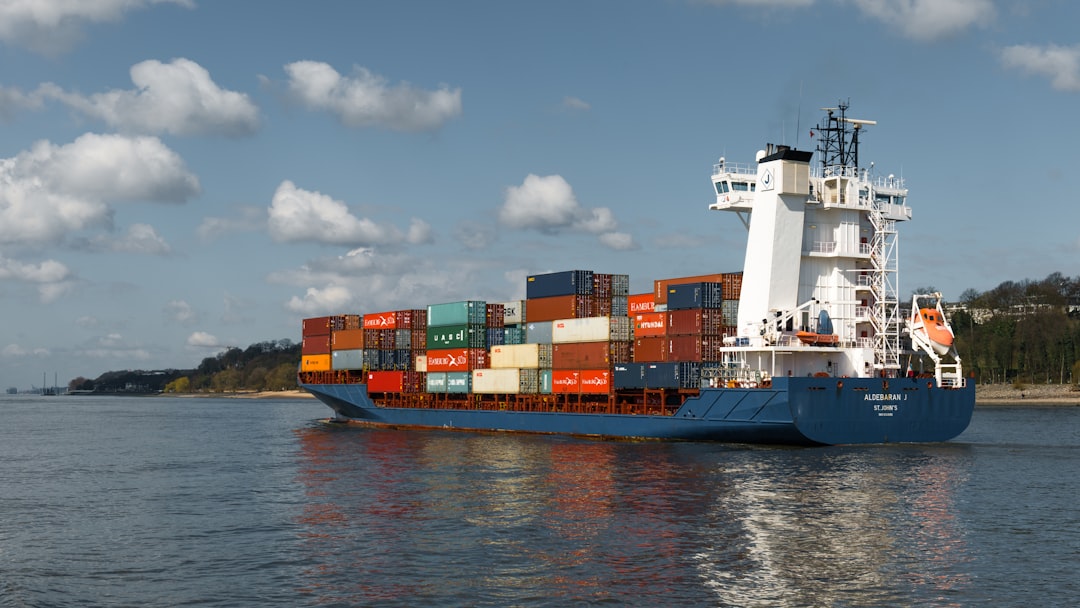
Maritime pilots are essential specialists who navigate ships through congested ports and challenging waterways. Their expertise in local conditions directly affects port efficiency and shipping schedules.
Pilot shortages create measurable economic consequences. Vessels unable to dock or depart on schedule accumulate in port queues, increasing congestion. Ships waiting at anchor consume additional fuel, raising operational expenses.
Delayed deliveries result in missed contractual deadlines and strained business relationships. Supply chain disruptions from port delays extend beyond shipping companies to affect retailers and consumers through higher costs and delayed product availability. The shortage of qualified pilots stems from multiple factors, including aging workforces, lengthy training requirements, and limited recruitment.
Addressing pilot availability requires coordinated efforts among port authorities, shipping companies, and maritime training institutions to ensure adequate staffing levels and maintain efficient port operations.
Key Takeaways
- Pilot availability is a critical factor influencing shipping bottlenecks and port efficiency.
- Technology and data analytics play a key role in optimizing pilot scheduling and predicting availability.
- Collaboration with port authorities and effective communication with pilots are essential for managing constraints.
- Investing in pilot training and exploring regulatory reforms can enhance pilot availability long-term.
- Alternative shipping routes and strategic planning help mitigate delays caused by pilot shortages.
Factors Affecting Pilot Availability in Shipping Ports
Several factors contribute to the availability of pilots in shipping ports, each with its own implications for maritime operations. One significant factor is the aging workforce within the pilot community. Many experienced pilots are nearing retirement age, and there may not be enough new entrants to replace them.
This demographic shift can lead to a shortage of qualified pilots, particularly in regions where training programs are not robust or accessible. As a result, ports may struggle to maintain adequate pilot staffing levels, leading to increased wait times for vessels. Another critical factor influencing pilot availability is the regulatory environment governing pilotage.
Different regions have varying requirements for pilot certification and licensing, which can create barriers for new pilots entering the profession. Additionally, the demand for pilots can fluctuate based on seasonal shipping patterns and economic conditions. During peak shipping seasons, ports may experience a surge in vessel traffic, further straining pilot resources.
Understanding these factors is essential for port authorities and shipping companies as they work to address pilot availability challenges. The treacherous waters of the Drake Passage are known for their unpredictable weather and challenging navigation.
Strategies for Managing Pilot Availability Constraints
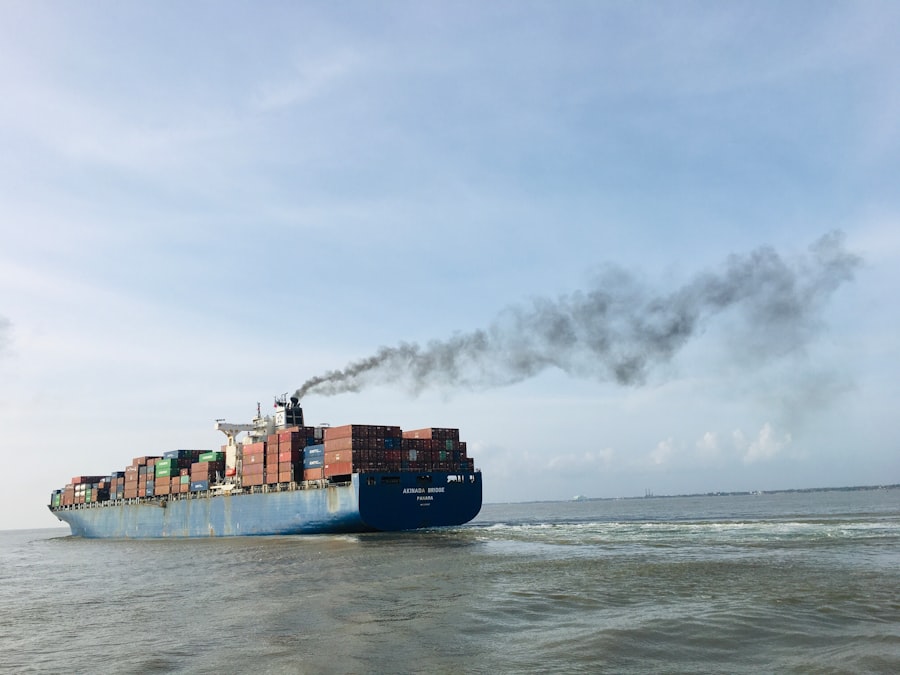
To effectively manage pilot availability constraints, port authorities and shipping companies must adopt a multifaceted approach that addresses both immediate needs and long-term sustainability. One strategy involves enhancing recruitment efforts to attract new pilots into the profession. This could include partnerships with maritime academies and universities to create internship programs that provide aspiring pilots with hands-on experience and mentorship opportunities.
By fostering a new generation of pilots, ports can help ensure a steady supply of qualified personnel. In addition to recruitment, improving retention rates among existing pilots is equally important. This can be achieved by offering competitive compensation packages, professional development opportunities, and a supportive work environment.
By investing in the well-being and career growth of pilots, ports can reduce turnover rates and maintain a more stable workforce. Furthermore, implementing flexible scheduling practices can help accommodate the varying demands of shipping traffic while ensuring that pilots are available when needed.
The Role of Technology in Improving Pilot Scheduling and Availability
Technology has the potential to revolutionize how pilot scheduling and availability are managed in shipping ports. Advanced software solutions can streamline the scheduling process by providing real-time data on vessel arrivals and departures, allowing for more efficient allocation of pilot resources. By utilizing predictive analytics, port authorities can anticipate peak traffic periods and adjust pilot schedules accordingly, minimizing wait times for vessels.
Moreover, technology can facilitate better communication between pilots and shipping companies. Digital platforms can enable real-time updates on pilot availability, allowing shipping companies to plan their operations more effectively. Additionally, remote monitoring systems can enhance situational awareness for pilots as they navigate vessels through challenging waters.
By leveraging technology in these ways, ports can improve overall efficiency and reduce the impact of pilot availability constraints on shipping operations.
Collaborating with Port Authorities to Address Pilot Availability Challenges
| Metric | Value | Unit | Notes |
|---|---|---|---|
| Pilot Availability Rate | 78 | Percent | Percentage of pilots available for scheduled shipments |
| Average Delay Due to Pilot Shortage | 3.5 | Hours | Average shipment delay caused by insufficient pilot availability |
| Number of Pilots on Duty | 120 | Count | Number of pilots available per shift |
| Shipment Backlog | 45 | Shipments | Number of shipments delayed due to pilot bottlenecks |
| Average Pilot Shift Length | 9 | Hours | Average working hours per pilot per shift |
| Pilot Turnover Rate | 12 | Percent | Annual percentage of pilots leaving the company |
Collaboration between shipping companies and port authorities is essential for addressing pilot availability challenges effectively. By working together, stakeholders can identify common goals and develop strategies that benefit both parties. Regular meetings and open lines of communication can foster a collaborative environment where concerns about pilot shortages are openly discussed and addressed.
One approach to collaboration is the establishment of joint task forces that focus specifically on pilot availability issues. These task forces can analyze data on vessel traffic patterns, pilot utilization rates, and other relevant metrics to identify trends and develop actionable solutions. Additionally, engaging with local communities and stakeholders can help raise awareness about the importance of pilot services and encourage support for initiatives aimed at enhancing pilot availability.
Utilizing Alternative Shipping Routes to Mitigate Pilot Availability Issues

In situations where pilot availability is particularly constrained, exploring alternative shipping routes may provide a viable solution for mitigating delays. By identifying less congested ports or alternative pathways that do not require pilotage, shipping companies can bypass bottlenecks caused by pilot shortages. This approach not only alleviates pressure on busy ports but also allows vessels to maintain their schedules more effectively.
However, utilizing alternative routes requires careful planning and consideration of various factors, including navigational safety and regulatory compliance. Shipping companies must conduct thorough assessments of potential alternative routes to ensure they are viable options for their vessels. Additionally, collaboration with local authorities along these routes is essential to ensure that all necessary permits and approvals are obtained.
Leveraging Data and Analytics to Predict and Plan for Pilot Availability
Data analytics plays a pivotal role in enhancing the predictability of pilot availability in shipping ports. By collecting and analyzing historical data on vessel traffic patterns, weather conditions, and pilot utilization rates, port authorities can gain valuable insights into when demand for pilots is likely to peak. This information enables proactive planning and resource allocation, reducing the likelihood of bottlenecks caused by pilot shortages.
Furthermore, predictive modeling techniques can be employed to forecast future trends in pilot availability based on various scenarios. For instance, if a port anticipates an increase in shipping activity due to seasonal demand or economic growth, it can take preemptive measures to ensure that sufficient pilots are available during those periods. By leveraging data-driven insights, ports can enhance their operational efficiency and better manage the challenges associated with pilot availability.
Best Practices for Communicating and Coordinating with Pilots and Shipping Vessels
Effective communication and coordination between pilots and shipping vessels are critical for minimizing delays related to pilot availability. Establishing clear protocols for communication can help ensure that all parties are informed about scheduling changes or potential delays well in advance. Utilizing digital communication platforms can facilitate real-time updates and enhance collaboration between pilots and vessel crews.
Additionally, regular training sessions focused on communication best practices can help bridge any gaps between pilots and shipping companies. These sessions can cover topics such as emergency protocols, navigational challenges, and expectations regarding timing and coordination during vessel arrivals and departures. By fostering a culture of open communication, stakeholders can work together more effectively to navigate the complexities associated with pilot availability.
Investing in Training and Development for Pilots to Increase Availability
Investing in training and development programs for pilots is essential for increasing their availability in the long term. Comprehensive training initiatives not only equip new pilots with the necessary skills but also provide ongoing professional development opportunities for experienced pilots. This commitment to continuous learning ensures that pilots remain up-to-date with industry best practices and technological advancements.
Moreover, mentorship programs that pair seasoned pilots with newcomers can facilitate knowledge transfer and enhance the overall competency of the pilot workforce. By creating a supportive learning environment, ports can cultivate a strong pipeline of qualified pilots who are prepared to meet the demands of an evolving maritime industry. Ultimately, investing in training contributes to greater pilot availability and improved operational efficiency within shipping ports.
Exploring Legislative and Regulatory Solutions to Improve Pilot Availability
Addressing pilot availability challenges may also require legislative and regulatory solutions at both local and national levels. Policymakers can play a vital role in creating an environment that supports the recruitment and retention of pilots by streamlining certification processes or providing incentives for individuals pursuing careers in piloting. Additionally, regulations that promote flexible work arrangements or support pilot training initiatives can help alleviate shortages.
Engaging with industry stakeholders during the legislative process is crucial for ensuring that proposed solutions align with the needs of both pilots and shipping companies.
Case Studies of Successful Navigation of Pilot Availability Challenges in Shipping Bottlenecks
Examining case studies of ports that have successfully navigated pilot availability challenges provides valuable insights into effective strategies that can be replicated elsewhere. For instance, one major port implemented a comprehensive recruitment campaign targeting local maritime schools, resulting in a significant increase in new pilot trainees over a two-year period. This initiative not only addressed immediate staffing shortages but also fostered community engagement with the maritime industry.
Another port adopted advanced scheduling software that integrated real-time data on vessel traffic with pilot availability metrics. This system allowed port authorities to optimize scheduling practices significantly, reducing wait times for vessels by over 30%. By sharing these success stories within the industry, other ports facing similar challenges can learn from these experiences and implement tailored solutions that address their unique circumstances.
In conclusion, addressing pilot availability challenges is essential for mitigating shipping bottlenecks in busy ports around the world. By understanding the factors affecting pilot availability, implementing effective management strategies, leveraging technology, collaborating with stakeholders, exploring alternative routes, utilizing data analytics, fostering communication best practices, investing in training programs, advocating for legislative solutions, and learning from successful case studies, stakeholders in the maritime industry can work together to enhance operational efficiency and ensure smooth sailing amidst growing demands on global shipping networks.
The ongoing pilot availability issues have significantly contributed to shipping bottlenecks, impacting supply chains across various industries. For a deeper understanding of how these challenges are interlinked, you can read more in this related article on the topic. Check it out here: Pilot Availability and Shipping Bottlenecks.
WATCH THIS! 🚢 The Red Sea is burning. Panama is drying up. And the Drake Passage
FAQs
What are pilot availability shipping bottlenecks?
Pilot availability shipping bottlenecks occur when there are not enough qualified maritime pilots available to guide ships through ports or difficult waterways, causing delays in vessel movements and disruptions in the shipping supply chain.
Why is pilot availability important in shipping?
Maritime pilots possess specialized knowledge of local waterways and are essential for safely navigating ships into and out of ports. Their availability ensures timely vessel arrivals and departures, which is critical for maintaining efficient shipping operations.
What causes pilot availability bottlenecks?
Several factors can cause pilot availability bottlenecks, including a shortage of trained pilots, increased shipping traffic, regulatory restrictions, health and safety protocols, and unexpected events such as strikes or pandemics.
How do pilot availability bottlenecks affect global shipping?
These bottlenecks can lead to vessel delays, increased waiting times at ports, higher shipping costs, and disruptions in supply chains, ultimately impacting the timely delivery of goods worldwide.
What measures are being taken to address pilot availability issues?
Measures include increasing pilot training programs, adopting technology to improve scheduling and communication, implementing flexible work arrangements, and enhancing coordination between port authorities and shipping companies.
Can technology help alleviate pilot availability bottlenecks?
Yes, technologies such as digital scheduling systems, real-time tracking, and remote pilotage using advanced navigation tools can improve efficiency and reduce dependency on physical pilot presence, helping to mitigate bottlenecks.
Are pilot availability bottlenecks a temporary or long-term issue?
While some bottlenecks may be temporary due to specific events, ongoing challenges like pilot shortages and increasing maritime traffic suggest that pilot availability will remain a critical issue requiring continuous management and innovation.
How can shipping companies prepare for pilot availability bottlenecks?
Shipping companies can plan for potential delays by adjusting schedules, coordinating closely with port authorities, investing in technology, and diversifying routes to minimize the impact of pilot shortages on their operations.