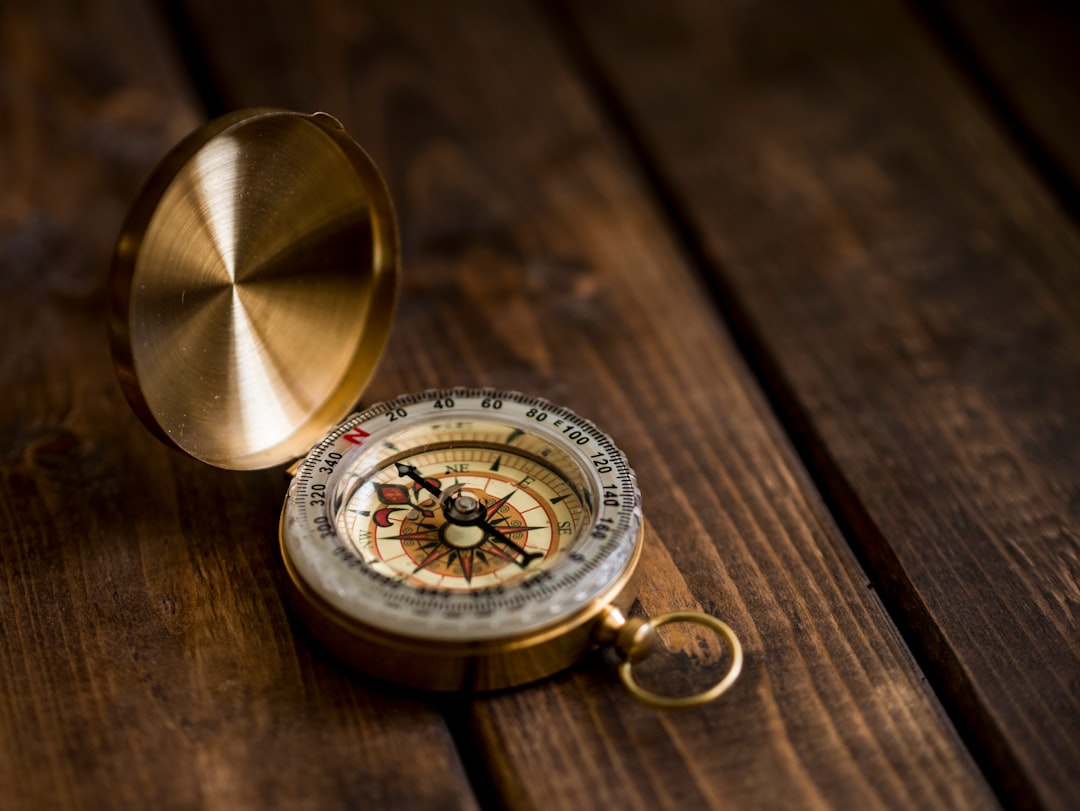
Soundings and shoals are fundamental concepts in the realm of maritime navigation, serving as critical indicators of water depth and potential hazards. Soundings refer to the measurements of water depth at specific locations, typically expressed in feet or meters. These measurements are essential for mariners to ascertain whether their vessels can safely navigate through particular areas.
Shoals, on the other hand, are shallow regions of water that can pose significant risks to vessels, especially those with deeper drafts. Understanding these terms is crucial for anyone involved in maritime activities, from recreational boating to commercial shipping. The significance of soundings and shoals extends beyond mere navigation; they are vital for ensuring the safety of both vessels and their crews.
Mariners must be aware of the depth of the water beneath them to avoid grounding, which can lead to catastrophic consequences. Additionally, shoals can change due to natural processes such as sedimentation or erosion, making it imperative for navigators to stay informed about the latest conditions. By comprehending the dynamics of soundings and shoals, mariners can make informed decisions that enhance their safety and efficiency on the water.
Key Takeaways
- Soundings and shoals are critical for identifying underwater depths and hazards on nautical charts.
- Accurate interpretation of depth soundings helps prevent grounding and ensures safe navigation.
- Shoal waters indicate shallow areas that pose risks and require careful maneuvering.
- Tidal changes significantly affect depth readings and must be considered when planning routes.
- Regularly updating charts and consulting local experts enhance safety in navigating challenging waters.
Identifying Soundings and Shoals on Nautical Charts
Nautical charts serve as the primary tools for identifying soundings and shoals, providing mariners with detailed information about water depths and underwater features. These charts are meticulously created using a combination of hydrographic surveys and satellite data, ensuring accuracy in representing the marine environment. Soundings are typically marked with numbers indicating depth, while shoals are often highlighted with specific symbols or shading to denote shallow areas.
Understanding how to read these charts is essential for effective navigation. Mariners must familiarize themselves with the various symbols and notations used on nautical charts to identify soundings and shoals accurately. For instance, soundings may be represented in different colors or formats depending on the chart’s scale and purpose.
Shoal areas might be indicated with cautionary symbols, alerting navigators to potential dangers. By developing a keen eye for these details, mariners can better assess their surroundings and make informed decisions about their routes. Additionally, modern electronic charting systems have enhanced the ability to visualize soundings and shoals, providing real-time data that can significantly improve navigation safety.
Using Depth Soundings to Navigate Safely
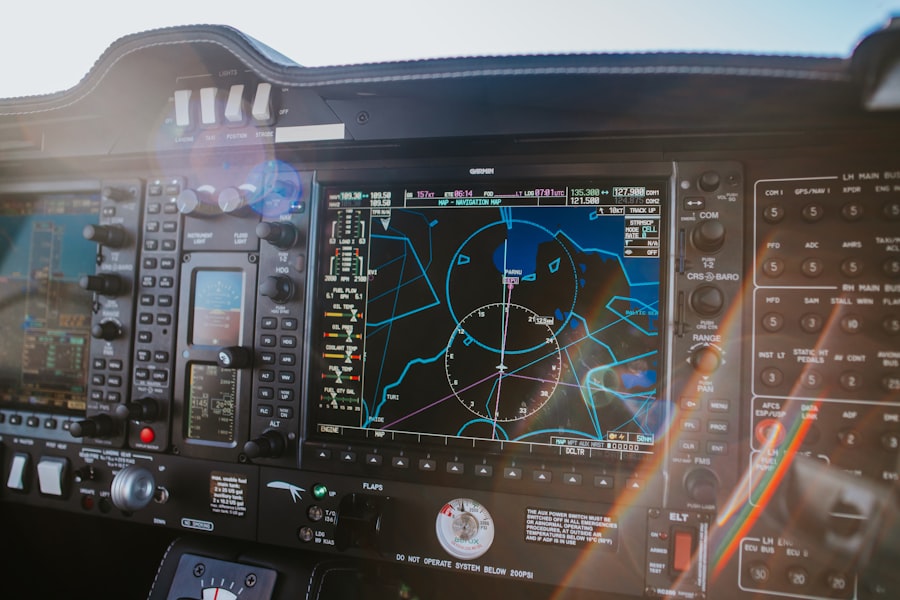
Depth soundings play a pivotal role in safe navigation, allowing mariners to determine whether their vessels can safely traverse specific waterways. By regularly consulting soundings on nautical charts, navigators can identify safe passages and avoid areas where the water is too shallow for their vessel’s draft. This practice is particularly important in coastal regions and estuaries, where water depths can fluctuate dramatically due to tides and weather conditions.
In addition to consulting charts, mariners often employ depth sounders or echo sounders onboard their vessels to obtain real-time depth readings. These devices use sonar technology to measure the distance from the water’s surface to the seabed, providing immediate feedback on water depth. By combining this real-time data with information from nautical charts, navigators can make informed decisions about their course and speed, ensuring they remain in safe waters.
This proactive approach to navigation not only enhances safety but also contributes to more efficient passage planning.
Recognizing Shoal Water and Potential Hazards
Recognizing shoal water is a critical skill for mariners, as it directly impacts their ability to navigate safely. Shoal water is characterized by depths that are shallower than what is safe for a vessel’s draft, often leading to grounding or collisions with submerged obstacles. Mariners must be vigilant in identifying signs of shoal water, which may include changes in water color, wave patterns, or the presence of seabirds feeding in shallow areas.
These visual cues can provide valuable information about potential hazards lurking beneath the surface. In addition to visual observations, mariners should also be aware of local knowledge regarding shoal areas. Many regions have well-documented shoal locations that are shared among local boaters and fishermen.
Engaging with local communities or consulting guides can provide insights into areas that may not be clearly marked on nautical charts. By combining visual recognition with local knowledge, mariners can enhance their situational awareness and reduce the risk of encountering shoal water unexpectedly.
Avoiding Grounding and Running Aground
| Metric | Description | Typical Values | Unit |
|---|---|---|---|
| Sounding Depth | Measured depth of water from the water surface to the seabed | 0.5 – 100+ (varies by location) | meters |
| Shoal Area | Region of shallow water that may pose a hazard to navigation | Varies widely, typically 10 – 5000 | square meters |
| Safe Navigation Depth | Minimum depth required for safe passage of a vessel | 2 – 15 | meters |
| Sounding Interval | Distance between consecutive depth measurements | 10 – 100 | meters |
| Chart Datum | Reference level to which depths are reduced (usually Lowest Astronomical Tide) | N/A | N/A |
| Visibility Range | Distance at which shoals or soundings can be visually identified | 1 – 5 | nautical miles |
| Sounding Accuracy | Precision of depth measurement instruments (e.g., echo sounders) | ±0.1 – ±0.5 | meters |
Grounding is one of the most significant risks faced by mariners navigating shallow waters. When a vessel runs aground, it can suffer severe damage, leading to costly repairs and potential environmental hazards. To avoid grounding, mariners must maintain a constant awareness of their vessel’s draft in relation to the water depth indicated by soundings.
This requires careful planning and execution of navigation strategies, particularly when approaching known shallow areas. One effective strategy for avoiding grounding is to establish a safety margin when navigating near shoals or shallow waters. Mariners should always aim to keep a buffer between their vessel’s draft and the reported depth of the water.
This margin allows for unexpected changes in water levels due to tides or weather conditions. Additionally, using tools such as tide tables and current predictions can help mariners anticipate changes in water depth and adjust their routes accordingly. By adopting a proactive approach to navigation, mariners can significantly reduce the likelihood of grounding incidents.
Navigating Through Shallow Waters
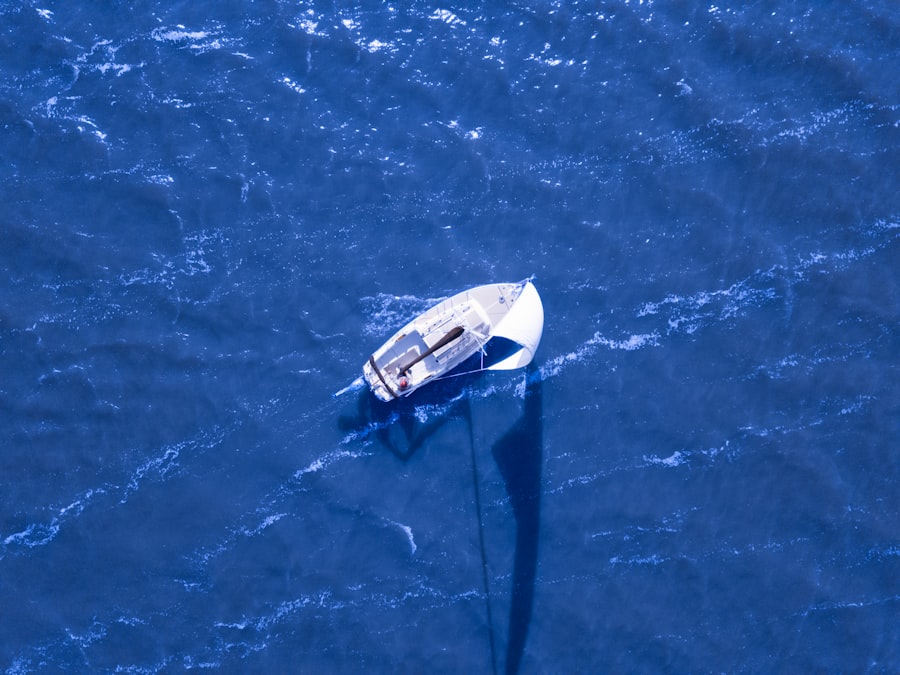
Navigating through shallow waters requires a combination of skill, knowledge, and caution. Mariners must be adept at interpreting soundings while also being aware of environmental factors that may affect water depth. For instance, tidal fluctuations can dramatically alter the depth of shallow areas, making it essential for navigators to consult tide tables before embarking on their journey.
Understanding how tides interact with local geography can provide valuable insights into safe navigation practices. In addition to tidal considerations, mariners should also be mindful of weather conditions that may impact shallow water navigation. Heavy rainfall or storms can lead to changes in sedimentation patterns, potentially creating new shoals or altering existing ones.
By staying informed about weather forecasts and local conditions, mariners can make better decisions regarding their routes through shallow waters. Furthermore, employing slow speeds when navigating these areas allows for greater maneuverability and reaction time should unexpected hazards arise.
Using Soundings and Shoals to Determine Safe Anchorage
Determining safe anchorage is a crucial aspect of maritime navigation that relies heavily on understanding soundings and shoals. Mariners must assess potential anchorage sites by evaluating water depth and proximity to known shoal areas. A safe anchorage should provide sufficient depth for the vessel’s draft while also being free from underwater obstacles that could pose risks during mooring or at anchor.
When selecting an anchorage location, mariners should also consider factors such as wind direction, current flow, and protection from waves. These elements can significantly influence a vessel’s stability while at anchor.
Tips for Navigating Soundings and Shoals in Poor Visibility
Navigating soundings and shoals in poor visibility presents unique challenges for mariners. Fog, rain, or nighttime conditions can obscure visual cues that are essential for safe navigation. In such situations, relying on electronic navigation aids becomes paramount.
GPS systems and radar technology can provide critical information about a vessel’s position relative to known soundings and shoals, allowing navigators to make informed decisions even when visibility is compromised. Additionally, maintaining a slow speed during periods of poor visibility is advisable. This approach allows for greater reaction time should unexpected hazards arise.
Mariners should also utilize sound signals to communicate their presence to other vessels in the area, enhancing safety during low-visibility conditions. By combining technology with prudent navigation practices, mariners can effectively navigate challenging environments while minimizing risks associated with soundings and shoals.
Understanding Tidal Effects on Soundings and Shoals
Tides play a significant role in shaping the characteristics of soundings and shoals in coastal waters. The gravitational pull of the moon and sun causes periodic changes in sea level, resulting in high and low tides that can dramatically affect water depth in shallow areas. Mariners must understand how these tidal effects influence their navigation plans, particularly when traversing regions known for variable depths.
To navigate effectively during tidal changes, mariners should consult tide tables that provide information about expected tidal heights at specific times and locations. By aligning their travel schedules with favorable tides—such as planning passages during high tide—mariners can reduce the risk of encountering unexpected shoal conditions. Additionally, understanding how tides interact with local geography can help navigators anticipate potential hazards associated with shifting water levels.
Seeking Local Knowledge and Expert Advice
Local knowledge is an invaluable resource for mariners navigating unfamiliar waters characterized by soundings and shoals. Engaging with local boaters, fishermen, or harbor masters can provide insights into specific areas that may not be adequately represented on nautical charts. These individuals often possess firsthand experience regarding changing conditions, seasonal variations in shoal locations, and other critical information that can enhance safety during navigation.
In addition to informal conversations with local experts, mariners should consider participating in local boating organizations or forums where knowledge sharing occurs regularly. These communities often provide valuable resources such as updated charts or reports on recent changes in underwater topography due to storms or sedimentation processes. By tapping into local expertise, mariners can significantly improve their situational awareness and decision-making capabilities while navigating challenging waters.
Importance of Regularly Updating Nautical Charts and Soundings Data
The importance of regularly updating nautical charts and soundings data cannot be overstated in maritime navigation. The marine environment is dynamic; changes occur frequently due to natural processes such as erosion, sediment deposition, or human activities like dredging or construction projects. As a result, relying on outdated charts can lead to dangerous situations where mariners may encounter uncharted shoals or altered depths.
To ensure safe navigation practices, mariners should make it a habit to check for updates from relevant authorities before embarking on any journey. Many countries maintain hydrographic offices that provide updated nautical charts reflecting recent surveys and changes in underwater topography. Additionally, electronic chart systems often include features that automatically update data based on user inputs or official notices from maritime authorities.
In conclusion, understanding soundings and shoals is essential for safe maritime navigation. By familiarizing themselves with nautical charts, utilizing technology effectively, seeking local knowledge, and staying informed about tidal effects and environmental changes, mariners can enhance their ability to navigate safely through challenging waters while avoiding potential hazards associated with shallow depths.
Navigating through soundings and shoals is crucial for safe maritime travel, as it helps mariners avoid shallow areas that could pose a risk to vessels. For a deeper understanding of the principles and practices involved in navigation, you can explore the article on maritime navigation techniques available at Real Lore and Order. This resource provides valuable insights into the importance of soundings and shoals in ensuring safe passage through various waterways.
WATCH THIS! 🗺️ The Map That Proves Humans Explored Earth 5,000 Years Too Early
FAQs
What are soundings in navigation?
Soundings refer to the measurement of the depth of water beneath a vessel. They are used by mariners to determine the water depth to avoid running aground and to navigate safely through shallow waters.
What are shoals in the context of navigation?
Shoals are naturally occurring shallow areas in bodies of water, often composed of sand, mud, or rocks. They can pose hazards to navigation because they reduce water depth and may not always be visible from the surface.
How are soundings measured?
Soundings can be measured using traditional methods such as a lead line, which is a weighted rope marked at intervals, or with modern electronic devices like echo sounders and sonar systems that use sound waves to determine water depth.
Why is it important to be aware of shoals when navigating?
Being aware of shoals is crucial because they can cause vessels to run aground, leading to damage, delays, or accidents. Navigators use charts and depth measurements to avoid these hazards and ensure safe passage.
How do nautical charts represent soundings and shoals?
Nautical charts display soundings as numbers indicating water depth at specific points, usually in meters or feet. Shoals are often marked with symbols or shading to highlight shallow areas and potential hazards.
Can soundings change over time?
Yes, soundings can change due to natural processes such as sediment deposition, erosion, tides, and storms. Regular updates to nautical charts and surveys are necessary to provide accurate depth information.
What tools assist mariners in navigating around shoals?
Mariners use a combination of nautical charts, GPS, depth sounders, radar, and sometimes local knowledge or pilotage to safely navigate around shoals and other underwater hazards.
Are soundings and shoals relevant only in coastal areas?
While soundings and shoals are most commonly associated with coastal and shallow waters, they can also be relevant in rivers, lakes, and other inland waterways where depth variations affect navigation.
How do tides affect soundings?
Tides cause water levels to rise and fall, which affects the depth measured by soundings. Mariners must consider tidal information to interpret soundings accurately and avoid shallow areas during low tide.
What safety precautions should be taken when navigating near shoals?
Safety precautions include consulting up-to-date charts, using depth sounders, maintaining a safe speed, keeping a proper lookout, and understanding local tidal conditions to minimize the risk of grounding.