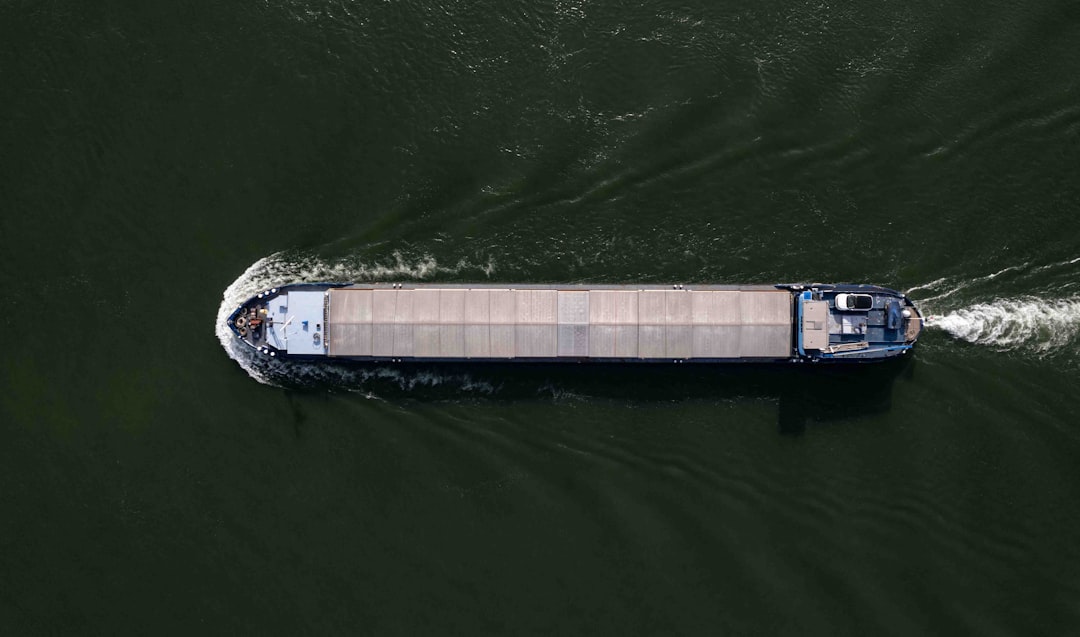
The Cape of Good Hope is a prominent landmark at the southern tip of Africa that has attracted explorers, sailors, and tourists for centuries. The site features dramatic cliffs, diverse wildlife, and panoramic views. Beyond its scenic appeal, the Cape holds significant historical and geographical importance.
It marks the natural boundary between the Atlantic and Indian Oceans and serves as a critical reference point for maritime navigation. Its rugged terrain and ecological diversity have made it economically and strategically important for global shipping routes. The Cape of Good Hope represents more than a scenic destination.
It is a meeting point of different cultures, historical periods, and natural ecosystems. The surrounding area contains the Cape Floral Region, designated as a UNESCO World Heritage Site. This region contains numerous plant species that are endemic to the area and found nowhere else in the world.
The Cape’s distinctive geography and climate support a wide variety of plant and animal life, making it an important location for biodiversity conservation. The Cape of Good Hope exemplifies the relationship between natural environments and human activity, combining ecological significance with historical and economic importance.
Key Takeaways
- The Cape of Good Hope has been historically crucial as a key maritime route connecting the Atlantic and Indian Oceans.
- Navigating the Cape presents significant challenges due to rough seas and unpredictable weather conditions.
- Modern navigation technologies have improved safety and efficiency for ships passing the Cape.
- The Cape plays a vital role in global trade and maritime security, impacting economic activities worldwide.
- Environmental and cultural considerations are increasingly important in managing the Cape’s future development.
Historical significance of the Cape of Good Hope
The historical significance of the Cape of Good Hope cannot be overstated. It was first discovered by European explorers in the late 15th century, with Portuguese navigator Bartolomeu Dias being the first to round the Cape in 1488. This monumental achievement opened up new maritime routes to the East, paving the way for an age of exploration that would forever alter global trade dynamics.
The Cape soon became a critical stopover for ships traveling between Europe and Asia, serving as a replenishment station for fresh water and provisions. This strategic importance led to its eventual colonization by the Dutch in the 17th century, marking the beginning of a complex colonial history that would shape the region for centuries. The Cape’s role as a waypoint in maritime navigation also had profound implications for cultural exchange.
As ships from various nations docked at the Cape, they brought with them diverse customs, languages, and traditions. This melting pot of cultures contributed to the rich social fabric of the region, influencing everything from cuisine to language. However, this history is not without its darker chapters; the colonization process led to significant displacement and suffering among indigenous populations.
The legacy of these historical events continues to resonate today, as South Africa grapples with its past while striving for a more equitable future. The treacherous waters of the Drake Passage are known for their unpredictable weather and challenging navigation.
Importance of the Cape of Good Hope as a shipping route

The Cape of Good Hope has long been recognized as one of the most vital shipping routes in the world. Its geographical position allows vessels to navigate between two major oceans, facilitating international trade on an unprecedented scale. The route serves as a shortcut for ships traveling from Europe to Asia, significantly reducing travel time compared to alternative paths around Africa.
This strategic advantage has made the Cape an essential hub for global commerce, with countless cargo ships passing through its waters each year. Moreover, the Cape’s significance extends beyond mere logistics; it is also a key player in global supply chains. Major shipping companies rely on this route to transport goods ranging from raw materials to finished products.
The economic implications are vast, as ports along the Cape serve as critical points for loading and unloading cargo. The bustling activity at these ports not only supports local economies but also contributes to international trade networks that connect nations across continents. As such, the Cape of Good Hope remains an indispensable artery in the flow of global commerce.
Challenges of navigating the Cape of Good Hope
Despite its importance as a shipping route, navigating the waters around the Cape of Good Hope presents numerous challenges for mariners. The region is notorious for its unpredictable weather patterns, which can change rapidly and without warning. Strong winds and turbulent seas are common occurrences, making it imperative for sailors to exercise caution when traversing these waters.
The confluence of two powerful ocean currents—the cold Benguela Current from the Atlantic and the warm Agulhas Current from the Indian Ocean—creates treacherous conditions that can pose significant risks to vessels. In addition to adverse weather conditions, navigational hazards abound in this region. The coastline is characterized by steep cliffs and rocky outcrops that can be difficult to spot from a distance.
Shipwrecks are not uncommon, with many vessels having met their fate along these perilous shores throughout history. As such, mariners must rely on their skills and experience to safely navigate these challenging waters. The combination of natural obstacles and unpredictable weather makes the Cape of Good Hope a formidable challenge for even the most seasoned sailors.
Modern navigation technology at the Cape of Good Hope
| Metric | Value | Unit | Notes |
|---|---|---|---|
| Route Length | 6,000 | nautical miles | Approximate distance from Europe to Asia via Cape of Good Hope |
| Average Transit Time | 20-25 | days | Typical duration for container ships |
| Annual Traffic Volume | 20,000 | vessels | Estimated number of ships passing annually |
| Major Cargo Types | Oil, Containers, Bulk Commodities | – | Primary goods transported along the route |
| Strategic Importance | High | – | Alternative to Suez Canal, especially during closures |
| Average Fuel Consumption | 150-200 | tons per voyage | Depends on ship size and speed |
| Piracy Risk Level | Moderate | – | Higher near the Horn of Africa, but relevant for route security |
In response to the challenges posed by navigating the Cape of Good Hope, modern technology has revolutionized maritime navigation in recent years. Advanced navigational systems such as GPS (Global Positioning System) have become standard tools for sailors, providing precise location data that enhances safety and efficiency at sea. These systems allow vessels to chart their courses with remarkable accuracy, reducing the risks associated with navigating treacherous waters.
Furthermore, sophisticated weather forecasting technologies have improved sailors’ ability to anticipate and respond to changing conditions. Real-time data on wind patterns, wave heights, and storm systems enables mariners to make informed decisions about their routes and timing. This technological advancement has not only increased safety but has also contributed to more efficient shipping practices.
As vessels can now navigate with greater confidence through the Cape’s challenging waters, they are better equipped to meet the demands of global trade while minimizing delays and disruptions.
Environmental concerns at the Cape of Good Hope

The Cape of Good Hope is not only significant for its historical and economic contributions; it is also an area of immense ecological importance. However, this natural treasure faces numerous environmental challenges that threaten its delicate ecosystems. One major concern is pollution from shipping activities, which can have devastating effects on marine life.
Oil spills and waste discharge from vessels pose significant risks to the biodiversity that thrives in these waters. Additionally, climate change presents an existential threat to the region’s unique flora and fauna. Rising sea temperatures and changing ocean currents can disrupt established ecosystems, leading to shifts in species distribution and habitat loss.
The Cape Floral Region is particularly vulnerable; many endemic plant species may struggle to adapt to these rapid changes. Conservation efforts are crucial in mitigating these impacts and preserving the rich biodiversity that characterizes this area.
Economic impact of the Cape of Good Hope on global trade
The economic impact of the Cape of Good Hope on global trade is profound and far-reaching. As a critical juncture in international shipping routes, it facilitates the movement of goods between continents, contributing significantly to global commerce.
The economic benefits extend beyond shipping alone; tourism also plays a significant role in the region’s economy. The breathtaking landscapes and rich cultural heritage attract visitors from around the world, generating revenue for local businesses and communities. This influx of tourism creates jobs and stimulates economic growth in surrounding areas.
Thus, the Cape of Good Hope stands as a testament to how natural landmarks can serve as catalysts for economic development while simultaneously fostering cultural exchange.
The role of the Cape of Good Hope in maritime security
Maritime security is another critical aspect associated with the Cape of Good Hope’s strategic location. Given its importance as a shipping route, ensuring safe passage through these waters is paramount for international trade stability. Various nations have recognized this need and have implemented measures to enhance security in the region.
Naval patrols and surveillance operations are conducted to deter piracy and other illicit activities that may threaten vessels traversing these waters. Collaborative efforts among nations have led to increased vigilance and cooperation in addressing maritime security challenges. As global trade continues to expand, maintaining security at key maritime chokepoints like the Cape of Good Hope will remain essential for safeguarding economic interests and ensuring safe navigation for all vessels.
Cultural and social significance of the Cape of Good Hope
The cultural and social significance of the Cape of Good Hope extends far beyond its geographical boundaries. It has served as a meeting point for diverse cultures throughout history, fostering interactions among indigenous peoples, European settlers, and traders from various parts of the world. This rich tapestry of cultural exchange has left an indelible mark on local traditions, languages, and customs.
Today, visitors to the Cape can experience this cultural heritage through various means—be it through local cuisine that reflects a blend of influences or through festivals celebrating its diverse history.
As such, the Cape of Good Hope stands not only as a geographical landmark but also as a symbol of cultural convergence and resilience.
Future developments and potential changes at the Cape of Good Hope
Looking ahead, future developments at the Cape of Good Hope may bring both opportunities and challenges. As global trade continues to evolve with advancements in technology and changing consumer demands, there may be increased pressure on infrastructure at ports along the Cape. Investments in modernization will be necessary to accommodate larger vessels and enhance efficiency while ensuring environmental sustainability.
Moreover, ongoing conservation efforts will be crucial in preserving the unique ecosystems that characterize this region. Balancing economic growth with environmental protection will require innovative solutions that prioritize sustainability while supporting local communities’ livelihoods. As stakeholders navigate these complexities, they must remain vigilant in safeguarding both the natural beauty and historical significance that define the Cape of Good Hope.
The enduring importance of the Cape of Good Hope
In conclusion, the Cape of Good Hope remains an enduring symbol of exploration, trade, and cultural exchange. Its historical significance as a waypoint for maritime navigation has shaped global trade patterns while fostering interactions among diverse cultures throughout history. Despite facing numerous challenges—from environmental concerns to navigational hazards—the Cape continues to play a vital role in modern shipping routes.
As technology advances and global trade evolves, maintaining this landmark’s relevance will require careful consideration of both economic opportunities and environmental stewardship. The future developments at the Cape will undoubtedly shape its trajectory in years to come; however, its intrinsic value as a natural wonder and cultural crossroads will continue to resonate with generations yet unborn. The legacy of the Cape of Good Hope serves as a reminder that even amidst change, some landmarks endure as testaments to humanity’s quest for discovery and connection across oceans and cultures.
The Cape of Good Hope has long been a critical shipping route, serving as a pivotal point for vessels navigating between the Atlantic and Indian Oceans. For a deeper understanding of the historical significance and contemporary implications of this maritime passage, you can read more in this related article: Cape of Good Hope Shipping Route. This resource provides insights into the challenges and opportunities faced by shipping companies operating in this vital area.
WATCH THIS! 🚢 The Red Sea is burning. Panama is drying up. And the Drake Passage
FAQs
What is the Cape of Good Hope shipping route?
The Cape of Good Hope shipping route is a maritime path that passes around the southern tip of Africa, near the Cape of Good Hope. It is used by vessels traveling between the Atlantic and Indian Oceans, especially when avoiding the Suez Canal or when navigating large ships that cannot pass through the canal.
Where is the Cape of Good Hope located?
The Cape of Good Hope is located on the southern coast of South Africa. It is a prominent landmark near the city of Cape Town and marks a key point where ships transition between the Atlantic and Indian Oceans.
Why is the Cape of Good Hope shipping route important?
This route is important because it serves as a major international shipping lane for vessels traveling between Europe, the Americas, and Asia. It provides an alternative to the Suez Canal, especially for larger ships or when the canal is congested or closed.
How long is the detour when using the Cape of Good Hope route compared to the Suez Canal?
Using the Cape of Good Hope route generally adds several thousand kilometers to a voyage compared to the Suez Canal route. The exact distance varies depending on the ports of origin and destination, but it typically results in longer travel times and higher fuel costs.
What types of ships commonly use the Cape of Good Hope route?
Large cargo ships, oil tankers, and bulk carriers often use the Cape of Good Hope route, especially when their size exceeds the limits of the Suez Canal or when the canal is unavailable due to maintenance or political issues.
Are there any navigational challenges associated with the Cape of Good Hope route?
Yes, the waters around the Cape of Good Hope are known for rough seas, strong currents, and unpredictable weather, which can pose challenges to navigation. Mariners must be cautious and well-prepared when sailing this route.
Is the Cape of Good Hope route still widely used today?
While the Suez Canal remains the preferred route for most shipping due to its shorter distance, the Cape of Good Hope route is still widely used as an alternative, especially during times of canal closure or for ships that cannot transit the canal.
What historical significance does the Cape of Good Hope have in maritime trade?
Historically, the Cape of Good Hope was a critical point in the Age of Exploration and maritime trade, serving as a key passage for European explorers and traders traveling to Asia and the East Indies before the construction of the Suez Canal.