Navigating the Insurance Risk of Arctic Shipping
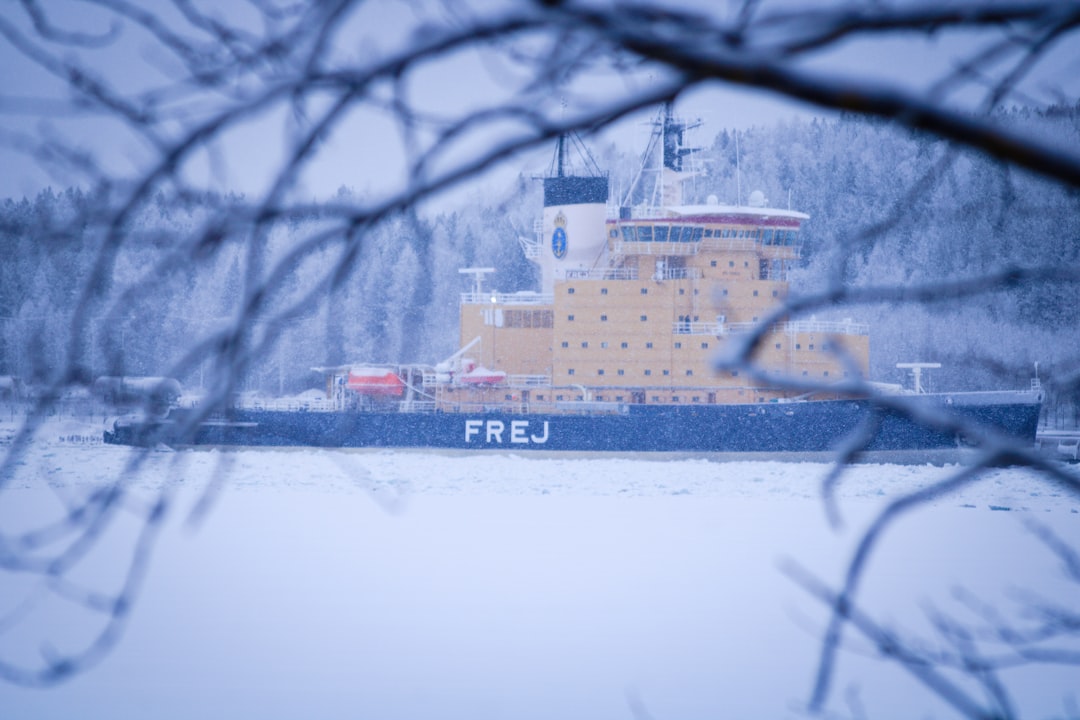
The Arctic, once a largely impassable frontier, is increasingly becoming a viable route for commercial shipping. Driven by climate change, receding ice cover is opening up new maritime pathways, most notably the Northern Sea Route (NSR) along Russia’s coast and the Northwest Passage (NWP) through the Canadian Arctic Archipelago. While these routes offer the allure of shorter transit times and potentially reduced fuel consumption compared to traditional established shipping lanes, they also present a unique and complex landscape of insurance risks. For insurers, underwriting vessels and cargoes operating in these challenging environments requires a profound understanding of evolving environmental conditions, nascent regulatory frameworks, and the inherent dangers of the Arctic.
The most significant driver behind the increased Arctic shipping activity is undoubtedly climate change. Global warming is leading to a dramatic and ongoing reduction in Arctic sea ice extent and thickness. This unprecedented environmental transformation introduces a dynamic and unpredictable operating environment that directly impacts insurance considerations.
Declining Ice Cover and Extended Shipping Seasons
The shrinking ice caps are opening up previously inaccessible waterways for longer periods each year. This elongation of the navigable season is a primary catalyst for increased commercial interest. However, the thawing process is not uniform and can create new, unexpected hazards.
Unpredictable Ice Formations
While overall ice cover may be decreasing, unpredictable ice formations such as brash ice, ice ridges, and multi-year ice floes can still pose significant threats to vessels. These formations can be dense, difficult to detect, and capable of causing severe hull damage. Insurers must assess the historical and projected ice conditions for specific routes and consider the efficacy of ice-strengthening classifications for vessels operating in these areas. The lack of comprehensive, real-time ice data, particularly in less trafficked regions, adds a layer of uncertainty that translates into higher risk premiums.
Sub-Arctic Conditions
Even as ice diminishes, Arctic waters remain inherently challenging. Vessels may encounter areas with sea ice interspersed with open water, creating a constantly shifting and potentially hazardous environment. This variability demands advanced navigation capabilities and experienced crews, factors that insurers will scrutinize when evaluating risk. The transition from ice-free waters to areas with ice presents a particular challenge, as vessels not accustomed to ice navigation can be caught off guard.
Environmental Hazards Beyond Ice
The Arctic environment presents a host of perils beyond ice, all of which have direct insurance ramifications.
Extreme Weather Events
The Arctic is notorious for its harsh and unpredictable weather. Fierce storms, high winds, and extreme temperatures can materialize with little warning. These conditions can lead to loss of propulsion, structural damage, and increased risk of grounding or collision. Insurers must factor in the probability and severity of such events, often relying on historical meteorological data combined with an understanding of evolving climate patterns. The remoteness of the region exacerbates these risks, as rescue and salvage operations are significantly more difficult and costly.
Limited Visibility and Navigation Challenges
Extended periods of darkness, fog, and blizzards can severely impair visibility, making navigation exceptionally hazardous. The lack of consistent and reliable navigational aids, particularly in less developed areas, increases the likelihood of accidents. Insurers will assess the technological capabilities of vessels, including the presence and reliability of radar, sonar, and other advanced navigation systems, as well as the experience and training of the master and crew in operating in such conditions.
Remoteness and Response Times
The sheer vastness and remoteness of the Arctic mean that response times for search and rescue operations, pollution containment, and emergency repairs are significantly longer than in more established shipping lanes. This extended response window amplifies the potential consequences of an incident, leading to increased claims costs for insurers. The limited availability of specialized salvage and repair facilities further contributes to this risk.
As the Arctic shipping routes become increasingly navigable due to climate change, understanding the insurance risk coefficients associated with these routes is crucial for maritime stakeholders. A related article that delves into the geopolitical implications of resource competition in polar regions can be found at this link. This article explores how the race for resources in both the Arctic and Antarctic regions affects shipping practices and insurance considerations, highlighting the complexities of navigating these evolving maritime landscapes.
The Evolving Regulatory and Legal Framework
The burgeoning of Arctic shipping has outpaced the development of a comprehensive and universally adopted regulatory framework. This legal vacuum creates uncertainty for insurers, who rely on clear rules and established standards to assess risk and underwrite policies.
International Maritime Organization (IMO) Regulations
The International Maritime Organization (IMO) plays a crucial role in setting global standards for maritime safety and environmental protection. However, the specific regulations pertaining to Arctic shipping are still developing.
The Polar Code
The International Maritime Organization’s (IMO) International Code for Ships Operating in Polar Waters (Polar Code) is a significant step toward addressing the unique risks of polar shipping. It mandates requirements for ship design, equipment, training, and operational procedures for vessels operating in the Arctic and Antarctic. Insurers will scrutinize compliance with the Polar Code, as it provides a baseline for risk mitigation. However, the Polar Code has its limitations, and its implementation and enforcement can vary across different jurisdictions.
Gaps in Coverage and Interpretation
While the Polar Code addresses many concerns, there remain areas where its provisions are less detailed or subject to differing interpretations. This can create ambiguities for both ship operators and their insurers. For example, the precise definition of “polar waters” and the specific requirements for ice-strengthening can lead to disputes. Insurers must stay abreast of evolving interpretations and any supplementary regulations that may emerge from individual states.
National Regulations and Jurisdictional Complexities
Several Arctic nations have their own national regulations governing shipping within their territorial waters and Exclusive Economic Zones (EEZs). This patchwork of national laws adds another layer of complexity for insurers.
Bilateral and Multilateral Agreements
The Northern Sea Route is primarily under Russian jurisdiction, while the Northwest Passage falls under Canadian sovereignty, albeit with differing interpretations of transit rights by other nations. These differing legal frameworks require insurers to understand the specific regulations of each Arctic state and any associated bilateral or multilateral agreements that may impact liability and insurance coverage. Navigating these often-contentious jurisdictional issues is a key challenge.
Environmental Protection Laws
Arctic nations are increasingly implementing stringent environmental protection laws to prevent pollution and protect the fragile ecosystems. Insurers must be aware of these specific national requirements, including oil spill response duties, waste management regulations, and penalties for environmental damage, as these will directly influence the potential cost of claims.
Specialized Insurance Products and Risk Mitigation Strategies
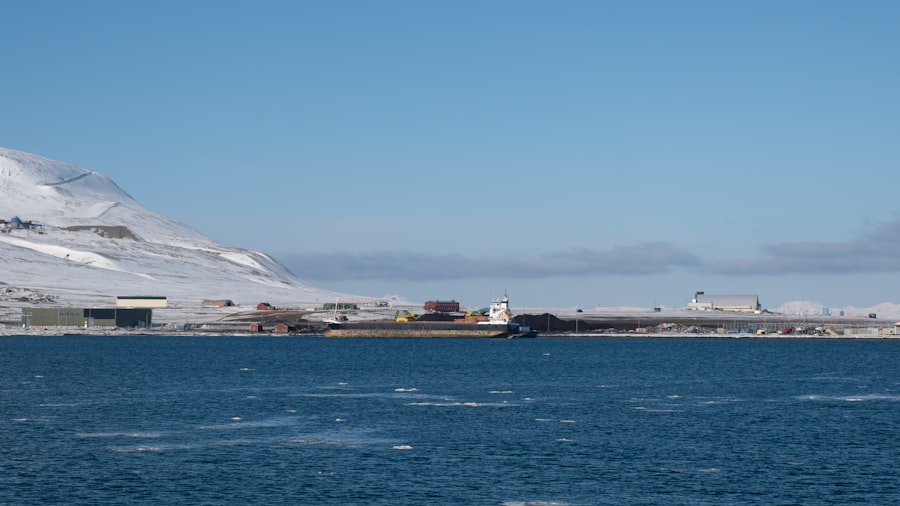
The unique risks associated with Arctic shipping necessitate specialized insurance products and proactive risk mitigation strategies from both insurers and insured parties.
As the Arctic shipping routes become increasingly navigable due to climate change, understanding the insurance risk coefficients associated with these routes is crucial for maritime stakeholders. A related article explores the implications of such developments on global trade and environmental concerns, highlighting the need for comprehensive risk assessments. For more insights on the broader impacts of changing climates on civilization, you can read about it in this intriguing piece here.
Hull and Machinery Insurance in the Arctic
The hull and machinery (H&M) policies for vessels operating in the Arctic present distinct challenges for underwriters. The potential for severe damage from ice, extreme weather, and navigational misadventures requires careful consideration of coverage terms and premiums.
Ice Loading and Hull Strengthening
Standard H&M policies may not adequately cover the specific stresses and strains imposed by ice. Insurers often require vessels to have a specific ice class notation, indicating that the hull has been strengthened to withstand ice pressures. The level of ice class required will depend on the intended routes and the anticipated ice conditions. Underwriters will carefully review the vessel’s classification society certificates and survey reports.
P&I Coverage and Pollution Liability
Protection and Indemnity (P&I) clubs provide coverage for shipowners’ liabilities, including third-party claims for personal injury, cargo damage, and pollution. In the Arctic, the potential for significant environmental damage from an oil spill is a paramount concern. P&I clubs are increasingly scrutinizing the environmental preparedness and response capabilities of vessels operating in these waters.
War Risk and Strikes Coverage
While not directly related to environmental perils, the geopolitical sensitivities of the Arctic region can also introduce risks. Claims for war, strikes, and related perils may need to be carefully considered, particularly in areas with territorial disputes or increased military presence.
Cargo Insurance Considerations
Cargo insurance for Arctic shipments also requires specific attention. The value of the cargo, its susceptibility to damage, and the transit time all contribute to the risk profile.
Perishable Goods and Temperature Fluctuations
The transport of perishable goods to or from Arctic regions poses a significant risk due to potential temperature fluctuations. Insurers will look at the adequacy of refrigeration systems, monitoring equipment, and emergency power provisions onboard the vessel. Any failure to maintain temperature control can lead to substantial cargo losses.
Valuation and Claims Handling in Remote Locations
The valuation of cargo and the processes for handling claims in remote Arctic locations can be complex and time-consuming. Insurers will need to consider the logistical challenges of inspecting damaged goods and the potential for currency fluctuations impacting claim settlements.
Risk Management for Arctic Operators
Beyond the insurance policies themselves, proactive risk management by vessel operators is crucial. Insurers will reward operators who demonstrate a commitment to safety and environmental stewardship.
Advanced Navigation and Technology Adoption
The deployment of advanced navigation systems, real-time ice monitoring, satellite communication, and weather forecasting tools is essential for safe operation. Insurers will likely require evidence of investment in such technologies.
Crew Training and Experience
The skills and experience of the crew are paramount in navigating the Arctic. Insurers will scrutinize the qualifications, training, and previous experience of masters, officers, and crew in ice navigation and operating in harsh environments. Specific training related to the Polar Code and emergency response is often a prerequisite.
Emergency Preparedness and Response Planning
Comprehensive emergency preparedness and response plans are vital. This includes detailed plans for oil spill containment, search and rescue, medical emergencies, and vessel evacuation. Insurers will assess the adequacy of these plans, the availability of necessary equipment, and the regularity of drills and exercises.
The Future of Arctic Shipping Insurance

The landscape of Arctic shipping is in constant flux, and insurers must be adaptable and forward-thinking to effectively manage the associated risks.
Data and Analytics in Underwriting
The increasing availability of data related to ice conditions, weather patterns, vessel performance, and incident statistics is transforming underwriting decision-making. Insurers are leveraging advanced analytics and modeling techniques to better assess and price Arctic risks.
AI and Machine Learning Applications
Artificial intelligence (AI) and machine learning (ML) are being explored for their potential to analyze vast datasets and identify predictive patterns related to Arctic hazards. This could lead to more accurate risk assessments and the development of dynamic pricing models.
Satellite Imagery and Remote Sensing
The use of satellite imagery and remote sensing technologies provides valuable real-time information about ice conditions, vessel movements, and potential environmental hazards. This data can inform underwriting decisions and improve situational awareness for both insurers and operators.
The Role of Reinsurance and Captives
As Arctic shipping grows, the concentration of risk can become significant for individual insurers. Reinsurance plays a crucial role in spreading this risk globally.
Reinsurance Capacity and Specialization
Reinsurers specializing in complex, high-value risks are crucial for providing the capacity needed to underwrite Arctic shipping ventures. Their involvement helps to stabilize the insurance market for these activities.
Captive Insurance Arrangements
Some larger shipping companies or consortia may consider establishing captive insurance companies to manage their Arctic shipping risks. This allows for greater control over policy terms and premiums, but also requires significant capital investment and expertise.
Emerging Risks and Uncertainties
Despite advances in understanding and mitigation, inherent uncertainties and emerging risks remain a significant factor in Arctic shipping insurance.
Unforeseen Environmental Impacts
The long-term environmental consequences of increased Arctic shipping are not yet fully understood. Potential impacts on marine ecosystems, permafrost stability, and traditional Indigenous ways of life could lead to new liabilities and insurance claims.
Geopolitical Instability and Security Concerns
The Arctic is an area of increasing geopolitical interest and potential competition. Any escalation of tensions or conflicts in the region could introduce new and complex insurance risks, including those related to war, sabotage, and cargo seizure.
Conclusion
Navigating the insurance risk of Arctic shipping is a complex undertaking. It demands a meticulous understanding of the dynamic environmental challenges, a keen awareness of the evolving regulatory landscape, and a commitment to proactive risk management. As the Arctic opens up to greater commercial activity, insurers must remain agile, investing in data analytics, fostering expertise in this specialized field, and adapting their products and strategies to responsibly underwrite the future of Arctic maritime trade. The long-term viability and safety of Arctic shipping hinge on a collaborative effort between operators, insurers, and international bodies to ensure that the pursuit of new trade routes does not come at an unacceptable cost to the environment or to human safety.
FAQs
What are insurance risk coefficients for Arctic shipping?
Insurance risk coefficients for Arctic shipping are factors used by insurance companies to assess the level of risk associated with shipping in the Arctic region. These coefficients take into account various factors such as ice conditions, weather patterns, navigation challenges, and the potential for environmental damage.
How are insurance risk coefficients for Arctic shipping calculated?
Insurance risk coefficients for Arctic shipping are calculated based on a combination of historical data, scientific analysis, and expert assessments. Factors such as ice concentration, temperature, wind patterns, and the presence of icebergs are taken into consideration when determining the level of risk for shipping in the Arctic.
Why are insurance risk coefficients important for Arctic shipping?
Insurance risk coefficients are important for Arctic shipping because they help insurance companies determine the cost of coverage for vessels operating in the region. By accurately assessing the level of risk, insurance companies can provide appropriate coverage and premiums for Arctic shipping activities.
What impact do insurance risk coefficients have on Arctic shipping operations?
Insurance risk coefficients can have a significant impact on Arctic shipping operations, as they directly influence the cost of insurance coverage for vessels operating in the region. Higher risk coefficients may result in higher insurance premiums, which can affect the overall cost of conducting shipping activities in the Arctic.
How can companies mitigate the impact of insurance risk coefficients for Arctic shipping?
Companies can mitigate the impact of insurance risk coefficients for Arctic shipping by implementing risk management strategies, investing in advanced navigation and safety technologies, and adhering to best practices for operating in icy and challenging conditions. Additionally, companies can work with insurance providers to develop tailored risk management plans and coverage options.