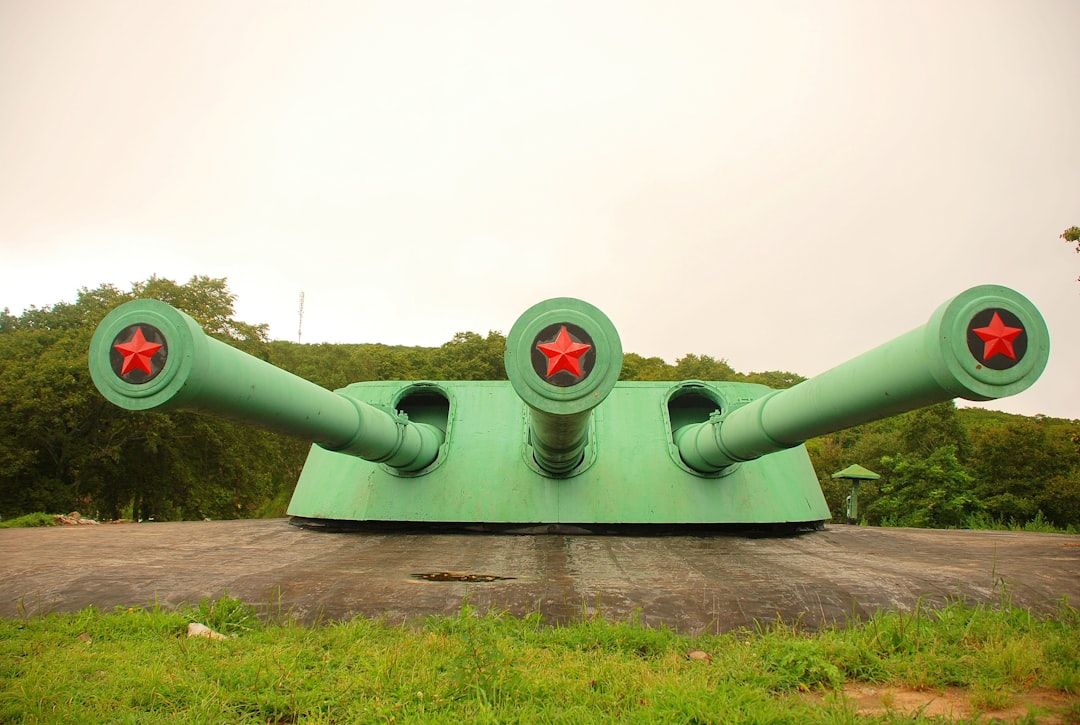
The history of nuclear powers began in the early 20th century with the discovery of nuclear fission. In 1938, German physicists Otto Hahn and Fritz Strassmann discovered that uranium nuclei could be split, releasing substantial amounts of energy. This discovery enabled the development of nuclear weapons.
During World War II, the United States initiated the Manhattan Project, a classified research program that successfully produced the first atomic bombs. In August 1945, the United States deployed atomic bombs against Hiroshima and Nagasaki, Japan, representing the only use of nuclear weapons in armed conflict and establishing the United States as the first nuclear-armed nation. Following World War II, the Soviet Union developed nuclear weapons capability, conducting its first successful atomic bomb test in 1949.
This development initiated the Cold War, a period of geopolitical tension between the United States and Soviet Union characterized by competition to expand nuclear arsenals. Both superpowers developed increasingly sophisticated nuclear weapons, including thermonuclear devices, creating a strategic doctrine known as mutually assured destruction (MAD). This concept held that nuclear war would result in unacceptable losses for all parties involved.
Subsequently, the United Kingdom, France, and China acquired nuclear weapons capabilities, adding to the complexity of global nuclear proliferation and international security dynamics.
Key Takeaways
- Nuclear weapons have shaped global power dynamics since their development in the mid-20th century.
- Countries maintain nuclear arsenals as key components of their national defense and deterrence strategies.
- International treaties and non-proliferation efforts aim to limit the spread and reduce the risks of nuclear weapons.
- The existence of nuclear powers significantly influences global politics, diplomacy, and conflict resolution.
- Ethical concerns and the potential for arms control drive ongoing debates about the future of nuclear weapons.
The Current Nuclear Capabilities of Each Country
As of 2023, nine countries are recognized as nuclear powers: the United States, Russia, China, France, the United Kingdom, India, Pakistan, Israel, and North Korea. The United States and Russia possess the largest arsenals, with thousands of nuclear warheads each. The U.S. maintains a triad system of delivery methods—land-based intercontinental ballistic missiles (ICBMs), submarine-launched ballistic missiles (SLBMs), and strategic bombers—ensuring a robust second-strike capability. Russia similarly boasts a diverse array of delivery systems and has been modernizing its arsenal in recent years to maintain its strategic edge. China has also been expanding its nuclear capabilities, focusing on increasing the size and sophistication of its arsenal while developing new delivery systems such as hypersonic missiles. Meanwhile, India and Pakistan continue to enhance their nuclear capabilities amid ongoing regional tensions. India’s nuclear doctrine emphasizes a no-first-use policy, while Pakistan maintains a more aggressive stance regarding its nuclear arsenal. Israel is widely believed to possess nuclear weapons but has not officially confirmed its status. North Korea’s nuclear ambitions have raised significant concerns globally, particularly due to its unpredictable leadership and frequent missile tests. The documentary provides a detailed analysis of the potential consequences of
Nuclear weapons play a pivotal role in the national defense strategies of nuclear-armed states. For many countries, possessing a nuclear arsenal serves as a deterrent against potential aggressors. The principle of deterrence is rooted in the idea that the threat of catastrophic retaliation will prevent adversaries from launching an attack.
This strategy has been particularly influential during periods of heightened tension, such as the Cold War, where both superpowers relied on their nuclear capabilities to maintain stability and avoid direct conflict. In addition to deterrence, nuclear weapons are often viewed as tools for geopolitical leverage.
This dynamic can lead to an imbalance in power structures, where nuclear-armed states may feel emboldened to pursue aggressive policies without fear of significant repercussions. However, this reliance on nuclear weapons also raises ethical questions about their use and the potential for catastrophic consequences should deterrence fail.
Nuclear Non-Proliferation Efforts and Treaties
In response to the growing threat posed by nuclear weapons, various international efforts have been made to curb their proliferation. The Treaty on the Non-Proliferation of Nuclear Weapons (NPT), established in 1968, is one of the most significant agreements aimed at preventing the spread of nuclear weapons while promoting peaceful uses of nuclear energy. The NPT categorizes signatory states into three groups: nuclear-weapon states (NWS), which are recognized as possessing nuclear weapons; non-nuclear-weapon states (NNWS), which commit not to acquire them; and states that are allowed to pursue peaceful nuclear technology.
Despite its successes, the NPT has faced challenges over the years. Some countries have pursued clandestine nuclear programs in defiance of their commitments under the treaty, leading to tensions and conflicts. North Korea’s withdrawal from the NPT and subsequent development of its nuclear arsenal exemplifies these challenges.
Additionally, there are concerns about the effectiveness of existing non-proliferation measures in addressing emerging threats from non-state actors or rogue nations seeking to acquire nuclear capabilities.
The Impact of Nuclear Powers on Global Politics
| Country | Estimated Nuclear Warheads | First Nuclear Test | Delivery Systems | Status |
|---|---|---|---|---|
| United States | 5,428 | 1945 | ICBMs, SLBMs, Strategic Bombers | Active |
| Russia | 5,977 | 1949 | ICBMs, SLBMs, Strategic Bombers | Active |
| China | 350 | 1964 | ICBMs, SLBMs, Bombers | Active |
| France | 290 | 1960 | SLBMs, Strategic Bombers | Active |
| United Kingdom | 225 | 1952 | SLBMs, Strategic Bombers | Active |
| India | 160 | 1974 | Ballistic Missiles, Aircraft | Active |
| Pakistan | 165 | 1998 | Ballistic Missiles, Aircraft | Active |
| North Korea | 40-50 | 2006 | Ballistic Missiles | Active |
| Israel | 90 | Undeclared | Aircraft, Submarine-Launched Missiles | Undeclared |
The existence of nuclear powers has profoundly influenced global politics since their inception. The balance of power established during the Cold War was largely predicated on the presence of nuclear arsenals, which shaped alliances and rivalries across the globe. Countries aligned with either the United States or the Soviet Union often found themselves drawn into conflicts where nuclear capabilities played a critical role in strategic calculations.
This dynamic continues to affect international relations today, as nations navigate complex geopolitical landscapes influenced by the presence of nuclear weapons. Moreover, nuclear powers often wield significant influence in international organizations and forums dedicated to security and disarmament.
However, this influence can also lead to tensions with non-nuclear states that feel marginalized or threatened by the existence of these arsenals. As global politics evolve in response to emerging threats such as terrorism and cyber warfare, the role of nuclear powers remains a contentious issue that shapes diplomatic relations and security strategies worldwide.
The Risks and Dangers of Nuclear Proliferation

The proliferation of nuclear weapons poses significant risks to global security and stability. As more countries acquire these capabilities, the likelihood of miscalculations or accidental launches increases. The potential for regional conflicts to escalate into full-scale nuclear exchanges raises alarm among policymakers and security experts alike.
Furthermore, the spread of nuclear technology can empower rogue states or non-state actors who may not adhere to established norms regarding responsible use. The dangers associated with nuclear proliferation extend beyond immediate military threats; they also encompass broader implications for international relations and global governance. As more nations pursue nuclear capabilities, existing treaties like the NPT may become increasingly strained, leading to a breakdown in cooperative efforts aimed at disarmament and non-proliferation.
This scenario could create an environment where arms races become commonplace, undermining decades of progress toward reducing reliance on these devastating weapons.
The Ethics and Morality of Nuclear Weapons
The ethical implications surrounding nuclear weapons are profound and complex. On one hand, proponents argue that these weapons serve as necessary deterrents that prevent large-scale conflicts and protect national interests. They contend that possessing a credible nuclear arsenal can save lives by deterring aggression from adversaries who might otherwise resort to conventional warfare.
However, critics argue that the very existence of such destructive capabilities raises moral questions about humanity’s willingness to accept potential annihilation as a means of ensuring security. The humanitarian impact of nuclear weapons cannot be overlooked either. The bombings of Hiroshima and Nagasaki serve as stark reminders of the catastrophic consequences that can arise from their use.
The long-term effects on civilian populations—radiation exposure, health complications, and psychological trauma—underscore the moral responsibility that comes with possessing such power. As discussions around disarmament continue, ethical considerations will remain central to debates about the future role of nuclear weapons in global security.
The Potential for Nuclear Arms Control and Disarmament
Despite the challenges posed by proliferation and geopolitical tensions, there remains potential for progress in nuclear arms control and disarmament efforts. Various treaties have been established over the years aimed at reducing stockpiles and limiting testing activities. The Strategic Arms Reduction Treaty (START) between the United States and Russia is one such example that has successfully led to reductions in deployed strategic warheads.
However, achieving meaningful disarmament requires sustained political will and cooperation among nations. The complexities inherent in negotiating arms control agreements often lead to setbacks or failures due to differing national interests or security concerns. Nevertheless, initiatives such as the Treaty on the Prohibition of Nuclear Weapons (TPNW) reflect growing recognition among many states that disarmament is essential for ensuring global security in an increasingly interconnected world.
The Future of Nuclear Powers in a Changing World
As global dynamics shift due to technological advancements and emerging threats, the future role of nuclear powers remains uncertain. The rise of new military technologies—such as cyber warfare capabilities and artificial intelligence—challenges traditional notions of deterrence and raises questions about how nations will adapt their defense strategies accordingly. Additionally, climate change poses existential threats that may require unprecedented levels of international cooperation among both nuclear-armed states and non-nuclear states alike.
In this evolving landscape, it is crucial for nations to engage in dialogue aimed at reducing tensions and fostering trust among rival powers. Building confidence through transparency measures or joint initiatives can help mitigate risks associated with miscalculations or misunderstandings that could lead to conflict escalation. Ultimately, addressing these challenges will require a collective commitment from all nations—nuclear-armed or not—to prioritize diplomacy over militarization.
The Relationship Between Nuclear Powers and Non-Nuclear States
The relationship between nuclear powers and non-nuclear states is often fraught with tension and mistrust. Non-nuclear states may feel vulnerable in a world where some nations possess overwhelming military capabilities while they themselves lack similar deterrents. This dynamic can lead to calls for disarmament or increased pressure on nuclear-armed states to fulfill their obligations under international treaties like the NPT.
Conversely, some non-nuclear states may pursue their own nuclear ambitions as a means of enhancing their security or asserting their sovereignty on the global stage. This pursuit can create further complications within international relations as established powers seek to prevent proliferation while grappling with their own security concerns. Navigating this complex relationship requires careful diplomacy aimed at fostering understanding between both sides while addressing legitimate security needs without exacerbating existing tensions.
The Role of Nuclear Powers in International Conflicts and Diplomacy
Nuclear powers play a critical role in shaping international conflicts and diplomatic efforts worldwide. Their military capabilities often serve as leverage during negotiations or peace talks, influencing outcomes based on perceived strength or willingness to use force if necessary. This dynamic can complicate efforts aimed at resolving disputes peacefully; smaller nations may feel compelled to align themselves with larger powers for protection or support.
Moreover, historical precedents demonstrate how nuclear powers have intervened in conflicts based on strategic interests tied directly to their arsenals’ existence or perceived threats from rival states’ capabilities. As global politics continue evolving amid shifting alliances and emerging challenges—such as terrorism or climate change—the role that these nations play will remain pivotal in determining future conflict dynamics while underscoring ongoing debates surrounding arms control efforts aimed at reducing reliance on these destructive weapons. In conclusion, understanding the multifaceted nature of nuclear powers requires examining their historical context alongside current capabilities while considering ethical implications surrounding their existence within broader geopolitical frameworks shaping our world today.
As nations navigate complex relationships influenced by security concerns tied directly back into this discourse surrounding arms control efforts aimed at fostering peace through diplomacy rather than militarization—there remains hope for progress toward achieving lasting stability amidst ongoing challenges posed by proliferation risks inherent within this landscape defined by fear yet also potential cooperation among diverse actors involved therein.
The topic of nuclear weapons remains a critical issue in global security, particularly concerning the nine countries that possess them. For a deeper understanding of the implications and dynamics surrounding these nations, you can read a related article on this subject at this link. This article provides insights into the geopolitical landscape shaped by nuclear arsenals and the ongoing efforts for disarmament and non-proliferation.
WATCH THIS! ☢️ Nuclear War in 2026: The Real Risks, New Weapons & How Close We Are
FAQs
Which countries currently possess nuclear weapons?
The nine countries known to possess nuclear weapons are the United States, Russia, China, France, the United Kingdom, India, Pakistan, Israel, and North Korea.
Are all nine countries officially recognized as nuclear-armed states?
No, only five countries—the United States, Russia, China, France, and the United Kingdom—are officially recognized as nuclear-armed states under the Treaty on the Non-Proliferation of Nuclear Weapons (NPT). The other four countries (India, Pakistan, Israel, and North Korea) possess nuclear weapons but are not recognized under the NPT.
Which country was the first to develop nuclear weapons?
The United States was the first country to develop and use nuclear weapons, with the first successful test in 1945 and subsequent use in World War II.
Do all nine countries have the same number of nuclear warheads?
No, the number of nuclear warheads varies significantly among the nine countries. The United States and Russia have the largest arsenals, while countries like Israel and North Korea have smaller stockpiles.
Is Israel’s nuclear arsenal officially confirmed?
Israel maintains a policy of ambiguity and has not officially confirmed or denied possessing nuclear weapons, but it is widely believed to have a nuclear arsenal.
Have any of these countries signed the Treaty on the Non-Proliferation of Nuclear Weapons (NPT)?
The United States, Russia, China, France, and the United Kingdom are signatories to the NPT as nuclear-weapon states. India, Pakistan, and Israel have never signed the treaty, and North Korea withdrew from the NPT in 2003.
What is the purpose of these countries maintaining nuclear weapons?
Nuclear weapons are maintained primarily for deterrence, to prevent attacks by other states, and to maintain strategic military balance.
Are there international efforts to reduce the number of nuclear weapons?
Yes, there are several international treaties and agreements aimed at nuclear disarmament and arms control, such as the New START treaty between the US and Russia, and various non-proliferation initiatives.
Which country was the most recent to develop nuclear weapons?
North Korea is the most recent country to have developed and tested nuclear weapons, with its first nuclear test conducted in 2006.