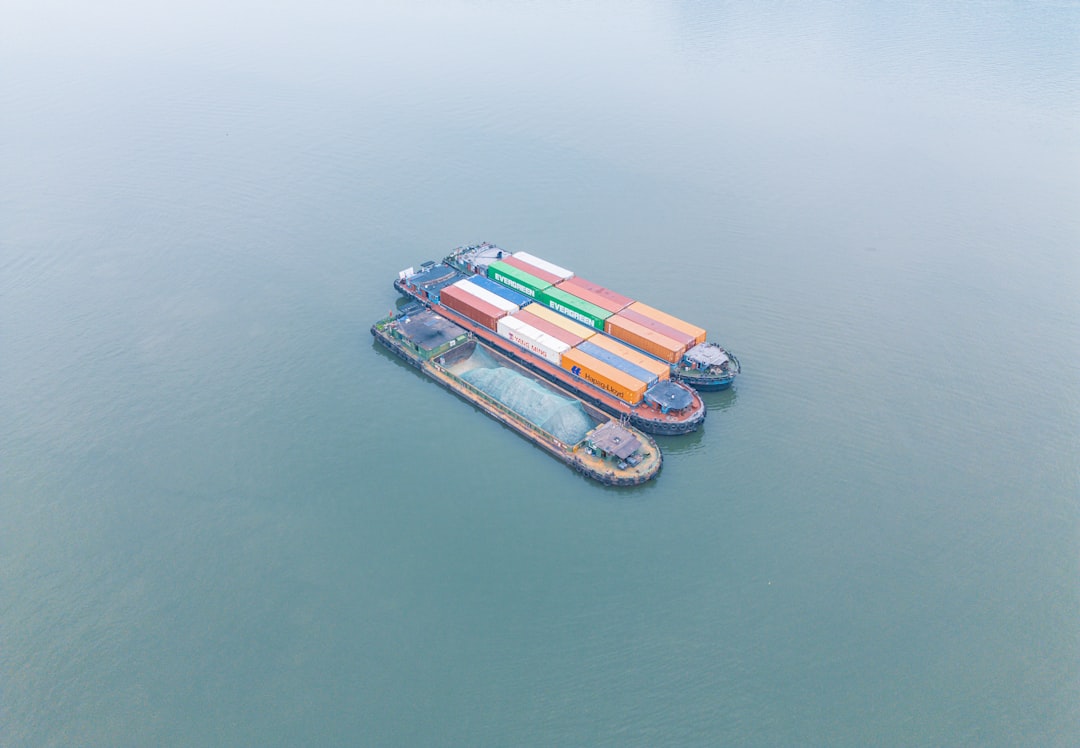
Container ship berth scheduling represents a critical operational challenge within the global maritime industry. The efficient allocation of berths to incoming vessels is instrumental in minimizing port congestion, reducing turnaround times, and ultimately enhancing the overall throughput of port facilities. This intricate process involves balancing various competing objectives, including vessel arrival times, cargo volumes, terminal resources, and departure windows, all while navigating dynamic and often unpredictable real-world conditions.
Berth scheduling, at its core, is a resource allocation problem. A finite number of berths, each with distinct characteristics and capabilities, must accommodate a fluctuating demand from an array of container ships. The objective is to devise a schedule that optimizes a set of performance metrics, such as minimizing vessel waiting times, maximizing berth utilization, or ensuring timely onward connections for cargo. Learn more about global trade and its impact on the economy.
Constraints and Considerations
Several factors dictate the feasibility and optimality of any berth schedule. These constraints can be broadly categorized into operational, physical, and contractual.
Operational Constraints
Operational constraints encompass the day-to-day realities of port operations. These include the availability of quay cranes, a critical resource directly impacting vessel loading and unloading rates. The number, type, and operational speed of cranes at a specific berth can significantly influence how quickly a vessel can be serviced. Furthermore, the availability of labor, including stevedores, crane operators, and administrative staff, is a non-negotiable requirement. Delays in crew availability can ripple through the entire scheduling process, impacting subsequent vessel calls. The operational efficiency of internal terminal transport, such as straddle carriers or automated guided vehicles (AGVs), also plays a role in evacuating cargo from the quayside, thus freeing up valuable space and accelerating vessel processing.
Physical Constraints
Physical limitations of the port infrastructure impose strict boundaries on scheduling decisions. Berth length and water depth are fundamental. Larger container ships, particularly the ultra-large container vessels (ULCVs) that dominate modern shipping lanes, require longer berths and deeper drafts. Failure to account for these physical attributes can lead to unsafe mooring conditions or, in extreme cases, grounding incidents. The presence of turning basins and maneuvering areas within the port also dictates the types of vessels that can be safely accommodated and the procedures for their arrival and departure. Navigational restrictions, such as tidal windows or daylight-only entry/exit requirements for certain channels, further limit scheduling flexibility.
Contractual and Regulatory Constraints
Shipping line service level agreements (SLAs) often include stipulations regarding vessel port times and turnaround guarantees. Non-compliance can result in financial penalties for the port operator. Pilotage requirements, mandatory for most large vessels entering and leaving port, introduce another layer of scheduling complexity, as pilot availability can be a bottleneck. Similarly, tugboat availability, essential for safe maneuvering, must be coordinated with vessel movements. Customs and immigration procedures, while often standardized, can also introduce unforeseen delays if not managed efficiently.
In the realm of maritime logistics, efficient container ship scheduling is crucial for optimizing berth windows and minimizing port congestion. A related article that delves into innovative strategies for improving berth allocation and scheduling can be found at Real Lore and Order. This resource provides valuable insights into the challenges faced by port authorities and shipping companies, as well as potential solutions to enhance operational efficiency in container shipping.
Methodologies for Berth Scheduling
Over the past decades, various approaches have been developed to tackle the complexities of berth scheduling, ranging from manual methods to sophisticated computational models.
Manual and Heuristic Approaches
Historically, berth scheduling was a largely manual process, relying on the experience and intuition of port planners. These methods, often augmented by simple visual aids like whiteboards or spreadsheets, are characterized by their flexibility and adaptability to sudden changes. However, their effectiveness diminishes rapidly with increasing port size and traffic volume. Heuristic approaches represent a step up, incorporating rules of thumb and simplified algorithms to generate reasonably good schedules. While not guaranteeing optimal solutions, they can often produce satisfactory outcomes within acceptable computational times, making them suitable for real-time decision-making in dynamic environments. Examples include priority-based scheduling, where vessels are processed based on their arrival time, cargo priority, or contractual obligations.
Optimization Models
For a more rigorous approach to berth scheduling, mathematical optimization models are employed. These models formulate the scheduling problem as a set of equations and inequalities, with an objective function to be minimized or maximized, subject to the various constraints.
Integer Linear Programming (ILP)
Integer Linear Programming (ILP) is a widely used technique for berth scheduling problems where decisions, such as which vessel docks at which berth at what time, are discrete. ILP models can provide optimal solutions, given a well-defined problem and sufficient computational resources. Their ability to handle complex constraints and objectives makes them powerful tools for strategic planning. However, the computational complexity of ILP models can increase exponentially with the number of vessels and berths, limiting their applicability for very large instances or real-time adjustments.
Metaheuristics
When exact optimization methods become computationally intractable, metaheuristics offer a viable alternative. These algorithms, such as Genetic Algorithms (GAs), Simulated Annealing (SA), and Tabu Search (TS), explore the solution space in an intelligent manner to find near-optimal solutions within a reasonable time frame. They are particularly well-suited for highly complex, non-linear scheduling problems with numerous variables and constraints. Metaheuristics draw inspiration from natural processes (e.g., evolution for GAs, annealing for SA) or human problem-solving strategies (e.g., memory for TS) to guide their search. While they do not guarantee global optimality, they often provide solutions of high quality that are far superior to those generated by simple heuristics.
The Role of Technology in Modern Berth Scheduling
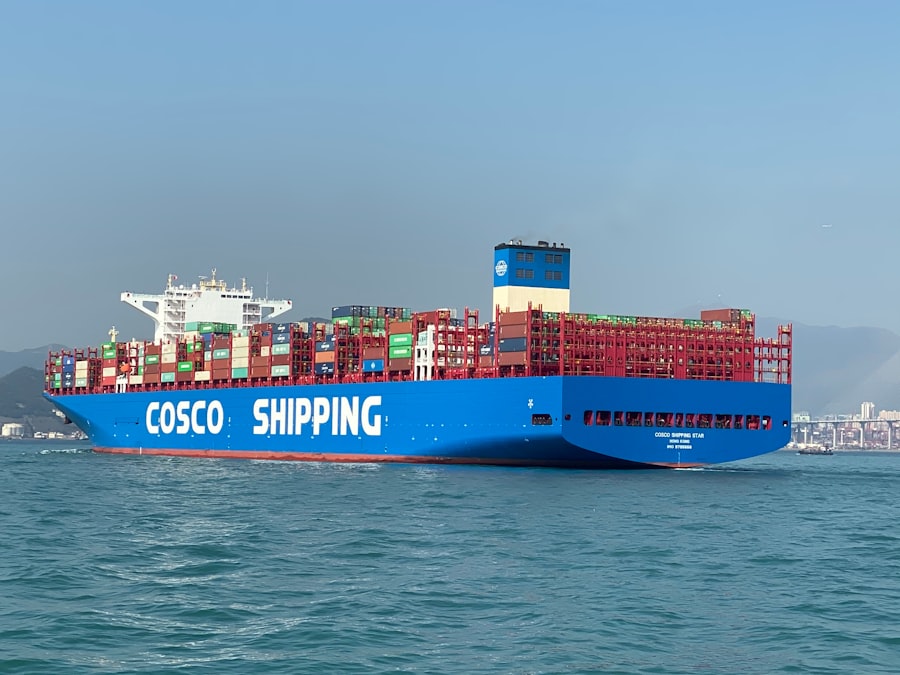
The advancement of information technology has revolutionized berth scheduling, enabling port operators to manage increasingly complex operations with greater efficiency and foresight.
Port Community Systems (PCS)
Port Community Systems (PCS) act as a single window for information exchange among various stakeholders within a port ecosystem. For berth scheduling, a PCS facilitates the real-time sharing of vessel arrival notifications, cargo manifests, pilotage requests, and tugboat requirements. This centralized information hub minimizes communication delays and discrepancies, allowing for more proactive and informed scheduling decisions. By integrating data from shipping lines, terminal operators, customs, and other service providers, a PCS provides a holistic view of port operations, which is crucial for dynamic berth allocation.
Real-time Data Analytics
The proliferation of sensors and real-time tracking systems on vessels and within port terminals has unleashed a torrent of data. Real-time data analytics tools can process this information to predict vessel arrival times more accurately, identify potential congestion points, and assess the current utilization of port resources. This predictive capability allows port planners to adjust schedules proactively, mitigating the impact of unexpected events like weather delays or equipment breakdowns. For instance, AIS (Automatic Identification System) data provides continuous updates on vessel positions, enabling more precise estimations of arrival times and facilitating smoother integration into the berth schedule.
Simulation and Digital Twins
Simulation modeling allows port operators to test various scheduling scenarios in a virtual environment without disrupting live operations. This ‘what-if’ analysis can evaluate the impact of different berth allocation strategies, changes in vessel traffic, or the introduction of new equipment. Digital twins, which are virtual replicas of physical port assets and processes, take simulation a step further by offering a dynamic, real-time representation of the port. A digital twin for berth scheduling would incorporate live data on vessel movements, crane availability, and yard congestion, allowing for continuous optimization and predictive maintenance, thereby acting as a constant living model against which scheduling decisions can be validated and refined.
Challenges and Future Directions
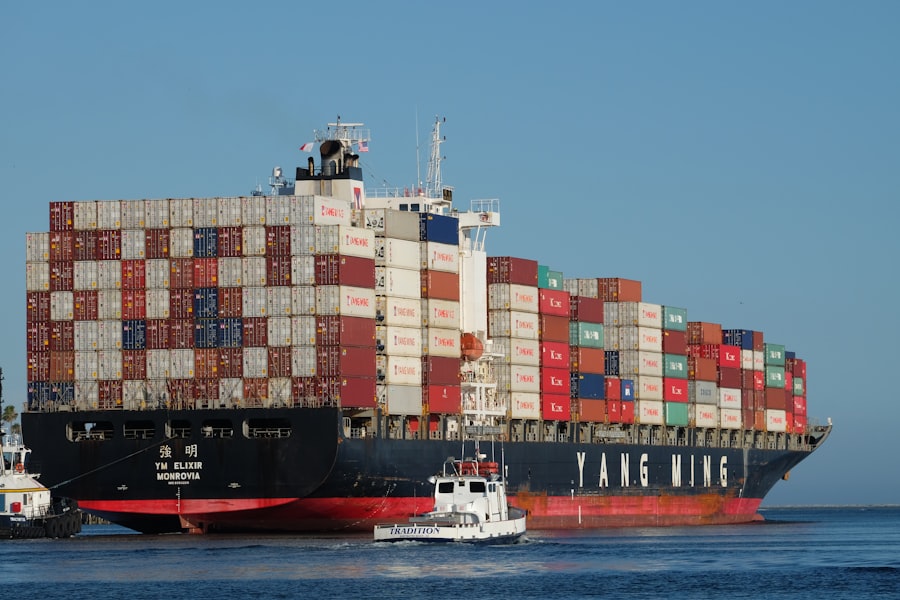
Despite significant advancements, berth scheduling continues to present complex challenges, particularly as the maritime industry evolves.
Handling Uncertainty
The inherent uncertainty in maritime operations, stemming from unpredictable weather conditions, mechanical failures, and changes in vessel schedules, remains a significant hurdle. Current scheduling models often struggle to effectively incorporate and adapt to these stochastic elements in real-time. Developing robust scheduling algorithms that can dynamically re-optimize schedules in response to unforeseen disturbances is an ongoing area of research. This involves moving beyond deterministic models to embrace probabilistic approaches that explicitly account for the likelihood of delays and disruptions. For you, the port operator, anticipating the ripple effect of a single delayed vessel is like tracing the spread of ink in water – it’s about preparedness.
Integration with Yard and Crane Scheduling
Berth scheduling is not an isolated problem; it is deeply intertwined with yard operations (where containers are stored) and crane scheduling (how cranes are assigned to specific vessels and tasks). Sub-optimizing berth scheduling without considering its impact on these downstream processes can lead to new bottlenecks. A vessel might be efficiently berthed, but if there are insufficient cranes or yard space to handle its cargo, the overall efficiency gain is negated. Future research focuses on integrated scheduling approaches that optimize berth, yard, and crane operations concurrently, treating the entire terminal as a single, interconnected system. This holistic view is paramount for maximizing port throughput.
Automation and Autonomous Vessels
The advent of automated terminal equipment, such as automated stacking cranes (ASCs) and AGVs, introduces new opportunities and challenges for berth scheduling. These technologies can significantly enhance operational efficiency and predictability, but they also require sophisticated control systems and tighter integration with scheduling algorithms. Looking further ahead, the emergence of autonomous vessels, capable of navigating and berthing independently, could fundamentally alter the dynamics of berth scheduling. Such vessels might offer greater flexibility in berthing windows and reduced reliance on human-intensive services like pilotage, necessitating a paradigm shift in current scheduling methodologies. You, as a stakeholder in this evolving landscape, must consider how your current strategies can adapt to these technological advances.
In conclusion, optimizing container ship berth scheduling is an ongoing endeavor that requires a multifaceted approach. By leveraging advanced methodologies, cutting-edge technology, and a deep understanding of operational realities, port authorities and terminal operators can continue to enhance efficiency, reduce costs, and maintain their competitive edge in the global supply chain. The pursuit of optimal berth scheduling is not merely about managing ships; it is about orchestrating a complex dance of resources to ensure the seamless flow of international trade.
WATCH THIS! 🌍 GLOBAL TRADE IS A LIE: How Three Chokepoints Control Your Calendar
FAQs
What is container ship scheduling?
Container ship scheduling refers to the process of planning and organizing the arrival and departure times of container ships at ports to optimize the use of resources and minimize delays.
What are berth windows in container ship scheduling?
Berth windows are specific time periods allocated for a container ship to dock at a berth within a port. These windows help coordinate ship arrivals and departures to ensure efficient port operations.
Why is scheduling berth windows important?
Scheduling berth windows is crucial to avoid congestion, reduce waiting times for ships, improve turnaround times, and enhance overall port efficiency and productivity.
What factors influence berth window scheduling?
Factors include ship arrival times, port capacity, berth availability, cargo handling equipment, tidal conditions, and coordination with other port activities.
How do ports manage berth window scheduling?
Ports use scheduling software and communication systems to allocate berth windows, coordinate with shipping companies, and adjust schedules based on real-time conditions and priorities.
What challenges are associated with container ship scheduling and berth windows?
Challenges include unpredictable ship arrival times, weather disruptions, limited berth availability, equipment breakdowns, and the need to balance multiple stakeholders’ interests.
Can berth window scheduling impact shipping costs?
Yes, efficient berth window scheduling can reduce waiting times and demurrage charges, leading to lower operational costs for shipping companies.
Are there any technological solutions for optimizing berth window scheduling?
Yes, advanced algorithms, artificial intelligence, and simulation models are increasingly used to optimize berth window scheduling and improve decision-making in port operations.
How does berth window scheduling affect environmental sustainability?
Optimized scheduling reduces ship idling and waiting times, which can lower fuel consumption and emissions, contributing to more environmentally sustainable port operations.
Who are the key stakeholders involved in container ship scheduling and berth window management?
Key stakeholders include port authorities, shipping companies, terminal operators, logistics providers, and regulatory agencies.