Acoustic chamber design is a specialized field that focuses on creating environments conducive to sound manipulation and control. These chambers are engineered to enhance sound quality, whether for musical performances, scientific research, or audio testing. The fundamental goal of an acoustic chamber is to provide a space where sound can be studied and utilized without interference from external noise or unwanted reverberations.
This requires a deep understanding of sound waves, their behavior, and how various materials and shapes can influence acoustic properties. In the realm of acoustic design, the shape and structure of the chamber play a pivotal role. Designers must consider factors such as volume, surface area, and the arrangement of surfaces to achieve the desired acoustic characteristics.
The design process often involves complex calculations and simulations to predict how sound will travel within the space. By understanding the principles of sound propagation and reflection, designers can create chambers that not only meet specific acoustic requirements but also enhance the overall auditory experience.
Key Takeaways
- Pyramid shapes enhance sound reflection and distribution within acoustic chambers.
- Angled surfaces help minimize sound absorption and improve overall sound quality.
- Material selection is crucial for achieving a balanced frequency response.
- Optimizing room resonance is key to effective acoustic chamber performance.
- Pyramid acoustic chambers have proven successful across various settings and continue to evolve with new innovations.
The Importance of Pyramid Shape
The pyramid shape has garnered attention in acoustic chamber design due to its unique properties that facilitate sound manipulation. This geometric form is characterized by a broad base that tapers to a point, allowing for efficient sound wave interaction. The pyramid’s design minimizes standing waves and promotes even sound distribution throughout the chamber.
As sound waves enter the chamber, they reflect off the angled surfaces, creating a dynamic environment that enhances clarity and richness. Moreover, the pyramid shape aids in reducing unwanted echoes and reverberations. The angles of the pyramid direct sound waves away from the center, preventing them from colliding and causing muddiness in the audio output.
This characteristic is particularly beneficial in settings where precise sound reproduction is essential, such as recording studios or performance spaces. By harnessing the natural properties of the pyramid shape, designers can create chambers that deliver superior acoustic performance. Discover the secrets behind the
Maximizing sound reflection is a critical aspect of acoustic chamber design, as it directly influences the quality of sound produced within the space. In a well-designed acoustic chamber, sound waves should reflect off surfaces in a controlled manner, enhancing the overall auditory experience. The strategic placement of reflective surfaces can amplify certain frequencies while minimizing others, allowing for a tailored acoustic environment.
To achieve optimal sound reflection, designers often employ materials with high reflectivity, such as wood or specialized acoustic panels. These materials are strategically positioned to create a balanced interplay between direct and reflected sound waves. By carefully considering the angles and distances between surfaces, designers can manipulate how sound travels within the chamber, ensuring that it reaches the listener’s ears in a harmonious manner.
This meticulous attention to detail is what sets apart effective acoustic chambers from those that fall short in delivering quality sound.
Minimizing Sound Absorption
While maximizing sound reflection is essential, minimizing sound absorption is equally important in acoustic chamber design. Absorptive materials can dampen sound waves, leading to a loss of clarity and definition in audio reproduction. To create an effective acoustic environment, designers must strike a balance between reflective and absorptive surfaces, ensuring that sound is neither overly absorbed nor excessively reflected.
In practice, this often involves using a combination of materials with varying absorption coefficients. For instance, softer materials like foam or fabric can be strategically placed in areas where excessive reflection may occur, while harder surfaces can be used to enhance reflection in other parts of the chamber. By carefully selecting and positioning these materials, designers can create an environment that maintains clarity while preventing unwanted echoes or muddiness.
Utilizing Angled Surfaces for Improved Sound Distribution
| Parameter | Description | Typical Value / Range | Unit |
|---|---|---|---|
| Chamber Dimensions | Base width, length, and height of the pyramid chamber | 1.5 – 3.0 (base width/length), 1.0 – 2.5 (height) | meters |
| Wall Material | Material used for chamber walls to ensure sound isolation | Concrete, Wood, Acoustic Panels | N/A |
| Absorption Coefficient | Effectiveness of wall material in absorbing sound | 0.6 – 0.95 | Coefficient (0-1) |
| Internal Surface Treatment | Type of acoustic treatment on internal surfaces | Foam pyramids, Fiberglass panels | N/A |
| Frequency Range | Effective frequency range for sound absorption | 100 – 10,000 | Hz |
| Reverberation Time (RT60) | Time taken for sound to decay by 60 dB inside chamber | 0.1 – 0.3 | seconds |
| Sound Pressure Level (SPL) Reduction | Reduction in SPL due to chamber design | 20 – 40 | dB |
| Ventilation Openings | Number and size of openings for airflow without compromising acoustics | 2 – 4 openings, 0.1 – 0.3 | meters (diameter) |
| Base Angle | Angle between base and side walls of the pyramid | 45 – 60 | degrees |
| Internal Volume | Total internal volume of the chamber | 2.0 – 10.0 | cubic meters |
Angled surfaces play a crucial role in improving sound distribution within an acoustic chamber.
This dispersion is vital for achieving a balanced auditory experience, as it ensures that all listeners receive a similar quality of sound regardless of their position within the chamber.
The strategic use of angled surfaces can also enhance the overall aesthetic appeal of an acoustic chamber. Designers often incorporate these angles into the architecture of the space, creating visually striking environments that are both functional and beautiful. By blending form and function, they can produce chambers that not only excel in acoustic performance but also serve as inspiring spaces for creativity and collaboration.
The Role of Materials in Acoustic Chamber Design
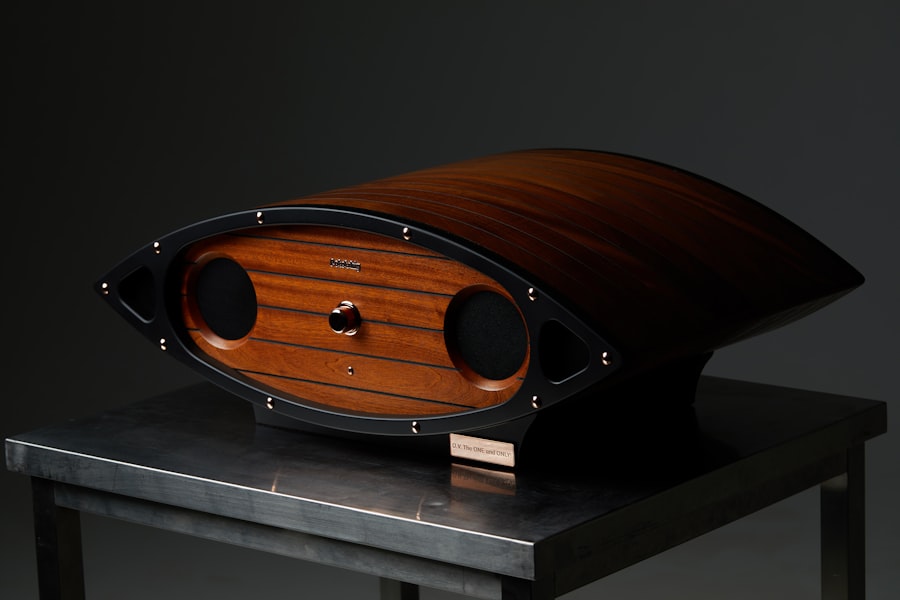
Materials play an integral role in shaping the acoustic properties of a chamber. The choice of materials can significantly influence how sound behaves within the space, affecting both reflection and absorption characteristics. Designers must carefully consider factors such as density, texture, and porosity when selecting materials for their chambers.
For instance, denser materials tend to reflect sound more effectively, while lighter materials may absorb it. Additionally, textured surfaces can scatter sound waves in various directions, further enhancing distribution. By combining different materials with complementary properties, designers can create a nuanced acoustic environment that meets specific needs.
This thoughtful approach to material selection is essential for achieving optimal performance in any acoustic chamber.
Creating a Balanced Frequency Response
A balanced frequency response is crucial for any acoustic chamber aiming to deliver high-quality sound reproduction. This concept refers to the evenness of sound across different frequencies, ensuring that no particular range is overly emphasized or diminished. Achieving this balance requires careful consideration of both reflective and absorptive surfaces within the chamber.
To create a balanced frequency response, designers often employ techniques such as tuning the dimensions of the chamber or incorporating specific materials that target problematic frequencies. For example, bass traps may be used to control low-frequency buildup, while diffusers can help manage mid-range frequencies. By addressing these issues through thoughtful design choices, acoustic chambers can provide a more accurate representation of sound, allowing for a richer listening experience.
Optimizing Room Resonance
Optimizing room resonance is another critical aspect of acoustic chamber design that directly impacts sound quality. Resonance refers to the natural frequencies at which a space vibrates, which can either enhance or detract from audio clarity depending on how well it is managed. Designers must carefully analyze the dimensions and shape of the chamber to identify potential resonant frequencies that could interfere with sound quality.
To optimize room resonance, designers may employ techniques such as adjusting wall angles or incorporating resonant panels that absorb specific frequencies. This proactive approach helps mitigate issues related to standing waves or excessive reverberation, resulting in a more controlled acoustic environment. By fine-tuning these elements, designers can create chambers that not only minimize unwanted resonance but also enhance overall sound quality.
Implementing Pyramid Acoustic Chambers in Different Settings
Pyramid acoustic chambers have found applications across various settings due to their versatile design and effective sound manipulation capabilities. In music studios, these chambers provide an ideal environment for recording vocals and instruments with clarity and precision. The unique shape helps eliminate unwanted reflections while enhancing desirable frequencies, making it easier for artists and producers to achieve their desired sound.
Beyond music production, pyramid acoustic chambers are also utilized in educational institutions for teaching purposes. These spaces allow students to engage with sound in a controlled environment, fostering creativity and experimentation. Additionally, they are employed in scientific research facilities where precise audio measurements are essential for experiments involving acoustics or psychoacoustics.
The adaptability of pyramid chambers makes them valuable assets across diverse fields.
Case Studies of Successful Pyramid Acoustic Chamber Designs
Several case studies highlight the successful implementation of pyramid acoustic chambers in various contexts. One notable example is a recording studio designed specifically for vocal performances. The studio utilized a pyramid-shaped chamber to optimize sound quality during recording sessions.
By carefully selecting materials and angles within the space, engineers were able to achieve an exceptionally clear vocal reproduction that met industry standards. Another case study involves an educational institution that integrated pyramid acoustic chambers into its music program curriculum. These chambers provided students with hands-on experience in understanding acoustics while allowing them to experiment with different sounds and recording techniques.
The positive feedback from both students and instructors underscored the effectiveness of this design in enhancing learning outcomes.
Future Innovations in Pyramid Acoustic Chamber Design
As technology continues to evolve, so too does the potential for innovation in pyramid acoustic chamber design. Future advancements may include smart materials that adapt their properties based on real-time acoustic analysis or modular designs that allow for customizable configurations depending on specific needs. These innovations could further enhance the versatility and effectiveness of pyramid chambers across various applications.
Additionally, advancements in computational modeling may enable designers to simulate complex acoustic interactions more accurately than ever before. This could lead to more efficient design processes and improved outcomes in terms of sound quality and performance. As researchers continue to explore new possibilities within this field, the future of pyramid acoustic chamber design holds great promise for enhancing auditory experiences across diverse settings.
In exploring the innovative design of pyramid acoustic chambers, one can gain valuable insights from related articles that delve into the principles of sound isolation and resonance. For a deeper understanding of these concepts, you can refer to this informative article on the topic: Pyramid Acoustic Chamber Design Insights. This resource provides a comprehensive overview of the factors that influence acoustic performance and offers practical tips for optimizing chamber design.
WATCH THIS! 🔺 THEY LIED ABOUT THE PYRAMIDS — Here’s The Real Truth 🤯
FAQs
What is a pyramid acoustic chamber?
A pyramid acoustic chamber is a specially designed enclosure shaped like a pyramid, used to control sound reflections and improve acoustic measurements or sound quality within the space.
Why is the pyramid shape used in acoustic chamber design?
The pyramid shape helps to diffuse sound waves evenly and reduce standing waves and echoes, leading to more accurate acoustic testing and better sound clarity.
What materials are commonly used in pyramid acoustic chambers?
Materials such as acoustic foam, fiberglass, and other sound-absorbing substances are commonly used to line the interior surfaces of pyramid acoustic chambers to enhance sound absorption and minimize reflections.
What are the main applications of pyramid acoustic chambers?
Pyramid acoustic chambers are used in audio testing, speaker calibration, noise measurement, and research environments where precise control of sound reflections is necessary.
How does the size of a pyramid acoustic chamber affect its performance?
The size of the chamber influences the frequency range it can effectively manage; larger chambers can accommodate lower frequencies, while smaller chambers are better suited for higher frequency testing.
Can pyramid acoustic chambers be customized?
Yes, pyramid acoustic chambers can be customized in terms of size, materials, and internal surface treatments to meet specific acoustic requirements and testing standards.
What is the difference between a pyramid acoustic chamber and an anechoic chamber?
While both aim to control sound reflections, an anechoic chamber typically has wedge-shaped absorbers on all surfaces to create a near-total absence of echoes, whereas a pyramid acoustic chamber uses its geometric shape to diffuse sound and may not be completely echo-free.
How do pyramid acoustic chambers contribute to sound quality improvement?
By reducing unwanted reflections and standing waves, pyramid acoustic chambers help create a controlled acoustic environment that enhances the accuracy of sound measurements and the clarity of audio playback.
Are pyramid acoustic chambers suitable for all types of acoustic testing?
They are suitable for many types of acoustic testing but may not be ideal for tests requiring completely reflection-free environments, where anechoic chambers are preferred.
What factors should be considered when designing a pyramid acoustic chamber?
Key factors include the chamber’s size, shape, materials used for sound absorption, the frequency range of interest, and the specific acoustic goals of the testing or application.