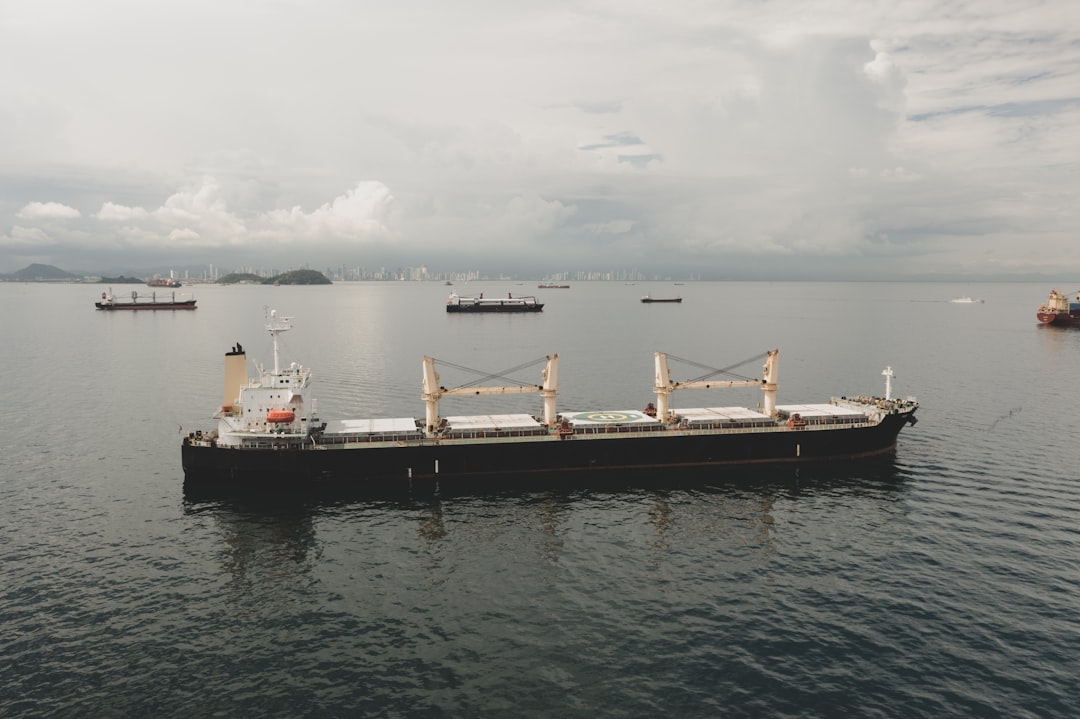
The Panama Canal stands as one of the most significant engineering marvels of the 20th century, revolutionizing maritime trade by providing a shortcut between the Atlantic and Pacific Oceans. Completed in 1914, this 50-mile waterway has facilitated the movement of goods and vessels, drastically reducing travel time and costs for shipping companies. The canal’s strategic importance is substantial; it serves as a vital conduit for global commerce, with thousands of ships passing through its locks annually.
The canal’s operation depends on maintaining precise water levels, which are regulated by rainfall patterns in the region. As a critical conduit for international trade, the Panama Canal has significantly shaped Panama’s economy and has had substantial implications for global supply chains. However, the canal’s functionality is increasingly threatened by environmental factors, particularly droughts that have become more frequent and severe in recent years.
This article examines the current drought affecting Panama, its impact on the canal’s water levels, and the resulting consequences for shipping and global trade.
Panama is currently grappling with a significant drought that has raised alarms among environmentalists, economists, and shipping companies alike. This drought is characterized by an extended period of below-average rainfall, which has led to a substantial decrease in water levels across the country’s rivers and lakes. The phenomenon is attributed to a combination of climate change and natural weather patterns, including El Niño, which disrupts typical precipitation cycles.
As a result, the normally lush and verdant landscape of Panama has been transformed into a parched environment, affecting not only agriculture but also vital water resources. The implications of this drought extend beyond mere inconvenience; they pose a direct threat to the operational capacity of the Panama Canal. The canal relies on freshwater from nearby lakes and rivers to maintain its water levels, which are essential for the functioning of its locks.
With rainfall significantly diminished, the water supply has dwindled, leading to concerns about the canal’s ability to accommodate the large vessels that traverse its waters. This situation has prompted urgent discussions among stakeholders about the long-term sustainability of the canal in light of changing climatic conditions.
The treacherous waters of the
The ongoing drought has had a profound impact on water levels within the Panama Canal, creating a precarious situation for its operations. The canal’s locks require a substantial amount of water to function effectively, as they rely on gravity to fill and empty chambers that allow ships to navigate through different elevations. With reduced rainfall, the lakes that feed into these locks have experienced significant drops in water levels, leading to operational constraints.
The situation has reached a critical point where authorities have had to implement restrictions on vessel traffic to manage the limited water supply. As water levels continue to decline, the Panama Canal Authority has been forced to make difficult decisions regarding ship transit. The reduced capacity not only affects the number of vessels that can pass through but also necessitates adjustments in scheduling and logistics for shipping companies.
This has created a ripple effect throughout global supply chains, as delays in transit times can lead to increased costs and disruptions in delivery schedules. The long-term viability of the canal as a reliable trade route is now under scrutiny, raising questions about how such environmental challenges can be addressed moving forward.
Effects of the low water levels on shipping delays
The low water levels in the Panama Canal have resulted in significant shipping delays that reverberate throughout international trade networks. As vessels are forced to wait longer to transit through the canal, shipping companies face increased operational costs due to extended voyage times and potential penalties for late deliveries. These delays can have cascading effects on supply chains, particularly for industries reliant on just-in-time inventory systems where timely delivery is crucial.
Moreover, the situation has led to heightened competition among shipping companies for available slots in the canal. With fewer vessels able to transit at any given time, companies are scrambling to secure their place in line, often resulting in increased freight rates. This surge in costs can ultimately be passed down to consumers, leading to higher prices for goods across various markets.
The economic implications of these delays extend beyond immediate financial concerns; they also raise questions about the resilience of global trade systems in the face of environmental challenges.
Measures being taken to mitigate the impact of the drought on the Panama Canal
| Metric |
Value |
Unit |
Notes |
| Average Waiting Time for Ships |
5 |
Days |
Increased due to water restrictions during drought |
| Number of Ships Delayed |
150 |
Ships per week |
Higher than normal during peak drought periods |
| Water Level Reduction |
1.5 |
Meters |
Decrease in Gatun Lake affecting canal operations |
| Lock Operation Restrictions |
30 |
Percent |
Reduction in lock usage capacity to conserve water |
| Average Transit Time |
14 |
Hours |
Extended due to slower lock operations |
| Economic Impact |
500 |
Million (estimated) |
Losses due to shipping delays and rerouting |
In response to the ongoing drought and its impact on canal operations, authorities have implemented several measures aimed at mitigating its effects. One of the primary strategies involves optimizing water usage within the canal system itself. This includes enhancing water conservation practices and exploring alternative sources of freshwater to supplement existing supplies.
Additionally, there have been discussions about investing in infrastructure improvements that could increase water retention and management capabilities. Furthermore, collaboration with environmental agencies and research institutions has become essential in understanding and addressing the root causes of drought conditions. By studying rainfall patterns and climate trends, stakeholders hope to develop more effective long-term strategies for managing water resources in a changing climate.
These efforts underscore a growing recognition that sustainable practices are crucial not only for maintaining canal operations but also for safeguarding Panama’s broader environmental health.
Historical context of droughts affecting the Panama Canal
The history of the Panama Canal is intertwined with environmental challenges, including droughts that have periodically affected its operations since its inception. Historical records indicate that fluctuations in rainfall patterns have long been a concern for canal authorities. Notably, significant droughts occurred during the 1980s and early 2000s, prompting similar responses from authorities as those seen today.
These past experiences have provided valuable lessons regarding water management and contingency planning. Understanding this historical context is vital for current stakeholders as they navigate contemporary challenges posed by climate change. The lessons learned from previous droughts highlight the importance of proactive measures and adaptive strategies that can enhance resilience against future environmental fluctuations.
As climate models predict an increase in extreme weather events, including prolonged dry spells, it becomes imperative for authorities to draw upon historical insights while innovating new solutions.
Economic implications of the shipping delays caused by the drought
The economic ramifications of shipping delays due to low water levels in the Panama Canal are far-reaching and multifaceted. For businesses reliant on timely deliveries, these disruptions can lead to increased operational costs and potential revenue losses. Industries such as manufacturing, retail, and agriculture are particularly vulnerable, as delays can result in stock shortages or missed market opportunities.
The ripple effects can extend beyond individual companies; entire sectors may experience downturns if supply chain disruptions become widespread. Moreover, as shipping costs rise due to increased freight rates and longer transit times, consumers may ultimately bear the brunt of these economic pressures through higher prices for goods. This inflationary effect can strain household budgets and contribute to broader economic instability.
Policymakers must consider these implications when addressing the challenges posed by drought conditions, as they seek solutions that balance environmental sustainability with economic viability.
Environmental concerns related to the drought and its impact on the Panama Canal
The environmental concerns stemming from the current drought extend beyond immediate operational challenges for the Panama Canal. The reduction in water levels not only affects shipping but also poses risks to local ecosystems that depend on stable freshwater supplies. Aquatic habitats may suffer as rivers and lakes recede, impacting fish populations and other wildlife that rely on these environments for survival.
Additionally, reduced water flow can lead to increased salinity levels in estuaries, further threatening biodiversity. Furthermore, there are broader implications for climate resilience in Panama as a whole. The ongoing drought highlights vulnerabilities within regional ecosystems that may be exacerbated by climate change.
As temperatures rise and precipitation patterns shift, it becomes increasingly important for policymakers and environmentalists to prioritize sustainable practices that protect both natural resources and economic interests. Addressing these concerns requires a holistic approach that considers both immediate needs and long-term ecological health.
International response to the shipping delays and the drought in Panama
The international response to shipping delays caused by drought conditions in Panama has been marked by collaboration among various stakeholders across multiple sectors. Shipping companies have begun to engage with local authorities to better understand operational constraints and explore potential solutions together. This collaborative approach aims to minimize disruptions while ensuring that vessels can continue to transit through the canal as efficiently as possible.
Additionally, international organizations and governments have expressed concern over the situation, recognizing its potential impact on global trade dynamics. Some countries have initiated discussions about providing technical assistance or resources to support Panama’s efforts in managing its water resources more effectively. This global engagement underscores an understanding that challenges faced by one nation can resonate throughout interconnected economies worldwide.
Future outlook for the Panama Canal and potential long-term solutions to mitigate the impact of droughts
Looking ahead, the future outlook for the Panama Canal hinges on proactive measures aimed at addressing both immediate challenges posed by drought conditions and long-term sustainability goals. Authorities are increasingly recognizing that innovative solutions will be necessary to adapt to changing climatic conditions while maintaining operational efficiency. Potential strategies include investing in advanced water management technologies that enhance conservation efforts or exploring alternative routes for shipping that could alleviate pressure on the canal during periods of low water availability.
Moreover, fostering partnerships with environmental organizations can facilitate research into sustainable practices that protect both natural resources and economic interests. By prioritizing resilience-building initiatives now, stakeholders can better prepare for future challenges posed by climate change while ensuring that one of the world’s most vital trade routes remains functional for generations to come.
Conclusion and summary of the current situation with the Panama Canal drought and shipping delays
In summary, the current drought affecting Panama presents significant challenges for both local communities and global trade networks reliant on the Panama Canal. As water levels decline due to prolonged dry conditions, shipping delays have become increasingly common, leading to economic repercussions felt across various industries worldwide. The situation underscores an urgent need for effective water management strategies that prioritize sustainability while addressing immediate operational constraints.
As stakeholders navigate this complex landscape, collaboration among governments, businesses, and environmental organizations will be essential in developing innovative solutions that mitigate future impacts of droughts on this critical maritime artery. By learning from historical experiences and embracing adaptive strategies, there is hope for preserving not only the functionality of the Panama Canal but also its role as a cornerstone of international commerce amidst an evolving climate landscape.
The recent drought affecting the Panama Canal has led to significant shipping delays, impacting global trade routes and supply chains. For a deeper understanding of the implications of these delays and the broader context of maritime logistics, you can read more in this related article on the topic: Real Lore and Order.
WATCH THIS! 🚢 The Red Sea is burning. Panama is drying up. And the Drake Passage
FAQs
What is causing the Panama Canal drought?
The Panama Canal drought is primarily caused by reduced rainfall and prolonged dry weather conditions in the region, which have led to lower water levels in the canal’s reservoirs.
How does the drought affect shipping through the Panama Canal?
The drought reduces the amount of water available to operate the canal’s locks, leading to restrictions on the size and number of ships that can pass through, causing delays and increased transit times.
What types of delays are ships experiencing due to the drought?
Ships may face longer waiting times for transit slots, reduced cargo loads to meet draft restrictions, and rescheduling of shipments, all contributing to overall shipping delays.
Are there any measures being taken to mitigate the impact of the drought on the Panama Canal?
Yes, the Panama Canal Authority has implemented water conservation measures, adjusted transit schedules, and imposed draft restrictions to manage water usage and maintain canal operations during the drought.
How long is the drought expected to impact the Panama Canal?
The duration of the impact depends on weather patterns and rainfall recovery in the region. It may last until sufficient rainfall replenishes the canal’s reservoirs, which could take several months.
What alternatives do shipping companies have if the Panama Canal is delayed?
Shipping companies may reroute vessels around the Cape Horn or use other maritime routes, though these alternatives typically increase transit time and fuel costs.
How significant is the Panama Canal for global shipping?
The Panama Canal is a critical maritime route that connects the Atlantic and Pacific Oceans, facilitating approximately 5% of global trade and significantly reducing shipping distances and times.
Has the Panama Canal experienced similar drought-related issues before?
Yes, the Panama Canal has faced drought-related challenges in the past, but the frequency and severity of such events have increased due to changing climate patterns.
What impact does the drought have on global supply chains?
Delays and restrictions at the Panama Canal can disrupt supply chains by causing shipment delays, increasing transportation costs, and affecting the timely delivery of goods worldwide.
Can climate change be linked to the Panama Canal drought?
While individual weather events cannot be solely attributed to climate change, scientific studies suggest that climate change contributes to altered rainfall patterns and increased frequency of extreme weather events, which may influence drought conditions in the Panama Canal region.