The Panama Canal, a monumental feat of engineering, serves as a pivotal artery in global maritime trade. Its strategic location, connecting the Atlantic and Pacific Oceans, has rendered it indispensable for international shipping. However, the canal’s capacity, while vast, is finite, and access to its transit slots is a subject of constant management and significant commercial interest. Understanding the mechanisms of slot availability is crucial for stakeholders, ranging from shipping lines to logistics planners.
The Panama Canal functions as a complex logistic system, designed to facilitate the passage of vessels efficiently and safely. This involves a precise orchestration of various elements, from pilotage to lock operations, all contributing to the overall transit process. Learn more about global trade and its impact on the economy.
Lock Systems and Vessel Passage
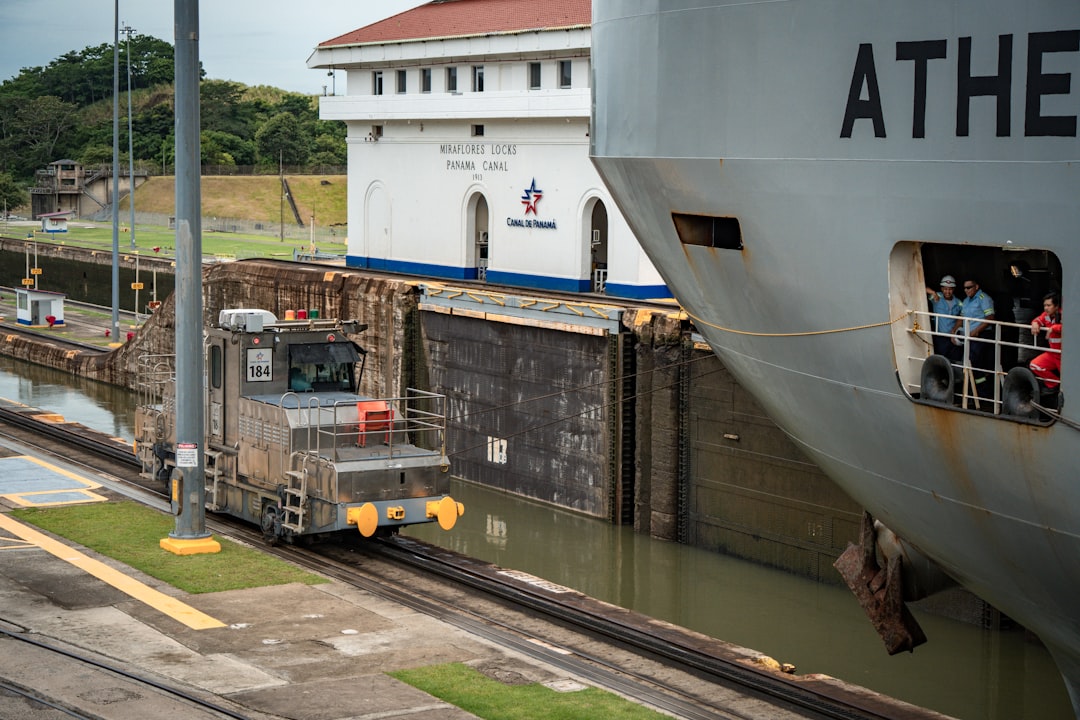
The canal utilizes a series of locks – the Gatun, Pedro Miguel, and Miraflores locks on the original canal, and the Cocoli and Agua Clara locks on the Expanded Canal – to raise and lower vessels between sea level and Gatun Lake. Each lock chamber accommodates a specific number of vessels per cycle, typically one or two depending on their size. The original locks accommodate smaller vessels, known as Panamax, while the Neo-Panamax locks handle significantly larger New Panamax vessels. This distinction is critical in understanding slot allocation, as the two sets of locks operate largely independently in terms of vessel handling capacity.
Pilotage and Tugboat Requirements
Every vessel transiting the Panama Canal is mandated to embark a Canal pilot. These pilots possess intimate knowledge of the canal’s currents, depths, and operational protocols, ensuring safe navigation. Tugboats are also essential, assisting larger vessels with maneuvering through the narrow channels and into the lock chambers. The availability of these critical personnel and equipment directly impacts the maximum number of transits that can be facilitated within a given period. Limitations in pilot numbers or tugboat availability can create bottlenecks, irrespective of lock capacity.
Scheduling and Queue Management
The Panama Canal Authority (ACP) employs sophisticated scheduling systems to manage the flow of vessels. This involves a delicate balance between scheduled transits, booked through various mechanisms, and vessels arriving on a first-come, first-served basis. The ultimate goal is to minimize waiting times and maximize throughput, while adhering to safety regulations and operational constraints. The canal operates on a 24-hour basis, but certain transits, particularly those involving hazardous cargo or oversized vessels, may be restricted to daylight hours or specific tidal windows, further influencing scheduling complexity.
For those interested in the latest updates regarding Panama Canal transit slot availability, a related article can be found at this link. This article provides insights into the current scheduling challenges and the impact on global shipping routes, making it a valuable resource for maritime professionals and logistics companies navigating the complexities of canal operations.
Mechanisms for Acquiring Transit Slots
Acquiring a transit slot through the Panama Canal involves a multi-pronged approach, catering to different operational needs and levels of urgency. The ACP has established a system that balances scheduled services with flexibility for ad-hoc transits.
Booking System and Advance Reservations
The primary method for securing transit slots is through the advance booking system. Shipping lines can reserve slots weeks or even months in advance, providing predictability for their schedules and supply chains. This system operates on a principle of pre-payment and firm commitment, with penalties for cancellations or no-shows. The booking system offers different tiers of reservation, with higher priority options available for a premium fee. This allows carriers to essentially “buy” their place in line, a testament to the commercial value placed on guaranteed transit times.
Auction System for Premium Slots
For those requiring immediate or highly flexible transit, the ACP operates an auction system. These auctions are typically for a limited number of “premium” slots that become available due to cancellations, operational adjustments, or as part of a strategic allocation by the ACP. The bidding process can be competitive, with prices fluctuating based on demand, the time of year, and prevailing market conditions. This system highlights the scarcity value of canal transit, especially during peak seasons or periods of high demand. For the shipping company facing a critical deadline, paying a substantial premium for an auctioned slot can be a commercially viable decision.
First-Come, First-Served (FCFS) Transits
While the booking and auction systems manage a significant portion of traffic, a contingent of transit slots is reserved for vessels arriving on a first-come, first-served basis. This option is generally less predictable and can involve extended waiting periods, particularly during periods of high congestion or when unexpected operational disruptions occur. For smaller vessels or those with less time-sensitive cargo, the FCFS option can be a cost-effective alternative, though it necessitates greater flexibility in scheduling. The risk associated with FCFS is the potential for significant delays, which can snowball into missed port calls and supply chain disruptions.
Factors Influencing Slot Availability
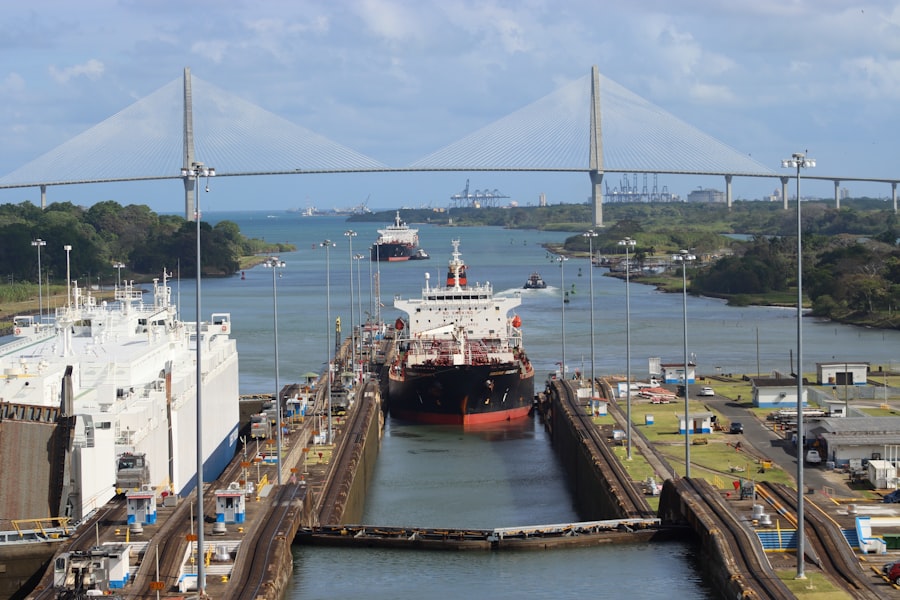
The availability of transit slots is not static but rather a dynamic interplay of numerous factors, both internal to canal operations and external market forces. Understanding these influences is paramount for any entity relying on the canal.
Weather Conditions and Environmental Factors
Weather plays a significant role in canal operations. Fog, heavy rains, strong winds, and tropical storms can lead to delays or even temporary closures of the canal, impacting transit schedules and reducing available slots. Furthermore, water levels in Gatun Lake, which supplies the water for the lock operations, are a critical environmental factor. Prolonged droughts can lead to draft restrictions, limiting the size of vessels that can transit and consequently reducing overall capacity. Climate change projections suggest that water scarcity may become an increasingly prominent factor in future slot availability.
Maintenance and Infrastructure Upgrades
Like any large-scale infrastructure, the Panama Canal requires ongoing maintenance and periodic upgrades. These activities, while necessary for the long-term functionality of the canal, invariably impact slot availability. Scheduled maintenance on lock gates, electro-mechanical systems, or dredging operations in the navigation channels can temporarily reduce the number of available transit slots. The ACP attempts to schedule these interventions during periods of lower demand to minimize disruption, but some impact is unavoidable. Major expansion projects, such as the construction of the Neo-Panamax locks, also temporarily create disruptions during their implementation phase.
Global Economic Trends and Shipping Demand
The overall health of the global economy and the associated demand for shipping services directly correlates with the demand for Panama Canal transits. During periods of strong economic growth, trade volumes increase, leading to higher demand for shipping capacity and, consequently, greater pressure on canal transit slots. Conversely, economic downturns can lead to reduced demand and increased slot availability. This external market force acts as a powerful tide, influencing the ease or difficulty of securing a transit.
The Impact of Scarcity on Global Trade
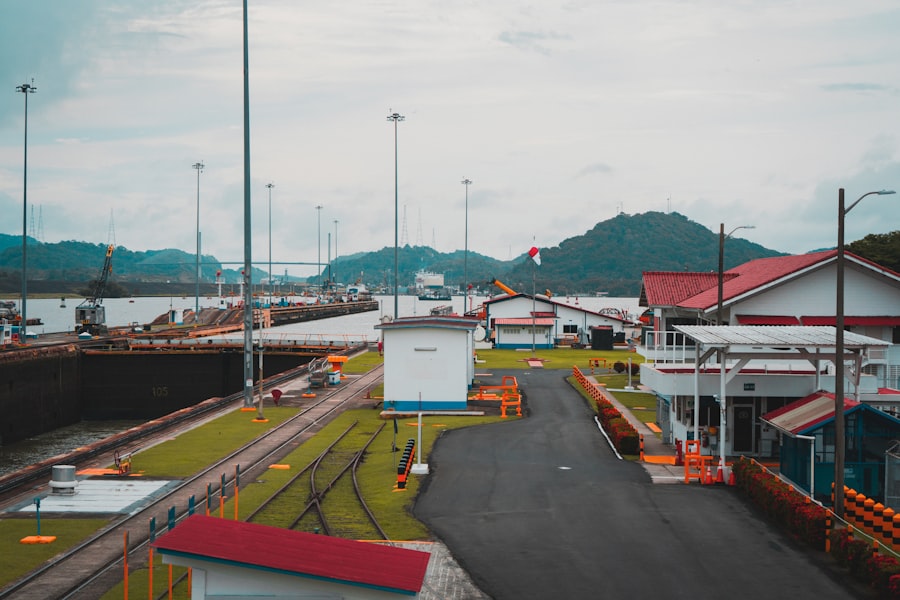
The inherent scarcity of Panama Canal transit slots, particularly for premium options, creates ripple effects throughout the global supply chain, impacting costs, schedules, and strategic decisions for shipping companies and ultimately, consumers.
Increased Shipping Costs and Surcharges
When transit slots become scarce, their value increases. This is reflected in higher auction prices, increased booking fees, and the imposition of surcharges by shipping lines to compensate for potential delays or the cost of premium slot acquisition. These increased costs are ultimately passed down the supply chain, affecting the price of goods for end consumers. For example, a surge in demand for liquified natural gas (LNG) tankers transiting the canal can significantly inflate the cost of transporting LNG, influencing energy prices globally.
Route Diversions and Supply Chain Resilience
Facing limited slot availability or prohibitive costs, some shipping lines may opt to bypass the Panama Canal entirely, choosing alternative routes such as the Suez Canal or around the Cape of Good Hope. While these alternative routes offer predictability in terms of transit time (barring geopolitical disruptions), they are often significantly longer, leading to higher fuel consumption, increased operational costs, and extended delivery times. This underscores the need for supply chain resilience, as businesses must have contingency plans for potential disruptions at critical chokepoints like the Panama Canal.
Strategic Planning and Competitive Advantage
For shipping companies, understanding and effectively managing Panama Canal transit slot availability is a crucial element of strategic planning and a source of competitive advantage. Those with reliable strategies for securing slots, whether through advance bookings, strategic bidding in auctions, or robust contingency plans, can offer more predictable and efficient services to their clients. This foresight allows them to optimize vessel utilization, manage fuel expenditure, and ensure timely delivery, differentiating them in a competitive market.
The Panama Canal has been experiencing fluctuations in transit slot availability, which can significantly impact shipping schedules and logistics. For a deeper understanding of how these changes affect global trade and maritime operations, you can explore a related article that discusses the implications of these transit limitations. This insightful piece can be found at this link, providing valuable information for those interested in the dynamics of canal operations.
Future Outlook and Challenges
| Date | Total Transit Slots | Booked Slots | Available Slots | Percentage Availability | Average Waiting Time (hours) |
|---|---|---|---|---|---|
| 2024-06-01 | 40 | 35 | 5 | 12.5% | 3 |
| 2024-06-02 | 40 | 38 | 2 | 5% | 5 |
| 2024-06-03 | 40 | 40 | 0 | 0% | 7 |
| 2024-06-04 | 40 | 33 | 7 | 17.5% | 2 |
| 2024-06-05 | 40 | 36 | 4 | 10% | 4 |
The Panama Canal stands at a crossroads, navigating a future shaped by climate change, evolving geopolitical landscapes, and technological advancements. The question of transit slot availability will continue to be a central tenet of its operational strategy.
Climate Change and Water Scarcity
The most significant long-term challenge facing slot availability is the increasing impact of climate change, particularly as it relates to water scarcity in the Canal watershed. Reduced rainfall during dry seasons or more intense but less frequent rainfall events could exacerbate issues with water levels in Gatun Lake. The ACP has invested in water conservation measures and is exploring various solutions for water management, but the challenge remains formidable. Future decisions regarding infrastructure, water management policies, and potentially even operational procedures will be heavily influenced by these climatic shifts.
Technological Advancements and Automation
The ACP is continuously evaluating and implementing technological advancements to enhance efficiency and optimize slot utilization. Automation in lock operations, advanced vessel tracking systems, and Artificial Intelligence (AI) driven scheduling algorithms hold the potential to increase throughput and reduce human error. These innovations could lead to a more dynamic and responsive slot allocation system, potentially increasing the effective capacity of the canal without physical expansion. The integration of “smart” technologies promises to refine the intricate dance of vessels through the locks.
Geopolitical Influences and Trade Patterns
Global geopolitical events and shifts in international trade patterns can dramatically impact the demand for Panama Canal transits. Trade agreements, conflicts, and economic sanctions can alter shipping routes and commodity flows, directly influencing the pressure on canal capacity. For example, shifts in energy demands or commodity production in Asia or the Americas can create new transit requirements. The canal, therefore, remains intricately linked to the broader tapestry of international relations and global commerce, making its operational planning a constant adaptation to an ever-changing world.
In conclusion, the Panama Canal’s transit slot availability is a multifaceted issue, governed by a confluence of operational mechanics, commercial imperatives, environmental factors, and global economic forces. For anyone involved in maritime logistics, a thorough understanding of these dynamics is not merely beneficial but essential. The canal remains a vital conduit for global trade, and its ability to efficiently manage the flow of vessels, amidst growing demand and evolving challenges, will continue to shape the contours of international commerce.
WATCH THIS! 🌍 GLOBAL TRADE IS A LIE: How Three Chokepoints Control Your Calendar
FAQs
What is the Panama Canal transits slot availability?
Panama Canal transits slot availability refers to the scheduling and allocation of time slots for vessels to pass through the Panama Canal. Due to high demand and limited capacity, ships must reserve transit slots in advance to ensure timely passage.
How can shipping companies check Panama Canal slot availability?
Shipping companies can check slot availability through the Panama Canal Authority’s official website or their authorized booking platforms. These platforms provide real-time information on available transit windows and allow for reservations.
Why is slot availability important for Panama Canal transits?
Slot availability is crucial because the Panama Canal operates on a fixed schedule with limited daily transit capacity. Proper slot management helps prevent congestion, reduces waiting times, and ensures efficient canal operations.
How far in advance should vessels book their Panama Canal transit slots?
It is recommended that vessels book their transit slots several weeks to months in advance, especially during peak shipping seasons, to secure preferred transit times and avoid delays.
Are there different types of transit slots for the Panama Canal?
Yes, the Panama Canal offers different types of transit slots, including regular transits, priority transits, and emergency transits. Priority slots may be available for vessels requiring expedited passage, often at an additional cost.
What factors can affect Panama Canal slot availability?
Factors affecting slot availability include seasonal shipping demand, maintenance or repair work on the canal, weather conditions, and unexpected operational disruptions.
Can transit slots be changed or canceled after booking?
Yes, transit slots can typically be changed or canceled according to the Panama Canal Authority’s policies. However, changes may be subject to availability and potential fees.
Is there a cost associated with reserving a Panama Canal transit slot?
While the primary cost is the transit toll based on vessel size and type, there may be additional fees for priority bookings or changes to reserved slots.
How does the Panama Canal Authority manage slot allocation during high demand?
During periods of high demand, the Panama Canal Authority may implement scheduling measures such as prioritizing certain vessel types, adjusting transit windows, or increasing operational hours to maximize throughput.
Where can I find official updates on Panama Canal transit slot availability?
Official updates and announcements regarding slot availability can be found on the Panama Canal Authority’s website and through their official communication channels.