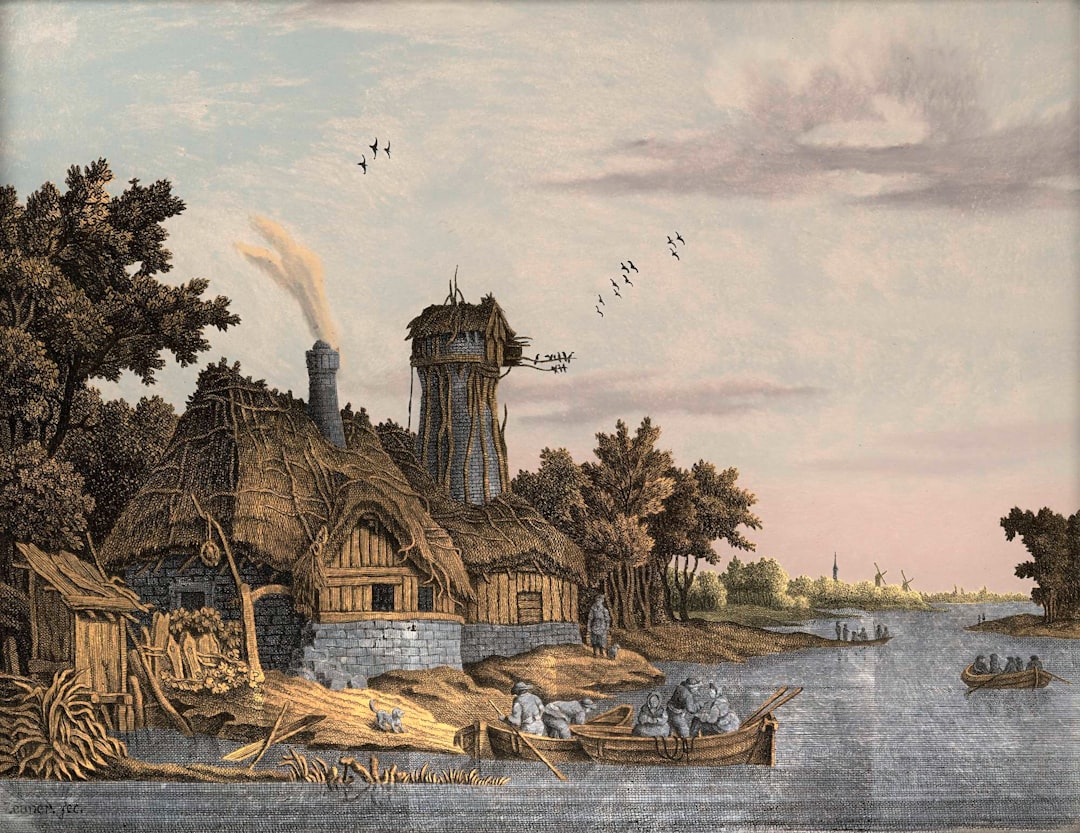
Throughout history, the art of warfare has evolved significantly, yet the fundamental principles of siege tactics have remained remarkably consistent. Ancient civilizations faced the challenge of breaching fortified cities and strongholds, leading to the development of various strategies aimed at overcoming these formidable defenses. Siege warfare was not merely about brute force; it involved a complex interplay of psychological tactics, resource management, and innovative engineering.
The ancient world witnessed a range of methods, from battering rams and siege towers to more insidious strategies like the poisoning of water supplies.
Commanders had to consider the layout of the land, the strength of their own troops, and the morale of both their soldiers and the enemy.
The use of deception, diversion, and psychological manipulation played crucial roles in these confrontations. Among the most nefarious tactics employed was the poisoning of wells, a method that not only incapacitated defenders but also instilled fear and despair within besieged populations. This article delves into the significance of water sources in ancient warfare, explores historical examples of poisoned wells, and examines the broader implications of such tactics on siege warfare.
Key Takeaways
- Ancient siege tactics involved various methods to gain advantage over the enemy, including poisoning water sources.
- Water sources were crucial in ancient warfare, and controlling or poisoning them could greatly impact the outcome of a siege.
- Historical examples show that poisoning wells was a common tactic in ancient siege warfare, with instances dating back to ancient Greece and Rome.
- Methods of poisoning wells in ancient times included using toxic substances such as animal carcasses, plant extracts, and even human waste.
- Poisoned wells had a significant impact on siege warfare, causing widespread illness, demoralization, and sometimes even surrender of the besieged city or fortress.
The Importance of Water Sources in Ancient Warfare
Water has always been a critical resource in warfare, particularly in ancient times when armies relied heavily on natural sources for sustenance. The availability of fresh water could determine the outcome of a siege, as it directly affected the health and morale of troops. A well-supplied army could withstand prolonged engagements, while a besieged city cut off from its water supply faced dire consequences.
Commanders understood that controlling water sources was as vital as breaching walls or defeating enemy forces in open battle. In many ancient cities, wells and aqueducts were lifelines that sustained not only the military garrison but also the civilian population. The strategic importance of these resources made them prime targets during sieges.
By cutting off access to water or contaminating it, besieging forces could weaken their opponents without engaging in direct combat. This tactic not only diminished the defenders’ physical strength but also eroded their will to resist, creating an atmosphere of desperation that could lead to surrender.
Historical Examples of Poisoned Wells in Siege Warfare
The use of poisoned wells is documented in various historical accounts, illustrating its effectiveness as a siege tactic. One notable example comes from the siege of Jerusalem in 70 CE during the First Jewish-Roman War.
As supplies dwindled, reports emerged that Roman soldiers had poisoned wells within the city, exacerbating the suffering of the inhabitants and hastening their eventual capitulation. Another significant instance occurred during the siege of Carthage in 146 BCE. As Roman legions encircled the city, they employed various strategies to undermine Carthaginian defenses.
Historical texts suggest that Roman forces resorted to contaminating water sources to weaken their adversaries further. The psychological impact of such actions was profound; not only did it physically debilitate the defenders, but it also instilled a sense of hopelessness among those trapped within the city walls.
Methods of Poisoning Wells in Ancient Times
| Method | Poison Used | Effect |
|---|---|---|
| Adding toxic plants | Various poisonous plants | Caused illness or death to those who drank the water |
| Animal carcasses | Decomposing animal remains | Contaminated the water and made it undrinkable |
| Chemical substances | Various toxic substances | Caused illness or death to those who consumed the water |
The methods employed to poison wells varied widely depending on available resources and local knowledge. In many cases, ancient armies utilized natural toxins derived from plants or minerals. For instance, certain herbs known for their toxic properties could be introduced into water supplies with devastating effects.
The use of arsenic or other heavy metals was also documented, as these substances could contaminate water sources without immediate detection. In addition to chemical agents, more direct methods were sometimes employed. Besieging forces might physically block wells with corpses or refuse, effectively rendering them unusable.
This tactic not only contaminated the water but also served as a psychological weapon, instilling fear and revulsion among defenders who would be forced to confront such gruesome realities. The ingenuity displayed in these methods underscores the lengths to which ancient commanders would go to secure victory.
The Impact of Poisoned Wells on Siege Warfare
The impact of poisoned wells on siege warfare was profound and multifaceted. First and foremost, it served as an effective means of weakening enemy forces without direct confrontation. By contaminating water supplies, besieging armies could induce illness and despair among defenders, leading to a decline in morale and fighting capability.
This tactic often expedited surrenders, allowing victors to avoid costly assaults on fortified positions. Moreover, the psychological ramifications of poisoned wells extended beyond immediate physical effects. The fear of contamination could lead to panic among defenders, causing them to abandon their posts or make rash decisions in an attempt to secure clean water.
This chaos could be exploited by besieging forces to launch surprise attacks or infiltrate weakened defenses. Thus, poisoned wells became a tool not only for physical attrition but also for psychological manipulation in the theater of war.
Countermeasures and Defense Against Poisoned Wells
As knowledge of poisoned wells spread among ancient armies, so too did countermeasures designed to protect against such tactics. Defenders often took proactive steps to secure their water supplies by employing vigilant guards and fortifying access points to wells. In some cases, cities constructed multiple wells or cisterns to ensure redundancy in their water supply systems, making it more difficult for besieging forces to completely cut off access.
Additionally, ancient commanders developed strategies for detecting contamination in water sources. Techniques such as testing for unusual tastes or odors became common practice among military leaders who understood the importance of maintaining clean water supplies during sieges. These countermeasures reflected an evolving understanding of siege warfare and highlighted the necessity for adaptability in response to enemy tactics.
Psychological Warfare and the Use of Poisoned Wells
The use of poisoned wells transcended mere physical warfare; it was also a potent form of psychological warfare. The act of contaminating a vital resource instilled fear not only among defenders but also within civilian populations who relied on those same water sources for survival. The knowledge that an enemy could strike at such a fundamental aspect of life created an atmosphere of dread that permeated throughout besieged cities.
Moreover, tales of poisoned wells often spread beyond the immediate conflict zone, serving as cautionary tales for other cities facing potential sieges. The reputation for ruthlessness associated with such tactics could deter potential resistance or encourage surrender before hostilities even began. Thus, poisoned wells became a tool for psychological manipulation that extended far beyond individual battles.
Ethical Considerations and Taboos Surrounding Poisoned Wells
The use of poisoned wells raises significant ethical considerations that have persisted throughout history. While warfare has always involved acts deemed necessary for survival or victory, poisoning a vital resource like water challenges moral boundaries. Many ancient cultures held strong beliefs regarding the sanctity of water as a life-giving force; thus, contaminating it was often viewed as an act of extreme barbarism.
These ethical dilemmas were not lost on military leaders; some chose to avoid such tactics altogether due to their potential for indiscriminate harm against non-combatants. The taboo surrounding poisoned wells reflects broader societal values regarding warfare and humanity’s relationship with nature. As civilizations evolved, so too did their understanding of ethical conduct in battle, leading to ongoing debates about what constitutes acceptable behavior during armed conflict.
The Legacy of Poisoned Wells in Modern Warfare
The legacy of poisoned wells extends into modern warfare, where similar tactics have been employed under different guises. While contemporary conflicts may not involve literal poisoning of water supplies in the same manner as ancient sieges, the concept of targeting essential resources remains relevant today. Modern military strategies often focus on disrupting supply chains and access to vital infrastructure as a means of weakening adversaries.
Furthermore, discussions surrounding chemical warfare and environmental destruction echo historical practices involving poisoned wells. The ethical implications remain contentious; just as ancient commanders grappled with moral dilemmas surrounding contamination tactics, modern leaders face similar challenges regarding the use of chemical agents or other means that threaten civilian populations and ecosystems.
The Archaeological Evidence of Poisoned Wells in Ancient Siege Sites
Archaeological investigations have uncovered evidence supporting historical accounts of poisoned wells in ancient siege sites. Excavations at locations such as Jerusalem and Carthage have revealed remnants of contaminated water sources alongside artifacts indicative of prolonged sieges. These findings provide tangible links between historical narratives and physical evidence, shedding light on the realities faced by those involved in these conflicts.
In addition to physical remnants, written records from ancient historians offer insights into the strategies employed during sieges and the consequences faced by those who fell victim to poisoned wells. Such interdisciplinary approaches—combining archaeology with historical analysis—allow for a more nuanced understanding of how these tactics shaped ancient warfare and influenced subsequent generations.
Lessons Learned from Ancient Siege Tactics and Poisoned Wells
The study of ancient siege tactics and the use of poisoned wells reveals profound lessons about human conflict and resource management in warfare. As civilizations grappled with the challenges posed by fortified cities and resilient defenders, they developed increasingly sophisticated strategies that encompassed both physical and psychological dimensions. The significance placed on water sources underscores their role as essential lifelines in times of crisis.
Moreover, ethical considerations surrounding poisoned wells remind contemporary societies that warfare is not merely a contest of strength but also a reflection of moral values and humanity’s relationship with nature. As modern conflicts continue to evolve, understanding these historical precedents can inform contemporary discussions about warfare ethics and resource management in times of crisis. Ultimately, the legacy of poisoned wells serves as a cautionary tale about the lengths to which humanity may go in pursuit of victory—and the enduring impact such actions can have on societies long after the battles have ceased.
In ancient warfare, the use of poisoned wells was a notorious tactic employed during sieges to weaken enemy forces and instill fear. This method not only contaminated a vital resource but also served as a psychological weapon against besieged populations. For a deeper exploration of such historical strategies and their implications, you can read more in the article on Real Lore and Order.
WATCH THIS! 15 Ancient Weapons That BROKE History (And Were Hidden)
FAQs
What were ancient siege tactics?
Ancient siege tactics were military strategies and methods used to capture or besiege a fortified city or stronghold. These tactics included various methods of assault, blockade, and undermining the defenses of the enemy.
What were poisoned wells used for in ancient siege tactics?
Poisoned wells were used as a tactic to weaken the defenders of a besieged city by contaminating their water supply. This would make the defenders more vulnerable to disease and dehydration, ultimately weakening their ability to resist the siege.
How were wells poisoned during ancient sieges?
During ancient sieges, wells were often poisoned by dumping toxic substances such as animal carcasses, feces, or other contaminants into the water source. This would render the water undrinkable and potentially harmful to those who consumed it.
Were poisoned wells an effective tactic in ancient sieges?
Poisoning wells was considered an effective tactic in ancient sieges as it could weaken the defenders and make them more susceptible to illness and dehydration. However, it was also a controversial tactic as it could harm civilians and non-combatants within the besieged city.
Did ancient civilizations have any defenses against poisoned wells?
Ancient civilizations developed various methods to defend against poisoned wells, such as digging new wells, using water from alternative sources, or boiling water to purify it. Some cities also built underground cisterns to store water, protecting it from contamination.