Polar Orbit Courier Drones: Revolutionizing Delivery
The logistics industry, a foundational element of global commerce, has long been characterized by a relentless pursuit of efficiency and speed. While advancements in land and sea transportation have been incremental, the realm of aerial logistics has seen a paradigm shift with the emergence of polar orbit courier drones. These advanced uncrewed aerial vehicles, operating in low Earth orbit, represent a significant departure from conventional delivery methods, promising to reshape how goods are transported across vast distances and even to previously inaccessible locations. This article will explore the technical underpinnings, operational capabilities, and the multifaceted implications of this revolutionary technology.
The success of polar orbit courier drones hinges on a convergence of sophisticated technologies, each playing a crucial role in enabling their unique operational profile. The design and functionality of these drones differ significantly from their terrestrial counterparts, requiring specialized engineering to operate effectively in the vacuum of space and to navigate Earth’s atmosphere for delivery.
Orbital Mechanics and Trajectory Planning
The fundamental principle behind polar orbit courier drones is their utilization of a polar orbit. This specific orbital path, which passes over or very near the Earth’s geographic poles, allows the drone to eventually traverse every point on the planet’s surface over time. Unlike geostationary orbits, which keep a satellite fixed above a single point on the equator, polar orbits provide global coverage.
Understanding Polar Orbits
A polar orbit is characterized by a high inclination, typically close to 90 degrees. This means the spacecraft’s trajectory is nearly perpendicular to the Earth’s equator. As the Earth rotates beneath the orbiting drone, the drone’s path effectively sweeps across the planet, providing repeated coverage of different regions. For delivery purposes, this means a drone in a polar orbit can pass over a designated delivery point multiple times within a 24-hour period, allowing for flexible scheduling.
Precision Trajectory Control
For effective delivery, precise control over the drone’s trajectory is paramount. This involves sophisticated navigation systems that account for orbital mechanics, atmospheric drag (during descent and ascent), and the Earth’s rotation. Inertial navigation systems (INS) are often augmented by GPS or other satellite-based positioning systems, but these may be less reliable in polar regions. Therefore, robust autonomous navigation capabilities are essential.
Advanced Propulsion and Re-entry Systems
Operating in space and then re-entering the atmosphere necessitates robust propulsion and specialized re-entry systems. The energy required to achieve and maintain orbit, along with the controlled descent and ascent for delivery, presents significant engineering challenges.
Orbital Insertion and Maintenance
Achieving orbit requires substantial velocity. Drones are typically launched from Earth-based or space-based platforms using powerful rocket stages. Once in orbit, maintaining the desired altitude and trajectory requires thrusters that can perform orbital maneuvers. These thrusters are designed for efficiency and long operational life, often utilizing cold gas thrusters or advanced electric propulsion systems.
Controlled Atmospheric Re-entry and Ascent
The most critical and complex aspect of delivery for polar orbit courier drones is the controlled re-entry into Earth’s atmosphere and subsequent ascent back into orbit or to a recovery platform. This requires thermal protection systems to withstand the extreme heat generated by atmospheric friction. Aerodynamic control surfaces, along with precisely controlled engine burns, are necessary to manage descent speed and trajectory, ensuring a safe and accurate approach to the delivery zone. After delivery, the drone must be capable of ascending back to a suitable orbit or a designated recovery area. This often involves reusable rocket stages or advanced vertical take-off and landing (VTOL) capabilities.
Payload Handling and Secure Delivery Mechanisms
The core function of these drones is to deliver payloads. This necessitates sophisticated mechanisms for securing, transporting, and releasing cargo without compromising its integrity or the drone’s operational stability.
Autonomous Payload Management
Drones will need to autonomously manage their payloads from the point of loading to the point of delivery. This includes secure attachment systems, weight distribution management, and pre-programmed release sequences. The systems must be robust enough to withstand the stresses of launch, orbital travel, and atmospheric re-entry.
Cryogenic and Sensitive Cargo Handling
Future iterations of polar orbit courier drones may be tasked with transporting highly sensitive or temperature-controlled goods, such as medical supplies, organs for transplant, or specialized biological materials. This will require integrated cryogenic systems, advanced insulation, and redundant environmental controls within the drone’s payload bay.
Polar orbit courier drones are revolutionizing the logistics industry by enabling efficient delivery services across remote and challenging terrains. These drones operate in a unique orbit that allows them to cover vast areas with minimal energy consumption, making them ideal for transporting goods to hard-to-reach locations. For a deeper understanding of how advanced technologies have evolved over time and their potential implications, you might find the article on ancient technologies intriguing. It explores the concept of lost technologies and their relevance to modern advancements. You can read more about it here: The Lost Technology: Evidence of Ancient Purge.
Operational Capabilities and Deployment Scenarios
The operational capabilities of polar orbit courier drones open up a wide range of deployment scenarios, addressing current logistical bottlenecks and creating new opportunities for commerce and critical service provision.
Global Reach and Unprecedented Speed
The primary advantage of polar orbit courier drones is their ability to traverse vast distances with remarkable speed, bypassing geographical limitations and terrestrial infrastructure constraints.
Transcontinental and Intercontinental Deliveries
Imagine urgent medical supplies or critical spare parts delivered from one continent to another in a matter of hours, rather than days or weeks. Polar orbit drones can achieve this by traveling at orbital velocities during their transit phases. This drastically reduces lead times for time-sensitive items.
Accessing Remote and Underserved Regions
Areas that are difficult or expensive to reach via traditional transportation methods—such as remote islands, polar research stations, or disaster-stricken zones—can become accessible. The drone’s ability to descend and ascend from orbit allows for direct delivery without the need for extensive ground infrastructure.
Polar orbit courier drones are revolutionizing the way we deliver goods, especially in remote areas where traditional logistics face challenges. These drones can efficiently traverse vast distances, ensuring timely deliveries regardless of geographical barriers. For a deeper understanding of the implications of advanced technologies in logistics and their potential impact on national security, you might find this article on the Defense Production Act and property seizure in national emergencies insightful. It highlights how such regulations can intersect with emerging technologies. You can read more about it here.
Rapid Response and Emergency Services
The speed and global reach of these drones make them ideal for rapid response applications, particularly in situations where time is of the essence.
Disaster Relief and Humanitarian Aid
In the immediate aftermath of natural disasters, where infrastructure may be destroyed, polar orbit drones can deliver essential supplies like food, water, medicine, and communication equipment to affected populations before conventional aid can arrive.
Medical Emergencies and Organ Transportation
The efficient transport of organs for transplantation is a critical and time-sensitive operation. Polar orbit drones could significantly reduce the transit time, increasing the viability of organs and the number of successful transplants. Similarly, emergency delivery of specialized medical equipment or life-saving drugs to remote locations would be feasible.
Specialized Industrial and Scientific Applications
Beyond general logistics, polar orbit courier drones can serve specialized industrial and scientific needs, leveraging their unique capabilities.
High-Value Component Delivery
For industries with intricate supply chains, such as aerospace or advanced manufacturing, the ability to quickly deliver high-value, specialized components across continents can minimize production downtime and optimize inventory management.
Deployment and Retrieval of Scientific Instruments
Scientific expeditions in remote or dangerous environments could benefit from drones that can deliver equipment or retrieve samples without requiring personnel to travel to hazardous locations. This could include deploying sensors in extreme weather conditions or retrieving geological samples from difficult terrain.
Economic and Societal Implications
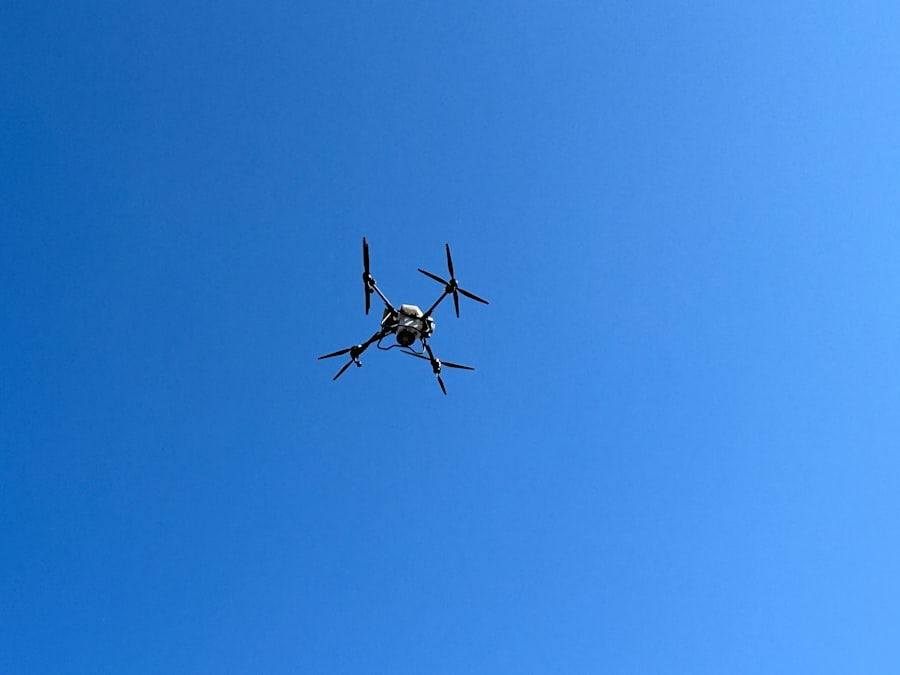
The widespread adoption of polar orbit courier drones is poised to trigger significant economic restructuring and profound societal shifts, impacting everything from global trade patterns to individual consumption habits.
Reshaping Global Supply Chains
The efficiency and speed offered by these drones can fundamentally alter the economics of global supply chains, potentially leading to a decentralization of manufacturing and a reduction in the need for large, centralized distribution hubs.
Just-in-Time Delivery at a Global Scale
The concept of “just-in-time” manufacturing, which relies on precise delivery of components exactly when they are needed, could be extended to a global scale. This would reduce the need for companies to hold large inventories, freeing up capital and reducing warehousing costs.
Increased Competitiveness for Businesses
Businesses, regardless of their size or location, could gain access to a more efficient and cost-effective delivery network. This could level the playing field, allowing smaller enterprises to compete more effectively with larger corporations by reducing their logistical barriers.
Impact on Consumer Behavior and Expectations
As delivery times shrink and more goods become readily accessible, consumer expectations will undoubtedly shift, fostering new consumption patterns and demanding greater responsiveness from businesses.
Enhanced On-Demand Services
The ability to receive goods within hours, rather than days, will likely fuel a surge in on-demand services. Consumers may expect immediate fulfillment for a wider range of products, from everyday necessities to specialized items.
Potential for New E-commerce Models
New e-commerce models could emerge that leverage the speed and reach of these drones. This might include subscription services that promise near-instantaneous replenishment of goods or marketplaces that facilitate hyper-local as well as global on-demand purchasing.
Environmental Considerations and Sustainability Debates
While the technology offers significant advantages, its environmental impact and sustainability will be a critical area of debate and development.
Energy Consumption and Emissions
The energy required for rocket launches and orbital operations is substantial. The development of cleaner propulsion systems, reusable launch vehicles, and efficient orbital maneuvers will be crucial to mitigate the environmental footprint of this technology.
Space Debris and Orbital Congestion
An increase in the number of spacecraft in orbit, including courier drones, raises concerns about space debris and orbital congestion. Robust regulations and responsible operational practices, including de-orbiting strategies for retired drones, will be essential to maintain the safety and usability of Earth’s orbital environment.
Challenges and Future Development Pathways

Despite the immense potential, the realization of polar orbit courier drones faces significant hurdles that will require sustained innovation and strategic investment to overcome.
Technological Hurdles and Safety Concerns
Several key technological challenges need to be addressed before these drones can become a widespread and reliable delivery system.
Reusability and Longevity of Components
The economic viability of polar orbit courier drones hinges on the extensive reusability of their components, particularly rocket stages and orbital maneuvering thrusters. Developing materials and systems that can withstand multiple launches, orbital operations, and re-entries without significant degradation will be crucial.
Autonomous Navigation and Hazard Avoidance in Urban Environments
While orbital navigation is complex, the most challenging aspect of delivery for these drones will be their safe and autonomous operation in densely populated urban areas. This includes precision landing, avoidance of obstacles such as buildings and aircraft, and navigation in varying weather conditions. Advanced sensor fusion, artificial intelligence, and real-time environmental mapping will be essential.
Regulatory Frameworks and Airspace Management
The introduction of a new class of aerial vehicles operating in both orbital and atmospheric domains will necessitate the development of comprehensive international regulatory frameworks. This includes defining operational parameters, safety standards, licensing requirements, and protocols for airspace integration.
Economic Viability and Market Adoption
The high cost of development and deployment presents a significant economic challenge, requiring substantial investment and a clear path to profitability.
Cost of Launch and Operations
The cost of rocket launches remains a significant barrier. Continued advancements in launch vehicle technology, such as fully reusable rockets and potentially space elevator concepts, will be necessary to reduce operational expenses. Furthermore, the cost of in-orbit maintenance and servicing of drones will also be a factor.
Public Perception and Trust
Gaining public trust and acceptance for a technology that involves vehicles operating at high speeds in and out of the atmosphere will be paramount. Demonstrating a strong safety record, transparency in operations, and addressing public concerns about noise, privacy, and potential risks will be vital for widespread adoption.
Ethical Considerations and Societal Impact Management
The disruptive nature of this technology necessitates careful consideration of its ethical implications and proactive management of its societal impact.
Job Displacement and Workforce Retraining
Automation in logistics has historically led to job displacement. The widespread adoption of autonomous delivery systems will likely accelerate this trend, requiring proactive measures for workforce retraining and the creation of new job opportunities in areas such as drone maintenance, programming, and oversight.
Equity and Accessibility Concerns
Ensuring that the benefits of this advanced delivery system are accessible to all segments of society, not just the affluent, will be a critical challenge. Governments and private entities will need to collaborate to ensure that remote and underserved communities are not left behind and that the technology does not exacerbate existing inequalities.
The advent of polar orbit courier drones represents not merely an incremental improvement in delivery speed but a fundamental re-imagining of global logistics. While the path to widespread implementation is paved with significant technical, economic, and regulatory challenges, the potential rewards—in terms of speed, accessibility, and the creation of new economic opportunities—are substantial. Continued research, responsible development, and thoughtful societal integration will be key to unlocking the full transformative power of this revolutionary technology.
FAQs
What are polar orbit courier drones?
Polar orbit courier drones are unmanned aerial vehicles designed to operate in polar orbits around the Earth. They are used for delivering cargo and supplies to remote locations, including areas that are difficult to access by traditional means of transportation.
How do polar orbit courier drones differ from traditional drones?
Polar orbit courier drones are specifically designed to operate in polar orbits, which means they travel from the North Pole to the South Pole and back. This allows them to cover a larger area and reach remote locations that are not easily accessible by traditional drones.
What are the advantages of using polar orbit courier drones for delivery?
Polar orbit courier drones offer several advantages for delivery, including the ability to reach remote and inaccessible areas, reduced delivery times, and lower costs compared to traditional delivery methods. They also have the potential to reduce the environmental impact of delivery operations.
What are the challenges of using polar orbit courier drones?
Challenges of using polar orbit courier drones include the need for advanced navigation and communication systems to operate in remote and harsh environments, as well as regulatory and logistical hurdles related to operating in polar regions. Additionally, extreme weather conditions and limited daylight in polar regions can impact drone operations.
What are some potential applications of polar orbit courier drones?
Polar orbit courier drones have the potential to be used for delivering medical supplies to remote communities, transporting goods to research stations in polar regions, and supporting disaster relief efforts in hard-to-reach areas. They could also be used for monitoring and surveillance purposes in remote and inaccessible regions.