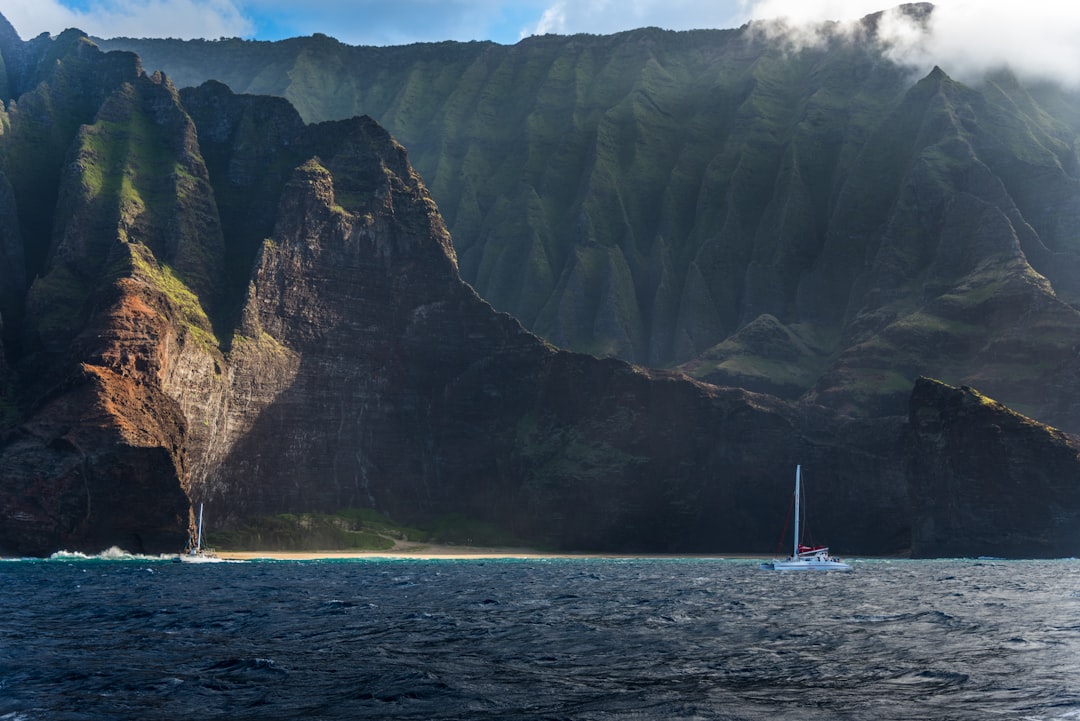
Polynesian navigation is a remarkable testament to human ingenuity and adaptability. As you delve into the world of these ancient navigators, you will discover a rich tapestry of skills and knowledge that allowed them to traverse vast oceanic expanses long before the advent of modern navigational tools. The Polynesians, with their deep understanding of the natural world, were able to explore and settle islands scattered across the Pacific Ocean, demonstrating an extraordinary connection to their environment.
This article will take you on a journey through the history, techniques, and cultural significance of Polynesian navigation, revealing how these ancient practices continue to inspire and inform contemporary navigation. As you explore this fascinating subject, you will come to appreciate the complexity and sophistication of Polynesian wayfinding. Unlike many other cultures that relied heavily on compasses and maps, Polynesians developed a unique system based on keen observation and an intimate understanding of the ocean’s rhythms.
Their ability to navigate without instruments is not just a skill; it is a profound expression of their relationship with nature. By examining the history and techniques of Polynesian navigation, you will gain insight into how these ancient mariners charted their courses across the vast Pacific, leaving an indelible mark on the history of exploration.
Key Takeaways
- Polynesian navigation relies on wayfinding techniques using stars, ocean swells, and natural cues without modern instruments.
- Wayfinding holds deep cultural significance and is traditionally passed down through oral traditions.
- Traditional navigation tools include star maps, wave pattern observations, and environmental knowledge.
- Modern efforts focus on reviving and preserving these ancient navigation skills amid contemporary challenges.
- Polynesian navigation significantly influenced global exploration and maritime history.
History of Polynesian Navigation Techniques
The history of Polynesian navigation is as vast as the ocean itself. It is believed that the first Polynesians set sail from Southeast Asia around 2000 years ago, embarking on a journey that would lead them to the remote islands of the Pacific. As you trace their journey, you will find that these early navigators relied on a combination of environmental cues and traditional knowledge passed down through generations.
They developed sophisticated techniques that allowed them to navigate thousands of miles across open water, often without sight of land for days or even weeks. One of the most remarkable aspects of Polynesian navigation is its evolution over time. As you delve deeper into this history, you will discover how navigators adapted their techniques based on their experiences and the unique characteristics of different regions.
For instance, the navigators of the Marquesas Islands developed distinct methods suited to their specific environment, while those from Hawaii honed their skills in a different context.
Importance of Wayfinding in Polynesian Culture
Wayfinding is not merely a practical skill in Polynesian culture; it is deeply intertwined with identity, spirituality, and community. As you explore this aspect of Polynesian life, you will find that navigation is often viewed as a sacred art, one that connects individuals to their ancestors and the natural world. The act of navigating is imbued with cultural significance, serving as a means of storytelling and preserving history.
Each voyage undertaken by a navigator is not just a journey across water; it is a continuation of a legacy that has been passed down through generations. In Polynesian society, wayfinding also plays a crucial role in fostering community bonds. Navigators are often revered figures, respected for their knowledge and skills.
As you learn about the communal aspects of navigation, you will see how voyages are often undertaken as collective endeavors, with entire communities coming together to support and celebrate their navigators. This sense of unity reinforces the importance of wayfinding as a cultural cornerstone, ensuring that the knowledge and traditions associated with navigation are preserved for future generations.
The Role of Stars and Celestial Bodies in Polynesian Navigation
Stars and celestial bodies are fundamental to Polynesian navigation, serving as guiding lights for wayfinders traversing the vast Pacific Ocean. As you immerse yourself in this topic, you will discover how navigators learned to read the night sky like an open book, using constellations and celestial movements to chart their courses. The stars provided not only direction but also a sense of time and distance, allowing navigators to gauge their progress across the open sea.
The knowledge of celestial navigation was meticulously cultivated over centuries, with navigators passing down their understanding of star patterns and their significance. You will find that different islands had unique star lore, with specific constellations holding particular meanings for various communities. This intricate relationship between stars and navigation highlights the profound connection between Polynesians and their environment, showcasing how they harnessed the cosmos to guide them on their journeys.
Use of Ocean Swells and Wave Patterns in Wayfinding
| Metric | Value | Description |
|---|---|---|
| Distance Navigated | Up to 2,500 miles | Typical range Polynesian navigators traveled between islands without instruments |
| Navigation Techniques | Star paths, wave patterns, bird flight | Primary natural cues used for navigation |
| Voyage Duration | Several days to weeks | Time taken for long-distance voyages across the Pacific |
| Number of Islands Connected | Over 1,000 | Islands in Polynesia linked through traditional navigation routes |
| Celestial Bodies Used | ~20 major stars and constellations | Stars commonly used to determine direction and position |
| Wave Pattern Recognition | High accuracy | Skill level in interpreting ocean swells to maintain course |
| Training Duration | Several years | Time required to master traditional navigation skills |
In addition to celestial navigation, Polynesians also relied heavily on their understanding of ocean swells and wave patterns. As you delve into this aspect of wayfinding, you will learn how experienced navigators could interpret subtle changes in wave behavior to determine their location and direction. The ocean is not just a vast expanse of water; it is a dynamic environment with its own rhythms and patterns that can be read by those who know how.
Navigators would observe the way waves interacted with islands and reefs, using this information to navigate safely through treacherous waters. You will come to appreciate how this skill required not only keen observation but also an intuitive understanding of the ocean’s behavior. By mastering the art of reading swells and waves, Polynesian navigators were able to traverse vast distances with remarkable accuracy, further demonstrating their deep connection to the sea.
Traditional Navigation Tools and Techniques
While much of Polynesian navigation relied on observation and intuition, traditional navigators also employed various tools and techniques to aid them in their journeys.
This ingenious device allowed them to visualize the night sky in relation to their position on Earth, providing a framework for understanding direction.
Another essential tool was the “paddle,” which served not only as a means of propulsion but also as a tool for measuring distances traveled. Navigators would use rhythmic paddling techniques to maintain speed and direction while keeping track of their progress. You will find that these tools were not merely functional; they were imbued with cultural significance, often crafted with care and passed down through generations as symbols of identity and heritage.
Passing Down Wayfinding Knowledge through Oral Tradition
The transmission of wayfinding knowledge in Polynesian culture is primarily rooted in oral tradition. As you delve into this aspect, you will learn how stories, songs, and chants played a vital role in preserving navigational knowledge across generations. Elders would share tales of voyages, recounting experiences that highlighted key techniques and lessons learned at sea.
This oral tradition ensured that vital information was not lost but rather celebrated and integrated into the fabric of community life. You will come to appreciate how this method of knowledge transfer fosters a deep sense of connection among community members. By engaging in storytelling sessions or participating in navigational training, younger generations are not only learning practical skills but also reinforcing their cultural identity.
This communal approach to education emphasizes the importance of collective memory in preserving wayfinding traditions for future generations.
Modern Revival of Polynesian Navigation
In recent years, there has been a resurgence of interest in traditional Polynesian navigation techniques. As you explore this modern revival, you will find that many communities are actively working to reclaim and revitalize these ancient practices. Organizations dedicated to preserving Polynesian culture have emerged, offering training programs for aspiring navigators and promoting awareness about the significance of wayfinding in contemporary society.
This revival is not just about nostalgia; it represents a powerful movement toward cultural empowerment and self-determination. You will see how younger generations are embracing their heritage by participating in traditional voyages and learning from experienced navigators. This renewed interest serves as a reminder that ancient knowledge can still hold relevance today, inspiring individuals to reconnect with their roots while navigating the complexities of modern life.
Challenges and Limitations of Wayfinding Without Instruments
While Polynesian navigation is celebrated for its ingenuity, it is essential to acknowledge the challenges faced by navigators who relied solely on traditional methods. As you consider these limitations, you will recognize that navigating without instruments requires an immense amount of skill and experience. Factors such as changing weather conditions or unfamiliar waters can pose significant challenges for even the most seasoned navigator.
Moreover, as modern technology continues to advance, there is a risk that traditional navigation techniques may be overshadowed or forgotten. You may find yourself reflecting on the delicate balance between embracing modern advancements while preserving ancient practices. The challenge lies in ensuring that future generations appreciate the value of traditional wayfinding methods even as they navigate an increasingly digital world.
Impact of Polynesian Navigation on Global Exploration
The impact of Polynesian navigation extends far beyond the Pacific Islands; it has influenced global exploration in profound ways. As you examine this topic, you will discover how Polynesian navigators were among the first to demonstrate that long-distance ocean travel was possible without modern instruments. Their voyages inspired later explorers who sought to chart new territories across uncharted waters.
You may find it fascinating that many principles derived from Polynesian navigation have been integrated into contemporary maritime practices. The emphasis on environmental observation and intuitive understanding resonates with modern navigators who seek sustainable ways to interact with our oceans. By recognizing the contributions of Polynesian navigators to global exploration, you can appreciate how their legacy continues to shape our understanding of navigation today.
Preserving and Promoting Polynesian Navigation Techniques
As you reflect on the significance of Polynesian navigation techniques, it becomes clear that preserving these practices is essential for future generations. Efforts are underway within communities to promote awareness about traditional wayfinding methods through educational programs, workshops, and cultural events. By engaging younger generations in these initiatives, communities are fostering a sense of pride in their heritage while ensuring that valuable knowledge is not lost.
You may also consider how technology can play a role in promoting traditional navigation techniques. Digital platforms can serve as valuable resources for sharing stories, training materials, and interactive experiences related to wayfinding. By leveraging modern tools while honoring ancient practices, there is potential for a harmonious coexistence that enriches both cultural heritage and contemporary understanding.
In conclusion, your exploration into Polynesian navigation reveals a world rich with history, culture, and innovation. From ancient techniques rooted in observation to modern revivals celebrating this heritage, wayfinding remains an integral part of Polynesian identity. By recognizing its significance and supporting efforts to preserve these traditions, you contribute to ensuring that this remarkable legacy endures for generations to come.
Polynesian navigation is a remarkable skill that relies on the natural environment rather than modern instruments. Navigators use the stars, ocean swells, and bird behavior to find their way across vast distances in the Pacific. For those interested in exploring more about this fascinating topic, you can read a related article on the subject at Real Lore and Order. This resource delves into the techniques and cultural significance of traditional Polynesian navigation methods.
WATCH THIS! 🔍 Archaeologists REFUSE to Explain This Ancient Machine
FAQs
What is Polynesian navigation without instruments?
Polynesian navigation without instruments refers to the traditional wayfinding techniques used by Polynesian voyagers to navigate vast ocean distances using natural cues rather than modern tools like compasses or GPS.
How did Polynesians navigate across the ocean without instruments?
Polynesians used observations of the stars, ocean swells, wind patterns, bird flight paths, cloud formations, and the color of the sea to determine direction and locate islands.
What natural elements were most important in Polynesian navigation?
Key natural elements included the position of stars and constellations, the direction and pattern of ocean swells, the behavior of seabirds, cloud shapes over islands, and the color and clarity of the water.
Did Polynesian navigators use maps or charts?
Traditional Polynesian navigators did not use written maps or charts. Instead, they memorized complex knowledge of environmental signs and oral traditions passed down through generations.
How accurate was Polynesian navigation without instruments?
Polynesian navigation was highly accurate, enabling voyagers to travel thousands of miles across open ocean and successfully reach small, remote islands.
Are Polynesian navigation techniques still used today?
Yes, some Polynesian navigators continue to practice traditional wayfinding methods, and there has been a revival of interest in these skills through cultural education and voyages on traditional canoes.
What is the significance of Polynesian navigation in history?
Polynesian navigation is significant because it demonstrates advanced indigenous knowledge and seafaring skills that allowed the settlement of one of the largest oceanic regions in the world long before modern navigation tools existed.
How were navigational skills passed down in Polynesian culture?
Navigational skills were passed down orally from master navigators to apprentices through storytelling, practical training, and memorization of environmental patterns and star paths.
What role did the stars play in Polynesian navigation?
Stars were crucial for determining direction at night. Navigators memorized the rising and setting points of key stars and constellations to maintain their course across the ocean.
Can Polynesian navigation be learned by people outside the culture?
Yes, with proper training and guidance from experienced navigators, people outside Polynesian culture can learn traditional navigation techniques, though it requires dedication and practice.