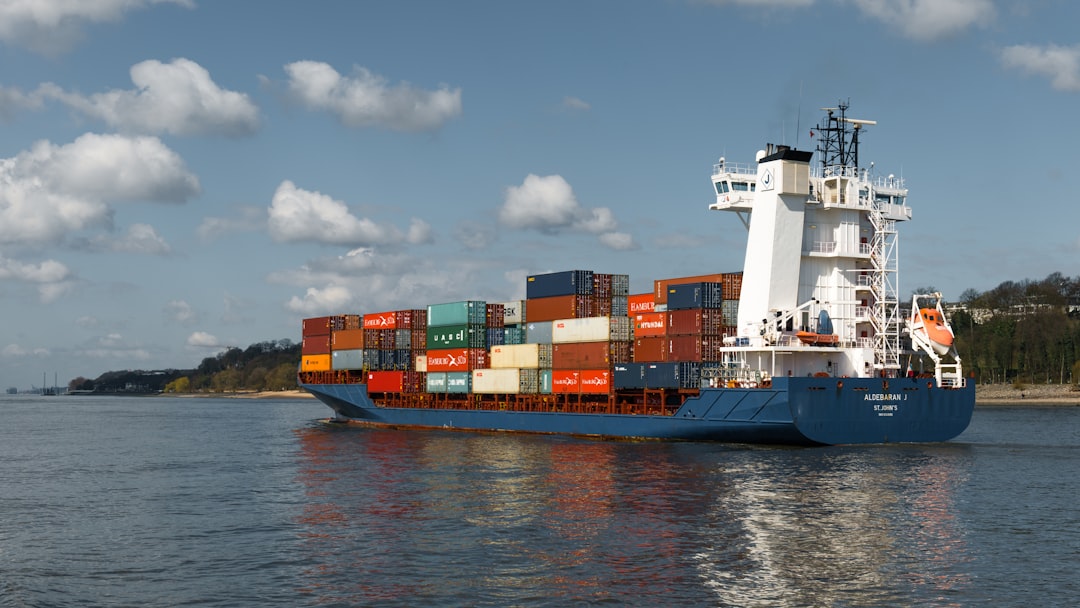
Port authorities serve essential functions in global maritime commerce by managing shipping routes and regulating maritime traffic. Their responsibilities include implementing safety protocols, enforcing environmental standards, and coordinating logistics to ensure efficient cargo movement. Port authorities work with shipping companies, government agencies, and local communities to maintain operational standards and address infrastructure needs.
Effective port management requires strategic planning to accommodate growing international trade volumes. Port authorities must balance multiple objectives: maintaining navigable channels, ensuring vessel safety, protecting marine environments, and supporting economic competitiveness. As shipping patterns and trade routes evolve, port authorities adjust their operations and policies to meet changing demands.
The coordination between port authorities and various stakeholders—including vessel operators, customs officials, and regional governments—is fundamental to maintaining functional shipping routes. Port authorities also address infrastructure challenges, such as dredging requirements, berth capacity, and terminal operations, which directly impact the efficiency of international trade networks.
Key Takeaways
- Port authorities play a crucial role in managing and regulating shipping routes to ensure efficient and safe maritime traffic.
- Their decisions significantly impact global trade by influencing shipping logistics, costs, and route accessibility.
- Collaboration between port authorities and shipping companies is essential for optimizing route management and operational efficiency.
- Port authorities balance economic benefits with environmental and security considerations in their control of shipping routes.
- Technological innovations are increasingly adopted by port authorities to address challenges and enhance the future of shipping route management.
The Role of Port Authorities in Managing Shipping Routes
Port authorities are responsible for a wide array of functions that directly impact the management of shipping routes. They oversee the infrastructure necessary for maritime operations, including docks, terminals, and navigational aids. By ensuring that these facilities are well-maintained and equipped to handle the demands of modern shipping, port authorities facilitate the smooth movement of vessels in and out of ports.
This operational efficiency is crucial for minimizing delays and optimizing the flow of goods, which ultimately benefits the global supply chain. In addition to infrastructure management, port authorities also play a vital role in regulatory oversight. They establish and enforce rules governing shipping operations, including safety standards, environmental regulations, and customs procedures.
These regulations are designed to protect not only the interests of shipping companies but also the safety of crews and the environment. By maintaining a balance between operational efficiency and regulatory compliance, port authorities help to create a stable and predictable environment for maritime trade. The treacherous waters of the Drake Passage are known for their unpredictable weather and challenging navigation.
The Impact of Port Authority Regulations on Shipping Routes
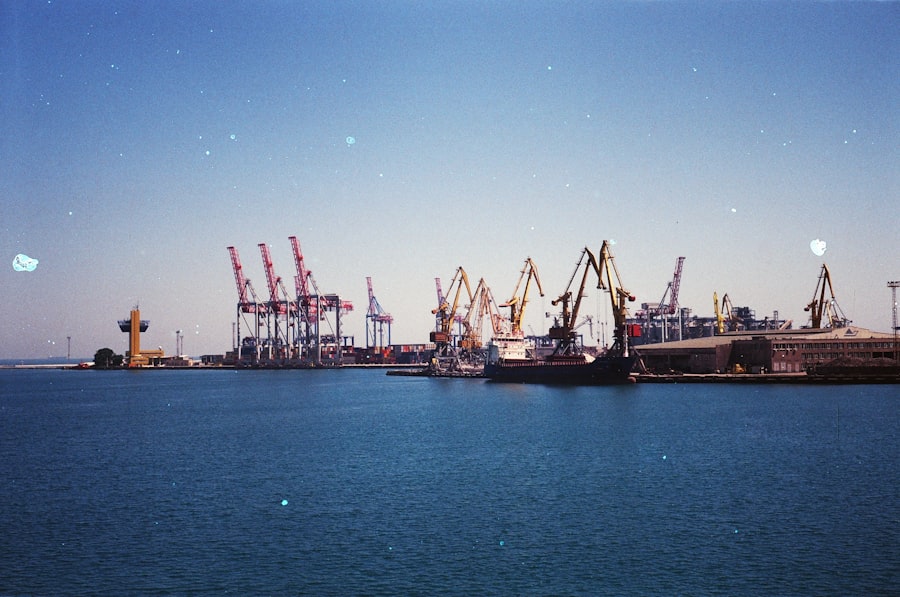
The regulations imposed by port authorities have far-reaching implications for shipping routes. These rules can dictate everything from vessel traffic patterns to cargo handling procedures, influencing how efficiently goods are transported across oceans. For instance, stringent safety regulations may require ships to adhere to specific navigational protocols, which can affect route planning and scheduling.
While these regulations are essential for ensuring safety, they can also introduce complexities that shipping companies must navigate. Moreover, port authority regulations can impact the competitiveness of different shipping routes. Ports that offer streamlined processes and favorable regulatory environments may attract more shipping traffic than those with cumbersome regulations.
This competitive dynamic can lead to shifts in trade patterns as companies seek to optimize their logistics and reduce costs. Consequently, port authorities must strike a delicate balance between enforcing necessary regulations and fostering an environment conducive to trade.
The Influence of Port Authority Decisions on Global Trade
Decisions made by port authorities can significantly influence global trade patterns. For example, when a port authority invests in expanding its facilities or upgrading its technology, it can enhance the port’s capacity to handle larger vessels and increased cargo volumes. This investment not only benefits the local economy but also positions the port as a key player in international trade networks.
As a result, shipping companies may choose to reroute their operations to take advantage of these improvements. Conversely, decisions that lead to congestion or inefficiencies can have detrimental effects on trade. Delays at ports can ripple through supply chains, causing disruptions that affect businesses far beyond the immediate vicinity of the port.
In this context, the strategic choices made by port authorities regarding infrastructure development, resource allocation, and regulatory enforcement can have profound implications for global commerce.
How Port Authorities Collaborate with Shipping Companies to Manage Routes
| Port Authority | Shipping Route | Number of Vessels Controlled (Monthly) | Average Inspection Time (hours) | Compliance Rate (%) | Major Cargo Types |
|---|---|---|---|---|---|
| Port of Singapore Authority | Asia-Europe | 1,200 | 3.5 | 98.7 | Containers, Electronics, Machinery |
| Port of Rotterdam Authority | Europe-North America | 950 | 4.0 | 97.5 | Oil, Chemicals, Automobiles |
| Port of Los Angeles | Trans-Pacific | 1,100 | 3.8 | 96.9 | Containers, Electronics, Apparel |
| Port of Shanghai | Asia-Americas | 1,300 | 3.2 | 99.1 | Containers, Steel, Textiles |
| Port of Hamburg | Europe-Asia | 800 | 4.5 | 95.8 | Machinery, Chemicals, Food Products |
Collaboration between port authorities and shipping companies is essential for effective route management. This partnership often involves regular communication and coordination to address operational challenges and optimize logistics. For instance, port authorities may work closely with shipping lines to develop schedules that minimize congestion during peak times or to implement new technologies that enhance cargo handling efficiency.
Additionally, joint initiatives between port authorities and shipping companies can lead to innovative solutions for common challenges. For example, they may collaborate on sustainability initiatives aimed at reducing emissions from vessels or improving waste management practices within port facilities. Such partnerships not only enhance operational efficiency but also contribute to the overall sustainability of maritime trade.
The Importance of Port Authority Control in Ensuring Safety and Security of Shipping Routes
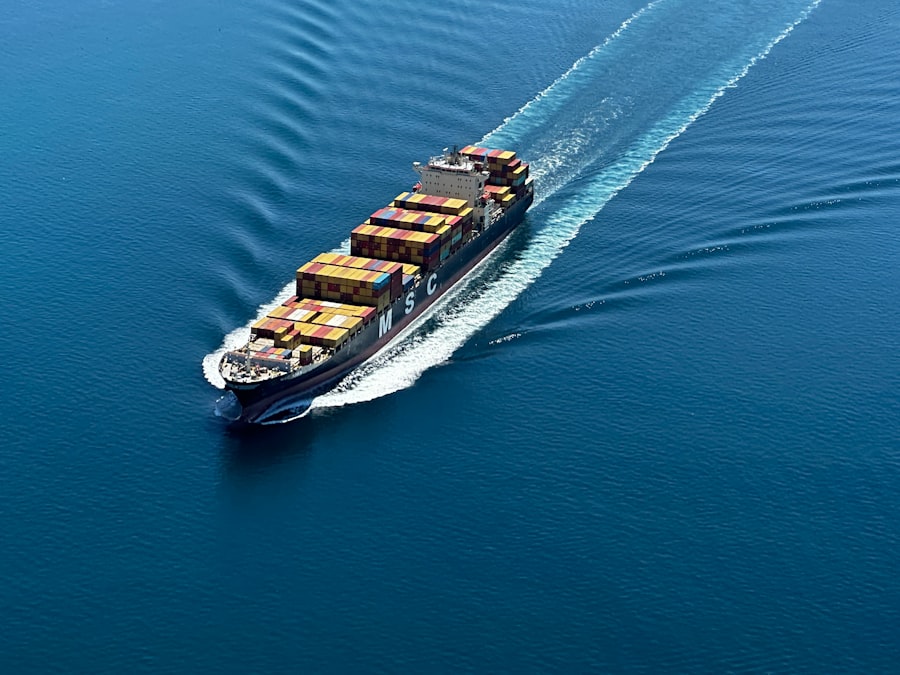
Safety and security are paramount concerns for port authorities as they manage shipping routes. The potential risks associated with maritime operations—ranging from accidents at sea to security threats—underscore the need for robust oversight and regulation. Port authorities implement a variety of safety protocols designed to protect vessels, crews, and cargo from potential hazards.
These measures include regular inspections, emergency response planning, and collaboration with maritime security agencies. Moreover, the security of shipping routes is increasingly challenged by global issues such as piracy, terrorism, and geopolitical tensions. Port authorities must remain vigilant in addressing these threats through comprehensive security strategies that involve both physical measures and technological solutions.
By prioritizing safety and security in their management practices, port authorities help to ensure that shipping routes remain reliable and secure for international trade.
The Economic Implications of Port Authority Control on Shipping Routes
The economic implications of port authority control over shipping routes are significant and multifaceted. Efficiently managed ports can serve as vital economic engines for their regions, generating jobs and stimulating local economies through increased trade activity. When ports operate smoothly and effectively manage shipping routes, they attract more vessels and cargo, leading to higher revenues for both the port authority and local businesses.
Conversely, inefficiencies or disruptions in port operations can have negative economic consequences. Delays in cargo handling or increased transit times can lead to higher costs for shipping companies, which may ultimately be passed on to consumers. Additionally, ports that struggle with congestion or outdated infrastructure may find themselves losing business to more efficient competitors.
Thus, the economic health of a region is closely tied to the effectiveness of its port authority in managing shipping routes.
The Environmental Considerations in Port Authority’s Management of Shipping Routes
Environmental considerations are becoming increasingly important in the management of shipping routes by port authorities. As global awareness of climate change and environmental degradation grows, there is mounting pressure on ports to adopt sustainable practices that minimize their ecological footprint. Port authorities are now tasked with implementing strategies that reduce emissions from vessels, manage waste effectively, and protect marine ecosystems.
One approach taken by many port authorities is the promotion of green technologies within their operations.
By prioritizing environmental sustainability in their management practices, port authorities not only contribute to global efforts to combat climate change but also enhance their reputation as responsible stewards of maritime resources.
Challenges Faced by Port Authorities in Controlling Shipping Routes
Despite their critical role in managing shipping routes, port authorities face numerous challenges that can hinder their effectiveness. One significant challenge is the increasing volume of maritime traffic driven by globalization and e-commerce. As more goods are transported across oceans, ports must adapt their infrastructure and operations to accommodate this growth without sacrificing efficiency or safety.
Additionally, port authorities often grapple with budget constraints that limit their ability to invest in necessary upgrades or expansions. Competing priorities within government budgets can lead to delays in infrastructure projects or insufficient funding for maintenance activities. Furthermore, political factors can complicate decision-making processes within port authorities, as they must navigate various stakeholder interests while striving to maintain operational efficiency.
Innovations and Technologies Used by Port Authorities to Optimize Shipping Routes
To address the challenges they face, many port authorities are turning to innovations and technologies that enhance their ability to manage shipping routes effectively. Advanced data analytics tools allow port authorities to monitor vessel traffic patterns in real-time, enabling them to make informed decisions about scheduling and resource allocation. This data-driven approach helps optimize operations by reducing congestion and improving turnaround times for vessels.
Moreover, automation is playing an increasingly important role in port operations. Automated cranes and cargo handling systems streamline loading and unloading processes, while digital platforms facilitate communication between port authorities and shipping companies. These technological advancements not only improve efficiency but also enhance safety by minimizing human error during critical operations.
The Future of Port Authority Control in Shaping the Shipping Industry
As the shipping industry continues to evolve in response to global trends such as digitalization and sustainability initiatives, the role of port authorities will remain crucial in shaping its future. The ongoing development of smart ports—integrated facilities that leverage technology for enhanced efficiency—will likely redefine how shipping routes are managed. These smart ports will utilize data analytics, automation, and IoT (Internet of Things) technologies to create seamless operations that benefit all stakeholders involved.
Furthermore, as environmental concerns become more pressing, port authorities will need to prioritize sustainable practices in their management strategies. This may involve adopting stricter emissions standards for vessels entering their ports or investing in renewable energy sources for port operations. By embracing innovation and sustainability, port authorities can position themselves as leaders in the maritime industry while ensuring that shipping routes remain efficient and secure for future generations.
In conclusion, the control exerted by port authorities over shipping routes is a multifaceted responsibility that encompasses safety, economic viability, environmental stewardship, and technological innovation. As they navigate the complexities of modern maritime trade, their decisions will continue to shape not only local economies but also global trade dynamics as a whole.
The management of shipping routes by port authorities is crucial for ensuring efficient maritime operations and safety. For a deeper understanding of the implications of port authority control on shipping logistics, you can read more in this related article: Port Authority Control and Shipping Routes. This article explores the various factors that influence shipping routes and the role of port authorities in regulating maritime traffic.
WATCH THIS! 🚢 The Red Sea is burning. Panama is drying up. And the Drake Passage
FAQs
What is port authority control in shipping?
Port authority control refers to the regulatory and operational oversight exercised by a port authority over shipping activities within its jurisdiction. This includes managing vessel traffic, ensuring safety, enforcing environmental regulations, and coordinating the use of port facilities.
Why is port authority control important for shipping routes?
Port authority control is crucial for maintaining safe and efficient navigation within port areas. It helps prevent collisions, manage congestion, protect the environment, and ensure compliance with international and local maritime laws, thereby facilitating smooth shipping operations.
How do port authorities manage shipping routes?
Port authorities manage shipping routes by designating specific channels for vessel movement, implementing traffic separation schemes, monitoring vessel traffic through radar and communication systems, and issuing navigational instructions to ships entering or leaving the port.
What role do port authorities play in environmental protection?
Port authorities enforce environmental regulations by controlling ship emissions, managing ballast water discharge, overseeing waste disposal, and implementing measures to prevent oil spills and other pollution within port areas.
Are shipping routes controlled differently in various ports?
Yes, shipping route control can vary depending on the size, location, and traffic volume of the port. Each port authority establishes rules and procedures tailored to local conditions, navigational hazards, and regulatory requirements.
How do port authorities coordinate with international maritime organizations?
Port authorities collaborate with international bodies such as the International Maritime Organization (IMO) to align local regulations with global standards, participate in information sharing, and implement international conventions related to safety, security, and environmental protection.
Can port authority control affect shipping schedules?
Yes, port authority control can impact shipping schedules due to traffic management, safety inspections, and compliance checks. However, these measures are designed to optimize overall port efficiency and minimize delays.
What technologies are used by port authorities to control shipping routes?
Port authorities use technologies such as Vessel Traffic Services (VTS), Automatic Identification Systems (AIS), radar, GPS, and communication networks to monitor and manage vessel movements within their jurisdiction.
Who is responsible for enforcing port authority control regulations?
Enforcement is typically carried out by port authority officials, harbor masters, and maritime law enforcement agencies who have the authority to inspect vessels, issue fines, and take corrective actions to ensure compliance.
How can shipping companies comply with port authority control requirements?
Shipping companies can comply by adhering to designated routes, following port entry and exit procedures, submitting required documentation, maintaining vessel safety standards, and cooperating with port authority instructions and inspections.