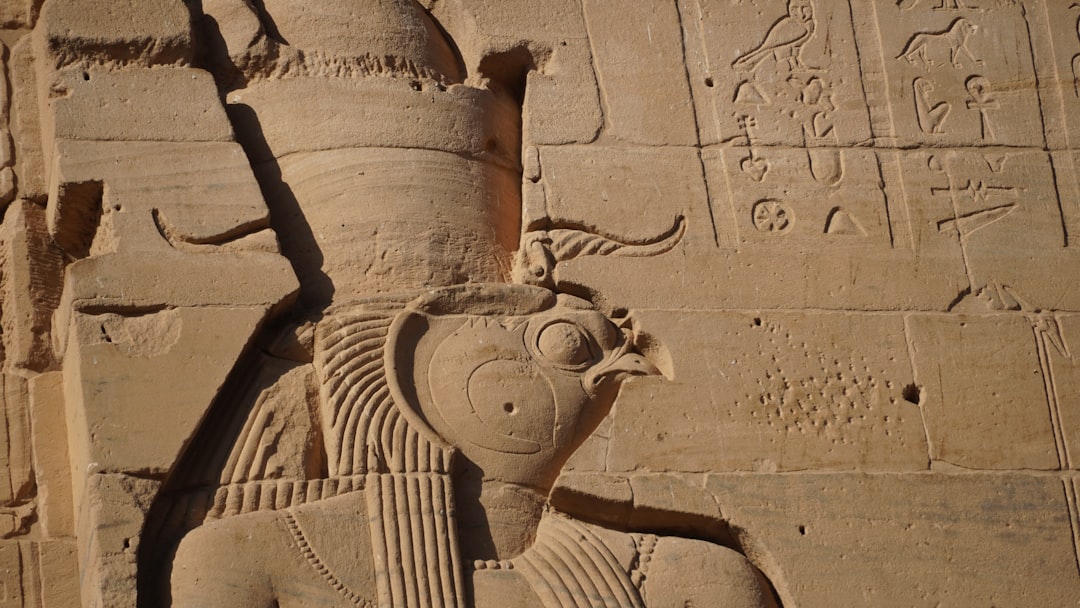
In ancient societies, power was a fundamental element that shaped the social, political, and economic landscapes. It was often concentrated in the hands of a few, typically those who belonged to the elite class, such as kings, priests, and wealthy landowners. These individuals wielded significant influence over their communities, dictating laws, controlling resources, and determining the fate of their subjects.
The nature of power in these societies was multifaceted; it was not merely about authority but also about the ability to maintain order and stability. The elite’s control over power often translated into a hierarchical structure where social mobility was limited, and the common populace had little say in governance. Moreover, the exercise of power in ancient societies was frequently justified through various means, including divine right or ancestral lineage.
Leaders often claimed that their authority was sanctioned by the gods or derived from a long line of rulers, which helped to legitimize their rule. This intertwining of power with religious and cultural beliefs created a framework within which the elite could operate with relative impunity. The consequences of this concentration of power were profound, as it led to the establishment of social norms and practices that favored the elite while marginalizing the lower classes.
Thus, the role of power in ancient societies was not only about governance but also about shaping the very fabric of daily life.
Key Takeaways
- Power played a crucial role in maintaining control and authority in ancient societies.
- Knowledge was closely linked to power, as the elite used education and information to consolidate their dominance.
- The ancient elite maintained control through a combination of military force, economic influence, and the use of religion and mythology.
- Religion and mythology were used to justify and consolidate the power of the ancient elite, shaping the beliefs and behaviors of the society.
- Education and the transmission of knowledge were key tools used by the ancient elite to perpetuate their power and influence over future generations.
The Connection Between Knowledge and Power
Knowledge has always been a crucial component of power dynamics in ancient societies. Those who possessed knowledge—whether it be in the form of literacy, scientific understanding, or religious wisdom—often held significant sway over others. The elite recognized that knowledge could be a tool for control; by monopolizing information, they could maintain their status and influence.
For instance, in many ancient civilizations, literacy was confined to a select few who served as scribes or priests. This limited access to knowledge allowed the elite to dictate narratives and control the flow of information, ensuring that their version of reality prevailed. Furthermore, the connection between knowledge and power extended beyond mere information control.
It also encompassed the ability to innovate and adapt to changing circumstances. In ancient Egypt, for example, advancements in mathematics and engineering enabled the construction of monumental structures like the pyramids, which not only showcased the pharaoh’s power but also reinforced the social order. The elite’s understanding of agricultural practices and resource management further solidified their dominance, as they could manipulate food production to sustain their power base.
Thus, knowledge served as both a weapon and a shield for the elite, allowing them to navigate challenges while suppressing dissent.
How the Ancient Elite Maintained Control
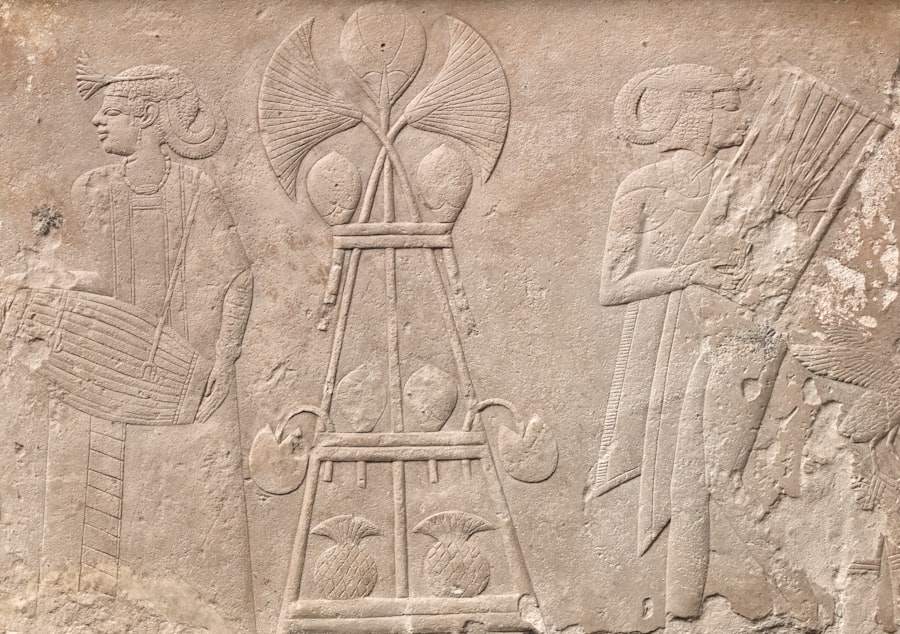
The ancient elite employed various strategies to maintain their control over society. One of the most effective methods was through the establishment of complex bureaucracies that facilitated governance and resource distribution. By creating administrative systems staffed by loyal supporters, the elite could ensure that their policies were implemented effectively and that dissent was minimized.
This bureaucratic structure often included tax collectors, judges, and local leaders who acted as intermediaries between the ruling class and the general populace. Such systems not only reinforced the elite’s authority but also created a sense of order that discouraged rebellion. In addition to bureaucratic control, the elite often relied on patronage systems to secure loyalty among their subjects.
By providing land, protection, or economic opportunities to lower-ranking individuals, they cultivated a network of support that bolstered their position. This practice was particularly evident in feudal societies where lords granted fiefs to vassals in exchange for military service and allegiance. Such relationships created a web of dependency that made it difficult for common people to challenge the status quo.
Through these mechanisms, the ancient elite effectively maintained their grip on power while fostering a culture of loyalty and obedience.
The Use of Religion and Mythology to Consolidate Power
| Religion/Mythology | Power Consolidation | Examples |
|---|---|---|
| Egyptian Mythology | Used to justify the divine right of pharaohs | Pharaohs were considered gods and their rule was legitimized by their connection to the gods |
| Roman Religion | Emperors claimed divine descent to solidify their authority | Emperors were often deified and worshipped as gods |
| Christianity | Used by European monarchs to legitimize their rule | Monarchs claimed divine right to rule, with the support of the Church |
| Hinduism | Used by Indian rulers to maintain social order | Caste system and religious texts were used to justify social hierarchy and rulership |
Religion played a pivotal role in consolidating power for ancient elites. By positioning themselves as intermediaries between the divine and the mortal realm, rulers could legitimize their authority and reinforce social hierarchies. In many cultures, kings were often seen as divine figures or chosen by gods to lead their people.
This divine association not only elevated their status but also instilled fear and reverence among their subjects. The belief that disobedience to the ruler was tantamount to defying divine will created a powerful deterrent against rebellion. Mythology further enriched this connection between religion and power.
Ancient narratives often depicted gods as endorsing specific rulers or dynasties, thereby intertwining political legitimacy with religious belief. For instance, in Mesopotamia, kings would commission elaborate myths that celebrated their achievements while attributing them to divine favor. These stories served to reinforce the idea that the elite were not only rulers by birthright but also by divine appointment.
Consequently, religion and mythology became essential tools for maintaining control, as they provided a framework within which the elite could justify their actions and suppress dissent.
Education and the Transmission of Knowledge in Ancient Elite Societies
Education in ancient elite societies was primarily reserved for the privileged few who were deemed worthy of leadership roles. The transmission of knowledge was often conducted through formal institutions such as temples or royal academies where select individuals received training in various disciplines, including philosophy, mathematics, and governance. This exclusivity ensured that only those aligned with the elite’s interests could access critical knowledge that would enable them to participate in governance or administration.
Moreover, education served as a means of indoctrination, instilling values and beliefs that aligned with the ruling class’s ideology.
In ancient Greece, for example, education emphasized rhetoric and philosophy, equipping young men from affluent families with skills necessary for political engagement while simultaneously reinforcing social stratification.
Thus, education became a powerful tool for both empowering the elite and ensuring their continued dominance over society.
The Role of Writing and Literature in Maintaining Power
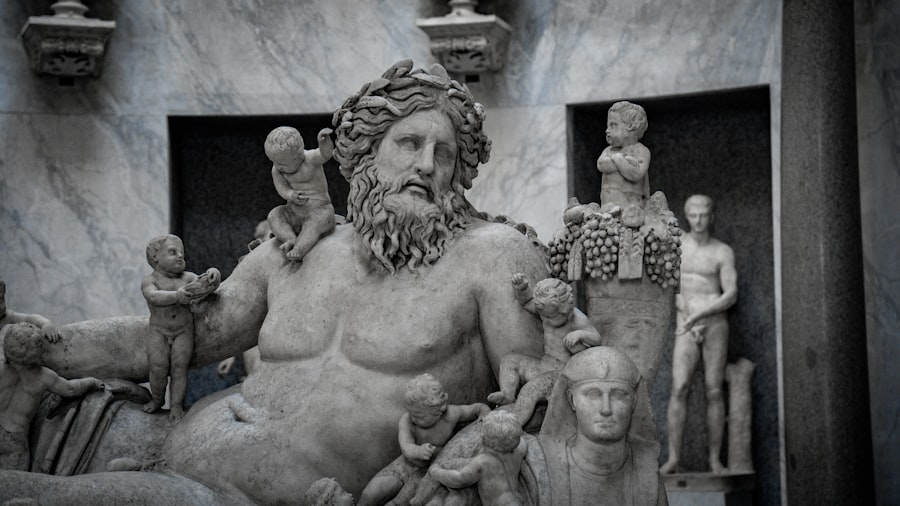
Writing emerged as one of the most significant innovations in ancient societies, serving as a vital instrument for maintaining power among elites. The ability to record laws, treaties, and historical events allowed rulers to establish legitimacy and create a sense of continuity within their governance. Written records provided a means to codify rules and regulations that governed society, ensuring that they were upheld consistently over time.
This documentation not only reinforced the authority of those in power but also created an official narrative that could be referenced to quell dissent. Literature also played a crucial role in shaping public perception and reinforcing elite power dynamics. Epic poems, religious texts, and historical accounts often glorified rulers while depicting them as heroic figures chosen by fate or divine will.
These narratives served to inspire loyalty among subjects while simultaneously discouraging rebellion by portraying dissenters as enemies of both state and divinity. In this way, writing and literature became essential tools for elites seeking to maintain control over their societies by crafting compelling narratives that aligned with their interests.
The Influence of Art and Architecture in Demonstrating Elite Power
Art and architecture have long been used as expressions of power by ancient elites. Monumental structures such as temples, palaces, and fortifications served not only practical purposes but also acted as symbols of authority and prestige. The construction of grand edifices required significant resources and labor, showcasing the elite’s ability to mobilize society for collective projects that reinforced their dominance.
For instance, the pyramids of Egypt stand as enduring testaments to pharaonic power; they were not merely tombs but also statements of divine authority meant to inspire awe among both subjects and rivals. Artistic representations further contributed to this display of power by depicting rulers in ways that emphasized their strength and divinity. Statues, reliefs, and paintings often portrayed elites in idealized forms or engaged in heroic deeds that underscored their superiority over common people.
These visual narratives served to reinforce social hierarchies while simultaneously instilling a sense of pride among subjects who identified with their rulers’ accomplishments.
The Use of Military and Warfare to Assert Dominance
Military prowess has historically been a cornerstone of elite power in ancient societies. The ability to wage war effectively not only allowed rulers to expand their territories but also served as a means of consolidating control over existing domains. Elites often relied on well-trained armies composed of loyal soldiers who were motivated by promises of land or wealth in exchange for service.
This military structure enabled rulers to project strength both internally and externally, deterring potential challengers while asserting dominance over rival states. Moreover, warfare played a crucial role in shaping political landscapes by facilitating alliances through conquest or diplomacy. Victorious leaders could impose tribute systems on conquered peoples or forge alliances with other elites through marriage or shared interests.
These strategies not only expanded their influence but also reinforced existing power structures by integrating new territories into established hierarchies. Thus, military might became an essential tool for ancient elites seeking to maintain control over vast regions while simultaneously asserting their dominance on the world stage.
The Role of Trade and Economics in Elite Power
Trade and economics were vital components of elite power dynamics in ancient societies. Control over trade routes allowed elites to amass wealth and resources that further solidified their status within communities. By monopolizing key commodities such as spices, textiles, or precious metals, elites could exert influence over local economies while ensuring that wealth flowed into their coffers rather than those of potential rivals.
This economic dominance translated into political power; wealth enabled elites to fund military campaigns or lavish public works projects that showcased their authority. Additionally, trade networks facilitated cultural exchange between different societies, allowing elites to adopt new ideas or technologies that enhanced their governance capabilities. For instance, interactions along trade routes such as the Silk Road led to the dissemination of knowledge regarding agriculture or metallurgy—advancements that could be leveraged for economic gain or military advantage.
Consequently, trade became an essential mechanism through which ancient elites maintained control over resources while fostering relationships with other powerful entities across regions.
Resistance and Rebellion Against Ancient Elite Control
Despite the formidable structures established by ancient elites to maintain control, resistance and rebellion were persistent themes throughout history. Discontent among lower classes often arose from economic disparities or oppressive governance practices that marginalized large segments of society. Instances of rebellion were frequently sparked by grievances related to taxation or land ownership; when common people felt exploited or oppressed by those in power, they sometimes banded together to challenge authority.
Rebellions took various forms—from organized uprisings led by charismatic leaders seeking reform to spontaneous revolts driven by desperation among marginalized groups. While many rebellions were ultimately quelled by elite forces employing military might or propaganda tactics aimed at discrediting dissenters, they nonetheless highlighted underlying tensions within societies governed by rigid hierarchies. These acts of resistance served as reminders that even amidst overwhelming power structures lay an enduring human desire for autonomy and justice.
The Legacy of Ancient Elite Power and Knowledge in Modern Society
The legacy left behind by ancient elites continues to resonate within modern society today. Many contemporary political systems still reflect hierarchical structures reminiscent of those established thousands of years ago—where power remains concentrated among select individuals or groups who wield significant influence over governance decisions affecting millions. Furthermore, concepts surrounding knowledge transmission persist; education remains largely stratified based on socioeconomic status despite efforts toward inclusivity.
Moreover, cultural artifacts from ancient civilizations—such as literature, art forms like sculpture or painting—continue to shape contemporary artistic expressions while informing societal values regarding leadership or authority figures today. As modern societies grapple with issues related to inequality or governance challenges reminiscent of past struggles against oppressive regimes—understanding these historical legacies becomes crucial for fostering dialogue around justice reform initiatives aimed at creating more equitable futures for all citizens. In conclusion, examining how ancient elites wielded power reveals insights into contemporary dynamics still at play today—highlighting both enduring challenges faced by marginalized communities seeking representation alongside opportunities for growth through collective action against entrenched systems favoring few over many throughout history’s tapestry woven together across time itself.
In exploring the ways ancient elites controlled knowledge, it’s fascinating to consider the mechanisms they employed to maintain their power and influence. These elites often restricted access to education and literacy, ensuring that only a select few could read and interpret important texts. This control over knowledge allowed them to shape cultural narratives and maintain their societal dominance. For a deeper dive into this topic, you can read a related article on the subject by visiting this page. This article provides insights into the historical strategies used by ruling classes to monopolize information and the impact it had on their civilizations.
WATCH THIS! The Lost Tech They Buried to Control Us
FAQs
What is the significance of ancient elites controlling knowledge?
Ancient elites controlled knowledge as a means of maintaining power and authority over the general population. By controlling access to information, they were able to shape beliefs, maintain social order, and consolidate their own power.
How did ancient elites control knowledge?
Ancient elites controlled knowledge through various means such as restricting access to education, monopolizing religious and philosophical teachings, and controlling the dissemination of written texts. They also used oral traditions and rituals to transmit knowledge within their own circles.
What were the consequences of ancient elites controlling knowledge?
The control of knowledge by ancient elites led to social stratification, limited opportunities for social mobility, and the perpetuation of inequality. It also contributed to the preservation of certain cultural and religious practices, but also hindered the advancement of knowledge and innovation.
Did ancient elites use censorship to control knowledge?
Yes, ancient elites often used censorship to control knowledge by suppressing or altering information that challenged their authority or contradicted their beliefs. This allowed them to maintain a monopoly on the dissemination of information and ideas.
How did the control of knowledge by ancient elites impact society?
The control of knowledge by ancient elites contributed to the consolidation of power and the perpetuation of social hierarchies. It also limited the spread of new ideas and innovations, hindering the overall progress of society.